
Nutrition comparison
Emmer vs Quinoa: Which Ancient Grain Is Better for You?
Complete comparison of Emmer and Quinoa covering protein quality, gluten content, minerals, satiety, and cooking convenience. Find out which grain fits your diet best.
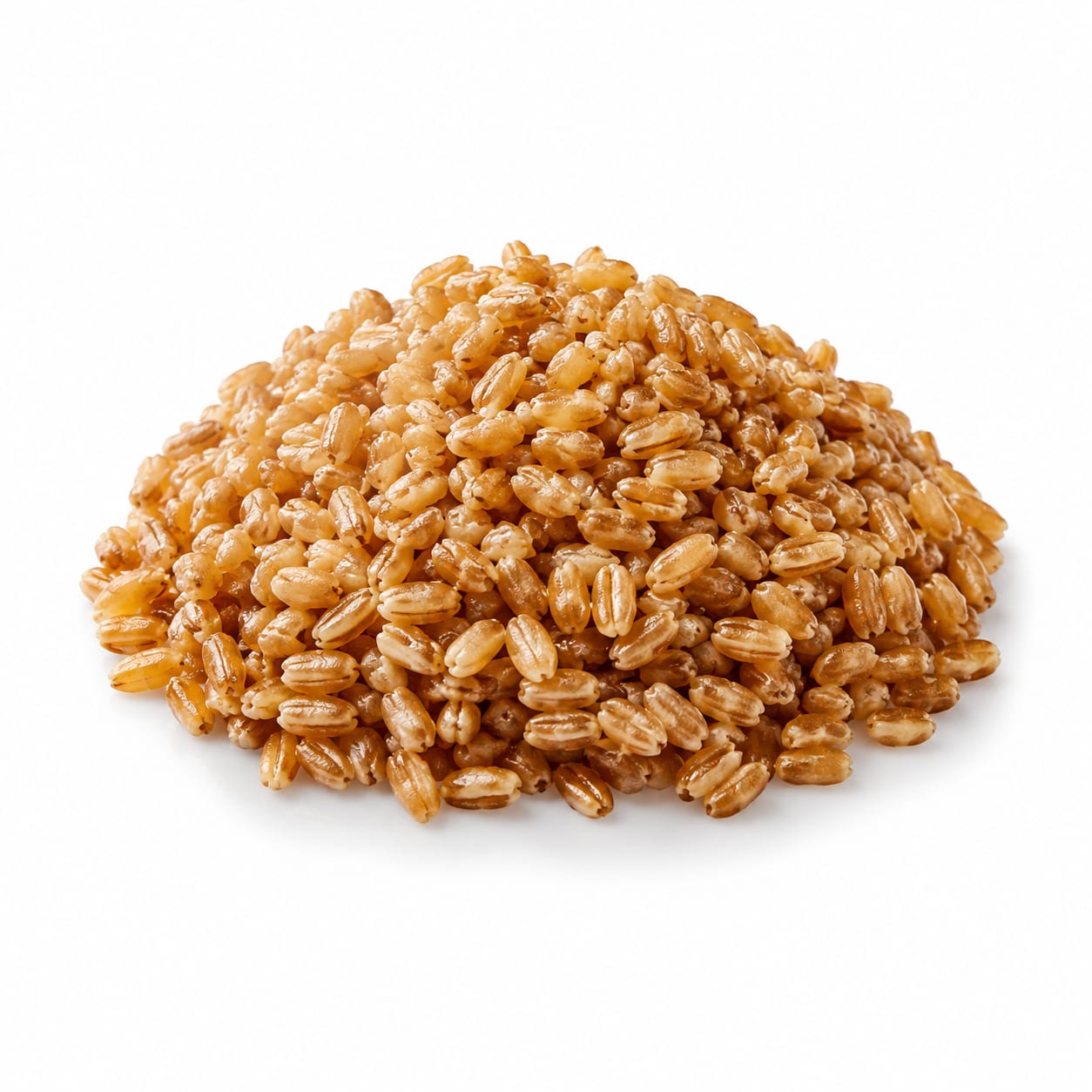
Emmer
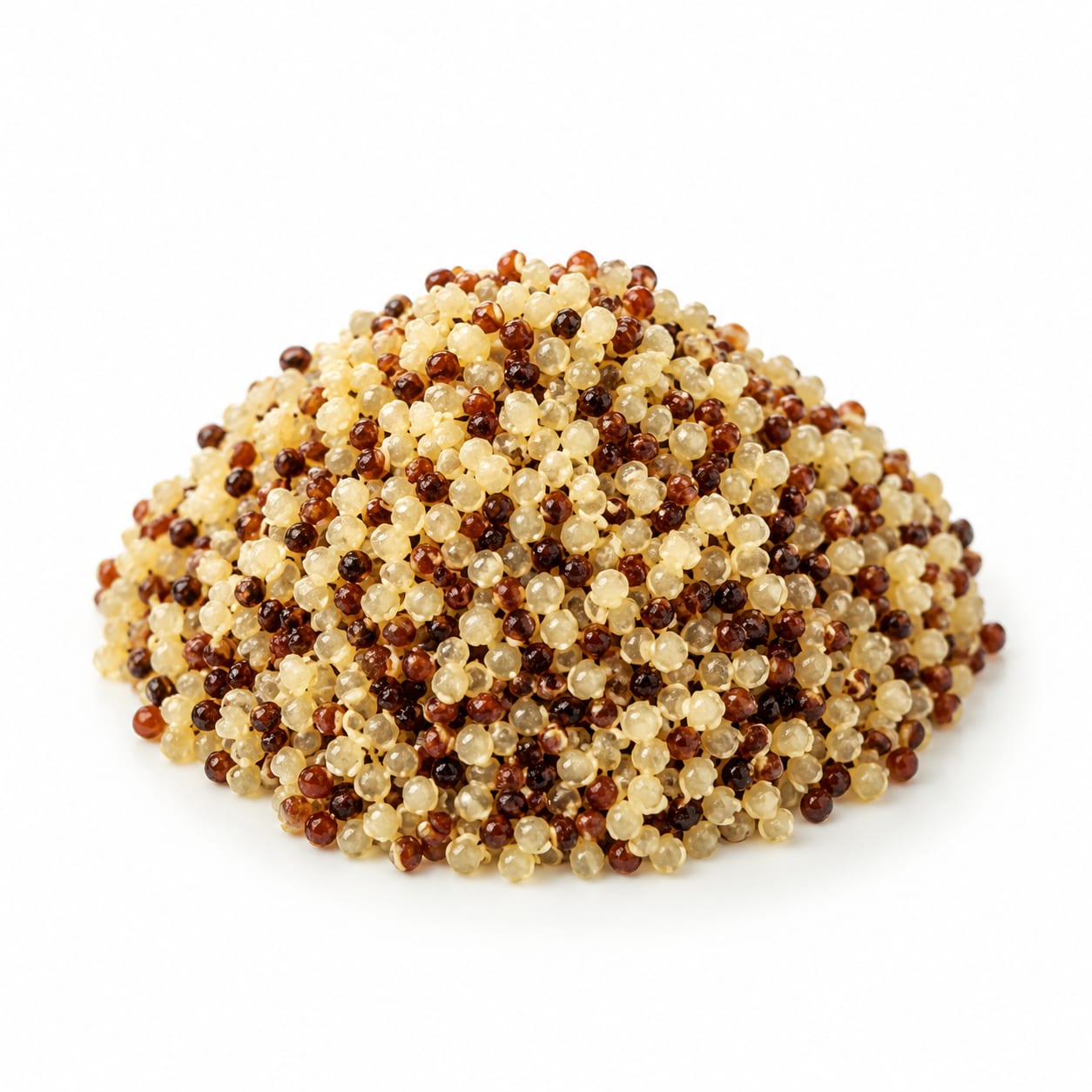
Quinoa
Quinoa delivers complete protein and gluten-free versatility, while Emmer offers a chewier, more satisfying texture with deeper roots in traditional cooking.
Quinoa scores higher due to its complete protein, gluten-free nature, and superior mineral profile. Emmer remains competitive through better satiety, lower cost, and fewer preparation concerns. The gap reflects quinoa's broader suitability across dietary patterns.
Quinoa wins on protein completeness and mineral density; Emmer wins on satiety, culinary tradition, and lower saponin concerns.
At a glance
Executive summary
Overall
It depends
Healthier
Quinoa
More practical
Quinoa
Daily use
It depends
Key comparison lenses
ancient grain vs pseudocereal nutritional superiority
Users comparing these two are typically deciding which heritage grain alternative offers better nutrition
gluten tolerance and digestive compatibility
Emmer contains gluten while quinoa is naturally gluten-free, a decisive factor for many consumers
protein quality and completeness
Quinoa's complete amino acid profile versus Emmer's wheat-based protein is a key differentiator
blood sugar management and satiety
Both are whole grains favored for steadier energy, but their glycemic and fiber profiles differ meaningfully
cooking convenience and everyday practicality
Quinoa cooks faster and is more widely available, impacting real-world adoption
Best choice for
Emmer
- People who tolerate gluten and want a more filling, chewy grain
- Mediterranean diet followers seeking authentic heritage ingredients
- Those sensitive to saponins or who dislike rinsing grains
- Home cooks prioritizing texture and rustic flavor over convenience
Quinoa
- Anyone avoiding gluten including celiacs and gluten-sensitive individuals
- Vegetarians and vegans needing complete protein from a single source
- People seeking higher mineral intake especially magnesium and iron
- Busy cooks wanting a faster-cooking, more versatile pantry staple
Least suitable for
Emmer
- People with celiac disease or gluten intolerance
- Anyone needing a quick-cooking weeknight grain
- Those seeking a complete protein source without combining foods
Quinoa
- People with quinoa sensitivity or digestive discomfort from saponins
- Shoppers on tight budgets where quinoa's premium price is prohibitive
- Those who dislike the slightly bitter or earthy flavor even after rinsing
Deep comparison
Dimension by dimension
Each lens scores both foods and breaks down who each option suits.
- Dimension 1 · Priority 95Quinoa
Protein Quality and Completeness
Emmer · 55Quinoa · 92Quinoa provides all nine essential amino acids in meaningful amounts. Emmer, like all wheat, falls short on lysine.
Tradeoff
Emmer still offers respectable protein quantity but requires pairing with legumes or dairy for a complete profile.
Why it matters
For plant-based eaters, a complete protein grain simplifies meal planning and ensures better muscle maintenance.
Real-world impact
A single bowl of quinoa can stand alone as a protein source. Emmer needs help from chickpeas, cheese, or eggs to match that completeness.
Emmer
- Meals already combining grains with legumes or animal protein
Better for
- Solo grain bowls relying on a single protein source
Worse for
Quinoa
- Vegan and vegetarian main dishes needing self-contained protein
- Post-workout meals where complete amino acids support recovery
- Simpler one-pot meals with fewer ingredients
Better for
- Budget-conscious households where protein completeness comes from combining cheaper staples
Worse for
- Dimension 2 · Priority 90Quinoa
Gluten and Digestive Tolerance
Emmer · 30Quinoa · 95Quinoa is naturally gluten-free. Emmer contains gluten, though some with mild wheat sensitivity report better tolerance than with modern wheat.
Tradeoff
Emmer's gluten structure differs from modern wheat and may be gentler for some, but it remains unsafe for celiacs.
Why it matters
Roughly 6-7% of the population avoids gluten for medical or comfort reasons, making this a dealbreaker dimension.
Real-world impact
If you have celiac disease, quinoa is your only safe option here. If gluten merely makes you bloated, Emmer might surprise you with better tolerance than standard pasta.
Emmer
- Gluten-tolerant individuals who find modern wheat problematic but can handle ancient varieties
- Traditional Italian and Mediterranean recipes where gluten provides essential structure
Better for
- Celiacs and anyone with confirmed gluten-related disorders
Worse for
Quinoa
- Anyone with celiac disease or diagnosed gluten intolerance
- Households cooking for mixed dietary needs including gluten-free members
- People experiencing bloating or fatigue after eating wheat products
Better for
- People specifically sensitive to quinoa or saponins rather than gluten
Worse for
- Dimension 3 · Priority 85Quinoa
Mineral Density and Micronutrients
Emmer · 62Quinoa · 85Quinoa delivers more magnesium, phosphorus, potassium, and folate per serving. Emmer provides solid iron and B vitamins but a narrower mineral range.
Tradeoff
Quinoa's broader mineral profile supports more body systems, but Emmer's iron contribution remains valuable for those prone to deficiency.
Why it matters
Mineral gaps are common in modern diets. A grain that covers more bases reduces the need for supplementation.
Real-world impact
Regular quinoa eaters get a meaningful boost in magnesium for sleep and muscle recovery. Emmer eaters get reliable iron but may need to fill other mineral gaps elsewhere.
Emmer
- Individuals focused on iron intake from whole food sources
- Those already eating a varied diet rich in magnesium and potassium from other foods
Better for
- Diets where the grain is the main mineral contributor
Worse for
Quinoa
- People needing magnesium support for sleep, cramps, or stress
- Those relying on grains as a primary mineral source due to limited diet variety
- Pregnant women benefiting from higher folate intake
Better for
- People already exceeding magnesium needs through supplements or other foods
Worse for
- Dimension 4 · Priority 82Emmer
Satiety and Fullness
Emmer · 85Quinoa · 72Emmer's denser, chewier texture and slower digestion rate keep you fuller for longer. Quinoa is lighter and digests faster.
Tradeoff
Emmer's heaviness is great for satisfaction but can feel too heavy in warm weather or light meals.
Why it matters
Staying full between meals reduces snacking and helps maintain stable energy throughout the day.
Real-world impact
A lunch bowl with Emmer keeps afternoon hunger at bay for hours. Quinoa feels lighter and may leave you reaching for a snack sooner.
Emmer
- Heavy workdays where you need lasting fuel between meals
- Cold-weather eating where hearty, warming grains feel right
- Anyone prone to afternoon energy crashes and snack attacks
Better for
- Hot weather meals where heavy grains feel unappealing
Worse for
Quinoa
- Lighter summer meals where a heavy grain feels oppressive
- Pre-workout eating where you want energy without feeling weighed down
- Smaller appetites that find dense grains uncomfortable
Better for
- Long gaps between meals where sustained fullness matters
Worse for
- Dimension 5 · Priority 80It depends
Blood Sugar Stability
Emmer · 74Quinoa · 76Both grains have moderate glycemic impacts, but quinoa edges slightly lower on the glycemic index. Emmer's denser fiber slows absorption comparably.
Tradeoff
The difference is small. Portion size and meal pairing matter far more than the grain itself for blood sugar control.
Why it matters
Steady blood sugar prevents energy crashes, mood swings, and cravings that derail healthy eating.
Real-world impact
Neither grain will spike your blood sugar like white rice would. Both are solid choices for stable energy when paired with protein and healthy fats.
Emmer
- Meals where the denser texture naturally slows eating pace
Better for
- Large portions that could still create a significant glucose load
Worse for
Quinoa
- Diabetics seeking the slightly lower glycemic option
- Smaller portions where every glycemic point counts
Better for
- Situations where the lighter texture encourages overeating
Worse for
- Dimension 6 · Priority 75Quinoa
Convenience and Everyday Practicality
Emmer · 48Quinoa · 82Quinoa cooks in 15-20 minutes and is available everywhere. Emmer requires longer cooking, soaking, and is harder to find.
Tradeoff
Emmer rewards patience with deeper flavor and texture, but its demands make it unrealistic for busy weeknights.
Why it matters
The healthiest grain only matters if you actually cook and eat it. Convenience often determines what reaches your plate.
Real-world impact
Quinoa can be a spontaneous weeknight side dish. Emmer requires planning ahead or using a pressure cooker to fit into a normal schedule.
Emmer
- Weekend meal prep sessions with time for slow cooking
- Cooks who enjoy the process of preparing heritage ingredients
Better for
- Last-minute dinner situations with no prep time
- Households without pressure cookers or long cooking windows
Worse for
Quinoa
- Busy professionals needing quick weeknight meals
- Meal preppers wanting a fast-cooking grain base for the week
- Anyone shopping at standard grocery stores without specialty access
Better for
- Cooks who find quinoa's quick preparation too easy and prefer slow food rituals
Worse for
- Dimension 7 · Priority 72Quinoa
Antioxidant and Anti-inflammatory Potential
Emmer · 60Quinoa · 80Quinoa contains quercetin, kaempferol, and unique betalains that fight inflammation. Emmer offers antioxidants too but a less diverse profile.
Tradeoff
Both outperform refined grains significantly. The antioxidant gap matters most for people actively managing inflammation.
Why it matters
Chronic inflammation underlies many diseases. Food choices that reduce it compound benefits over decades.
Real-world impact
Regular quinoa consumption contributes meaningfully to your daily antioxidant intake. Emmer helps too, but less dramatically.
Emmer
- Diets already rich in colorful fruits and vegetables providing ample antioxidants
Better for
- Reliance on grains as a primary antioxidant source
Worse for
Quinoa
- People managing inflammatory conditions like arthritis
- Those wanting their grain choice to actively contribute to antioxidant intake
- Aging adults concerned about oxidative stress
Better for
- Situations where antioxidant contribution from a single grain is negligible compared to overall diet
Worse for
Timeline
Health impact over time
Short-term
Hours to days
Emmer
- Provides sustained energy with a satisfying, heavy-full feeling after meals
- May cause bloating or discomfort in gluten-sensitive individuals within hours
- Slower digestion creates a comfortable sense of lasting fullness
Quinoa
- Lighter post-meal feeling with steady energy that does not weigh you down
- Unrinsed quinoa can cause mild stomach irritation from saponins
- Quick digestion means hunger returns sooner than with denser grains
Long-term
Months to years
Emmer
- Consistent intake supports steady fiber goals and digestive regularity
- Gluten exposure remains a concern for those with undiagnosed celiac disease
- Traditional Mediterranean dietary patterns including ancient wheat show heart health benefits
Quinoa
- Regular consumption contributes to improved mineral status especially magnesium and iron
- Complete protein intake supports muscle maintenance particularly in aging adults
- Gluten-free nature reduces chronic low-grade inflammation risk in sensitive individuals
Risk profile
Safety & processing
Both Emmer and quinoa are whole, minimally processed foods. Emmer is typically sold as whole berries or semi-pearled, while quinoa requires only saponin removal which is mechanical, not chemical. Neither raises ultra-processing concerns.
Emmer
Gluten exposure for celiacs
highEmmer contains gluten and is absolutely unsafe for anyone with celiac disease. Even trace amounts trigger intestinal damage in sensitive individuals.
Agricultural contaminant residue
lowAs a less commercially intensive crop, Emmer often receives fewer pesticide applications, but organic sourcing remains preferable.
Quinoa
Saponin-related digestive irritation
mediumQuinoa's natural saponin coating can cause stomach upset and bitterness if not thoroughly rinsed before cooking. Most commercial quinoa is pre-rinsed but verification is wise.
Cross-contamination with gluten grains
mediumQuinoa is often processed in facilities handling wheat. Celiacs should seek certified gluten-free labels to avoid trace contamination.
Who wins for whom
Audience fit
Same foods, different winners depending on your goal.
children
QuinoaQuinoa's softer texture, complete protein, and gluten-free nature make it more suitable for developing digestive systems and varied dietary needs.
daily consumption
It dependsQuinoa is more practical for daily use due to convenience and broader compatibility. Emmer works well daily for gluten-tolerant individuals who prioritize satiety and enjoy its texture.
diabetes
QuinoaQuinoa has a slightly lower glycemic index and higher mineral content that supports insulin sensitivity, though both are reasonable choices.
elderly
QuinoaQuinoa's superior mineral density, easier digestibility, and complete protein help counter age-related muscle loss and mineral depletion.
muscle gain
QuinoaQuinoa's complete protein profile provides all essential amino acids needed for muscle repair and growth in a single food.
weight loss
EmmerEmmer's denser texture and higher satiety keep you fuller longer, reducing the urge to snack between meals.
Your move
Decision guide
Choose Emmer
- You tolerate gluten and want a more satisfying, filling grain experience
- You follow a Mediterranean or Italian cooking tradition and want authentic ingredients
- You find quinoa's texture or flavor unappealing and prefer a chewier, nuttier grain
- You want a grain that naturally slows your eating pace and prevents overeating
Choose Quinoa
- You are gluten-free or cooking for someone who is
- You are vegetarian or vegan and need complete protein from grain sources
- You want quicker cooking times for weeknight meals
- You prioritize mineral density and antioxidant variety in your daily staples
Either works if
- You tolerate gluten and already eat a varied diet with multiple protein sources
- You want to rotate grains for nutritional diversity and prevent palate fatigue
- You are simply looking for a whole grain upgrade from white rice or pasta
Avoid both if
- You have a grain-free dietary requirement such as AIP or specific keto protocols
- You are severely allergic to multiple seeds or grains
- You need a very low-carb option for blood sugar management
Final recommendation
Keep both in your pantry if possible. Use quinoa for quick weeknight meals and gluten-free needs. Use Emmer for weekend cooking when you want something heartier and more satisfying. Rotating between them gives you quinoa's complete protein and minerals alongside Emmer's superior satiety and traditional character. If you must choose one, quinoa's versatility, gluten-free status, and faster cooking make it the more practical daily staple for most people.
Practical
Consumer tips
- 1
Soak Emmer overnight or use a pressure cooker to cut cooking time from 60 minutes down to 25
- 2
Always rinse quinoa under cold water for 30 seconds even if the package says pre-rinsed to remove residual saponins
- 3
Toast either grain in a dry pan for 2-3 minutes before cooking to deepen flavor significantly
- 4
Buy Emmer in whole berry form rather than pearled for maximum fiber and nutrient retention
- 5
Look for certified gluten-free quinoa if you have celiac disease to avoid cross-contamination risk
- 6
Cook a large batch of either grain on Sunday and refrigerate for 4-5 days of quick meal assembly