
Nutrition comparison
Emmer vs Oats: Nutrition, Protein, and Health Benefits Compared
Comparing Emmer and Oats? Discover which grain is better for protein, heart health, and gluten sensitivity, and which is best for your diet.
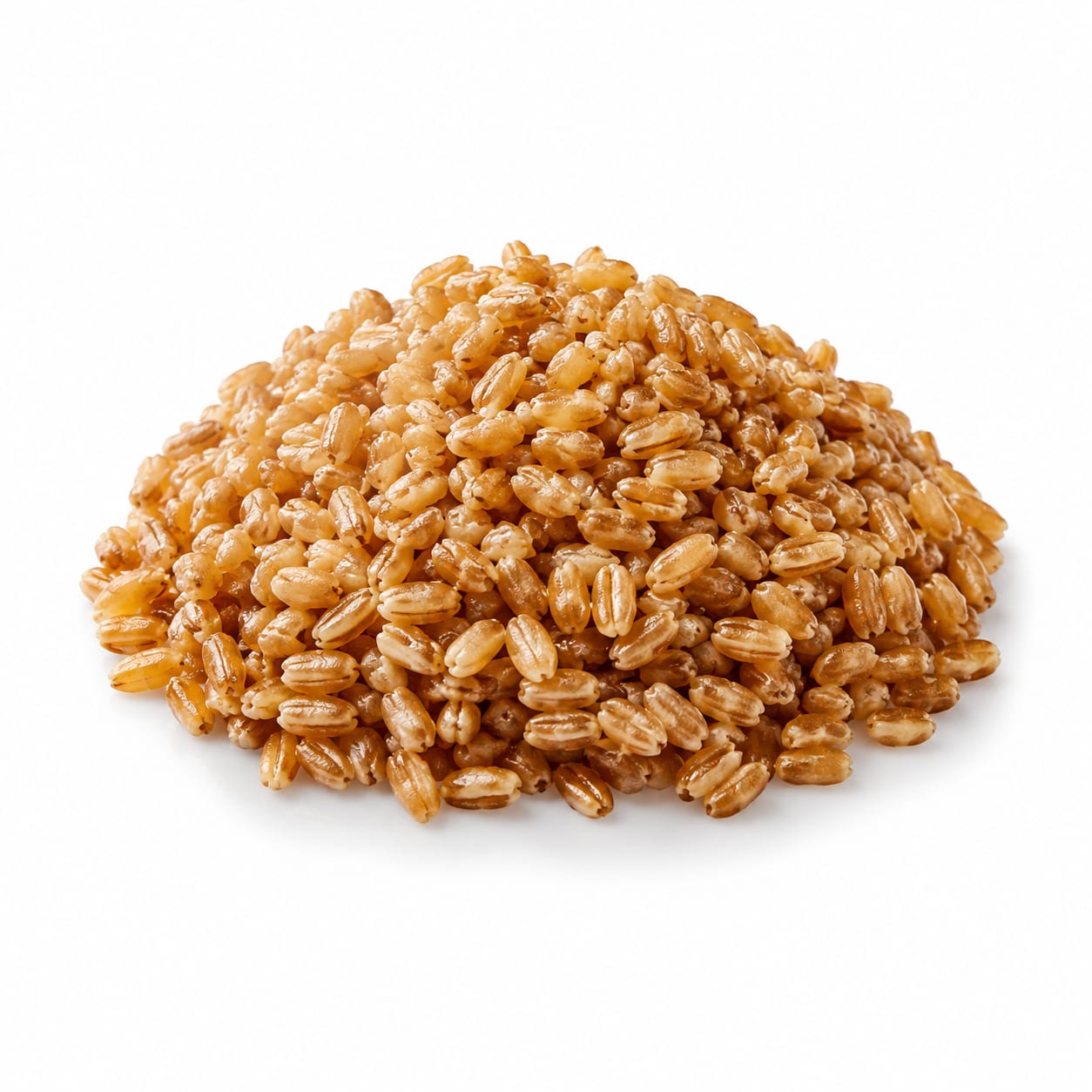
Emmer
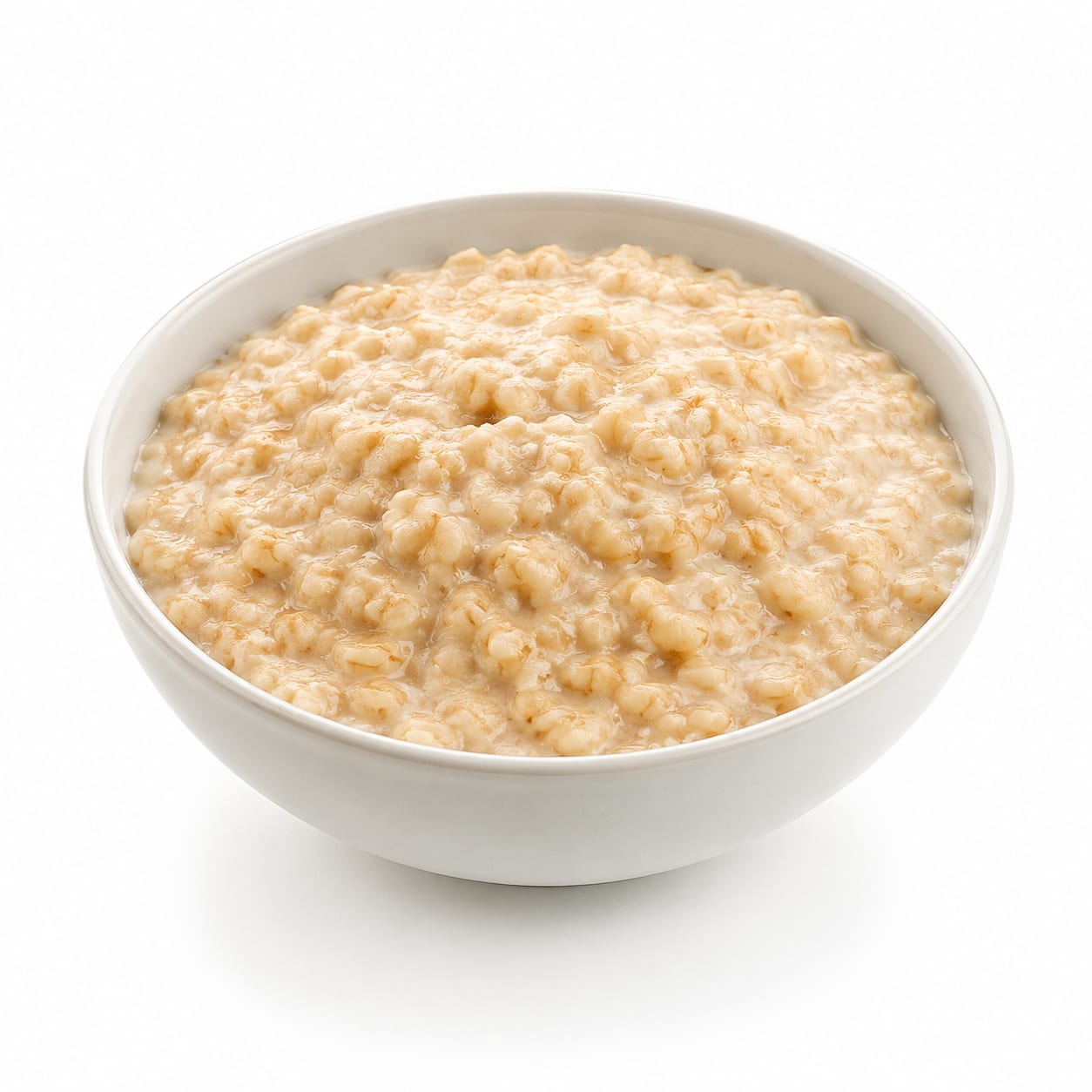
Oats
Emmer delivers more protein and a satisfying chew, but Oats win on quick cooking and heart-healthy soluble fiber.
Oats score higher due to their convenience, proven heart health benefits, and broader dietary compatibility, though Emmer is superior for protein content.
You trade the quick convenience and cholesterol benefits of Oats for the higher protein and rustic texture of Emmer.
At a glance
Executive summary
Overall
It depends
Healthier
It depends
More practical
Oats
Daily use
Oats
Key comparison lenses
Ancient grain nutrient density vs modern staple convenience
Emmer is prized for its robust nutritional profile, while Oats are a daily convenience food.
Gluten tolerance and digestive compatibility
Emmer contains gluten, whereas Oats are naturally gluten-free but face cross-contamination issues.
Heart health and cholesterol management
Oats are famous for beta-glucan's cholesterol-lowering effects, a dimension where Emmer is less potent.
Best choice for
Emmer
- High-protein plant-based diets
- Hearty grain bowls and salads
- Ancient grain enthusiasts
Oats
- Quick weekday breakfasts
- Cholesterol management
- Gluten-avoidant diets (if certified GF)
Least suitable for
Emmer
- Celiacs and gluten-sensitive individuals
- Quick morning meals
- Those seeking instant cooking
Oats
- Strict low-carb diets
- Those needing high-protein grains without additions
Deep comparison
Dimension by dimension
Each lens scores both foods and breaks down who each option suits.
- Dimension 1 · Priority 90Emmer
Protein & Nutrient Density
Emmer · 88Oats · 72Emmer packs significantly more protein per serving than Oats, making it a better base for plant-based meals.
Tradeoff
You get more protein with Emmer, but you lose the quick cooking time of Oats.
Why it matters
Higher protein grains keep you fuller longer and require less additional protein to balance a meal.
Real-world impact
A bowl of Emmer keeps you satisfied well into the afternoon, whereas Oats might need nuts or protein powder to match that staying power.
Emmer
- Plant-based eaters needing protein
- Athletes looking for whole food protein sources
Better for
- Those who want a light, low-protein base meal
Worse for
Oats
- Light breakfasters who prefer adding their own protein sources
Better for
- People relying on a single grain for a protein boost
Worse for
- Dimension 2 · Priority 85Oats
Heart Health & Cholesterol
Emmer · 70Oats · 95Oats are rich in beta-glucan, a soluble fiber clinically proven to lower LDL cholesterol. Emmer has fiber but lacks this specific benefit.
Tradeoff
Choosing Emmer means missing out on the targeted cholesterol-lowering power of Oats' soluble fiber.
Why it matters
Daily consumption of beta-glucan actively protects your cardiovascular system over time.
Real-world impact
Eating a bowl of Oats daily can visibly improve cholesterol numbers at your next doctor visit, while Emmer offers general fiber benefits.
Emmer
- Those with healthy cholesterol focusing on general wellness
Better for
- Individuals specifically targeting LDL cholesterol reduction
Worse for
Oats
- People managing high cholesterol
- Anyone focused on cardiovascular disease prevention
Better for
- Those who dislike the texture of soluble fiber
Worse for
- Dimension 3 · Priority 80Oats
Digestive Tolerance & Gluten
Emmer · 55Oats · 85Emmer contains gluten, which triggers issues for sensitive individuals. Oats are naturally gluten-free, though cross-contamination is a risk.
Tradeoff
Emmer offers a chewy, gluten-bound texture but excludes those with sensitivities, while Oats are safer but require certified labels for celiacs.
Why it matters
Gluten intolerance can cause severe inflammation and digestive distress, making grain choice critical.
Real-world impact
Emmer can cause bloating or brain fog for gluten-sensitive people, while certified GF Oats sit comfortably in nearly any stomach.
Emmer
- Those without gluten issues who prefer traditional wheat textures
Better for
- Anyone with celiac disease or gluten intolerance
Worse for
Oats
- Celiacs and gluten-sensitive individuals (with certified GF oats)
- People with sensitive digestion
Better for
- Strict celiacs if the oats are not certified gluten-free
Worse for
- Dimension 4 · Priority 75Oats
Convenience & Practicality
Emmer · 45Oats · 95Oats cook in minutes, making them a daily staple. Emmer requires long soaking and simmering.
Tradeoff
Emmer demands meal prep foresight, while Oats are ready almost instantly.
Why it matters
If a healthy food takes too long to cook, you are less likely to eat it on busy days.
Real-world impact
Oats fit into a rushed 6 AM morning routine; Emmer is a weekend grain or requires Sunday meal prep.
Emmer
- Meal preppers who cook grains in bulk for the week
Better for
- Spontaneous cooks who decide what to eat 15 minutes before a meal
Worse for
Oats
- Busy professionals needing quick breakfasts
- Minimal-effort cooking enthusiasts
Better for
- Those who enjoy slow cooking and rustic preparation
Worse for
Timeline
Health impact over time
Short-term
Hours to days
Emmer
- Provides very steady, slow-burning energy due to dense complex carbs
- Highly filling and satisfying from the chewy, hearty texture
Oats
- Creates a comforting, warm feeling that is easy on the stomach
- Soluble fiber provides quick satiety, though it digests faster than Emmer
Long-term
Months to years
Emmer
- Supports muscle maintenance with higher protein intake
- Gluten exposure may trigger low-grade inflammation in sensitive people
Oats
- Consistently lowers LDL cholesterol and supports heart health
- Promotes a healthy gut microbiome through prebiotic soluble fiber
Risk profile
Safety & processing
Both Emmer berries and steel-cut or rolled Oats are whole, minimally processed foods. However, instant oat packets often contain added sugars and fall into a more processed category.
Emmer
Gluten exposure
highEmmer is a wheat species and contains gluten, making it unsafe for those with celiac disease.
Oats
Gluten cross-contamination
mediumOats are often processed in wheat facilities. Celiacs must buy certified gluten-free Oats to avoid reactions.
Avenin sensitivity
lowA small percentage of celiacs also react to avenin, a protein in Oats similar to gluten.
Who wins for whom
Audience fit
Same foods, different winners depending on your goal.
children
OatsOats are softer, sweeter, and much easier for kids to chew and digest than dense Emmer berries.
daily consumption
OatsOats are far easier to cook daily and offer a more targeted daily health benefit (heart health) with low effort.
diabetes
OatsThe beta-glucan in Oats actively slows glucose absorption, leading to more stable post-meal blood sugar readings.
elderly
OatsOats are easier to chew, gentle on aging digestive systems, and provide critical cardiovascular protection.
muscle gain
EmmerEmmer provides significantly more protein per serving, giving muscle-building diets a better plant-based foundation.
weight loss
OatsOats' soluble fiber creates a viscous gel in the gut, slowing digestion and keeping hunger at bay more effectively per calorie.
Your move
Decision guide
Choose Emmer
- You want a protein-rich, chewy grain for hearty salads and bowls
- You tolerate gluten and want to explore ancient wheat varieties
- You have time to soak or simmer grains for an hour
Choose Oats
- You need a quick, comforting breakfast ready in under 10 minutes
- You are actively managing your cholesterol or heart health
- You need a gluten-free grain (ensure you buy certified GF)
Either works if
- You want sustained complex carbohydrate energy for endurance activities
- You are meal-prepping a big batch of grains for the week
Avoid both if
- You are on a strict ketogenic or very low-carb diet
- You have severe grain allergies that extend beyond gluten
Final recommendation
Keep Oats as your daily staple for their convenience and heart health benefits, but cook up a batch of Emmer on weekends when you want a protein-packed, satisfying grain bowl.
Practical
Consumer tips
- 1
Soak Emmer overnight to cut its cooking time in half and improve digestibility.
- 2
Always buy certified gluten-free Oats if you have celiac disease or gluten sensitivity.
- 3
Pair Oats with healthy fats like nut butter or chia seeds to prevent a blood sugar spike.
- 4
Use Emmer in place of rice or quinoa for a more filling, protein-dense salad base.