
Nutrition comparison
Emmer vs Kamut: Which Ancient Grain Is Better for You?
Compare Emmer and Kamut ancient grains side by side. Discover which has more protein, fiber, and minerals, and which grain fits your health goals best.
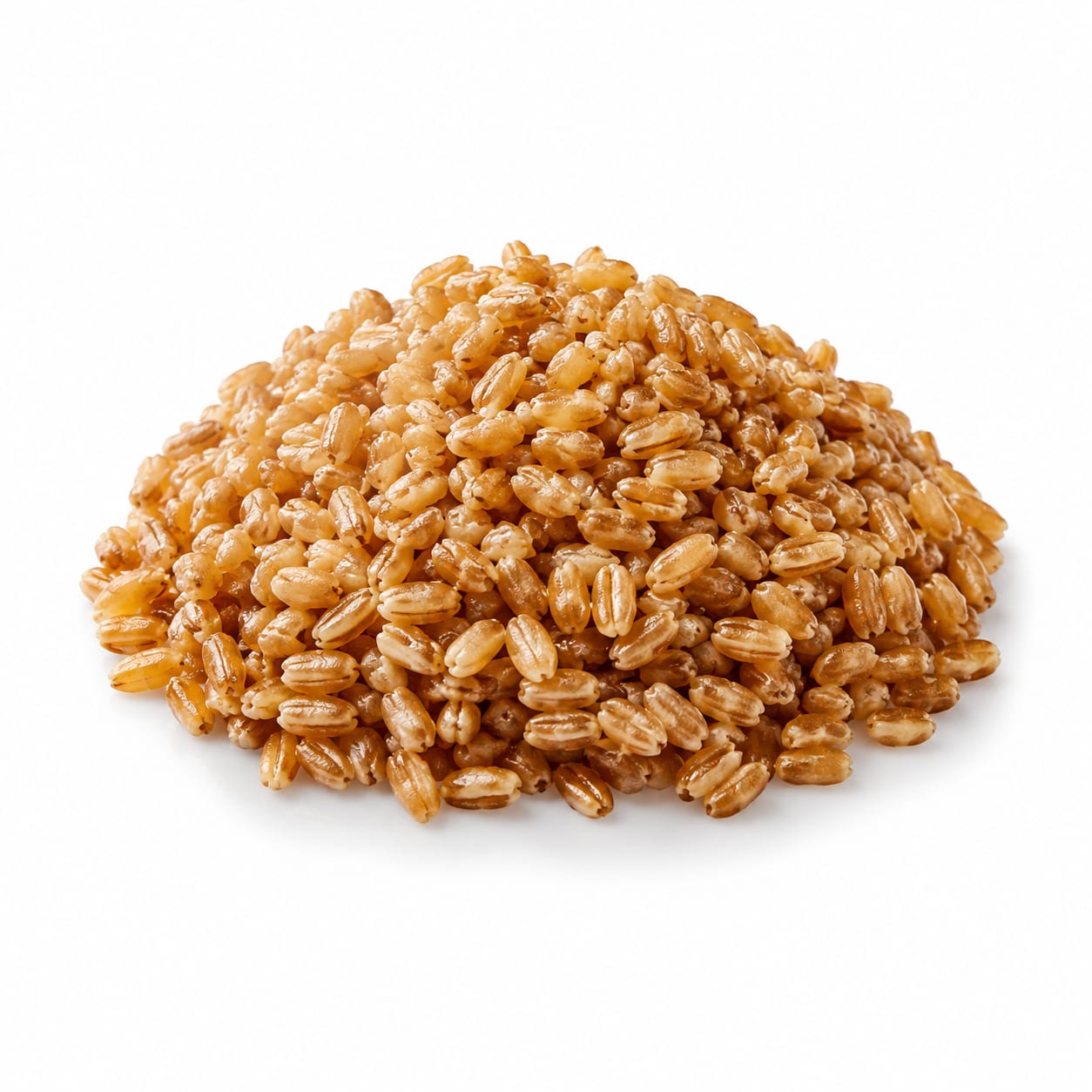
Emmer
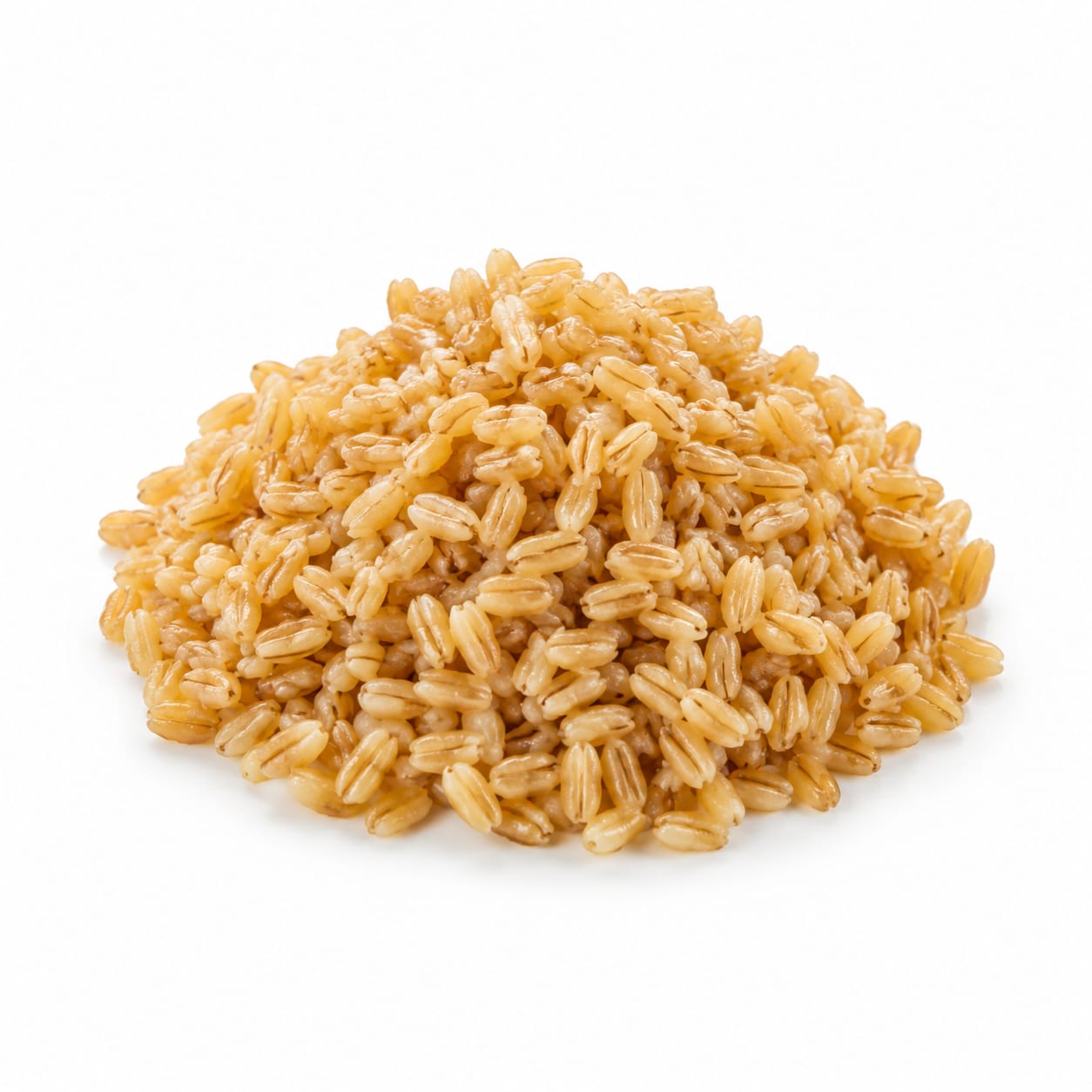
Kamut
Kamut edges ahead on protein and selenium, while Emmer wins on fiber and antioxidant diversity. Both crush modern wheat — the real choice comes down to your priority.
Kamut scores slightly higher due to its protein advantage and superior mineral density, especially selenium. Emmer stays competitive with better fiber and a more diverse antioxidant profile. The gap is small because both are excellent choices that outperform modern wheat by a wide margin.
Kamut gives you more protein and a buttery, sweet flavor, but Emmer offers more fiber and a heartier, nuttier chew that fills you up longer.
At a glance
Executive summary
Overall
It depends
Healthier
It depends
More practical
Kamut
Daily use
It depends
Key comparison lenses
ancient grain nutritional superiority
Both are ancient wheats, so users want to know which delivers more nutrition per bite
digestive tolerance and gluten sensitivity
Many people explore ancient grains specifically because modern wheat bothers them
protein quality and satiety
Ancient grains are often chosen as plant-based protein sources
blood sugar stability
Users choosing whole ancient grains often care about glycemic impact
culinary versatility and availability
Practical cooking differences affect which grain people actually stick with
Best choice for
Emmer
- People prioritizing digestive regularity and fiber intake
- Those wanting a denser, more filling grain for salads and bowls
- Anyone seeking broader antioxidant variety from their grains
- Traditional Italian and Mediterranean cooking enthusiasts
Kamut
- People focused on maximizing protein from grain sources
- Those wanting higher selenium and zinc for immune support
- Anyone who finds modern wheat difficult to digest but tolerates ancient varieties
- Home cooks wanting a sweeter, more approachable grain flavor
Least suitable for
Emmer
- Anyone with celiac disease or serious gluten intolerance
- People wanting the highest protein grain option
- Those who find chewy, dense textures unappealing
Kamut
- Anyone with celiac disease or serious gluten intolerance
- People strictly limiting calorie intake due to its energy density
- Those on a tight grocery budget since Kamut is often pricier
Deep comparison
Dimension by dimension
Each lens scores both foods and breaks down who each option suits.
- Dimension 1 · Priority 90Kamut
protein content and quality
Emmer · 72Kamut · 88Kamut delivers roughly 15-18% protein by weight compared to Emmer's 12-15%, making it one of the highest-protein grains available.
Tradeoff
You gain more protein with Kamut, but Emmer's protein comes alongside more fiber, which slows digestion and gives steadier amino acid release.
Why it matters
Higher protein from grains means better satiety and less need to rely on animal protein at every meal.
Real-world impact
A bowl of Kamut keeps you full slightly longer after lunch, while Emmer's fiber-protein combo provides a more gradual, sustained fullness.
Emmer
- Sustained energy release over hours
Better for
- Pure protein quantity per calorie
Worse for
Kamut
- Post-workout recovery meals
- Vegetarians maximizing protein per serving
Better for
- Slower protein absorption due to lower fiber slowing digestion less
Worse for
- Dimension 2 · Priority 88Emmer
fiber and digestive health
Emmer · 85Kamut · 74Emmer typically contains more dietary fiber than Kamut, especially insoluble fiber that supports regular digestion.
Tradeoff
Emmer keeps your digestion moving better, but Kamut's lower fiber makes it gentler on sensitive stomachs that struggle with high-fiber meals.
Why it matters
Fiber is the nutrient most people lack, and grain choice can meaningfully close that gap.
Real-world impact
Emmer at dinner helps prevent that sluggish, backed-up feeling the next morning. Kamut is less likely to cause bloating if your gut is sensitive.
Emmer
- Combating constipation
- Feeding beneficial gut bacteria
- Reducing blood sugar spikes after meals
Better for
- Can cause gas if you ramp up intake too quickly
Worse for
Kamut
- Easier digestion for sensitive stomachs
- Less bloating after large servings
Better for
- Less help with daily regularity
Worse for
- Dimension 3 · Priority 85Kamut
mineral density
Emmer · 75Kamut · 87Kamut is notably richer in selenium, zinc, and magnesium — minerals critical for immunity, energy, and bone health.
Tradeoff
Kamut's selenium content is exceptional among grains, but Emmer provides a more balanced mineral spread with slightly more iron.
Why it matters
Mineral deficiencies are widespread and grains are a daily staple, so small differences compound over time.
Real-world impact
Regular Kamut consumption meaningfully boosts selenium intake, which supports thyroid function and antioxidant defenses. Emmer is slightly better if iron is your primary concern.
Emmer
- Iron-focused nutrition goals
- Balanced mineral intake without excess
Better for
- Lower selenium limits thyroid support
Worse for
Kamut
- Immune system support via selenium and zinc
- Thyroid health
- Active individuals needing more magnesium
Better for
- Less iron contribution per serving
Worse for
- Dimension 4 · Priority 78Emmer
antioxidant profile
Emmer · 82Kamut · 76Emmer contains a wider variety of antioxidant compounds, including unique polyphenols from its diverse genetic heritage as an older grain.
Tradeoff
Emmer offers more antioxidant types, but Kamut has higher concentrations of specific antioxidants like vitamin E and certain carotenoids.
Why it matters
Antioxidant diversity matters more than sheer quantity — different compounds protect different tissues and pathways.
Real-world impact
Emmer gives broader cellular protection over decades of eating, while Kamut provides stronger targeted protection for skin and cell membranes.
Emmer
- Long-term cellular defense variety
- Reducing oxidative stress across multiple pathways
Better for
- Lower concentration of specific potent antioxidants
Worse for
Kamut
- Skin and membrane protection from vitamin E
- Targeted antioxidant support
Better for
- Narrower range of protective compounds
Worse for
- Dimension 5 · Priority 82Emmer
blood sugar stability
Emmer · 80Kamut · 74Emmer's higher fiber content slows glucose absorption more effectively, resulting in a gentler blood sugar curve.
Tradeoff
Emmer provides steadier energy with less crash risk, while Kamut digests slightly faster, which can feel more energizing in the short term.
Why it matters
Blood sugar spikes and crashes drive cravings, fatigue, and long-term metabolic risk.
Real-world impact
Emmer at lunch means no 3 PM energy dip. Kamut gives a quicker energy lift that might not last as long.
Emmer
- Preventing afternoon energy crashes
- Managing prediabetes or insulin resistance
- Sustained focus through long work sessions
Better for
- Too slow for immediate pre-workout fueling
Worse for
Kamut
- Pre-workout energy when you need fuel faster
- Morning meals when quick energy matters
Better for
- Higher glycemic response compared to Emmer
Worse for
- Dimension 6 · Priority 75Kamut
flavor and culinary appeal
Emmer · 73Kamut · 82Kamut has a naturally sweet, buttery flavor that most people find immediately appealing. Emmer is earthier and nuttier — an acquired preference.
Tradeoff
Kamut wins over picky eaters and kids easily, while Emmer rewards adventurous palates with deeper, more complex flavor.
Why it matters
The best grain nutritionally is the one you actually enjoy eating consistently.
Real-world impact
Kamut is the grain that disappears from the pot first at family dinners. Emmer is the one food enthusiasts seek out for its rustic character.
Emmer
- Hearty grain bowls with bold dressings
- Traditional Italian farro recipes
- Earthy flavor pairings with mushrooms and herbs
Better for
- Can taste too rustic for simple preparations
Worse for
Kamut
- Kid-friendly grain dishes
- Simple preparations where the grain flavor shines
- Sweet breakfast porridges
Better for
- Less complexity for adventurous cooks
Worse for
- Dimension 7 · Priority 86Kamut
digestive tolerance for wheat-sensitive people
Emmer · 70Kamut · 78Multiple studies show some wheat-sensitive individuals tolerate Kamut better than modern wheat, with less bloating and inflammation. Emmer shows similar but less documented benefits.
Tradeoff
Kamut has stronger clinical evidence for tolerance in wheat-sensitive people, but neither is safe for celiac disease.
Why it matters
Many people switch to ancient grains specifically because modern wheat causes discomfort.
Real-world impact
If regular wheat makes you bloated or foggy, Kamut is the better first try. Neither is a safe experiment if you have celiac disease.
Emmer
- Some tolerance for mild wheat sensitivity
Better for
- Less clinical evidence for tolerance claims
Worse for
Kamut
- Better documented tolerance in wheat-sensitive individuals
- Lower inflammatory markers in clinical studies
Better for
- Still contains gluten — dangerous for celiac
Worse for
- Dimension 8 · Priority 65Kamut
availability and cost
Emmer · 62Kamut · 70Kamut is a branded, consistently available product found in most health food stores. Emmer availability varies widely and is often sold as farro, which can be confusing.
Tradeoff
Kamut costs more but you always know what you are getting. Emmer can be cheaper but labeling confusion means you might get a different grain than expected.
Why it matters
A grain you cannot find or identify reliably is a grain you will not eat regularly.
Real-world impact
Kamut is on the shelf at most Whole Foods and online shops. Emmer requires reading labels carefully because farro labeling is inconsistent across brands.
Emmer
- Sometimes cheaper at specialty Mediterranean shops
Better for
- Farro labeling confusion — may not be true Emmer
- Inconsistent availability
Worse for
Kamut
- Consistent branded quality
- Widely available online and in health stores
- No confusion about what you are buying
Better for
- Premium price point
Worse for
Timeline
Health impact over time
Short-term
Hours to days
Emmer
- Steady energy with minimal crash due to high fiber slowing digestion
- May cause mild bloating if transitioning from low-fiber diet
- More filling per serving, reducing between-meal snacking
Kamut
- Noticeable energy lift from higher protein and faster digestion
- Gentler on the stomach than modern wheat for most people
- Slightly less filling than Emmer, may need larger portions
Long-term
Months to years
Emmer
- Better long-term digestive regularity from consistent fiber intake
- Broader antioxidant protection against cellular aging
- Improved blood sugar control reducing metabolic disease risk
Kamut
- Stronger immune resilience from selenium and zinc accumulation
- Better thyroid function supported by consistent selenium intake
- Reduced inflammation markers compared to modern wheat consumption
Risk profile
Safety & processing
Both Emmer and Kamut are sold as whole grains with minimal processing. They are among the cleanest grain options available — no additives, no fortification, no refining. The main thing to watch is pearled versus whole grain versions, since pearling removes the bran and negates much of the nutritional advantage.
Emmer
gluten exposure for celiac individuals
highEmmer contains gluten and is absolutely unsafe for anyone with celiac disease. The gluten content is lower than modern wheat but still triggers autoimmune responses.
mislabeling as farro
mediumProducts labeled farro may actually be spelt or einkorn rather than true Emmer, leading to unexpected nutritional differences.
pesticide residue
lowAncient grains are typically grown with fewer pesticides than conventional wheat, but non-organic options still carry some risk.
Kamut
gluten exposure for celiac individuals
highKamut contains gluten and is dangerous for anyone with celiac disease, despite being better tolerated by some wheat-sensitive people.
contamination in supply chain
lowBecause Kamut is strictly regulated as a trademarked grain, contamination with modern wheat is less likely than with other ancient grains.
pesticide residue
lowKamut is almost always organically grown, making pesticide residue concerns minimal.
Who wins for whom
Audience fit
Same foods, different winners depending on your goal.
children
KamutKamut's naturally sweet, buttery flavor is far more appealing to kids, and its higher mineral content supports growing bodies.
daily consumption
It dependsBoth are excellent daily grains. Choose Emmer for fiber and blood sugar benefits, or Kamut for protein and mineral density.
diabetes
EmmerEmmer's superior fiber content creates a flatter blood sugar response, which is critical for glycemic management.
elderly
KamutKamut's easier digestibility and higher selenium support thyroid and immune function, which become more critical with age.
muscle gain
KamutKamut's higher protein content per serving supports muscle protein synthesis better when paired with other protein sources.
weight loss
EmmerEmmer's higher fiber content provides more satiety per calorie, making it easier to eat smaller portions without feeling deprived.
Your move
Decision guide
Choose Emmer
- Digestive regularity is a top priority for you
- You want the most filling grain to support portion control
- You enjoy earthy, nutty flavors and rustic cooking
- Blood sugar management is a daily concern
- You cook a lot of Mediterranean-style grain bowls and soups
Choose Kamut
- You want maximum protein from your grain servings
- Modern wheat bothers your stomach but you do not have celiac
- You prefer sweeter, milder grain flavors
- Selenium and immune support matter to you
- You want a reliably labeled product with no confusion about what you are buying
Either works if
- You are simply replacing modern wheat with something better
- You want more nutrients and less processing than conventional grains
- You rotate grains for dietary diversity anyway
Avoid both if
- You have celiac disease or a diagnosed gluten intolerance
- You are on a strict very-low-carb or ketogenic diet
- You have a known wheat allergy
Final recommendation
If you tolerate gluten and want to upgrade from modern wheat, both Emmer and Kamut are outstanding choices. Start with Kamut if you want an easier transition — its sweet flavor and gentler digestion win over most people. Add Emmer when you want more fiber, more fullness, and a heartier eating experience. The real win is alternating between them for broader nutrient coverage.
Practical
Consumer tips
- 1
When buying Emmer, look for whole grain farro specifically labeled as Emmer — pearled farro has much less fiber and nutrition.
- 2
Kamut is always whole grain by brand standard, so you can buy with confidence that the bran is intact.
- 3
Soak both grains overnight to reduce cooking time by half and improve mineral absorption.
- 4
If modern wheat causes bloating or brain fog, try Kamut first — it has the strongest evidence for better tolerance.
- 5
Store both in airtight containers in a cool, dark place — the natural oils in Kamut can go rancid faster than Emmer.
- 6
Both grains make excellent meal-prep bases — cook a large batch Sunday and use in bowls, soups, and salads all week.
- 7
If buying Emmer as farro, check the label: whole farro retains the bran, semi-pearled removes some, and pearled removes most of the nutritional advantage.