
Nutrition comparison
Emmer vs Bulgur: Which Ancient Grain Is Better for You?
Emmer delivers more protein and fiber per bite, but bulgur cooks in 12 minutes. Compare nutrition, convenience, and health benefits to pick the right grain for your lifestyle.
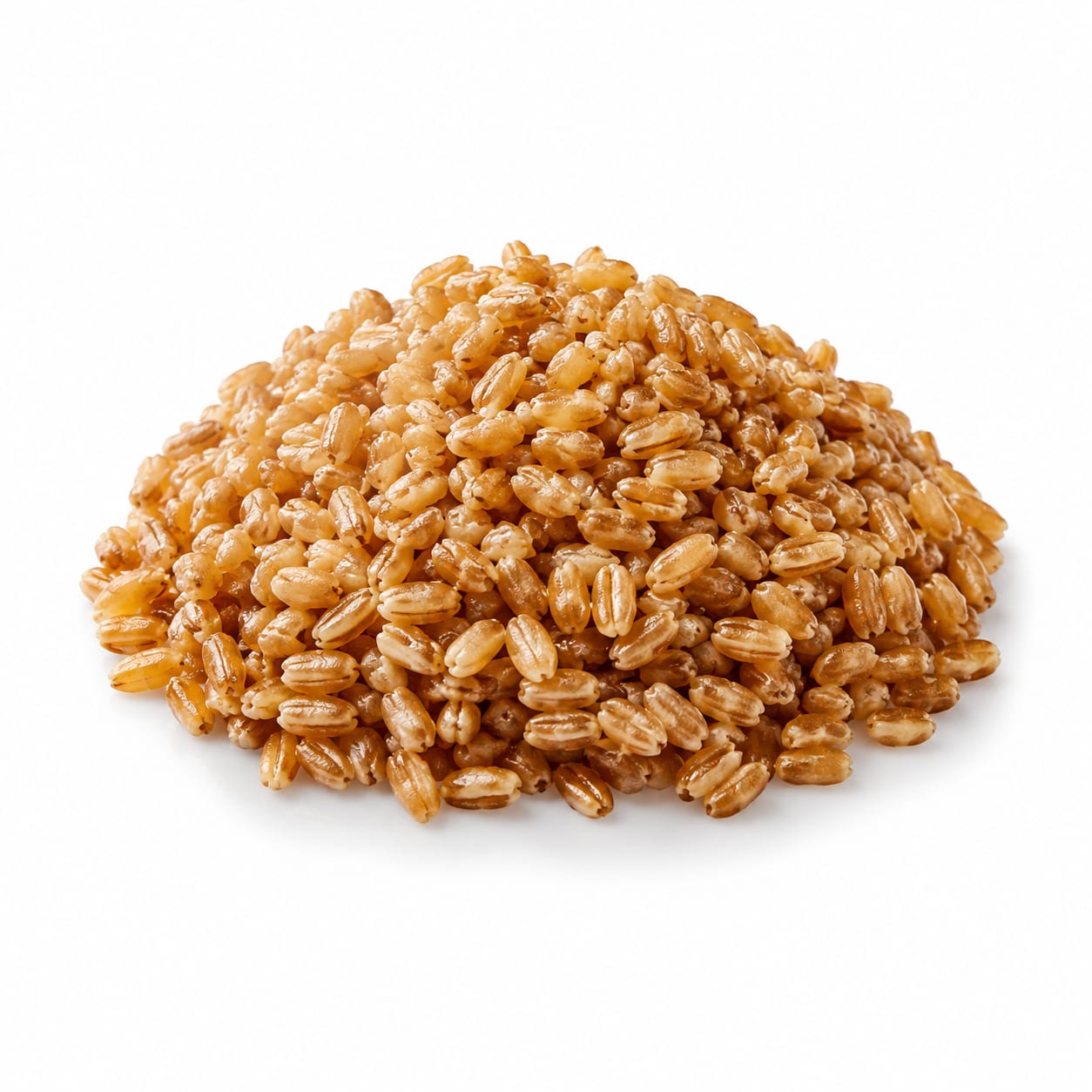
Emmer
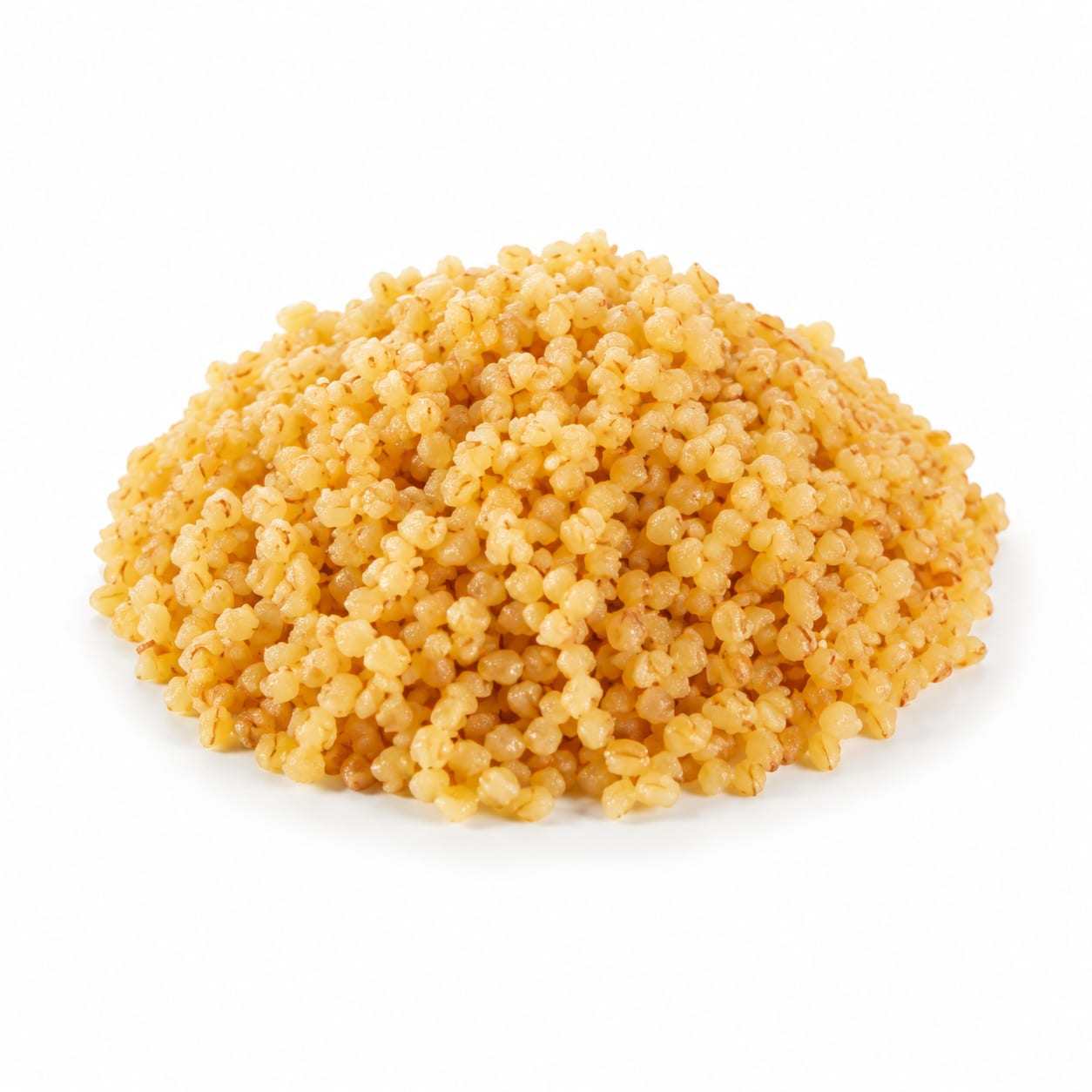
Bulgur
Emmer delivers superior nutrition but bulgur wins on convenience — your choice hinges on whether you cook for depth or speed.
Emmer scores higher on nutritional merit but bulgur's massive convenience advantage closes the gap significantly for everyday use.
Emmer offers more protein, fiber, and minerals per bite, but bulgur is ready in 12 minutes versus emmer's 45-60 minute cook time.
At a glance
Executive summary
Overall
It depends
Healthier
Emmer
More practical
Bulgur
Daily use
Bulgur
Key comparison lenses
Ancient grain vs parboiled convenience grain for everyday nutrition
Users comparing these two are usually deciding between nutritional depth and cooking practicality
Blood sugar and satiety comparison for grain choice
Both are wheat-based but differ significantly in fiber content and glycemic impact
Processing level and naturalness assessment
Emmer is a whole ancient grain while bulgur is parboiled and cracked, raising processing questions
Meal planning practicality and weeknight cooking
Cooking time difference is dramatic and affects real-world adoption
Best choice for
Emmer
- Ancient grain enthusiasts prioritizing nutrient density
- Home cooks with time for long-simmered grains
- People seeking higher protein from plant sources
- Anyone managing blood sugar who can plan ahead
Bulgur
- Busy professionals needing quick whole grains
- Meal preppers making tabbouleh or grain bowls
- Families wanting weeknight-friendly sides
- Anyone transitioning from white rice to whole grains
Least suitable for
Emmer
- Last-minute weeknight dinners
- Anyone gluten-sensitive or celiac
- Campers or backpackers needing fast fuel
Bulgur
- Those avoiding all processed wheat products
- People maximizing protein per calorie from grains
- Anyone seeking the absolute least processed option
Deep comparison
Dimension by dimension
Each lens scores both foods and breaks down who each option suits.
- Dimension 1 · Priority 95Emmer
Nutritional Density
Emmer · 88Bulgur · 72Emmer packs more protein, fiber, and minerals per serving than bulgur, making it the denser nutritional choice.
Tradeoff
You gain roughly 20-30% more protein and significantly more magnesium and zinc with emmer, but spend far longer cooking it.
Why it matters
Higher nutrient density means you get more from each bite — especially valuable if you eat grains as a primary calorie source.
Real-world impact
A bowl of emmer keeps you fuller longer and contributes more meaningfully to your daily protein target than the same volume of bulgur.
Emmer
- Athletes needing plant protein variety
- Anyone counting micronutrients carefully
- Vegetarians relying on grains for iron and zinc
Better for
- Quick lunch breaks where cooking time kills the option
Worse for
Bulgur
- Light eaters who find very dense grains too heavy
- Hot-climate meals where lighter grains feel better
Better for
- Recovery meals where maximizing protein intake matters
Worse for
- Dimension 2 · Priority 90Bulgur
Convenience and Cooking Speed
Emmer · 35Bulgur · 92Bulgur cooks in 10-15 minutes; emmer needs 45-60 minutes unless soaked overnight.
Tradeoff
Bulgur's parboiling process sacrifices some nutrients but grants near-instant grain readiness — a trade that matters daily.
Why it matters
The grain you can actually cook on a Tuesday night is the grain you'll actually eat. Convenience drives consistency.
Real-world impact
Bulgur makes whole grains realistic on weeknights. Emmer tends to become a weekend-only grain for most people.
Emmer
- Weekend meal prep sessions with time to simmer
- Slow cooker or pressure cooker recipes
Better for
- Spontaneous meals — you simply cannot rush emmer
Worse for
Bulgur
- Weeknight dinners after work
- Last-minute grain bowl assemblies
- Camping or travel cooking with limited fuel
Better for
- Ritual cooking experiences where slow preparation is the point
Worse for
- Dimension 3 · Priority 85Emmer
Blood Sugar Stability
Emmer · 82Bulgur · 75Both are moderate-to-low glycemic grains, but emmer's higher fiber and intact bran slow glucose absorption more effectively.
Tradeoff
Bulgur's parboiling gelatinizes some starch, slightly raising its glycemic response compared to fully intact emmer.
Why it matters
Steadier blood sugar means fewer energy crashes and less craving between meals.
Real-world impact
After emmer, you're less likely to feel hungry again in 90 minutes. Bulgur is still solid but slightly less protective.
Emmer
- Prediabetics optimizing every glycemic advantage
- Anyone prone to afternoon energy dips
Better for
- Scenarios where quicker energy availability is actually desired
Worse for
Bulgur
- Post-workout meals where slightly faster carb availability helps recovery
Better for
- Late-night eating where slower digestion would be preferable
Worse for
- Dimension 4 · Priority 80Emmer
Fiber and Satiety
Emmer · 85Bulgur · 73Emmer's fully intact grain structure delivers more fiber per serving, keeping you fuller for longer.
Tradeoff
Bulgur still provides respectable fiber — far more than white rice — but cannot match a truly whole ancient grain.
Why it matters
Fiber isn't just about digestion. It's the difference between a grain that satisfies and one that leaves you snacking in an hour.
Real-world impact
Emmer as a lunch base often carries you to dinner. Bulgur may need a protein or fat addition to match that staying power.
Emmer
- Weight management through high-satiety eating
- Anyone struggling with between-meal hunger
Better for
- Small appetites where dense grains feel uncomfortable
Worse for
Bulgur
- Lighter meals where you don't want to feel overly full
Better for
- Meals relying on the grain alone for fullness without added protein
Worse for
- Dimension 5 · Priority 75Emmer
Processing and Naturalness
Emmer · 90Bulgur · 65Emmer is a minimally processed whole grain. Bulgur undergoes parboiling, drying, and cracking — still clean but more handled.
Tradeoff
Bulgur's processing is what makes it convenient, and it's a traditional method, not an industrial degradation — but it is still processing.
Why it matters
Less processing generally preserves more of the grain's natural nutrient synergy and beneficial compounds.
Real-world impact
If avoiding processed foods is a priority, emmer feels more aligned. Bulgur sits in a gray area — traditionally processed but processed nonetheless.
Emmer
- Whole-food purists
- Anyone following ancestral eating principles
Better for
- No real downside here unless you find the chewy texture off-putting
Worse for
Bulgur
- Pragmatic eaters who value results over processing ideology
Better for
- Strict minimally-processed diets where parboiling feels like a compromise
Worse for
- Dimension 6 · Priority 70Bulgur
Versatility and Culinary Use
Emmer · 68Bulgur · 85Bulgur's light, fluffy texture and quick cooking make it more adaptable across dishes — salads, soups, pilafs, stuffings.
Tradeoff
Emmer has a distinctive chewy, nutty character that shines in specific dishes but is harder to swap into recipes calling for lighter grains.
Why it matters
A grain you can use ten ways gets eaten more often than one that only fits two or three recipes.
Real-world impact
Bulgur slides easily into tabbouleh, grain bowls, stuffed peppers, and breakfast porridge. Emmer excels in hearty salads and risotto-style dishes but feels wrong in delicate preparations.
Emmer
- Hearty winter grain bowls
- Risotto-style preparations where chewiness is welcome
Better for
- Delicate dishes where a lighter grain texture is expected
Worse for
Bulgur
- Fresh salads like tabbouleh
- Stuffings and kibbeh
- Quick breakfast porridge
Better for
- Dishes where a substantial, chewy bite is the whole point
Worse for
Timeline
Health impact over time
Short-term
Hours to days
Emmer
- Strong satiety from high fiber and protein — less snacking between meals
- Steady energy release without the spike-and-crash of refined grains
- Heavier digestive load initially if your body isn't used to very dense grains
Bulgur
- Quick preparation makes it easier to choose whole grains over refined options
- Moderate satiety — filling but not heavy
- Slightly faster energy availability compared to emmer, which can feel either helpful or too quick depending on context
Long-term
Months to years
Emmer
- Superior mineral intake supports bone density and immune function over decades
- High fiber intake promotes gut microbiome diversity and regular digestion
- Consistent blood sugar management reduces long-term metabolic disease risk
Bulgur
- Convenience increases likelihood of consistent whole grain consumption, which is the real long-term win
- Decent fiber still supports cardiovascular health and digestive regularity
- Slightly lower nutrient density is a minor tradeoff for the consistency advantage
Risk profile
Safety & processing
Emmer is hulled and sold as a whole berry — minimal intervention. Bulgur is parboiled, dried, and cracked, which is a traditional processing method with no artificial additives but more handling than emmer receives.
Emmer
Gluten exposure
highEmmer contains gluten. Not safe for celiacs or those with gluten sensitivity, though some find it easier to tolerate than modern wheat.
Phytic acid mineral interference
lowLike all whole grains, emmer contains phytic acid that can reduce mineral absorption. Soaking before cooking mitigates this significantly.
Bulgur
Gluten exposure
highBulgur is wheat-based and contains gluten. Completely unsuitable for celiacs or those with wheat allergies.
Cross-contamination in processing
lowCommercial bulgur may be processed on shared equipment. Those with severe allergies should verify sourcing.
Who wins for whom
Audience fit
Same foods, different winners depending on your goal.
children
BulgurBulgur's softer texture and milder flavor are more kid-friendly, and the quick cooking means you can actually serve it on school nights.
daily consumption
BulgurThe grain you can cook easily every day beats the grain that's nutritionally superior but requires an hour of planning. Consistency wins.
diabetes
EmmerEmmer's intact structure and higher fiber slow glucose absorption more effectively, providing a modest but real glycemic advantage.
elderly
BulgurBulgur is easier to chew and digest, and its convenience helps maintain consistent whole grain intake when cooking energy is limited.
muscle gain
EmmerMore protein per serving gives emmer a meaningful edge when grains contribute to daily protein targets alongside other sources.
weight loss
EmmerEmmer's higher fiber and protein create stronger satiety signals, making it easier to eat less overall without feeling deprived.
Your move
Decision guide
Choose Emmer
- You meal prep on weekends and want the most nutrient-dense grain base
- Blood sugar management is a top health priority
- You enjoy the ritual of slow cooking and the chewy, nutty texture of ancient grains
- You're looking to maximize plant protein and mineral intake from grains
Choose Bulgur
- You need whole grains to be realistic on busy weeknights
- You love Middle Eastern dishes like tabbouleh and kibbeh
- You want a lighter grain that works in salads and summer meals
- You're transitioning from white rice and need an easy entry point to whole grains
Either works if
- You tolerate gluten well and just want a wheat-based whole grain
- You're rotating grains for dietary diversity — both are solid choices
- You cook in batches and can prepare either ahead of time
Avoid both if
- You have celiac disease or non-celiac gluten sensitivity
- You're following a grain-free or paleo-style protocol
- You have a diagnosed wheat allergy
Final recommendation
Keep both in your pantry. Cook emmer on Sundays for hearty grain bowls, and use bulgur on weeknights when you need something nourishing in 15 minutes. If you must pick one, bulgur's convenience makes it the grain you'll actually eat consistently — and consistency trumps perfection every time.
Practical
Consumer tips
- 1
Soak emmer overnight to cut cooking time roughly in half and improve mineral absorption
- 2
Toast either grain in a dry pan before cooking to deepen the nutty flavor
- 3
Buy bulgur in different grinds — fine for tabbouleh, medium for pilafs, coarse for heartier dishes
- 4
If trying emmer for the first time, cook it risotto-style with broth — the chewy texture shines this way
- 5
Freeze cooked emmer in portions so you can have the nutritional benefits with weekday convenience
- 6
Rinse both grains before cooking to remove any surface debris and reduce bitterness