
Nutrition comparison
Emmer vs Buckwheat: Which Ancient Grain Is Better for You?
Compare Emmer and Buckwheat nutrition, protein, gluten content, and health benefits. Find out which grain suits your diet — gluten-free, diabetes-friendly, or protein-packed.
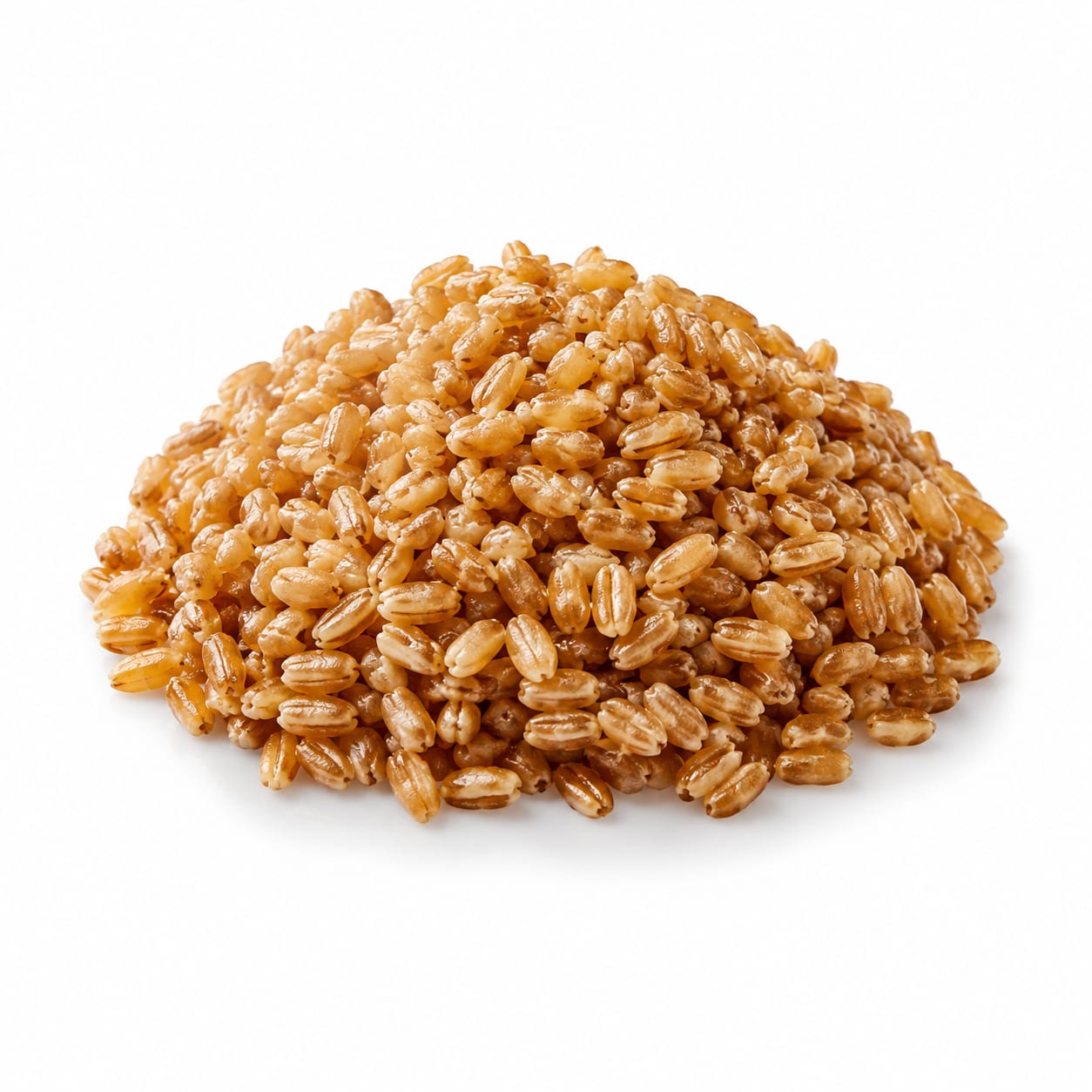
Emmer
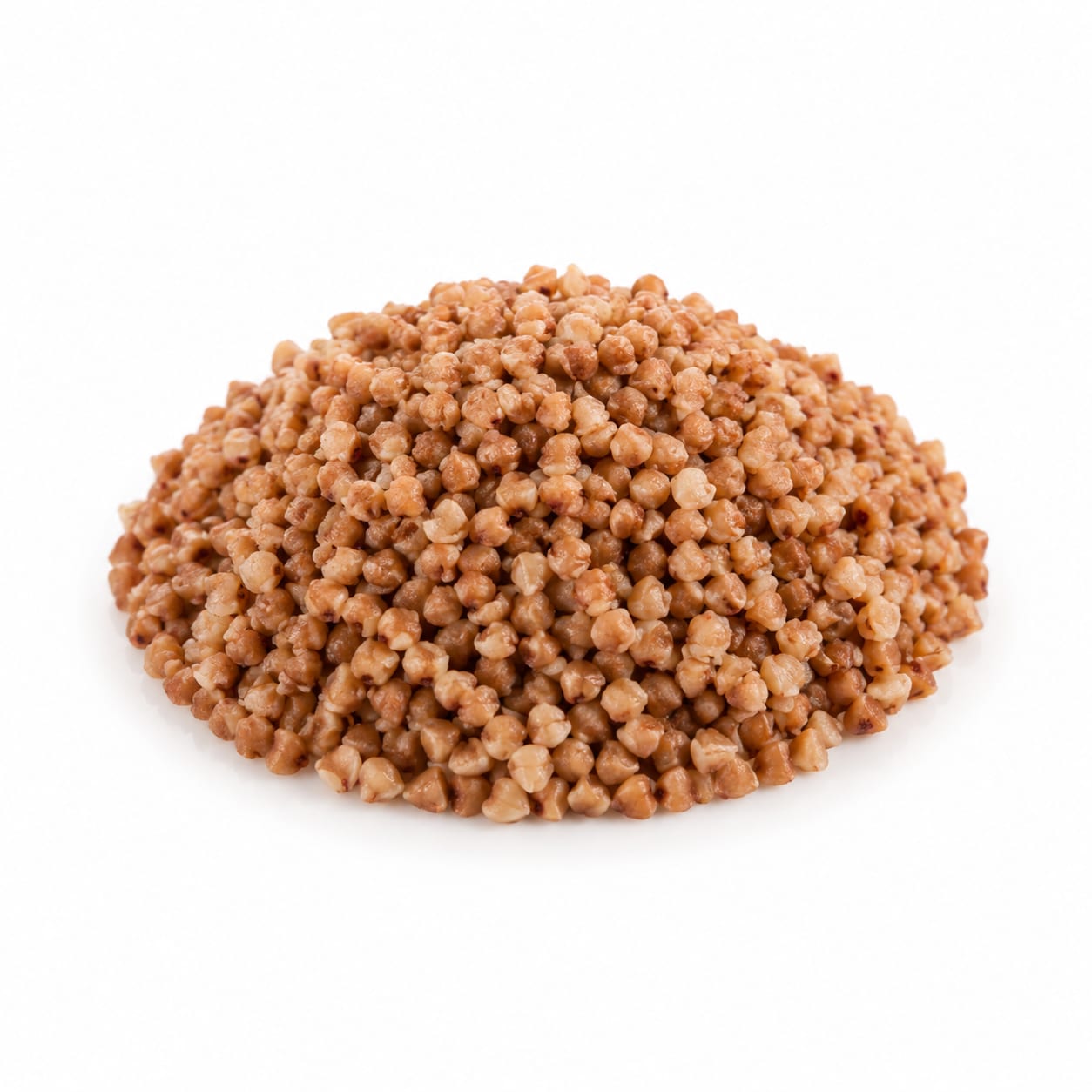
Buckwheat
Buckwheat wins for gluten-sensitive eaters and blood sugar control, while Emmer delivers more protein and a heartier, more satisfying chew for those who tolerate gluten.
Buckwheat edges ahead due to its gluten-free nature, complete protein, and lower glycemic impact. Emmer remains strong for protein quantity and mineral density but loses points for gluten content and longer cooking time.
Gluten content versus amino acid completeness — Emmer has more total protein but contains gluten, while Buckwheat is gluten-free with a rarer complete protein profile.
At a glance
Executive summary
Overall
It depends
Healthier
It depends
More practical
Buckwheat
Daily use
Buckwheat
Key comparison lenses
gluten suitability and digestive tolerance
Emmer contains gluten while Buckwheat is naturally gluten-free, making this the single most decisive factor for many consumers
ancient grain nutrition profile
Both are heritage grains prized for superior nutrition compared to modern refined grains, so users want to know which delivers more
blood sugar management
Both are complex carbohydrates but differ significantly in glycemic impact and fiber composition
protein quality for plant based diets
Buckwheat offers a rare complete amino acid profile among plant foods, while Emmer provides higher total protein
cooking convenience and versatility
Preparation time and culinary flexibility differ substantially between these grains
Best choice for
Emmer
- People who digest gluten well and want maximum protein per serving
- Those seeking a substantial, filling grain for hearty meals
- Anyone wanting higher iron and zinc intake from grains
- Cooks who enjoy traditional Mediterranean and Middle Eastern recipes
Buckwheat
- Anyone with celiac disease or gluten sensitivity
- People managing blood sugar or insulin resistance
- Those wanting a complete plant protein source
- Anyone seeking faster-cooking grain options
Least suitable for
Emmer
- People with celiac disease or non-celiac gluten sensitivity
- Anyone following a strict gluten-free diet
- Those who need quick-cooking weeknight grains
Buckwheat
- People with buckwheat allergy, which can be severe in rare cases
- Those who dislike earthy or robust flavors
- Anyone wanting a mild, neutral-tasting grain base
Deep comparison
Dimension by dimension
Each lens scores both foods and breaks down who each option suits.
- Dimension 1 · Priority 95Buckwheat
gluten_and_digestive_tolerance
Emmer · 25Buckwheat · 98Buckwheat is naturally gluten-free, making it safe for celiacs. Emmer contains gluten, though some with mild wheat sensitivity report better tolerance than with modern wheat.
Tradeoff
Emmer's gluten gives it a familiar chewy texture but excludes a significant portion of health-conscious consumers.
Why it matters
Roughly 6-7% of the population has some form of gluten sensitivity, and even those without diagnosed issues often report feeling lighter on gluten-free grains.
Real-world impact
If gluten causes bloating, brain fog, or fatigue for you, Buckwheat eliminates that concern entirely. Emmer may be gentler than modern wheat but is still off-limits for celiacs.
Emmer
- People who tolerate gluten and prefer traditional wheat-like texture
Better for
- Celiacs and the gluten-sensitive must avoid Emmer entirely
Worse for
Buckwheat
- Anyone with celiac disease or gluten intolerance
- Those who report feeling lighter without gluten
Better for
- Rare individuals with buckwheat-specific allergies
Worse for
- Dimension 2 · Priority 85It depends
protein_quality_and_completeness
Emmer · 78Buckwheat · 82Emmer has more total protein per serving, but Buckwheat provides all nine essential amino acids — rare for a plant food.
Tradeoff
Quantity versus completeness. Emmer gives you more protein grams, but Buckwheat's protein is more usable by your body without combining foods.
Why it matters
For plant-based eaters, amino acid completeness matters more than total grams because incomplete proteins require food combining to match.
Real-world impact
A bowl of Buckwheat alone covers your amino acid needs. With Emmer, you'd want to pair it with legumes or dairy for a complete profile.
Emmer
- Omnivores who already eat complete proteins and just want more total grams
- Athletes combining grains with protein-rich meals anyway
Better for
- Those relying on the grain as their primary protein source without complementary foods
Worse for
Buckwheat
- Vegans and vegetarians needing complete protein from single sources
- Anyone eating grain-only light meals
Better for
- People wanting maximum protein per calorie for muscle-building diets
Worse for
- Dimension 3 · Priority 82Buckwheat
blood sugar_stability
Emmer · 65Buckwheat · 80Buckwheat has a lower glycemic index and contains D-chiro-inositol, which improves insulin sensitivity. Emmer is moderate but higher on the glycemic scale.
Tradeoff
Emmer provides steadier energy than modern wheat but cannot match Buckwheat's active blood sugar benefits.
Why it matters
Post-meal energy crashes and long-term metabolic health both depend heavily on glycemic response.
Real-world impact
After a Buckwheat meal, you're less likely to hit that 2pm energy slump. Emmer keeps you going but with a slightly steeper rise and fall.
Emmer
- Active individuals who burn through carbohydrates quickly
Better for
- People who need tight glycemic control
Worse for
Buckwheat
- People with prediabetes or insulin resistance
- Anyone prone to afternoon energy crashes
- Those monitoring fasting blood sugar
Better for
- Endurance athletes who actually need faster carbohydrate availability
Worse for
- Dimension 4 · Priority 75Emmer
mineral_density
Emmer · 82Buckwheat · 74Emmer delivers more iron and zinc per serving, while Buckwheat excels in magnesium and copper. Both outshine modern refined grains.
Tradeoff
Iron and zinc versus magnesium and copper. Your priority depends on what you're most likely deficient in.
Why it matters
Iron deficiency is the world's most common nutrient shortfall, but magnesium deficiency is also widespread and underdiagnosed.
Real-world impact
If you're prone to low iron or vegetarian and need every milligram, Emmer helps more. If muscle cramps, sleep issues, or stress are your concerns, Buckwheat's magnesium edge matters.
Emmer
- Women prone to iron deficiency
- Vegetarians needing plant-based iron sources
- Anyone concerned about zinc intake for immunity
Better for
- Those who already have excessive iron stores
Worse for
Buckwheat
- People with muscle cramps or tension
- Those wanting better sleep support from dietary magnesium
- Anyone needing copper for connective tissue health
Better for
- People whose primary mineral concern is iron or zinc
Worse for
- Dimension 5 · Priority 72Buckwheat
antioxidant_profile
Emmer · 62Buckwheat · 85Buckwheat is exceptionally rich in rutin, a flavonoid that strengthens blood vessels and reduces inflammation. Emmer has antioxidants but less diversity and potency.
Tradeoff
Buckwheat's rutin is uniquely therapeutic for vascular health, while Emmer's antioxidants are more generic grain phenolics.
Why it matters
Rutin specifically supports capillary strength and circulation — benefits you don't easily get from other common grains.
Real-world impact
Regular Buckwheat consumption may reduce bruising, support varicose vein management, and improve circulation. Emmer offers general antioxidant support without targeted vascular benefits.
Emmer
- Those already eating a varied antioxidant-rich diet
Better for
- People specifically seeking vascular or circulation benefits from grains
Worse for
Buckwheat
- People concerned about cardiovascular health
- Anyone with circulation issues or easy bruising
- Those wanting anti-inflammatory grain options
Better for
- Those who supplement rutin separately already
Worse for
- Dimension 6 · Priority 70Buckwheat
cooking_convenience_and_versatility
Emmer · 55Buckwheat · 78Buckwheat groats cook in 15-20 minutes and work in sweet and savory dishes. Whole Emmer requires 40-60 minutes or overnight soaking.
Tradeoff
Emmer's longer cook time yields a uniquely satisfying chew, but Buckwheat fits weeknight cooking reality better.
Why it matters
The healthiest grain is the one you actually cook. Time barriers are the top reason people abandon whole grains.
Real-world impact
Buckwheat can be a spontaneous weeknight side dish. Emmer requires planning — soak it overnight or commit to an hour of simmering.
Emmer
- Weekend meal preppers who cook big batches ahead
- Slow-food enthusiasts who enjoy the cooking process
Better for
- Impulsive cooks and those short on time
- Anyone unwilling to plan grain preparation ahead
Worse for
Buckwheat
- Busy professionals needing quick weeknight options
- Anyone who wants grain ready in under 20 minutes
- People who cook both sweet and savory grain dishes
Better for
- Those who find the earthy flavor limits recipe options
Worse for
Timeline
Health impact over time
Short-term
Hours to days
Emmer
- Provides sustained energy with a satisfying, filling chew that reduces between-meal hunger
- May cause bloating or discomfort in gluten-sensitive individuals within hours
- Higher protein content supports satiety more effectively than lighter grains
Buckwheat
- Delivers steady energy with less blood sugar fluctuation than most grains
- Feels lighter in the stomach, making it comfortable before physical activity
- Rarely causes digestive upset unless you have a specific buckwheat allergy
Long-term
Months to years
Emmer
- Regular consumption supports iron stores and may reduce anemia risk over time
- Gluten exposure is ongoing — problematic for undiagnosed celiacs or the highly sensitive
- Ancient grain antioxidants contribute to general cellular protection with consistent intake
Buckwheat
- Rutin intake from regular consumption strengthens capillary walls and supports vascular health long-term
- D-chiro-inositol may improve insulin sensitivity with consistent daily intake over months
- Magnesium accumulation supports better sleep quality, muscle recovery, and stress resilience
Risk profile
Safety & processing
Both Emmer and Buckwheat are whole, minimally processed ancient grains when purchased as groats or berries. Neither typically contains additives, preservatives, or artificial ingredients. The main distinction is that Buckwheat is a pseudocereal seed while Emmer is a true cereal grain, but both are about as close to natural as grain foods get.
Emmer
gluten_exposure
highContains gluten proteins that trigger autoimmune damage in celiacs and symptoms in gluten-sensitive individuals. Not safe for any gluten-restricted diet.
cross_contamination_in_supply_chain
mediumEmmer is often processed in facilities that handle modern wheat, so purity for the highly sensitive requires certified products.
Buckwheat
buckwheat_allergy
highThough rare, buckwheat allergy can cause severe anaphylactic reactions. More common in some East Asian populations due to higher dietary exposure.
cross_contamination_with_gluten_grains
mediumMany buckwheat products are processed alongside wheat. Celiacs must look for certified gluten-free labels to ensure safety.
Who wins for whom
Audience fit
Same foods, different winners depending on your goal.
children
EmmerEmmer's milder, nuttier flavor and familiar wheat-like texture are more kid-friendly than Buckwheat's earthy taste, assuming no gluten issues.
daily consumption
BuckwheatBuckwheat's broader compatibility with dietary restrictions, faster cooking, and vascular health benefits make it more sustainable as a daily staple.
diabetes
BuckwheatBuckwheat's D-chiro-inositol actively improves insulin sensitivity, and its lower glycemic index reduces post-meal glucose spikes.
elderly
BuckwheatBuckwheat's magnesium supports bone density and sleep, rutin aids circulation, and the gluten-free nature accommodates the higher rates of gluten sensitivity in older adults.
muscle gain
EmmerEmmer provides more total protein per serving and pairs well with protein-rich meals for athletes who tolerate gluten.
weight loss
BuckwheatBuckwheat's lower glycemic index and higher fiber-to-calorie ratio support steadier energy and fewer cravings, making it easier to maintain a calorie deficit.
Your move
Decision guide
Choose Emmer
- You digest gluten without issues and want a heartier, more protein-dense grain
- Iron and zinc intake are your top mineral priorities
- You enjoy slow cooking and meal prep on weekends
- You're cooking Mediterranean, Middle Eastern, or Italian-inspired dishes
- You want a grain that feels substantial and filling in cold-weather meals
Choose Buckwheat
- You are celiac, gluten-sensitive, or cooking for someone who is
- Blood sugar management or insulin resistance is a concern
- You want a complete plant protein without food combining
- You need a grain that cooks in under 20 minutes on busy nights
- Cardiovascular and circulatory health are priorities for you
Either works if
- You're simply looking to diversify away from modern refined wheat
- You want more fiber, minerals, and satiety than white rice or pasta provide
- You're meal-prepping grains for the week and can cook both in batches
Avoid both if
- You have a specific allergy to either grain
- You're on a very low-carb or ketogenic diet, as both are carbohydrate-dense
- You require a grain that tastes completely neutral — both have distinct earthy flavors
Final recommendation
Keep both in your pantry if possible. Use Buckwheat for quick weeknight meals, blood sugar-friendly breakfasts, and gluten-free needs. Turn to Emmer when you have time for slower cooking and want a more substantial, protein-rich base for hearty dishes. If you must choose one, Buckwheat's gluten-free advantage and faster cooking make it the more versatile daily staple for most people.
Practical
Consumer tips
- 1
Buy whole Buckwheat groats, not roasted kasha, if you want the mildest flavor and most cooking flexibility
- 2
Soak Emmer overnight to cut cooking time in half and improve mineral absorption by reducing phytic acid
- 3
Always check for certified gluten-free labels on Buckwheat if you're celiac — cross-contamination with wheat is common
- 4
Toast Buckwheat groats in a dry pan for 3 minutes before cooking to deepen flavor without adding fat
- 5
Cook a large batch of Emmer on Sunday and refrigerate — it reheats well and saves time all week
- 6
Try Buckwheat as a hot breakfast porridge with cinnamon and berries for a blood sugar-friendly morning meal
- 7
If new to Emmer, start by mixing it 50/50 with rice or quinoa to adjust to its chewier texture