
Nutrition comparison
Emmer vs Brown Rice: Which Ancient Grain Is Healthier?
Compare Emmer and brown rice on protein, fiber, arsenic risk, gluten, and blood sugar impact. Find out which whole grain is better for your health goals.
Overall winner · Emmer
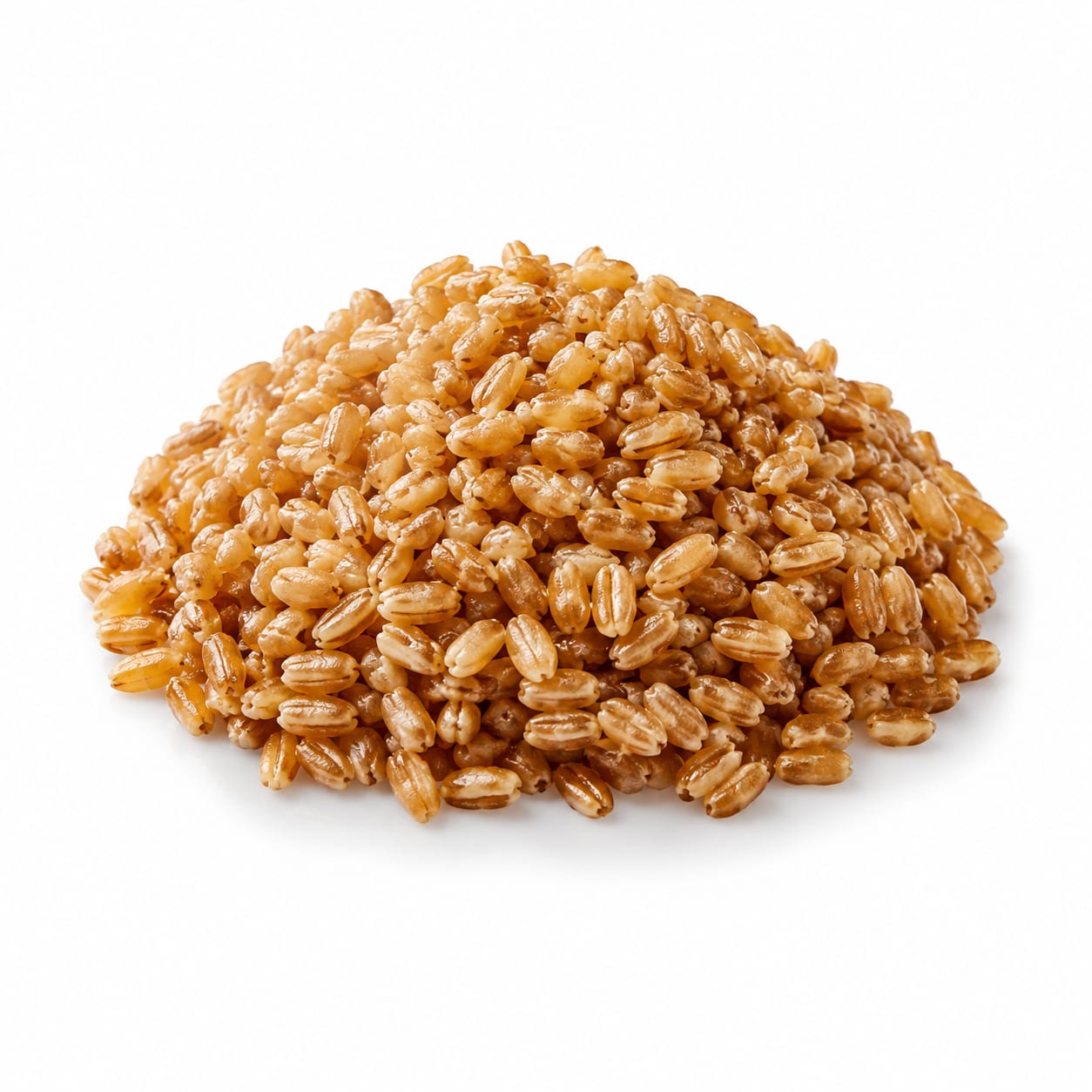
Emmer
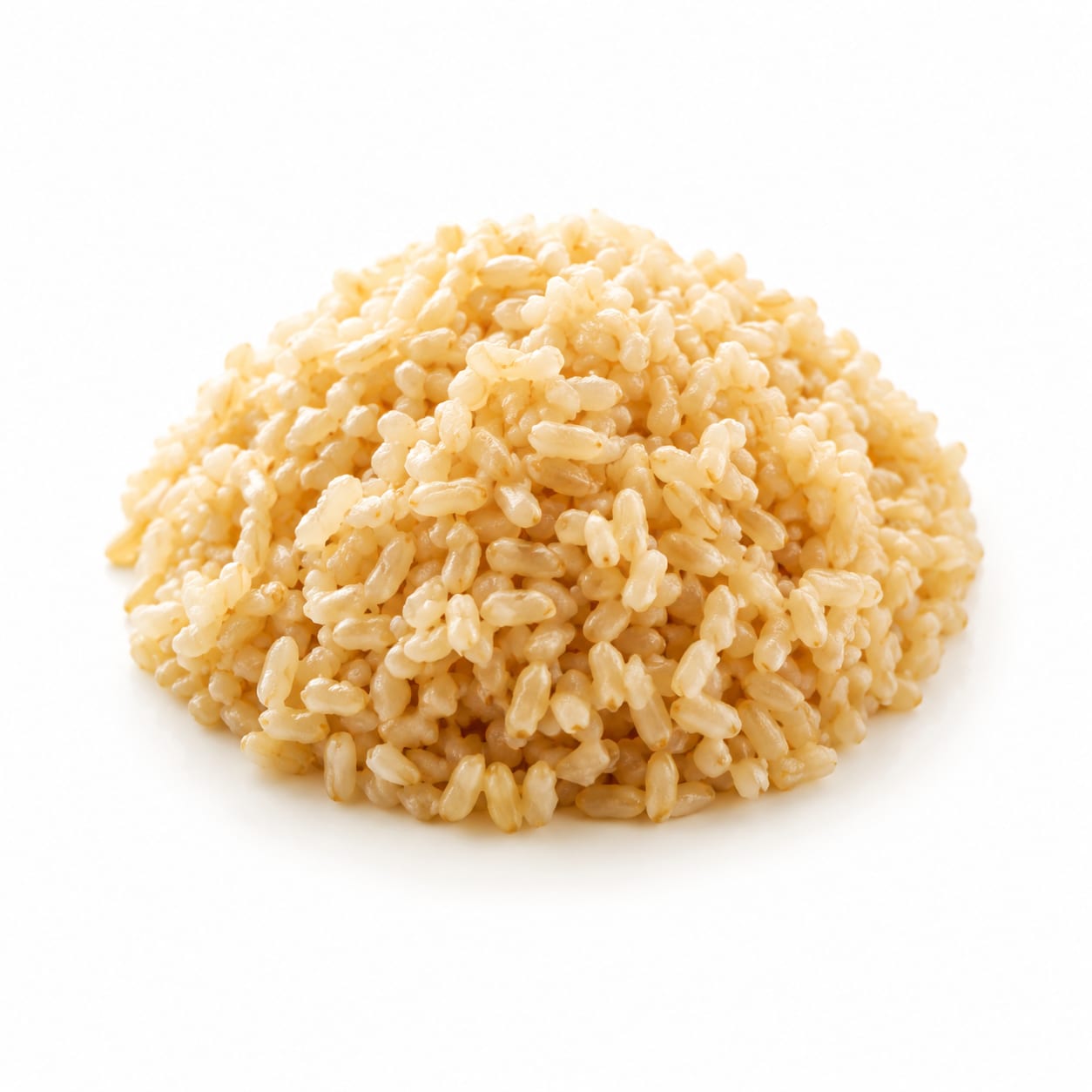
Brown Rice
Emmer wins on protein, fiber, micronutrients, and safety, but brown rice wins on accessibility and gluten-free compatibility.
Emmer scores higher due to its protein advantage, richer micronutrient profile, and absence of arsenic risk. Brown rice remains solid but loses ground on protein density and contamination concerns. The gap narrows significantly for gluten-sensitive individuals.
Emmer delivers superior nutrition and no arsenic concerns, but brown rice is far more convenient and safe for anyone avoiding gluten.
At a glance
Executive summary
Overall
Emmer
Healthier
Emmer
More practical
Brown Rice
Daily use
It depends
Key comparison lenses
ancient grain vs staple grain nutrition
Users comparing these grains want to know if the ancient grain hype is real versus a familiar staple
gluten tolerance and digestive fit
Emmer contains gluten while brown rice is naturally gluten-free, a decisive factor for many consumers
blood sugar and satiety
Both are whole grains but differ significantly in protein and fiber, affecting fullness and energy stability
contamination and safety concerns
Brown rice carries well-documented arsenic risks that Emmer does not
practical availability and cooking
Brown rice is everywhere and easy; Emmer requires specialty sourcing and longer cooking
Best choice for
Emmer
- People seeking higher protein from grains
- Those concerned about arsenic in rice
- Anyone wanting steadier blood sugar and longer-lasting fullness
- Nutrient-density maximizers
Brown Rice
- People with celiac disease or gluten sensitivity
- Anyone who needs a grain available at any grocery store
- Meal preppers wanting faster cooking times
- Those on a tight budget
Least suitable for
Emmer
- Anyone with celiac disease or wheat allergy
- People who need quick-cooking weeknight staples
- Those in areas where specialty grains are unavailable
Brown Rice
- People worried about heavy metal exposure
- Those wanting higher protein from their grain base
- Infants and young children due to arsenic concerns
Deep comparison
Dimension by dimension
Each lens scores both foods and breaks down who each option suits.
- Dimension 1 · Priority 92Emmer
Protein Content and Quality
Emmer · 85Brown Rice · 55Emmer provides roughly 40-50% more protein per serving than brown rice, making it meaningfully more filling and supportive of muscle maintenance.
Tradeoff
You gain protein with Emmer but must tolerate gluten to access it.
Why it matters
Higher protein grains reduce the need to add separate protein sources, simplifying meals and improving satiety without extra calories.
Real-world impact
A bowl of Emmer keeps you full longer between meals compared to the same portion of brown rice, reducing snack cravings.
Emmer
- Athletes needing plant protein support
- Anyone trying to stay full on fewer calories
Better for
- People with wheat allergies or celiac disease
Worse for
Brown Rice
- Those who pair grains with abundant protein sources already
Better for
- Vegetarians relying on grains as a protein anchor
Worse for
- Dimension 2 · Priority 88Emmer
Fiber and Digestive Satiety
Emmer · 82Brown Rice · 68Emmer edges out brown rice on total fiber and provides more soluble fiber, which slows digestion more effectively.
Tradeoff
Emmer's extra fiber is great for fullness but may cause bloating if your gut is not used to high-fiber ancient grains.
Why it matters
More soluble fiber means steadier blood sugar and a longer feeling of satisfaction after eating.
Real-world impact
You are less likely to experience an afternoon energy crash after a lunch built on Emmer versus brown rice.
Emmer
- People managing blood sugar swings
- Those wanting to reduce between-meal snacking
Better for
- Anyone rapidly increasing fiber intake without adjustment
Worse for
Brown Rice
- People with sensitive digestion who need gentler fiber
Better for
- Those needing maximum satiety from their grain choice
Worse for
- Dimension 3 · Priority 85Emmer
Micronutrient Density
Emmer · 80Brown Rice · 60Emmer delivers more iron, magnesium, zinc, and B vitamins than brown rice, reflecting its ancient grain heritage.
Tradeoff
Emmer's mineral advantage is real but brown rice still provides decent manganese and selenium.
Why it matters
Iron and magnesium are commonly deficient, and getting more from your grain base reduces reliance on supplements.
Real-world impact
Choosing Emmer as your everyday grain subtly supports energy metabolism and immune function over months.
Emmer
- Women prone to iron deficiency
- Anyone wanting to maximize nutrient density per calorie
Better for
- People with hemochromatosis who need to limit iron
Worse for
Brown Rice
- Those who already eat a varied, nutrient-rich diet
Better for
- Those relying on grains as a primary mineral source
Worse for
- Dimension 4 · Priority 82Emmer
Contamination and Safety
Emmer · 88Brown Rice · 55Brown rice is a known accumulator of inorganic arsenic, while Emmer carries no comparable heavy metal concern.
Tradeoff
Arsenic risk in brown rice is manageable with rinsing and cooking methods, but it never fully goes away.
Why it matters
Long-term arsenic exposure is linked to cancer and cardiovascular risk, especially concerning for children and frequent rice eaters.
Real-world impact
If you eat rice daily, switching some meals to Emmer meaningfully reduces your cumulative heavy metal exposure.
Emmer
- Families with young children
- Daily grain eaters concerned about long-term exposure
Better for
- No significant contamination downside
Worse for
Brown Rice
- Occasional rice consumers for whom arsenic risk is minimal
Better for
- People eating rice multiple times per day
- Parents feeding rice-heavy diets to toddlers
Worse for
- Dimension 5 · Priority 90Brown Rice
Gluten Compatibility
Emmer · 20Brown Rice · 100Brown rice is naturally gluten-free, making it safe for celiacs and those with gluten sensitivity. Emmer is a wheat species and contains gluten.
Tradeoff
If you must avoid gluten, brown rice is the clear and safe choice with no workaround.
Why it matters
For roughly 5-7% of the population, gluten causes real health problems ranging from celiac damage to IBS-like symptoms.
Real-world impact
One serving of Emmer can trigger symptoms lasting days for someone with celiac disease, while brown rice causes zero issues.
Emmer
- No one who must avoid gluten
Better for
- All gluten-avoidant individuals
Worse for
Brown Rice
- Anyone with celiac disease
- People with non-celiac gluten sensitivity
- Households cooking for mixed dietary needs including gluten-free
Better for
- No downside on gluten compatibility
Worse for
- Dimension 6 · Priority 75Brown Rice
Convenience and Availability
Emmer · 40Brown Rice · 90Brown rice is available everywhere, inexpensive, and familiar. Emmer requires specialty stores or online ordering and costs notably more.
Tradeoff
You pay a real premium in money and effort to access Emmer's nutritional advantages.
Why it matters
The healthiest grain only matters if you can actually buy and cook it regularly without friction.
Real-world impact
On a busy Tuesday night, brown rice is a 20-minute side dish. Emmer may require 40-60 minutes and a trip to a specialty store.
Emmer
- Meal preppers who cook large batches once a week
- Enthusiasts near specialty grocers or with online access
Better for
- Last-minute cooks
- Rural shoppers without specialty store access
Worse for
Brown Rice
- Busy families needing quick staples
- Budget-conscious shoppers
- Anyone in areas with limited specialty food access
Better for
- No real convenience downside
Worse for
- Dimension 7 · Priority 83Emmer
Blood Sugar Stability
Emmer · 78Brown Rice · 62Emmer's higher protein and soluble fiber content slows glucose absorption more effectively than brown rice.
Tradeoff
Neither grain is a low-glycemic powerhouse, but Emmer provides a meaningfully gentler blood sugar curve.
Why it matters
Steadier blood sugar means fewer energy dips, less cravings, and better long-term metabolic health.
Real-world impact
After an Emmer-based meal, you are less likely to feel that sleepy slump that sometimes follows a rice-heavy lunch.
Emmer
- People with prediabetes or insulin resistance
- Anyone prone to post-meal energy crashes
Better for
- No meaningful downside for blood sugar
Worse for
Brown Rice
- Athletes who actually want faster carb availability post-workout
Better for
- Those monitoring glycemic load closely
Worse for
Timeline
Health impact over time
Short-term
Hours to days
Emmer
- More sustained energy after meals due to higher protein and fiber
- Potentially more bloating if transitioning suddenly from refined grains
- Greater satiety reducing between-meal hunger
Brown Rice
- Gentler on digestion for gluten-sensitive individuals
- Faster energy availability which can help post-workout recovery
- Possible mild blood sugar spike compared to Emmer
Long-term
Months to years
Emmer
- Better mineral status over time, particularly iron and magnesium
- Lower cumulative heavy metal exposure compared to regular rice consumption
- Potential for improved metabolic markers from higher protein and fiber intake
- No benefit for those with celiac or gluten sensitivity; active harm if consumed
Brown Rice
- Accumulating arsenic exposure if consumed very frequently, especially from certain regions
- Decent manganese and selenium intake supporting bone and thyroid health
- Safe long-term option for gluten-free diets when rotated with other grains
- Lower protein contribution may require more intentional protein sourcing elsewhere
Risk profile
Safety & processing
Both Emmer and brown rice are whole, minimally processed grains with no artificial additives. Emmer's ancient grain status means it has undergone less breeding modification over millennia, which appeals to those seeking less-altered food, though both are genuinely whole foods.
Emmer
Gluten exposure for sensitive individuals
highEmmer is a wheat species containing gluten. For anyone with celiac disease, even trace exposure causes intestinal damage. Not suitable for gluten-free diets under any circumstances.
Pesticide residue
lowConventionally grown Emmer may carry pesticide residues, but this is comparable to other wheat products and manageable with organic sourcing.
Brown Rice
Inorganic arsenic accumulation
mediumBrown rice accumulates more arsenic than most grains because rice grows in flooded conditions. Risk is higher for daily consumers and children. Rinsing thoroughly and cooking in excess water reduces but does not eliminate arsenic.
Pesticide residue
lowConventional brown rice may carry pesticide residues. Organic options reduce this concern significantly.
Who wins for whom
Audience fit
Same foods, different winners depending on your goal.
children
It dependsEmmer wins on nutrition and arsenic safety, but brown rice wins if the child has gluten sensitivity. For most children without gluten issues, Emmer is the better choice.
daily consumption
It dependsEmmer is nutritionally superior for daily use, but only if you tolerate gluten. Brown rice is the realistic daily staple for gluten-free households.
diabetes
EmmerEmmer's slower glucose release and higher fiber make it gentler on blood sugar, though portion control matters for both.
elderly
It dependsEmmer provides more iron and magnesium which elderly people often lack, but brown rice is easier to digest and safer for those with gluten sensitivity.
muscle gain
EmmerEmmer provides significantly more protein per serving, supporting muscle maintenance alongside other protein sources.
weight loss
EmmerEmmer's higher protein and fiber create stronger satiety signals, helping you eat less overall without feeling deprived.
Your move
Decision guide
Choose Emmer
- You tolerate gluten and want the most nutrient-dense whole grain option
- You eat grains frequently and want to minimize arsenic exposure
- You struggle with post-meal energy crashes and want steadier fuel
- You are willing to source specialty grains and cook longer for better nutrition
Choose Brown Rice
- You have celiac disease, gluten sensitivity, or cook for someone who does
- You need an affordable, widely available grain you can find at any store
- You want a quick-cooking grain for busy weeknights
- You are an athlete who benefits from faster carbohydrate availability
Either works if
- You already eat a varied diet with multiple grain types throughout the week
- You are rotating grains to avoid overexposure to any single food
- You want a simple whole grain side dish and both are available
Avoid both if
- You are on a strict low-carb or ketogenic diet
- You have severe grain allergies beyond gluten
- You are looking for a high-protein food and expecting either grain to be sufficient alone
Final recommendation
If gluten is not a concern, Emmer is the nutritionally stronger choice with better protein, fiber, minerals, and no arsenic risk. If you need gluten-free, brown rice is perfectly fine in moderation, especially if you rinse it well and rotate it with other gluten-free grains like quinoa or millet to limit arsenic exposure. The best approach for most people is rotating both based on what your body tolerates and what your week demands.
Practical
Consumer tips
- 1
Rinse brown rice thoroughly and cook in excess water (6:1 ratio), then drain, to reduce arsenic by up to 50%
- 2
Soak Emmer overnight to cut cooking time from 60 minutes down to about 30 minutes
- 3
Buy organic brown rice from regions with lower arsenic soil levels, such as California rather than the southern US
- 4
Cook a large batch of Emmer on Sunday and refrigerate portions for quick use throughout the week
- 5
Rotate your grains: try Emmer some days, brown rice others, and mix in quinoa, millet, or buckwheat for variety and risk reduction
- 6
If switching to Emmer from refined grains, increase your water intake to help your digestive system adjust to the fiber jump