
Nutrition comparison
Emmer vs Barley: Which Ancient Grain Is Healthier?
Compare emmer and barley on protein, fiber, blood sugar impact, and heart health. Learn which grain is better for your specific health goals and when to choose each.
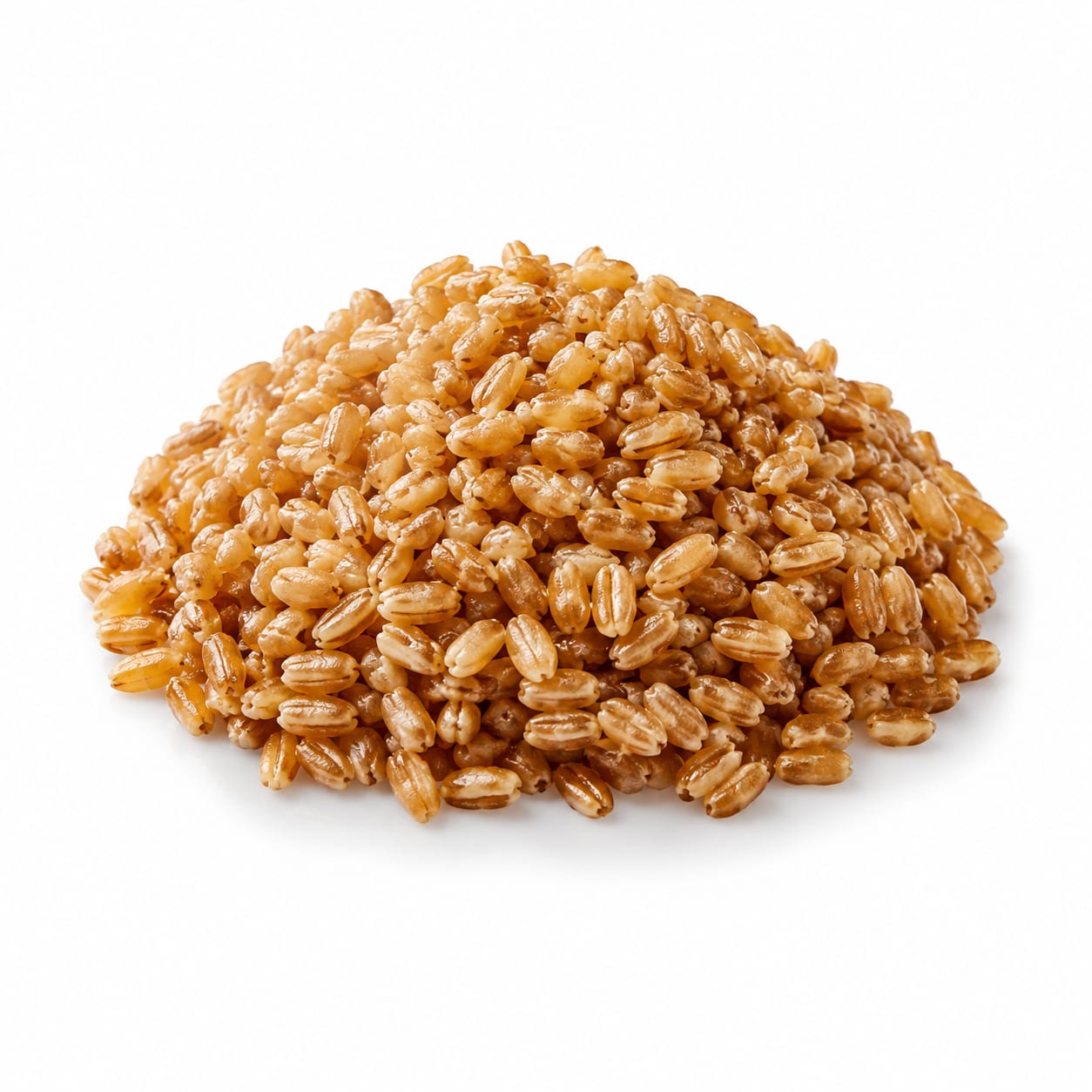
Emmer
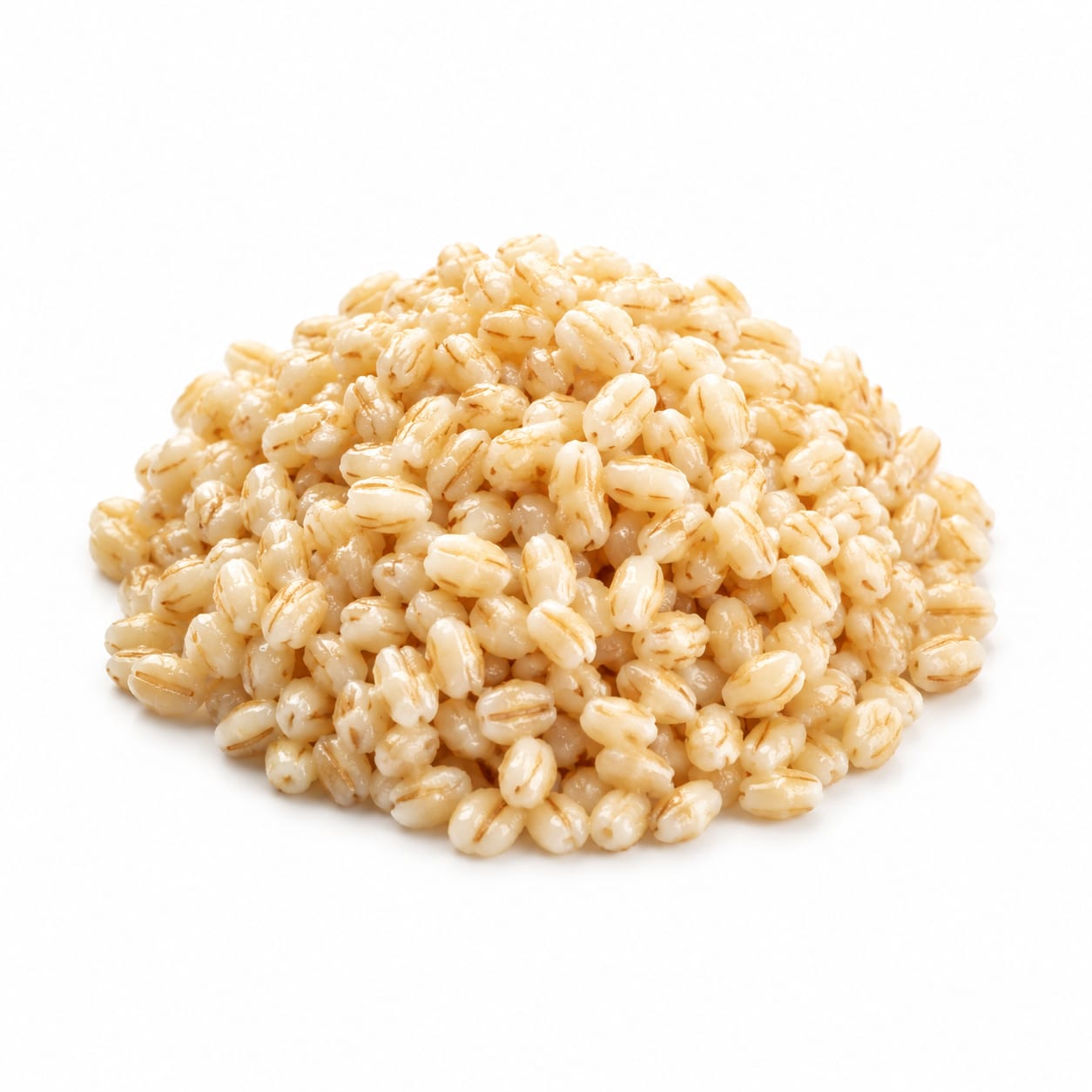
Barley
Emmer wins on protein and micronutrient density; barley wins on heart health and blood sugar control. Your priority determines the winner.
Barley edges ahead due to its clinically proven beta-glucan benefits for heart health and blood sugar, plus wider availability and lower cost. Emmer scores well on protein and micronutrients but loses ground on practicality and the sheer depth of evidence supporting barley's health claims.
Emmer delivers more protein and a richer nutrient profile, but barley's soluble fiber makes it significantly better for cholesterol and blood sugar management.
At a glance
Executive summary
Overall
It depends
Healthier
It depends
More practical
Barley
Daily use
Barley
Key comparison lenses
Ancient grain nutritional superiority
Both are heritage grains often chosen as alternatives to modern wheat, so users want to know which delivers more nutrition per bite
Blood sugar and diabetes management
Barley's beta-glucan content makes it a blood sugar powerhouse, while emmer's lower glycemic index also appeals to glucose-conscious eaters
Heart health and cholesterol
Barley is clinically recognized for cholesterol-lowering beta-glucan, a major decision factor for cardiovascular health
Practical availability and cooking convenience
Emmer is harder to find and more expensive, while barley is widely available and affordable
Protein quality for plant-based diets
Emmer offers notably higher protein, relevant for vegetarians and vegans seeking grain-based protein
Best choice for
Emmer
- Plant-based eaters needing more protein from grains
- People seeking nutrient-dense ancient grains with higher mineral content
- Those wanting a chewier, more satisfying grain bowl base
- Anyone avoiding overly processed grains who values minimal refinement
Barley
- People managing high cholesterol or heart disease risk
- Diabetics or pre-diabetics focused on blood sugar stability
- Budget-conscious shoppers wanting maximum health value per dollar
- Anyone wanting a widely available, easy-to-cook whole grain
Least suitable for
Emmer
- Celiacs or those with gluten sensitivity (contains gluten)
- Budget-limited households (significantly more expensive)
- People who need quick-cooking grains for weeknight meals
Barley
- Celiacs or those with gluten sensitivity (contains gluten)
- People prioritizing high protein intake from grain sources
- Those who dislike the softer, slightly slimy texture of cooked barley
Deep comparison
Dimension by dimension
Each lens scores both foods and breaks down who each option suits.
- Dimension 1 · Priority 95Barley
Fiber Quality and Heart Health Impact
Emmer · 68Barley · 93Barley is one of the richest grain sources of beta-glucan, a soluble fiber clinically proven to lower LDL cholesterol. Emmer has good fiber but lacks this specific heart-protective compound in comparable amounts.
Tradeoff
Emmer offers more insoluble fiber which supports digestion and regularity, but barley's soluble fiber actively reduces cholesterol in a way emmer cannot match.
Why it matters
If heart health is your priority, this is not a close contest. Barley's beta-glucan has FDA-backed health claims for reducing heart disease risk.
Real-world impact
Eating barley regularly can meaningfully lower cholesterol numbers over months. Emmer keeps you regular but won't move the needle on your lipid panel the same way.
Emmer
- Digestive regularity and gut motility
- Feeling physically full from insoluble fiber bulk
Better for
- Cholesterol-lowering effects
Worse for
Barley
- Lowering LDL cholesterol
- Reducing heart disease risk
- Feeding beneficial gut bacteria with soluble fiber
Better for
- Providing roughage-style digestive bulk
Worse for
- Dimension 2 · Priority 90Barley
Blood Sugar Stability
Emmer · 72Barley · 88Barley's beta-glucan forms a gel in the gut that slows glucose absorption, creating steadier blood sugar responses. Emmer has a lower glycemic index than modern wheat but lacks barley's dramatic glucose-blunting effect.
Tradeoff
Emmer is still a strong choice compared to most refined grains, but barley is in a different league for glycemic control.
Why it matters
For anyone monitoring blood sugar, the difference between a grain that moderately helps and one that actively flattens glucose spikes is significant.
Real-world impact
A barley-based meal keeps blood sugar steadier for hours. Emmer is still far better than white rice or bread, but you may notice more of an energy rise and fall.
Emmer
- Lower glycemic impact than modern wheat varieties
Better for
- Less effective at blunting glucose spikes
Worse for
Barley
- Clinically demonstrated blood sugar flattening
- Better for diabetic meal planning
- Longer-lasting satiety between meals
Better for
- None significant for this dimension
Worse for
- Dimension 3 · Priority 82Emmer
Protein Content and Quality
Emmer · 86Barley · 62Emmer contains roughly 40% more protein than barley per serving, making it one of the higher-protein ancient grains. Barley's protein content is modest and less notable among whole grains.
Tradeoff
You gain meaningful protein with emmer but sacrifice the soluble fiber benefits that make barley unique.
Why it matters
For plant-based eaters or anyone trying to hit protein targets without animal sources, emmer's protein advantage is a real daily contributor.
Real-world impact
A cup of cooked emmer adds noticeably more protein to a grain bowl than the same amount of barley, which matters when every gram counts toward your daily goal.
Emmer
- Higher total protein per serving
- More useful for plant-based protein stacking
- Better amino acid profile than barley
Better for
- Still not a complete protein source
Worse for
Barley
- None for this dimension
Better for
- Lower protein makes it less useful as a protein contributor in meals
Worse for
- Dimension 4 · Priority 78Emmer
Micronutrient Density
Emmer · 84Barley · 71Emmer retains higher levels of magnesium, zinc, iron, and B vitamins compared to barley, especially in its minimally processed hulled form. Barley loses nutrients when pearled, which is the most common form sold.
Tradeoff
Emmer's nutrient advantage shrinks if you compare hulled emmer to hulled barley, but most barley sold is pearled, which strips away much of the mineral content.
Why it matters
If you eat grains as a mineral source, emmer delivers more per calorie. But if your barley is hulled rather than pearled, the gap narrows considerably.
Real-world impact
Over time, consistently choosing emmer means slightly better intake of iron and zinc, which matters for energy and immune function.
Emmer
- Higher iron and zinc content
- More magnesium per serving
- Better B vitamin retention in common forms
Better for
- None significant for this dimension
Worse for
Barley
- More selenium in some varieties
Better for
- Pearled barley loses significant mineral content during processing
Worse for
- Dimension 5 · Priority 75Barley
Availability and Practicality
Emmer · 45Barley · 88Barley is available in nearly every grocery store at low cost. Emmer is a specialty grain requiring health food stores or online ordering, often at two to three times the price.
Tradeoff
Barley's accessibility makes it easy to eat consistently, while emmer's scarcity makes regular consumption harder to sustain.
Why it matters
The healthiest grain only works if you actually buy and cook it. Barley's convenience advantage is real for busy households.
Real-world impact
You can grab barley at any supermarket for a few dollars. Emmer might require a specialty trip or shipping wait, which means you cook it less often.
Emmer
- Feels special and artisanal, which some people enjoy
Better for
- Hard to find in regular stores
- Expensive for regular use
- Longer cooking time unless soaked overnight
Worse for
Barley
- Available everywhere
- Much more affordable
- Easier to incorporate into weekly meal prep
- Faster cooking when using pearled variety
Better for
- None significant for this dimension
Worse for
- Dimension 6 · Priority 70It depends
Digestive Tolerance
Emmer · 72Barley · 70Both grains contain gluten and are unsuitable for celiacs. Barley's beta-glucan can cause bloating in sensitive people unused to high soluble fiber. Emmer's gluten is structurally different from modern wheat and some find it easier to digest, though it is not safe for celiacs.
Tradeoff
Emmer may be gentler for those with mild wheat sensitivity, while barley's soluble fiber is great for most guts but can cause gas during adjustment.
Why it matters
Digestive comfort determines whether you keep eating a grain long-term. Both require some adaptation for new users.
Real-world impact
If regular wheat bothers your stomach, emmer might feel easier. If you are new to high-fiber grains, start with small barley portions to avoid bloating.
Emmer
- Some people with mild wheat sensitivity report better tolerance
- Less likely to cause soluble fiber bloating
Better for
- Still contains gluten, unsafe for celiacs
Worse for
Barley
- Soluble fiber feeds beneficial gut bacteria over time
- Promotes healthier gut microbiome with regular consumption
Better for
- Beta-glucan can cause gas and bloating initially
- Unsafe for celiacs
Worse for
Timeline
Health impact over time
Short-term
Hours to days
Emmer
- Steady energy release without sharp blood sugar spikes
- Good satiety from protein and fiber combination
- May feel easier to digest than modern wheat for some people
Barley
- Noticeable fullness from soluble fiber expanding in the gut
- Flatter blood sugar curve after meals
- Possible bloating or gas if you increase intake too quickly
Long-term
Months to years
Emmer
- Better mineral intake supports energy and immune function over time
- Higher protein contributes to muscle maintenance in aging adults
- Ancient grain diversity may support a more varied gut microbiome
Barley
- Clinically meaningful LDL cholesterol reduction with regular consumption
- Improved insulin sensitivity and lower diabetes risk
- Stronger gut microbiome from consistent soluble fiber intake
Risk profile
Safety & processing
Both grains are naturally whole foods when purchased in hulled form. However, pearled barley is more processed than hulled barley, with bran removed. Emmer is typically sold as farro in semi-pearled or whole form. For maximum nutrition, choose hulled barley and whole emmer.
Emmer
Gluten exposure for celiacs
highEmmer contains gluten and is absolutely unsafe for anyone with celiac disease or serious gluten intolerance.
Cross-contamination in supply chain
lowAs a specialty grain, emmer may be processed on shared equipment with modern wheat, which matters for highly sensitive individuals.
Barley
Gluten exposure for celiacs
highBarley contains gluten and is unsafe for celiacs. It is actually one of the three primary gluten grains alongside wheat and rye.
Mycotoxin contamination
lowBarley can occasionally carry mycotoxins from fungal growth in storage, though this is well-regulated in commercial supply chains.
Who wins for whom
Audience fit
Same foods, different winners depending on your goal.
children
BarleyBarley is milder, softer when cooked, and easier for kids to chew and digest. Its neutral flavor works well in soups and porridges children enjoy.
daily consumption
BarleyBarley's affordability, availability, and broader health evidence make it more sustainable as a daily staple grain.
diabetes
BarleyBarley's clinically demonstrated ability to flatten blood sugar spikes makes it the superior choice for diabetic or pre-diabetic meal planning.
elderly
BarleyBarley's cholesterol-lowering and blood sugar benefits directly address the cardiovascular and metabolic concerns most relevant to older adults.
muscle gain
EmmerEmmer's higher protein content makes it a better grain choice when supporting muscle maintenance, especially in plant-based diets.
weight loss
BarleyBarley's beta-glucan creates stronger and longer-lasting fullness, which helps control overall calorie intake more effectively than emmer's protein advantage.
Your move
Decision guide
Choose Emmer
- You prioritize protein intake and want a grain that contributes meaningfully to daily targets
- You value nutrient density and want maximum minerals per calorie
- You enjoy chewier, nuttier grains and are willing to seek out specialty ingredients
- You have mild wheat sensitivity and want to test if an ancient grain feels better
Choose Barley
- Heart health or cholesterol management is a top priority
- You want the best grain for blood sugar control
- You need an affordable, accessible whole grain for everyday cooking
- You are building a sustainable long-term eating pattern and need practicality on your side
Either works if
- You just want a nutritious whole grain and both are available
- You are rotating grains for dietary diversity, which is an excellent strategy
- You have no specific health condition driving the choice
Avoid both if
- You have celiac disease or confirmed gluten intolerance
- You are following a strict grain-free or paleo protocol
- You cannot tolerate high-fiber foods due to digestive conditions like IBD flares
Final recommendation
For most people, barley is the more practical and evidence-backed daily choice, especially if heart health or blood sugar management matters to you. Emmer is worth seeking out if you want higher protein from your grains or enjoy cooking with ancient varieties. The ideal approach is rotating both: barley for its soluble fiber benefits, emmer for its protein and mineral density.
Practical
Consumer tips
- 1
If buying barley, choose hulled barley over pearled barley to retain the bran layer and maximum nutrients
- 2
Soak emmer overnight to reduce cooking time from 60 minutes to about 25 minutes
- 3
Start with small barley portions if you are new to high-fiber grains to avoid bloating
- 4
Use emmer in grain bowls and salads where its chewy texture shines, and barley in soups and stews where its thickening quality is an asset
- 5
Store both grains in airtight containers in a cool, dark place to prevent rancidity of the natural oils in the bran