
Nutrition comparison
Duck Egg vs Salmon Fillet: Nutrition, Health Benefits & Tradeoffs
Comparing duck eggs and salmon fillet? Discover which is better for heart health, brain function, weight loss, and daily nutrition.
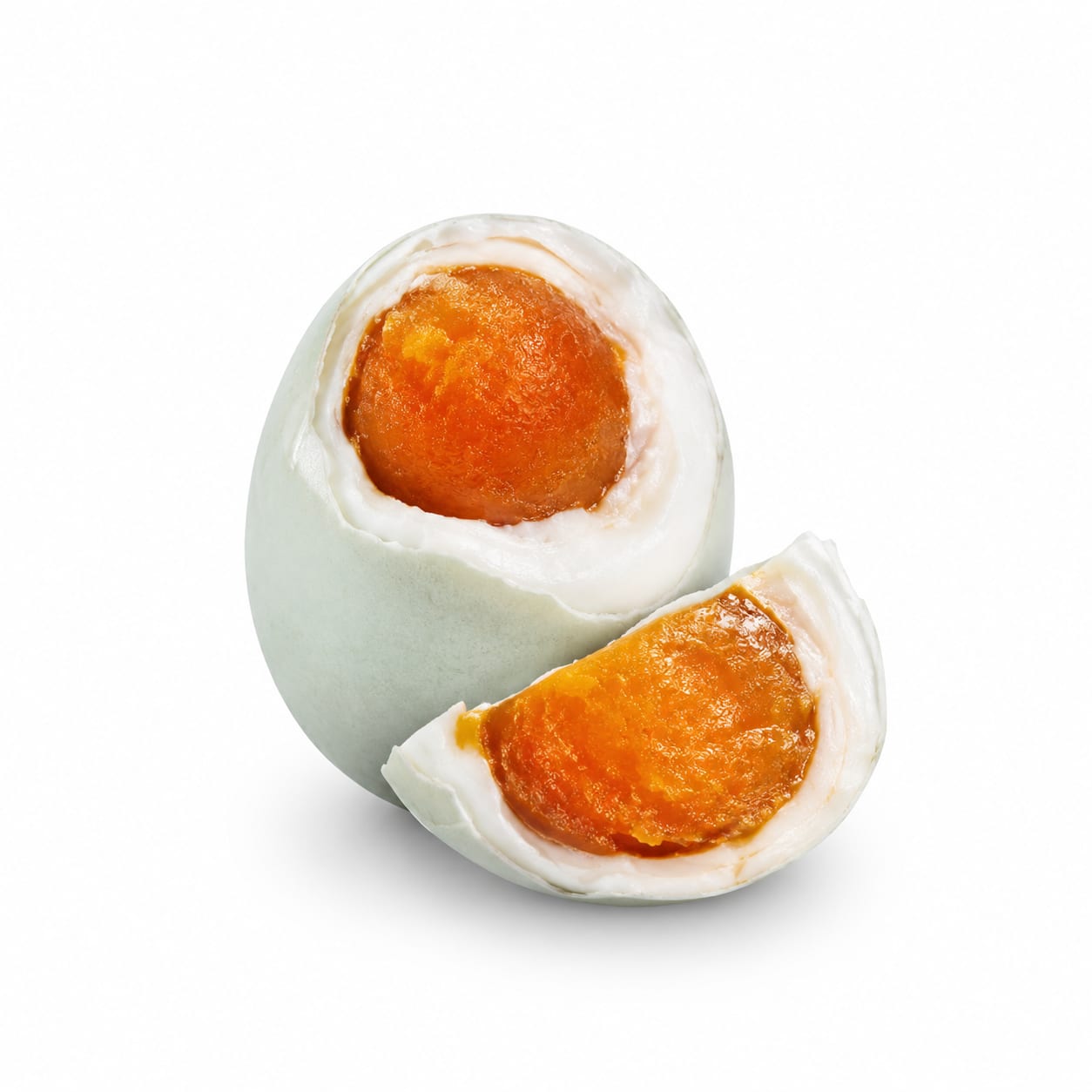
Duck Egg
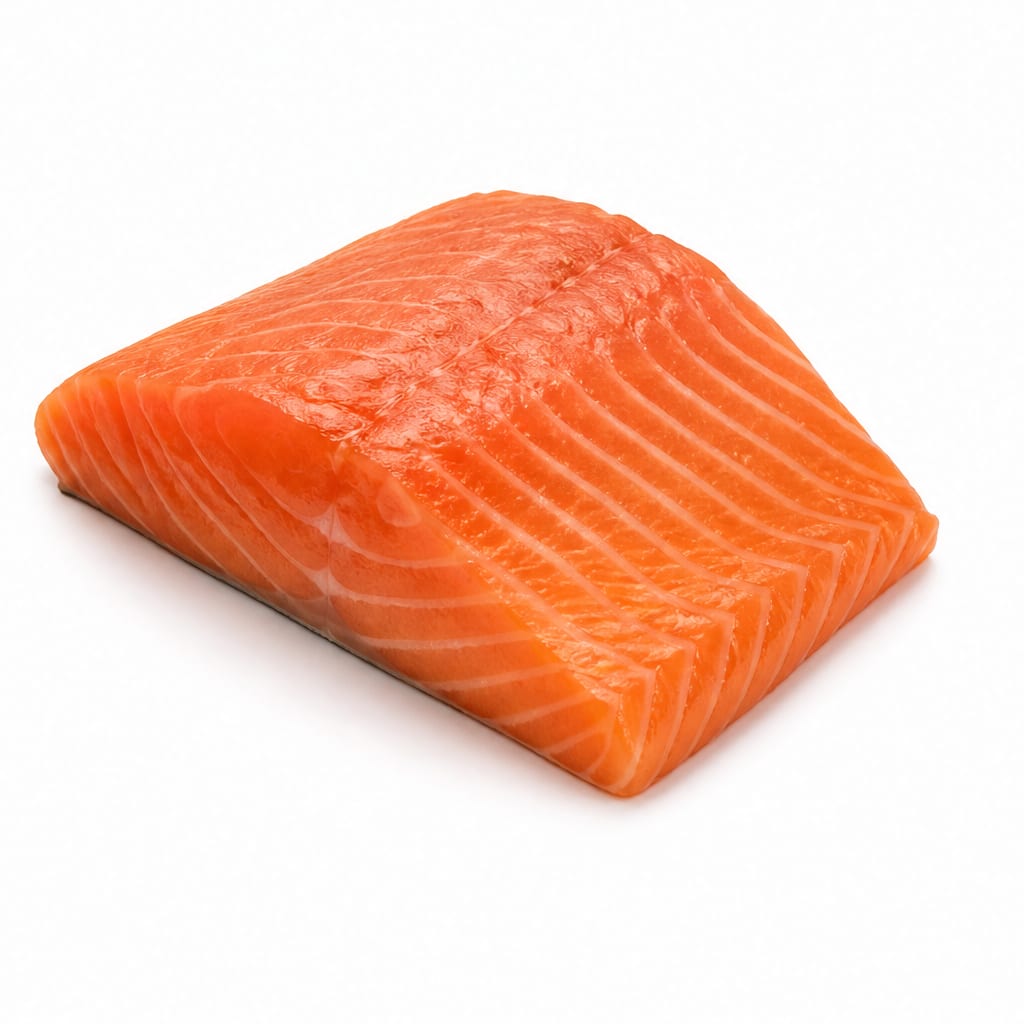
Salmon Fillet
Salmon fillet delivers superior omega-3s and leaner protein for heart health, while duck eggs offer unmatched choline and satiety in a versatile, budget-friendly package.
Salmon fillet scores higher due to its exceptional omega-3 to fat ratio and cardiovascular benefits, making it a safer everyday protein. Duck eggs score respectably but are held back by high cholesterol and saturated fat, requiring more mindful portioning.
Heart-protective fats and lean protein in salmon versus rich, brain-boosting choline and higher cholesterol in duck eggs.
At a glance
Executive summary
Overall
It depends
Healthier
Salmon Fillet
More practical
Duck Egg
Daily use
Salmon Fillet
Key comparison lenses
Cardiovascular impact and lipid profile
Duck eggs are high in dietary cholesterol while salmon is renowned for heart-healthy omega-3s, making this the primary health tradeoff.
Brain health and cognitive support
Both foods are exceptional for brain function but through different pathways: choline in duck eggs versus DHA in salmon.
Protein quality and satiety
Users often compare dense animal proteins for muscle maintenance and staying power throughout the day.
Contaminant and safety risks
Comparing the acute bacterial risk of poultry eggs against the chronic heavy metal accumulation risk of seafood is crucial.
Best choice for
Duck Egg
- Budget-conscious eaters needing nutrient density
- Bakers wanting richer texture and higher fat content
- People seeking high choline for brain health
- Those needing long shelf-life protein
Salmon Fillet
- People prioritizing heart health and low cholesterol
- Athletes needing lean protein for recovery
- Those seeking anti-inflammatory omega-3s
- Anyone managing blood lipid levels
Least suitable for
Duck Egg
- People with severe cholesterol concerns
- Those with egg allergies
- Individuals avoiding saturated fat
Salmon Fillet
- People on tight grocery budgets
- Those with severe seafood allergies
- Individuals concerned about heavy metal exposure
Deep comparison
Dimension by dimension
Each lens scores both foods and breaks down who each option suits.
- Dimension 1 · Priority 95Salmon Fillet
Heart Health & Lipid Profile
Duck Egg · 55Salmon Fillet · 92Salmon fillet is far kinder to your cardiovascular system thanks to its abundance of omega-3s and lack of dietary cholesterol.
Tradeoff
Duck eggs bring beneficial nutrients but pack a heavy cholesterol punch that requires moderation, whereas salmon actively improves blood lipid markers.
Why it matters
Heart disease remains a leading health concern, making the fat profile of your primary protein sources critical for long-term health.
Real-world impact
Eating salmon regularly can improve blood lipid panels and reduce inflammation, whereas daily duck eggs might raise LDL cholesterol for sensitive individuals.
Duck Egg
- People without cholesterol issues needing calorie-dense nutrition
Better for
- People with familial hypercholesterolemia
Worse for
Salmon Fillet
- Anyone monitoring heart health or managing high cholesterol
Better for
- Those on extremely low-fat diets
Worse for
- Dimension 2 · Priority 88It depends
Brain Health & Cognitive Nutrients
Duck Egg · 88Salmon Fillet · 85Duck eggs are a choline powerhouse, while salmon provides DHA omega-3s; both are stellar for brain function but via different pathways.
Tradeoff
Choline from duck eggs supports memory and cell membranes directly, while DHA from salmon reduces brain inflammation and supports neural function.
Why it matters
Cognitive decline prevention relies on both structural building blocks and anti-inflammatory compounds.
Real-world impact
A duck egg at breakfast gives a choline boost for morning focus, while a salmon dinner provides anti-inflammatory DHA for long-term brain protection.
Duck Egg
- Pregnant women needing choline for fetal brain development (if cholesterol is managed)
Better for
- Those avoiding cholesterol who need alternative choline sources
Worse for
Salmon Fillet
- Older adults prioritizing anti-inflammatory brain protection
Better for
- People who cannot afford regular seafood consumption
Worse for
- Dimension 3 · Priority 80Duck Egg
Protein Quality & Satiety
Duck Egg · 89Salmon Fillet · 85Duck eggs are incredibly filling due to their higher fat and protein density, keeping hunger at bay for hours.
Tradeoff
Duck eggs offer more satiety per ounce, but salmon provides leaner protein without the heavy fat load that can cause sluggishness.
Why it matters
Staying full prevents overeating and snacking between meals, which is crucial for weight management.
Real-world impact
A single duck egg at breakfast feels like a substantial meal, while a salmon fillet leaves you satisfied but lighter.
Duck Egg
- Those doing intermittent fasting who need a heavy, satiating meal to break the fast
Better for
- People wanting a light pre-workout meal
Worse for
Salmon Fillet
- Athletes wanting muscle repair without feeling sluggish from heavy fats
Better for
- Those needing high-calorie density to gain weight
Worse for
- Dimension 4 · Priority 75It depends
Contaminant & Safety Profile
Duck Egg · 70Salmon Fillet · 72Duck eggs carry a higher acute bacterial risk if undercooked, while salmon fillets carry concerns about chronic heavy metals and microplastics.
Tradeoff
Immediate food poisoning risk from duck eggs versus long-term heavy metal accumulation risk from salmon.
Why it matters
Food safety affects both your immediate wellbeing and long-term toxin exposure.
Real-world impact
You must cook duck eggs thoroughly to avoid illness, while you must source salmon carefully to avoid mercury and PCBs.
Duck Egg
- Those who thoroughly cook their food and buy from trusted local farms
Better for
- Fans of runny yolks or soft-boiled eggs
Worse for
Salmon Fillet
- Those who buy wild-caught or rigorously tested farmed salmon
Better for
- Frequent seafood eaters already concerned about heavy metal accumulation
Worse for
- Dimension 5 · Priority 65Duck Egg
Convenience & Versatility
Duck Egg · 85Salmon Fillet · 60Duck eggs are easy to store, quick to cook, and versatile for both savory and sweet dishes.
Tradeoff
Duck eggs last weeks in the fridge and cook in minutes, whereas salmon requires careful cooking, smells up the kitchen, and spoils quickly.
Why it matters
Practicality determines whether a healthy food actually makes it into your weekly rotation.
Real-world impact
Scrambling a duck egg takes 5 minutes on a busy morning; cooking salmon requires planning and proper ventilation.
Duck Egg
- Busy professionals needing quick, nutrient-dense meals
Better for
- Vegans or those avoiding animal products entirely
Worse for
Salmon Fillet
- Weekend meal prep when you have time to cook properly
Better for
- People with limited time for cooking seafood
Worse for
Timeline
Health impact over time
Short-term
Hours to days
Duck Egg
- High satiety and sustained energy from dense fats and protein
- Potential digestive heaviness if you eat too many at once
Salmon Fillet
- Lighter post-meal feeling with quick protein availability
- Risk of fishy aftertaste or reflux if not cooked to preference
Long-term
Months to years
Duck Egg
- Risk of elevated cholesterol if overconsumed
- Excellent choline intake supporting liver and brain health
Salmon Fillet
- Reduced systemic inflammation and better cardiovascular markers
- Potential heavy metal exposure if sourcing is poor
Risk profile
Safety & processing
Both are whole, single-ingredient foods in their natural state, making them superior to processed protein sources like bars or powders.
Duck Egg
Salmonella
mediumPoultry eggs carry a risk of salmonella contamination, requiring thorough cooking to eliminate the threat.
Antibiotic residue
lowConventionally farmed ducks may be exposed to antibiotics, though this is less common than in chicken farming.
Salmon Fillet
Mercury and heavy metals
mediumLarger fish accumulate mercury; salmon is moderate but requires mindful consumption, especially for pregnant women.
Microplastics and PCBs
mediumFarmed salmon can contain higher levels of industrial pollutants depending on the quality of their feed.
Parasites
lowRaw or undercooked salmon can carry parasites, which are neutralized by proper cooking or freezing.
Who wins for whom
Audience fit
Same foods, different winners depending on your goal.
children
It dependsDuck eggs provide brain-building choline, but salmon offers DHA; both are fantastic for development if allergens are ruled out.
daily consumption
Salmon FilletSalmon's heart-healthy fat profile makes it safer for daily eating than the cholesterol load of daily duck eggs.
diabetes
Salmon FilletSalmon has zero carbs and anti-inflammatory fats that improve insulin sensitivity, whereas duck eggs have higher saturated fat which can be inflammatory in excess.
elderly
Salmon FilletAnti-inflammatory omega-3s in salmon support heart and joint health in aging populations better than the cholesterol load in duck eggs.
muscle gain
It dependsDuck eggs offer rich, calorie-dense protein for bulking, while salmon provides lean protein for clean muscle gains without extra fat.
weight loss
Salmon FilletSalmon offers high protein with fewer calories and less saturated fat, making it easier to stay in a calorie deficit while staying satisfied.
Your move
Decision guide
Choose Duck Egg
- You want a budget-friendly, brain-boosting breakfast
- You bake often and need rich texture and moisture
- You need a highly satiating whole food that keeps you full for hours
Choose Salmon Fillet
- Heart health and lowering inflammation are your top priorities
- You want lean protein for muscle maintenance without the fat
- You need anti-inflammatory fats for joint or skin health
Either works if
- You are looking for high-quality, whole-food protein sources
- You rotate your foods to get a diverse range of micronutrients
Avoid both if
- You have both seafood and egg allergies
- You are strictly following a plant-based diet
Final recommendation
Make salmon fillet your primary protein for cardiovascular and anti-inflammatory benefits, but rotate in duck eggs a few times a week for their unmatched choline and satiety.
Practical
Consumer tips
- 1
Cook duck eggs thoroughly to eliminate salmonella risk; avoid runny yolks if you are immunocompromised.
- 2
Choose wild-caught salmon when possible to reduce PCB and microplastic exposure, though farmed is still better than no salmon at all.
- 3
Limit duck eggs to 2-3 times a week if you have borderline cholesterol levels.
- 4
Freeze salmon fillets immediately if you won't eat them within two days to preserve freshness.
- 5
Pair duck eggs with fiber-rich vegetables to balance the meal's fat content and slow digestion.