
Nutrition comparison
Duck Egg vs Cottage Cheese: Which Protein Source is Better?
Compare duck eggs and cottage cheese for protein, fat, calories, and daily use. Find out which is better for weight loss, muscle gain, and keto diets.
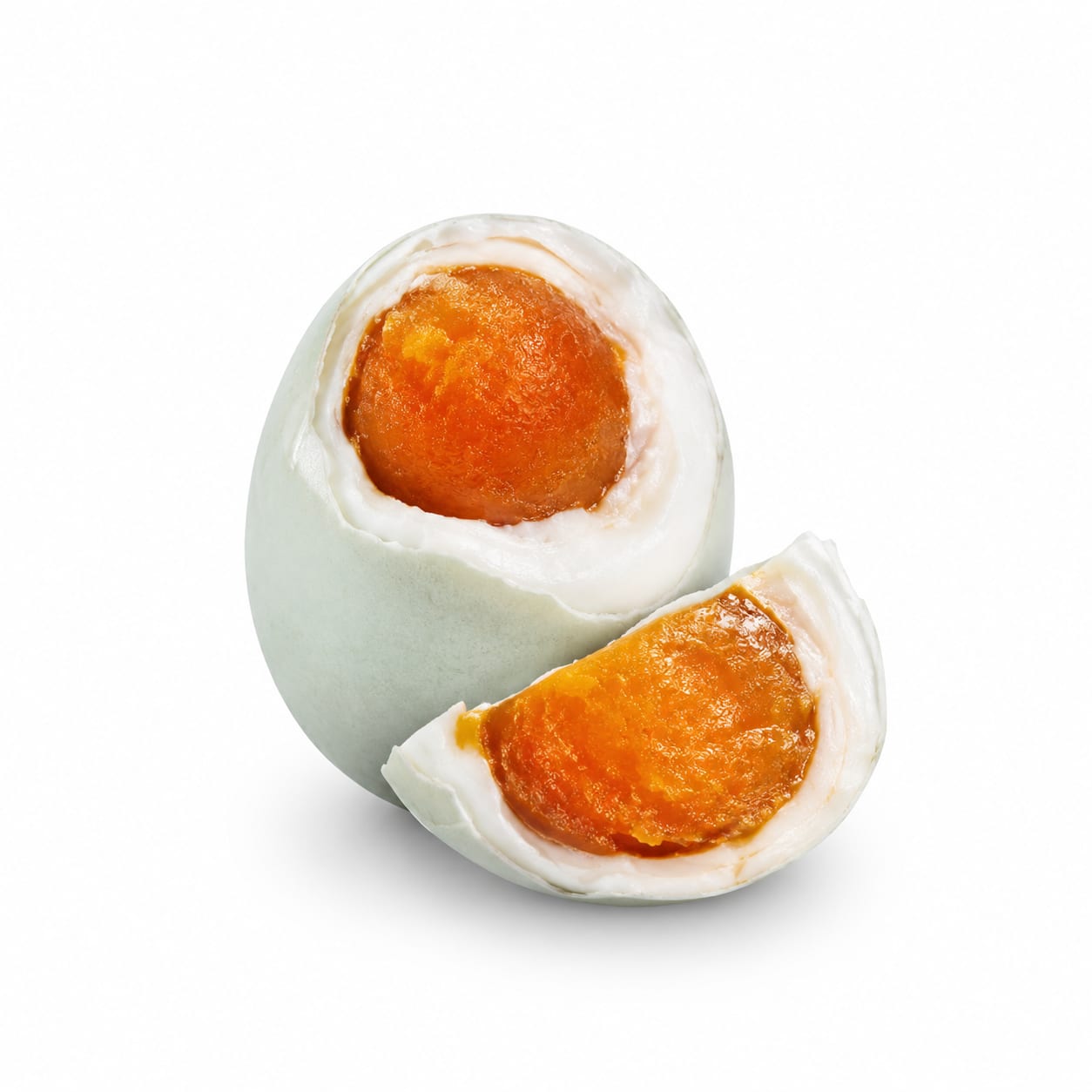
Duck Egg
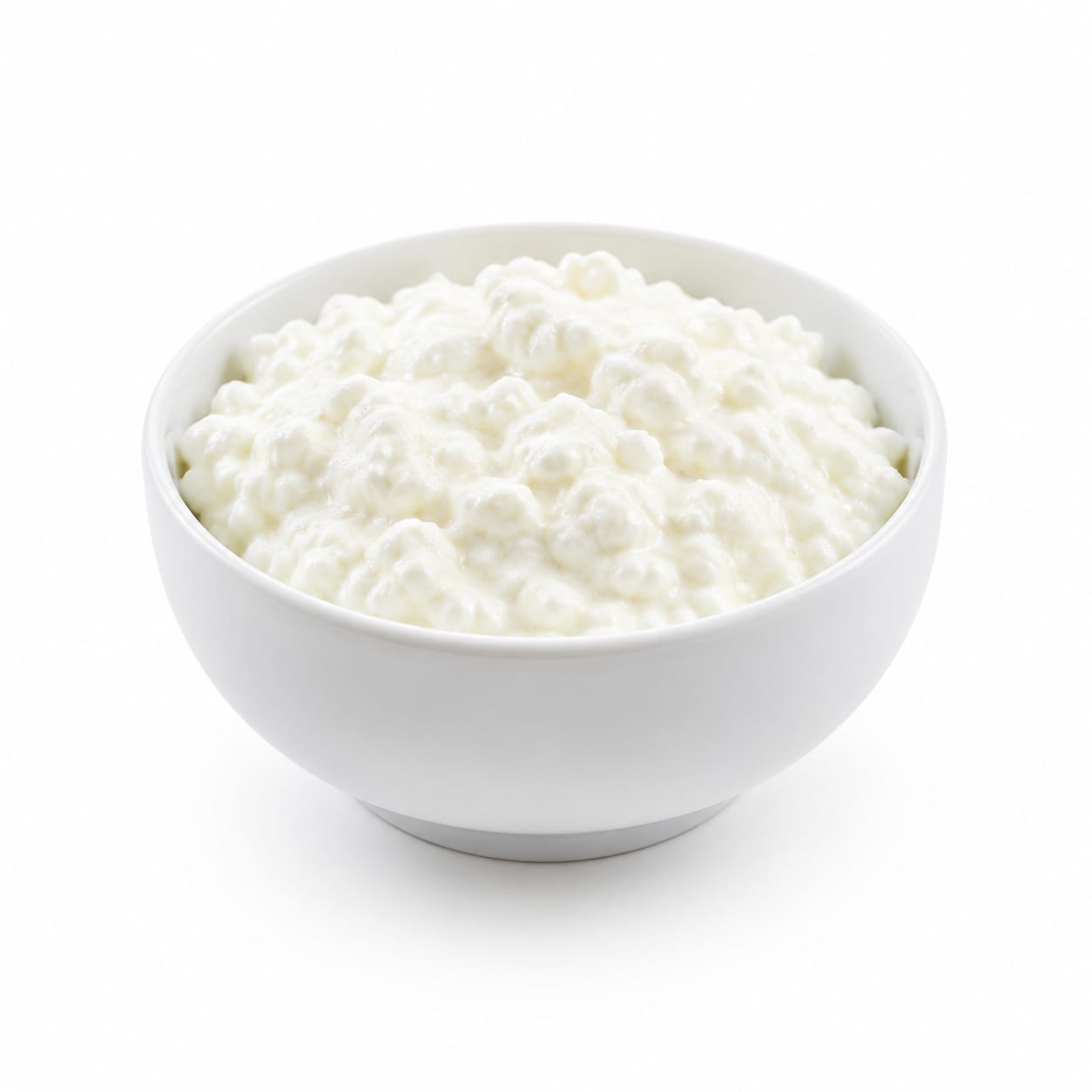
Cottage Cheese
Duck eggs offer richer micronutrients and healthy fats for sustained energy, while cottage cheese provides lean, slow-digesting protein with far fewer calories.
Cottage cheese scores slightly higher due to its lean profile and everyday convenience, but duck eggs win on micronutrient density and fat-soluble vitamins.
Nutrient density and satisfying fats versus low-calorie convenience and heart-friendly leanness.
At a glance
Executive summary
Overall
It depends
Healthier
It depends
More practical
Cottage Cheese
Daily use
Cottage Cheese
Key comparison lenses
High-quality protein sources for different goals
Both are premium protein sources, but they deliver protein in vastly different ways with different macronutrient profiles.
Fat and cholesterol versus low-calorie leanness
Duck eggs are naturally high in fat and calories, while cottage cheese is famously lean, creating a clear tradeoff for weight and heart health goals.
Whole food versus convenient dairy
A single-ingredient whole food versus a processed dairy product highlights differences in naturalness, preparation, and daily practicality.
Satiety and muscle building
The dense fats in duck eggs provide heavy satiety, whereas the casein in cottage cheese offers slow, steady amino acids ideal for muscle preservation.
Best choice for
Duck Egg
- Keto and low-carb dieters
- Those needing extra choline and B vitamins
- People wanting a rich, filling breakfast
Cottage Cheese
- Weight loss seekers
- Late-night protein snackers
- People watching their cholesterol
Least suitable for
Duck Egg
- People strictly limiting dietary cholesterol
- Those wanting a quick, zero-prep snack
- Vegans
Cottage Cheese
- People with lactose intolerance
- Those watching sodium intake
- Vegans
Deep comparison
Dimension by dimension
Each lens scores both foods and breaks down who each option suits.
- Dimension 1 · Priority 95It depends
Protein Quality & Satiety
Duck Egg · 85Cottage Cheese · 88Cottage cheese offers slow-digesting casein for prolonged fullness, while duck eggs provide a rich, complete protein with fats that keep you satisfied for hours.
Tradeoff
Slow-release dairy protein versus a whole-food protein bundled with filling fats.
Why it matters
Your choice depends on whether you want a light, long-lasting protein or a dense, satisfying meal.
Real-world impact
Cottage cheese is perfect before bed or between meals; a duck egg breakfast easily carries you to lunch without cravings.
Duck Egg
- Keto dieters
- Those wanting a hearty breakfast
Better for
- Those tracking calories closely
Worse for
Cottage Cheese
- Late-night snackers
- People needing sustained amino acids without fat
Better for
- People avoiding dairy
Worse for
- Dimension 2 · Priority 90Cottage Cheese
Calorie & Fat Profile
Duck Egg · 50Cottage Cheese · 90Cottage cheese is a lean dieter's dream, while a single duck egg packs over twice the fat and calories of a chicken egg.
Tradeoff
Rich, satisfying dietary fats and cholesterol versus a low-calorie, nearly fat-free profile.
Why it matters
If you are cutting calories or managing heart health markers, the fat in duck eggs adds up quickly.
Real-world impact
You can eat a full cup of cottage cheese for the same calories as two duck eggs, but the eggs will feel much heavier and richer.
Duck Egg
- Low-carb and keto eaters needing fat
Better for
- Those on a low-fat diet
Worse for
Cottage Cheese
- Calorie counters
- People managing lipid profiles
Better for
- People who find low-fat foods unsatisfying
Worse for
- Dimension 3 · Priority 85Duck Egg
Micronutrient Density
Duck Egg · 92Cottage Cheese · 65Duck eggs are a nutritional powerhouse, delivering massive amounts of B12, iron, selenium, and choline compared to cottage cheese.
Tradeoff
A broad spectrum of vitamins and minerals versus primarily calcium and phosphorus.
Why it matters
Choline and B12 are crucial for brain health and energy, and duck eggs deliver them in spades.
Real-world impact
Eating duck eggs can help cover nutritional gaps that cottage cheese simply doesn't touch, especially for brain and blood health.
Duck Egg
- Pregnant women needing choline
- Those with B12 deficiency risks
Better for
- Those who already eat a very nutrient-dense diet
Worse for
Cottage Cheese
- People needing extra calcium for bone health
Better for
- Anyone relying on it as a sole protein source
Worse for
- Dimension 4 · Priority 80Cottage Cheese
Convenience & Daily Use
Duck Egg · 55Cottage Cheese · 95Cottage cheese is ready to eat straight from the container, while duck eggs require cooking and careful handling.
Tradeoff
Grab-and-go simplicity versus a hot, prepared meal.
Why it matters
When life is busy, the food that requires zero prep is the one you will actually eat consistently.
Real-world impact
You can scoop cottage cheese at your desk in seconds, but duck eggs demand a pan, a stove, and a few minutes of your time.
Duck Egg
- Weekend brunches
- Home-cooked meals
Better for
- Anyone without cooking access
Worse for
Cottage Cheese
- Busy mornings
- Quick post-workout fuel
- Office snacking
Better for
- Situations where a hot meal is desired
Worse for
Timeline
Health impact over time
Short-term
Hours to days
Duck Egg
- Provides long-lasting satiety from high fat content
- Delivers a rich, heavy feeling in the stomach
Cottage Cheese
- Steadies blood sugar for hours due to casein protein
- Can feel light or slightly bland without additions
Long-term
Months to years
Duck Egg
- Supports brain health via high choline
- May impact cholesterol levels in sensitive individuals if eaten daily
Cottage Cheese
- Supports lean muscle maintenance with low calories
- High sodium intake could affect blood pressure over time
Risk profile
Safety & processing
Duck eggs are a completely whole, unprocessed food. Cottage cheese is a processed dairy product that often contains thickeners or stabilizers, though simple brands exist.
Duck Egg
Salmonella
mediumLike all eggs, duck eggs carry a salmonella risk if undercooked or improperly stored.
Allergenicity
highEgg allergies are common and can cause severe reactions in sensitive individuals.
Cottage Cheese
Lactose intolerance
mediumCan cause bloating and digestive distress in those lacking the lactase enzyme.
High sodium
mediumCottage cheese is surprisingly high in salt, which can be an issue for blood pressure management.
Who wins for whom
Audience fit
Same foods, different winners depending on your goal.
children
Duck EggThe choline and healthy fats in duck eggs are excellent for a child's brain development, assuming no egg allergy exists.
daily consumption
Cottage CheeseThe lower calorie and fat profile of cottage cheese makes it easier to incorporate every day without overshooting dietary limits.
diabetes
Cottage CheeseCottage cheese has minimal carbs and a low glycemic load, whereas duck eggs, while zero carb, have high saturated fat which can affect insulin resistance in some if overconsumed.
elderly
Cottage CheeseCottage cheese is easy to chew, digest, and provides high protein without the heavy cholesterol load that older adults may need to monitor.
muscle gain
It dependsDuck eggs offer a rich whole-food protein with fats for hormone production, while cottage cheese provides pure casein ideal for overnight muscle repair.
weight loss
Cottage CheeseCottage cheese provides high protein and volume for very few calories, making it far easier to stay in a deficit.
Your move
Decision guide
Choose Duck Egg
- You follow a keto or low-carb diet and need healthy fats
- You want a nutrient-dense breakfast that keeps you full for hours
- You are looking to boost choline and B12 intake naturally
Choose Cottage Cheese
- You are counting calories or trying to lose weight
- You need a quick, zero-prep protein source for busy days
- You want a slow-digesting protein before bed
Either works if
- You need high-quality complete protein after a workout
- You are looking for a savory, satisfying snack
Avoid both if
- You have severe dairy and egg allergies
- You are following a strict vegan diet
Final recommendation
Let your goals decide: grab cottage cheese for lean, convenient daily protein, or cook duck eggs when you need a rich, nutrient-packed meal that satisfies deeply.
Practical
Consumer tips
- 1
If watching sodium, rinse cottage cheese under water or seek no-salt-added varieties.
- 2
Cook duck eggs thoroughly to eliminate salmonella risk, as their denser whites take longer to set than chicken eggs.
- 3
Mix fruit or nuts into cottage cheese for a more balanced snack, or pair a duck egg with veggies to balance the rich fat content.