
Nutrition comparison
Duck Egg vs Chicken Egg: Nutrition, Cholesterol, and Which to Eat Daily
Compare duck eggs vs chicken eggs on protein, cholesterol, calories, and taste. Find out which egg is better for daily eating, weight loss, muscle gain, and baking.
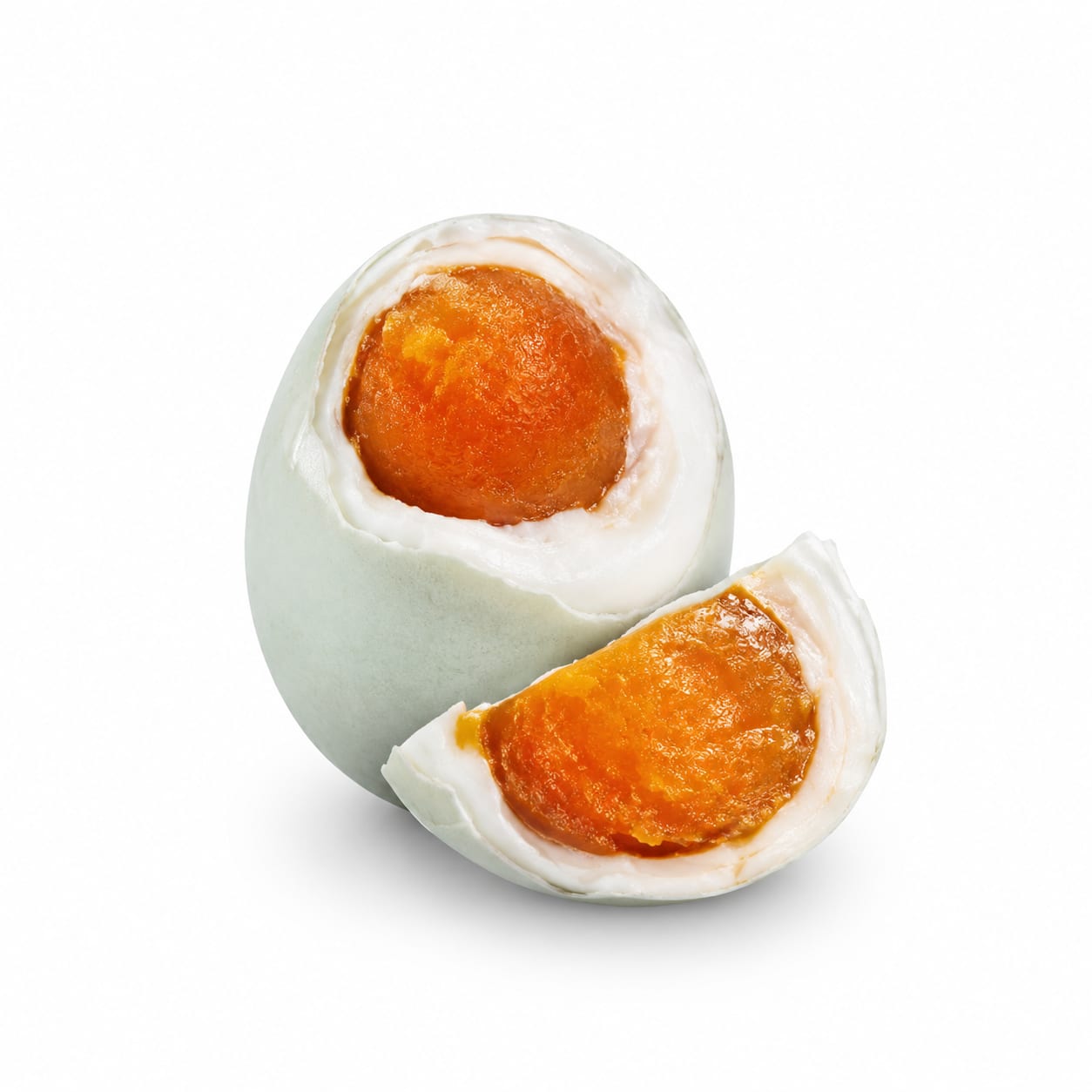
Duck Egg
Chicken Egg
Duck eggs deliver more nutrition per egg but also more cholesterol and calories. Chicken eggs are the safer daily staple, while duck eggs are a richer occasional upgrade.
Chicken eggs score higher overall due to better daily-use practicality, lower cholesterol, and broader accessibility. Duck eggs win on raw nutritional output per egg but carry meaningful tradeoffs that limit everyday suitability for most people.
More protein, fat, and micronutrients in a duck egg versus easier cholesterol management and lower calories with a chicken egg.
At a glance
Executive summary
Overall
It depends
Healthier
Chicken Egg
More practical
Chicken Egg
Daily use
Chicken Egg
Key comparison lenses
Nutritional density and value per egg
Duck eggs are significantly larger and more nutrient-dense per egg, making direct comparison critical for understanding what you actually get on your plate
Cholesterol and heart health impact
Duck eggs contain roughly triple the cholesterol of chicken eggs, which is the primary health concern users weigh when choosing between them
Daily consumption sustainability
Most people eat eggs daily, so understanding which egg fits better into a regular routine matters more than occasional use
Cost and accessibility
Chicken eggs are ubiquitous and cheap; duck eggs are specialty items with limited availability and higher prices
Culinary performance and taste
Duck eggs are prized in baking and Asian cuisine for their richness, which affects real-world food choices beyond raw nutrition
Best choice for
Duck Egg
- People needing higher caloric and protein intake in fewer eggs
- Bakers wanting richer, creamier results in pastries and cakes
- Those seeking more B12, iron, and folate per serving
- Anyone looking to eat fewer eggs while getting more total nutrition
Chicken Egg
- People monitoring cholesterol or with heart health concerns
- Anyone counting calories or managing weight
- Households wanting affordable, widely available protein
- Those who eat eggs daily and need a sustainable long-term choice
Least suitable for
Duck Egg
- People with high cholesterol or cardiovascular risk
- Anyone on a calorie-restricted diet
- Those with egg allergies who may react to different duck egg proteins
- Budget-conscious shoppers needing affordable daily protein
Chicken Egg
- Those needing maximum nutrition per egg eaten
- Bakers wanting the richest possible texture without adding extra fat
- People seeking higher omega-3 content from pasture-raised alternatives
Deep comparison
Dimension by dimension
Each lens scores both foods and breaks down who each option suits.
- Dimension 1 · Priority 95Duck Egg
Nutritional Density Per Egg
Duck Egg · 92Chicken Egg · 70A single duck egg delivers roughly 50% more calories, 40% more protein, and significantly more vitamins and minerals than a chicken egg.
Tradeoff
That density comes with proportionally more cholesterol and fat, so you are getting more of everything, not just the beneficial nutrients.
Why it matters
If you only eat one egg at a sitting, a duck egg gives you substantially more fuel and building blocks per bite.
Real-world impact
One duck egg at breakfast can feel as filling as two chicken eggs, which is either a benefit or a problem depending on your goals.
Duck Egg
- Athletes needing concentrated protein and calories
- Anyone trying to eat less volume while getting more nutrients
- People who skip meals and need longer-lasting satiety
Better for
- Anyone easily overwhelmed by heavy, rich meals in the morning
Worse for
Chicken Egg
- Those who prefer eating two eggs without overconsuming calories
- People who like larger-portion meals with controlled macros
Better for
- Those needing maximum nutrition from a single egg serving
Worse for
- Dimension 2 · Priority 90Chicken Egg
Cholesterol and Heart Health
Duck Egg · 45Chicken Egg · 78Duck eggs contain approximately 619mg of cholesterol versus 186mg in a chicken egg, a dramatic difference that matters for heart health.
Tradeoff
Dietary cholesterol does not affect everyone equally, but for sensitive individuals, one duck egg exceeds two-thirds of the old 300mg daily limit.
Why it matters
If you have high cholesterol, a family history of heart disease, or are over 50, this single factor may decide the choice.
Real-world impact
Eating two duck eggs for breakfast delivers over 1200mg of cholesterol, which is a legitimate concern for at-risk individuals.
Duck Egg
- Healthy young people with no cholesterol concerns who process dietary cholesterol efficiently
Better for
- People whose doctors have advised lowering dietary cholesterol
- Anyone already eating other high-cholesterol foods regularly
Worse for
Chicken Egg
- Anyone with elevated LDL cholesterol
- People with family history of cardiovascular disease
- Older adults being cautious about heart health
Better for
- Those who overeat chicken eggs thinking they are cholesterol-free, which they are not
Worse for
- Dimension 3 · Priority 85Duck Egg
Protein Quality and Quantity
Duck Egg · 88Chicken Egg · 75Duck eggs provide about 9g of protein per egg versus 6g in a chicken egg, with similarly excellent amino acid profiles.
Tradeoff
Both are complete proteins with high bioavailability, so the real difference is amount per egg rather than quality per gram.
Why it matters
For muscle recovery and satiety, more protein per serving is genuinely useful, especially at breakfast when protein intake matters most.
Real-world impact
A two-duck-egg breakfast gives you roughly 18g of protein, equivalent to about three chicken eggs, saving cooking time and stomach space.
Duck Egg
- Athletes and lifters wanting efficient protein delivery
- Anyone eating one-egg portions who needs more protein from that single serving
Better for
- Those who find one egg too heavy and would end up consuming excess protein they do not need
Worse for
Chicken Egg
- People who enjoy eating multiple eggs and do not mind the portion size to hit protein targets
Better for
- People trying to minimize cooking and eating volume while hitting protein goals
Worse for
- Dimension 4 · Priority 80Chicken Egg
Affordability and Accessibility
Duck Egg · 35Chicken Egg · 95Chicken eggs are one of the cheapest protein sources available worldwide. Duck eggs cost two to four times more and are hard to find in many regions.
Tradeoff
Duck eggs may offer more nutrition per egg, but per dollar spent, chicken eggs are dramatically more efficient.
Why it matters
For most households, cost determines what ends up on the table daily, making this a practical dealbreaker for regular duck egg consumption.
Real-world impact
A dozen chicken eggs costs roughly $2-4 in the US. A dozen duck eggs often runs $8-15 and requires a specialty store or online order.
Duck Egg
- Anyone with easy access to duck farms or Asian grocery stores where prices are lower
- People who value nutrition over cost and have the budget
Better for
- Low-income households where the price difference is genuinely prohibitive
Worse for
Chicken Egg
- Families feeding multiple people affordably
- Anyone on a tight grocery budget
- People who need to buy eggs at any standard supermarket
Better for
- No real downside here; chicken eggs are among the most accessible foods on earth
Worse for
- Dimension 5 · Priority 78Duck Egg
Satiety and Fullness
Duck Egg · 88Chicken Egg · 72Duck eggs keep you fuller for longer thanks to their higher fat and protein content packed into a single serving.
Tradeoff
That fullness can cross into feeling heavy or sluggish if you are not used to rich foods, especially at breakfast.
Why it matters
Staying full until lunch without snacking is one of the most practical benefits of a good breakfast, and duck eggs excel here.
Real-world impact
One duck egg at 7am can easily carry you to noon. One chicken egg often leaves you reaching for a snack by 10am.
Duck Egg
- People who skip lunch and need breakfast to last
- Anyone prone to mid-morning energy crashes and cravings
Better for
- Anyone who finds rich, fatty meals leave them mentally foggy rather than energized
Worse for
Chicken Egg
- Those who prefer lighter meals and eat again within a few hours
- People who feel sluggish after heavy breakfasts
Better for
- Those relying on a single egg to hold them over for five-plus hours
Worse for
- Dimension 6 · Priority 75Duck Egg
Vitamin and Mineral Content
Duck Egg · 86Chicken Egg · 68Duck eggs contain notably more B12, iron, folate, selenium, and vitamin A than chicken eggs per egg.
Tradeoff
The larger size accounts for much of this advantage, so per calorie the gap narrows, but per egg eaten the difference is real.
Why it matters
B12 and iron deficiencies are common, especially among women and vegetarians transitioning back to animal foods, so extra amounts matter.
Real-world impact
One duck egg provides roughly 150% of your B12 needs versus about 50% from a chicken egg, a meaningful difference for deficiency-prone people.
Duck Egg
- Women with low iron or B12 levels
- Older adults who absorb B12 less efficiently
- Anyone eating fewer total eggs who needs more from each one
Better for
- Those who assume more is always better and might overconsume fat-soluble vitamins if eating multiple duck eggs daily
Worse for
Chicken Egg
- People already getting adequate micronutrients from a varied diet where the extra amounts are unnecessary
Better for
- People relying on eggs as a primary B12 source who only eat one per day
Worse for
- Dimension 7 · Priority 70Chicken Egg
Allergen and Tolerance Considerations
Duck Egg · 55Chicken Egg · 75Duck egg proteins differ from chicken egg proteins, meaning some people allergic to chicken eggs can tolerate duck eggs, but the reverse is also true.
Tradeoff
Duck egg allergy is less studied and less well understood, making reactions harder to predict, especially in children.
Why it matters
If you have any egg allergy, switching to duck eggs is not a safe workaround without medical testing, despite anecdotal claims.
Real-world impact
Some children allergic to chicken eggs react severely to duck eggs too, while a small subset tolerates them. This requires allergist guidance, not guesswork.
Duck Egg
- The small subset of people with chicken egg allergy who have been medically confirmed to tolerate duck eggs
Better for
- People assuming duck eggs are a safe alternative to chicken eggs without allergy testing
Worse for
Chicken Egg
- Anyone with known egg allergy who should stick to the better-documented allergen profile
- Parents introducing eggs to young children for the first time
Better for
- No specific downside; chicken egg allergy is well-characterized and widely understood
Worse for
- Dimension 8 · Priority 65It depends
Culinary Versatility and Taste
Duck Egg · 80Chicken Egg · 82Duck eggs produce richer baked goods and creamier custards. Chicken eggs are more versatile across everyday cooking methods.
Tradeoff
Duck eggs can taste too rich or gamey for some palates, especially when simply fried or scrambled. Chicken eggs have a milder, more universally appealing flavor.
Why it matters
If you are baking pastries or making carbonara, duck eggs elevate the result. For a quick scrambled egg, chicken eggs taste cleaner.
Real-world impact
Professional bakers often prefer duck eggs for cake texture. Home cooks making omelets usually prefer the lighter taste of chicken eggs.
Duck Egg
- Bakers making cakes, pastries, and rich custards
- Fans of bold, rich egg flavor in dishes like salted duck egg or century egg preparations
Better for
- Light dishes like soufflés where the extra fat can weigh things down
- Anyone put off by a slightly gamier flavor profile
Worse for
Chicken Egg
- Everyday cooking like scrambles, fried eggs, and omelets
- Dishes where you want egg flavor without heaviness
- Recipes developed and tested using standard chicken egg sizes
Better for
- Rich baked goods where the lower fat content produces drier results
Worse for
Timeline
Health impact over time
Short-term
Hours to days
Duck Egg
- More sustained energy after eating due to higher fat and protein content
- Greater feeling of fullness that delays hunger for hours
- Possible heaviness or sluggishness if you are unaccustomed to rich foods
- Higher calorie intake per egg can unintentionally push you over daily targets
Chicken Egg
- Lighter post-meal feeling that some people prefer in the morning
- Easier to eat multiple eggs without feeling overstuffed
- Quicker digestion compared to the denser duck egg
- Lower per-egg calorie impact makes portion management simpler
Long-term
Months to years
Duck Egg
- Potential cholesterol concern if eaten daily in multiples, especially for at-risk individuals
- Excellent B12 and iron status if consumed regularly in moderation
- Risk of excess calorie intake if not accounting for the larger serving size
- Possible benefit for muscle maintenance in older adults due to higher protein per egg
Chicken Egg
- Well-established safety profile for daily consumption in most healthy adults
- Consistent and predictable nutrient intake that is easy to plan around
- Lower long-term cardiovascular risk when consumed in moderation
- Extensively studied, so health effects are better understood and more predictable
Risk profile
Safety & processing
Both duck eggs and chicken eggs are whole, minimally processed foods with no additives when purchased fresh. The main difference is that duck eggs are more likely to come from smaller farms, which can mean better animal welfare but less consistent quality control. Chicken eggs from factory farms may involve more antibiotic use, while pasture-raised options avoid this concern.
Duck Egg
Salmonella contamination
mediumDuck eggs carry salmonella risk similar to chicken eggs, but less standardized washing and inspection in some regions can increase exposure. Always cook thoroughly.
Less regulated sourcing
mediumDuck egg production is less regulated than chicken egg production in many countries, meaning quality and safety standards can vary more between suppliers.
Longer shelf life creating complacency
lowDuck egg shells are thicker and more protective, giving a longer shelf life, but this can lead people to keep them past safe use-by dates.
Chicken Egg
Salmonella contamination
mediumWell-known risk mitigated by proper refrigeration and cooking. Industrial washing standards in many countries reduce but do not eliminate this risk.
Antibiotic residue in conventional farming
lowFactory-farmed chicken eggs may carry trace antibiotic residues. Choosing organic or pasture-raised eliminates this concern.
Spoilage from cracked shells
lowThinner shells than duck eggs make chicken eggs slightly more vulnerable to cracking and bacterial entry during transport.
Who wins for whom
Audience fit
Same foods, different winners depending on your goal.
children
Chicken EggMilder flavor, appropriate portion size, extensively studied allergen profile, and lower cholesterol make chicken eggs the safer introduction for kids.
daily consumption
Chicken EggAffordability, accessibility, lower cholesterol, and a milder taste that does not fatigue your palate make chicken eggs the clear daily driver.
diabetes
Chicken EggBoth eggs have minimal impact on blood sugar, but the lower calorie and fat load of chicken eggs makes them easier to incorporate into a controlled diabetic meal plan.
elderly
Chicken EggCardiovascular concerns increase with age, making the lower cholesterol of chicken eggs more appropriate. The B12 boost from duck eggs is nice but not worth the cholesterol tradeoff for most seniors.
muscle gain
Duck EggMore protein per egg and more calories to support growth make duck eggs efficient for bulking, especially for athletes who struggle to eat enough.
weight loss
Chicken EggAt roughly 72 calories versus 130 per egg, chicken eggs make portion control far easier. You can eat two chicken eggs for fewer calories than one duck egg.
Your move
Decision guide
Choose Duck Egg
- You want maximum nutrition per egg and are healthy with no cholesterol concerns
- You bake frequently and want richer, more professional-quality results
- You eat only one egg at a time and want it to count for more
- You have access to affordable duck eggs from a trusted local source
- You are an athlete or underweight individual needing concentrated calories and protein
Choose Chicken Egg
- You eat eggs daily and want a sustainable, affordable, heart-friendly staple
- You are watching your cholesterol, calories, or overall fat intake
- You need widely available eggs that work in any recipe without adjustment
- You are feeding a family and cost per serving matters
- You prefer a lighter, milder egg flavor for everyday meals
Either works if
- You have no specific health concerns and just want a satisfying protein source
- You enjoy variety and want to rotate between richer and lighter egg experiences
- You are eating eggs only a few times per week, making the cholesterol difference negligible
Avoid both if
- You have a confirmed egg allergy to either type without medical clearance
- You are on a strict very-low-fat diet for medical reasons
- You have severe hypercholesterolemia and your physician has advised eliminating dietary cholesterol
Final recommendation
Make chicken eggs your everyday default and treat duck eggs as a deliberate upgrade when you want richer nutrition or better baking performance. Eating duck eggs occasionally gives you the micronutrient boost without the daily cholesterol load. If your cholesterol is already elevated, stick with chicken eggs consistently. If you are young, active, and healthy, enjoying duck eggs a few times a week is a perfectly reasonable choice that adds nutritional and culinary variety.
Practical
Consumer tips
- 1
Adjust recipe quantities when substituting: one duck egg roughly equals 1.5 to 2 chicken eggs by volume and fat content
- 2
If trying duck eggs for the first time, start with one and see how your digestion and energy feel before committing to regular use
- 3
Buy duck eggs from Asian grocery stores or local farms for better prices than online or specialty retailers
- 4
Store duck eggs in the refrigerator even though their thicker shells give longer room-temperature shelf life, as safety standards vary by source
- 5
If you have a chicken egg allergy, do not assume duck eggs are safe without formal allergy testing from an allergist
- 6
For the best baking results with duck eggs, reduce any added butter or oil in the recipe slightly to account for the extra fat in the egg
- 7
Priest-raised or free-range options exist for both egg types and are worth the premium for better omega-3 content and animal welfare