
Nutrition comparison
Cranberry Beans vs Lima Beans: Nutrition, Safety, and Which to Choose
Compare cranberry beans and lima beans side by side. Learn which has more protein, better safety, and easier digestion, plus the hidden risk of undercooked lima beans.
Overall winner · Cranberry Bean
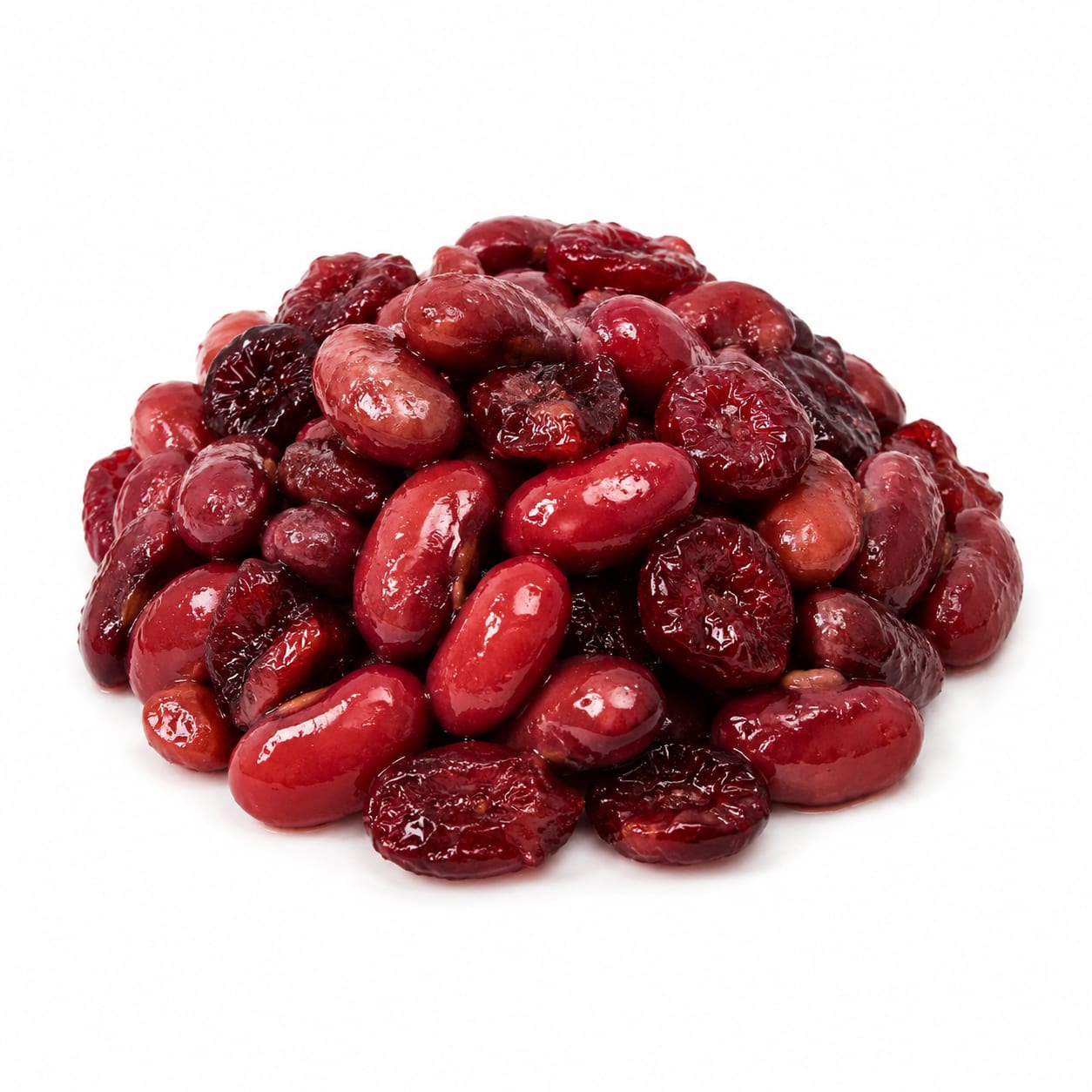
Cranberry Bean
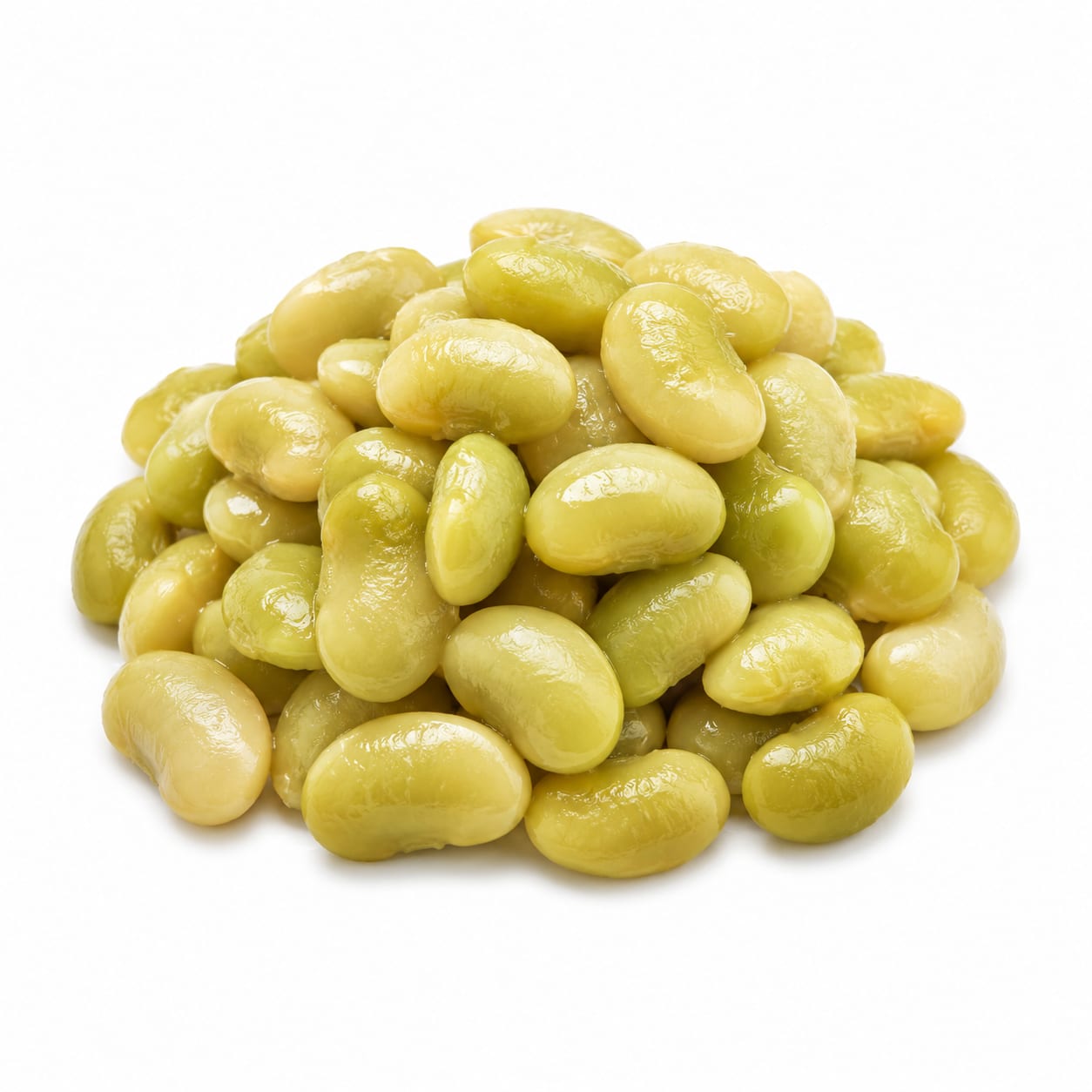
Lima Bean
Cranberry beans edge out lima beans with better protein-to-calorie ratio, higher antioxidant content, and no raw-safety concerns. Lima beans win on creaminess and potassium but carry a unique toxicity risk if undercooked.
Cranberry beans score higher due to superior protein density, antioxidant content, and zero raw-toxicity risk. Lima beans remain nutritionally strong but lose points on safety handling requirements and slightly higher caloric load per gram of protein.
Cranberry beans offer more protein and safer handling, while lima beans deliver a butterier texture and slightly more potassium but require careful cooking to neutralize natural toxins.
At a glance
Executive summary
Overall
Cranberry Bean
Healthier
Cranberry Bean
More practical
Cranberry Bean
Daily use
Cranberry Bean
Key comparison lenses
nutritional density per calorie
Both are legumes with similar roles, so users want to know which delivers more nutrition per bite
safety and preparation concerns
Lima beans contain cyanogenic glycosides requiring thorough cooking, a unique safety consideration
digestive tolerance
Beans are notorious for digestive issues; users want to know which is gentler
blood sugar management
Both are starchy legumes, so glycemic impact matters for many consumers
meal versatility and taste
Flavor and texture differences affect how often people actually cook with them
Best choice for
Cranberry Bean
- People prioritizing protein intake per calorie
- Anyone wanting lower-risk meal prep
- Those seeking more antioxidant variety from bean skins
- Meal preppers who batch-cook without strict timing
Lima Bean
- People craving a creamy, buttery side dish
- Those needing extra potassium in their diet
- Anyone making traditional succotash or Southern recipes
- People who find other beans too firm or chalky
Least suitable for
Cranberry Bean
- People wanting a smooth, creamy texture in dishes
- Those who dislike speckled or mottled bean appearance
Lima Bean
- Careless or impatient cooks who might undercook beans
- People with sensitive digestion who react to larger starchier legumes
- Anyone meal-prepping in bulk without careful temperature control
Deep comparison
Dimension by dimension
Each lens scores both foods and breaks down who each option suits.
- Dimension 1 · Priority 93Cranberry Bean
protein_efficiency
Cranberry Bean · 82Lima Bean · 68Cranberry beans deliver noticeably more protein per calorie, making them more efficient for muscle maintenance and satiety.
Tradeoff
You get more protein from cranberry beans, but lima beans offer a creamier mouthfeel that makes portions feel more indulgent.
Why it matters
Higher protein per calorie means you stay full longer without overeating, which matters for weight management and energy stability.
Real-world impact
A cup of cranberry beans keeps you satisfied for an extra hour compared to the same portion of lima beans, simply from the protein difference.
Cranberry Bean
- Athletes tracking protein intake
- Anyone eating at a caloric deficit
Better for
- Those wanting a rich, buttery side dish experience
Worse for
Lima Bean
- People who prioritize eating enjoyment over macro efficiency
Better for
- Anyone counting protein grams carefully
Worse for
- Dimension 2 · Priority 90Cranberry Bean
safety_and_preparation_ease
Cranberry Bean · 88Lima Bean · 55Lima beans contain linamarin, a cyanogenic compound that can release hydrogen cyanide if beans are undercooked. Cranberry beans have no such risk.
Tradeoff
Cranberry beans are forgiving to cook, while lima beans demand full thorough cooking to be safe — no shortcuts allowed.
Why it matters
Undercooked lima beans can cause nausea, dizziness, and in extreme cases serious toxicity. This is especially relevant for slow-cooker users who might not reach safe temperatures.
Real-world impact
If you accidentally undercook cranberry beans, you get a firm texture. If you undercook lima beans, you could feel genuinely ill.
Cranberry Bean
- Busy parents who multitask while cooking
- Slow-cooker and Instant Pot users
- Beginner cooks
Better for
- No meaningful downside here
Worse for
Lima Bean
- Experienced cooks who follow recipes precisely
Better for
- Anyone prone to rushing meal prep
- People using low-temperature cooking methods
Worse for
- Dimension 3 · Priority 82Cranberry Bean
antioxidant_and_phytonutrient_content
Cranberry Bean · 80Lima Bean · 58The speckled red-pink skin of cranberry beans is rich in anthocyanins and flavonoids. Lima beans, being pale, offer far less antioxidant diversity.
Tradeoff
Cranberry beans give you more protective plant compounds, but lima beans still deliver solid mineral nutrition.
Why it matters
Antioxidant variety from colorful plant foods correlates with lower inflammation and better long-term health outcomes.
Real-world impact
Choosing cranberry beans over lima beans is like choosing a colorful salad over iceberg lettuce — more protective compounds per bite.
Cranberry Bean
- People eating for longevity
- Anyone with inflammatory concerns
Better for
- People who find the speckled appearance unappetizing
Worse for
Lima Bean
- Those who care more about texture than phytonutrients
Better for
- Anyone specifically seeking antioxidant-rich foods
Worse for
- Dimension 4 · Priority 78Lima Bean
mineral_density
Cranberry Bean · 72Lima Bean · 80Lima beans pack more potassium, manganese, and copper per serving, supporting electrolyte balance and bone health.
Tradeoff
Lima beans win on minerals but lag on protein and antioxidants, so the mineral advantage is narrow.
Why it matters
Potassium is one of the most underconsumed nutrients, and lima beans are an excellent source, especially for people not eating enough fruits.
Real-world impact
A serving of lima beans covers roughly 25% more of your daily potassium needs than the same amount of cranberry beans.
Cranberry Bean
- People getting potassium from other sources already
Better for
- Those relying on beans as a primary potassium source
Worse for
Lima Bean
- Anyone struggling to hit potassium targets
- People who sweat heavily and need electrolyte replenishment
Better for
- People who get plenty of minerals from varied diets
Worse for
- Dimension 5 · Priority 80Cranberry Bean
digestive_tolerance
Cranberry Bean · 74Lima Bean · 62Cranberry beans are generally easier to digest, producing less gas for most people. Lima beans are starchier and can cause more bloating.
Tradeoff
Cranberry beans are gentler on the gut, but lima beans' creaminess can feel more comforting going down.
Why it matters
If beans make you bloated, you will avoid them — tolerance determines whether you actually eat them regularly.
Real-world impact
People who skip beans due to gas issues often tolerate cranberry beans better, making them more sustainable as a regular protein source.
Cranberry Bean
- People with sensitive digestion
- Anyone new to eating legumes regularly
Better for
- People wanting the softest, most comforting texture
Worse for
Lima Bean
- Those who tolerate starchy beans well
Better for
- Anyone prone to bloating or IBS symptoms
Worse for
- Dimension 6 · Priority 76Cranberry Bean
blood_sugar_stability
Cranberry Bean · 78Lima Bean · 70Both beans have moderate glycemic loads, but cranberry beans' higher protein and fiber ratio leads to steadier blood sugar responses.
Tradeoff
Cranberry beans provide more stable energy, while lima beans' extra starch can feel more immediately satisfying but may cause a quicker dip.
Why it matters
Steadier blood sugar means fewer afternoon energy crashes and less craving for snacks between meals.
Real-world impact
After a cranberry bean bowl, you are less likely to reach for a snack an hour later compared to a lima bean portion of equal calories.
Cranberry Bean
- People with prediabetes or insulin resistance
- Anyone trying to reduce between-meal snacking
Better for
- Those wanting fast post-workout carb refueling
Worse for
Lima Bean
- Active people who need quicker carbohydrate replenishment
Better for
- Anyone monitoring glycemic responses carefully
Worse for
- Dimension 7 · Priority 72It depends
culinary_versatility
Cranberry Bean · 75Lima Bean · 75Cranberry beans excel in soups, stews, and grain bowls where a firmer bean holds shape. Lima beans shine in creamy dishes, succotash, and purees.
Tradeoff
It comes down to texture preference — firm and nutty versus soft and buttery.
Why it matters
You will actually eat the bean that fits your cooking style, so versatility directly impacts nutritional benefit.
Real-world impact
If you love chunky minestrone, cranberry beans are your pick. If you crave creamy bean mash on toast, lima beans win.
Cranberry Bean
- Soup and stew lovers
- People who enjoy grain bowls and salads
Better for
- People wanting smooth, spreadable bean dishes
Worse for
Lima Bean
- Fans of Southern and comfort food cooking
- Anyone who loves dips and spreads
Better for
- Those who dislike mushy textures in mixed dishes
Worse for
Timeline
Health impact over time
Short-term
Hours to days
Cranberry Bean
- Steady energy release with minimal blood sugar spike
- Mild gas possible but generally well tolerated
- Satisfying fullness that reduces snacking urge
Lima Bean
- More immediate satiety from starchier texture
- Higher likelihood of bloating in sensitive individuals
- Risk of nausea if undercooked due to linamarin content
Long-term
Months to years
Cranberry Bean
- Better protein intake supports muscle preservation with aging
- Anthocyanin intake may reduce chronic inflammation over time
- Consistent fiber intake supports gut microbiome diversity
Lima Bean
- Superior potassium intake supports cardiovascular health long-term
- Manganese and copper support bone density maintenance
- Starch-heavy profile may require portion awareness for weight management
Risk profile
Safety & processing
Both cranberry beans and lima beans are whole, minimally processed foods when bought dried or frozen. Canned versions may contain added sodium, so check labels. Neither carries concerns about artificial additives, emulsifiers, or preservatives in their natural form.
Cranberry Bean
standard_legume_antinutrients
lowLike all beans, cranberry beans contain phytic acid and lectins reduced by soaking and cooking. Properly prepared, this is a non-issue for most people.
Lima Bean
cyanogenic_glycosides_linamarin
mediumRaw lima beans contain linamarin, which converts to hydrogen cyanide. Boiling for at least 10 minutes destroys the compound. Slow cookers may not reach sufficient temperatures. US-regulated lima beans have lower levels than some international varieties, but thorough cooking remains essential.
starch_digestion_discomfort
lowThe high starch content can cause significant gas and bloating, especially if portions are large or the beans are not cooked long enough.
Who wins for whom
Audience fit
Same foods, different winners depending on your goal.
children
Cranberry BeanNo cyanogenic risk from undercooking makes cranberry beans safer for households where cooking attention may vary, and kids benefit from the extra protein.
daily consumption
Cranberry BeanEasier digestion, no safety handling concerns, and better protein efficiency make cranberry beans more practical as an everyday staple.
diabetes
Cranberry BeanBetter protein-to-carb ratio and more antioxidants give cranberry beans a slight edge for blood sugar management and reducing inflammatory complications.
elderly
It dependsCranberry beans support muscle preservation, while lima beans offer more potassium for blood pressure. Choose based on the individual's primary health concern.
muscle gain
Cranberry BeanHigher protein density per serving supports muscle protein synthesis more efficiently when combined with other protein sources.
weight loss
Cranberry BeanMore protein and fiber per calorie means better satiety with fewer calories, making it easier to maintain a deficit without feeling deprived.
Your move
Decision guide
Choose Cranberry Bean
- You want maximum nutrition per calorie without extra thinking
- You use a slow cooker or Instant Pot and want worry-free cooking
- Digestive sensitivity has kept you from eating beans regularly
- You are tracking protein and want beans to contribute meaningfully
- You enjoy soups, stews, and grain bowls where beans hold their shape
Choose Lima Bean
- You crave creamy, buttery textures in your side dishes
- Potassium intake is a specific health priority for you
- You are making traditional succotash, butter bean mash, or Southern recipes
- You tolerate starchy legumes well and want a comforting carb source
- You are an attentive cook who always ensures thorough boiling
Either works if
- You simply want a nutritious plant-based protein source and both are available
- You rotate beans for microbiome diversity — both are excellent choices
- You are already eating a varied diet and the difference is marginal
Avoid both if
- You have a diagnosed legume allergy
- You are in a strict very-low-carb or keto phase and cannot afford the starch
- You experience severe GI distress from all beans despite proper preparation
Final recommendation
Cranberry beans are the safer, more protein-efficient daily choice. Lima beans are worth enjoying for their unique creaminess and potassium, but always boil them thoroughly. For most people, cranberry beans are the better default, with lima beans as an occasional comfort-food treat.
Practical
Consumer tips
- 1
If buying canned lima beans, check that they are fully cooked — reputable brands handle this, but rinse well to reduce sodium.
- 2
Soak both bean types overnight and discard the soaking water to reduce antinutrients and improve digestibility.
- 3
Never cook lima beans in a slow cooker on low without boiling first — the temperature may not be high enough to destroy linamarin.
- 4
Add a strip of kombu seaweed when boiling either bean to help reduce gas-producing compounds.
- 5
If new to eating beans regularly, start with cranberry beans — they are gentler on digestion and more forgiving to prepare.
- 6
Mix both beans in a three-bean salad for a variety of textures and a broader nutrient profile.