
Nutrition comparison
Cranberry Beans vs Lentils: Which Legume Is Better for Protein, Cooking, and Health?
Compare cranberry beans and lentils on protein, fiber, cooking time, blood sugar impact, and more. Find out which legume fits your health goals and kitchen routine.
Overall winner · Lentil
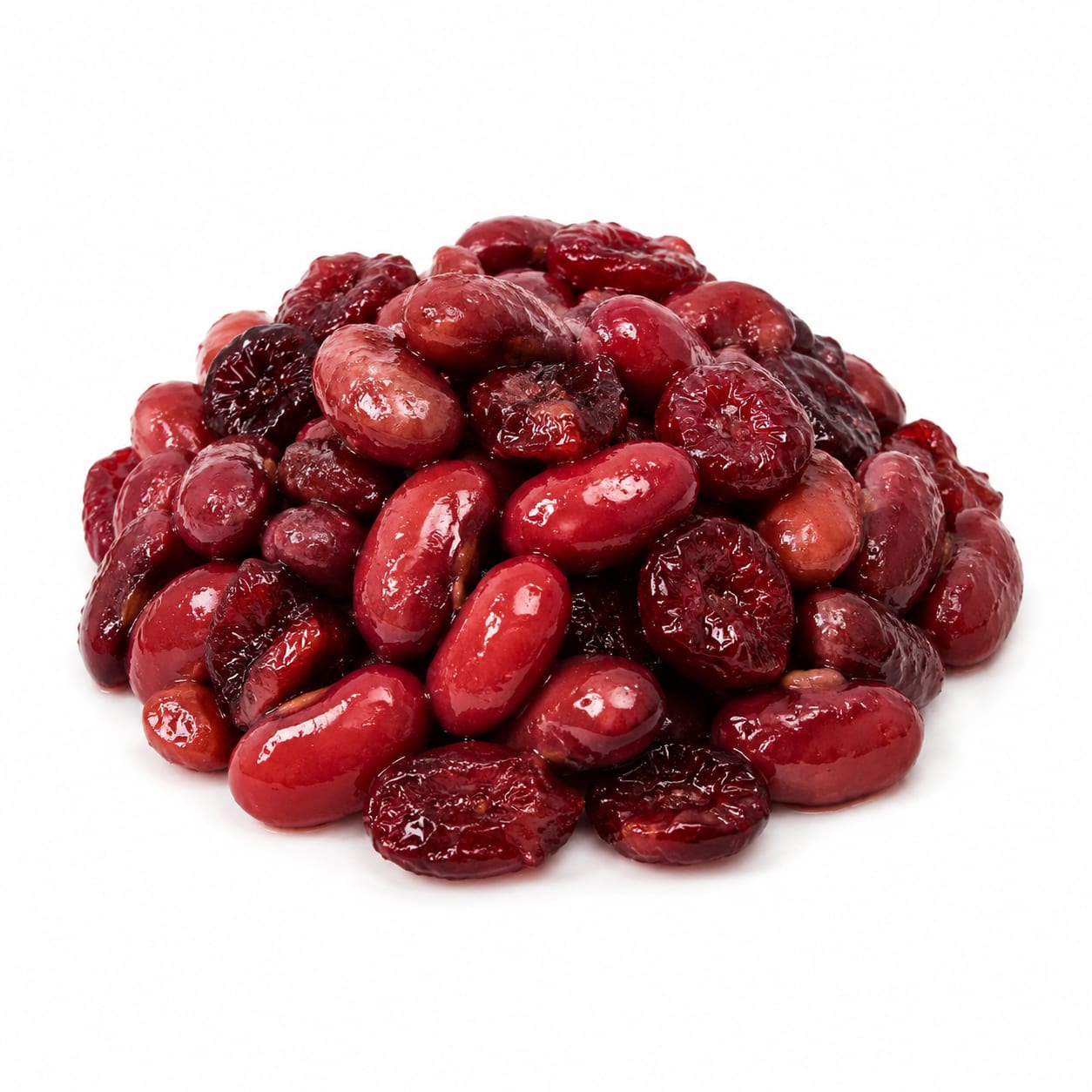
Cranberry Bean
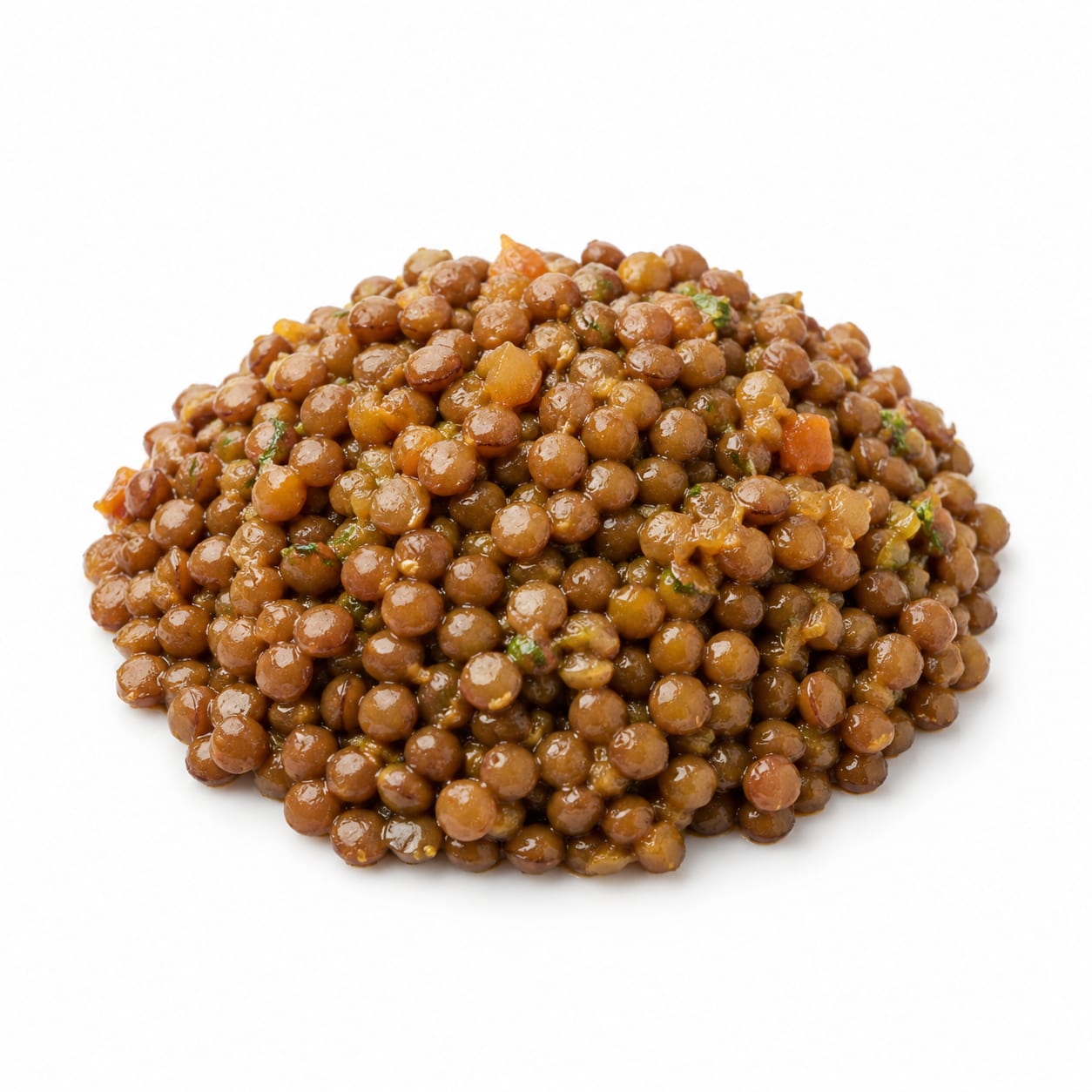
Lentil
Lentils edge out cranberry beans on protein, cooking speed, and everyday convenience, but cranberry beans offer a creamier texture and higher potassium that lentils cannot match.
Lentils score higher primarily due to superior protein density, zero soaking requirement, and faster cook time. Cranberry beans remain nutritionally strong but lose ground on convenience and protein efficiency, which matter most for daily legume adoption.
Lentils give you faster meals and more protein per bite; cranberry beans reward patience with a richer, more comforting mouthfeel and better electrolyte support.
At a glance
Executive summary
Overall
Lentil
Healthier
Lentil
More practical
Lentil
Daily use
Lentil
Key comparison lenses
plant protein efficiency
Both are top plant protein sources; users want to know which delivers more usable protein per serving
cooking convenience
Lentils skip soaking entirely while cranberry beans require it; this is a major daily-use deciding factor
blood sugar management
Both are low-glycemic legumes frequently recommended for diabetes; subtle differences matter
digestive tolerance
Legumes are notorious for gas and bloating; users want to know which is gentler
meal versatility
How easily each fits into soups, salads, bowls, and weeknight cooking drives real-world adoption
Best choice for
Cranberry Bean
- People prioritizing potassium for blood pressure management
- Home cooks wanting a creamier, more comforting bean texture
- Mediterranean and Italian recipe authenticity
- Those who batch-cook and freeze portions for later
Lentil
- Busy weeknight cooks who need dinner in 20-30 minutes
- Anyone tracking protein intake closely
- Meal preppers who want minimal prep steps
- People new to cooking legumes from scratch
Least suitable for
Cranberry Bean
- Last-minute meal situations requiring quick cooking
- People who forget to soak beans ahead of time
- Those sensitive to longer-cooking legumes that may cause more bloating
Lentil
- Recipes specifically calling for a creamy, starchy bean texture
- People who find lentil earthiness unappealing
- Those wanting a milder, more neutral flavor base
Deep comparison
Dimension by dimension
Each lens scores both foods and breaks down who each option suits.
- Dimension 1 · Priority 93Lentil
Protein Density and Quality
Cranberry Bean · 72Lentil · 88Lentils deliver roughly 15-20% more protein per cooked cup than cranberry beans, making them the more efficient plant protein source.
Tradeoff
Cranberry beans still provide solid protein but you need larger portions to match lentil protein gram-for-gram, which adds extra calories and carbs.
Why it matters
For anyone relying on legumes as a primary protein source—vegetarians, vegans, or budget-conscious eaters—that 15-20% gap compounds across every meal.
Real-world impact
A cup of cooked lentils gets you about 18g of protein versus roughly 15g from cranberry beans. Over three meals a week, that is a meaningful protein difference without extra effort.
Cranberry Bean
- High-protein diets where every gram matters
Worse for
Lentil
- Athletes needing efficient post-workout protein
- Vegetarians counting protein grams carefully
- Anyone eating legumes as their main protein source
Better for
- Dimension 2 · Priority 90Lentil
Cooking Convenience and Speed
Cranberry Bean · 55Lentil · 90Lentils cook in 15-25 minutes with no soaking. Cranberry beans require overnight soaking plus 45-60 minutes of cooking.
Tradeoff
Cranberry beans develop a creamier interior during their longer cook, but the time investment is substantial for a weeknight meal.
Why it matters
The soaking step is the single biggest barrier to home legume cooking. Removing it dramatically increases how often people actually cook from scratch.
Real-world impact
You can decide to make lentils at 5:30 PM and eat by 6:00. With cranberry beans, you needed to plan the night before or use a pressure cooker.
Cranberry Bean
- Weekend batch cooking sessions
- Slow cooker or pressure cooker users
Better for
- Last-minute cooking
- Forgetful planners who skip soaking
Worse for
Lentil
- Weeknight dinners after work
- Spontaneous meal decisions
- Beginners intimidated by bean preparation
Better for
- Dimension 3 · Priority 86It depends
Fiber and Blood Sugar Stability
Cranberry Bean · 82Lentil · 84Both are excellent for blood sugar control with high fiber and resistant starch. Lentils have a slight edge in soluble fiber, while cranberry beans offer marginally more total fiber.
Tradeoff
The difference is small enough that both perform similarly for steady energy; choosing based on taste or convenience matters more here.
Why it matters
Both legumes prevent the afternoon energy crash better than almost any other carb source. The gap between them is negligible compared to the gap between either legume and refined carbs.
Real-world impact
Either option keeps you full and energized for 3-4 hours after eating. You will not feel a meaningful difference in blood sugar between the two.
Cranberry Bean
- Those wanting slightly more total fiber per serving
Better for
Lentil
- People specifically seeking soluble fiber for cholesterol management
Better for
- Dimension 4 · Priority 80It depends
Mineral and Micronutrient Profile
Cranberry Bean · 83Lentil · 80Cranberry beans win on potassium and magnesium; lentils win on iron and folate. Both are micronutrient powerhouses with different strengths.
Tradeoff
If blood pressure is your concern, cranberry beans have the edge. If iron deficiency or pregnancy is the focus, lentils deliver more.
Why it matters
Mineral gaps are common and choosing the legume that fills your specific deficiency is more useful than chasing a generic 'most nutritious' label.
Real-world impact
A cup of cranberry beans provides about 25% more potassium than lentils—helpful for blood pressure. Lentils provide about 20% more iron—helpful for energy and anemia prevention.
Cranberry Bean
- People managing hypertension through diet
- Those needing more magnesium for sleep or cramps
Better for
- Iron-deficient individuals
Worse for
Lentil
- Pregnant women needing extra folate and iron
- Menstruating individuals concerned about iron levels
- Vegans and vegetarians at higher risk for iron deficiency
Better for
- Those specifically targeting potassium intake
Worse for
- Dimension 5 · Priority 76It depends
Digestive Tolerance
Cranberry Bean · 72Lentil · 70Both can cause gas and bloating, especially for people unaccustomed to high-fiber foods. Cranberry beans may be slightly easier to digest after thorough cooking due to their starch structure.
Tradeoff
Neither is truly gentle on a sensitive digestive system. Proper soaking and cooking matter more than which legume you pick.
Why it matters
Gas and bloating are the top reasons people abandon legumes. Preparation technique often matters more than the bean variety itself.
Real-world impact
If beans make you bloated, start with small portions of either, cook thoroughly, and consider using digestive aids like kombu or asafoetida. The specific legume matters less than gradual adaptation.
Cranberry Bean
- People who find lentils specifically cause discomfort
- Those who tolerate creamier, softer textures better
Better for
- Anyone new to high-fiber legumes
Worse for
Lentil
- People already adapted to lentils with no issues
Better for
- Those with known lentil sensitivity
Worse for
- Dimension 6 · Priority 74Lentil
Culinary Versatility
Cranberry Bean · 68Lentil · 82Lentils work in soups, salads, curries, patties, and bowls across many cuisines. Cranberry beans shine in specific Mediterranean and Italian dishes but have a narrower range.
Tradeoff
Cranberry beans create a uniquely creamy, comforting texture that lentils cannot replicate, but they fit into fewer recipe styles.
Why it matters
A legume you can use five ways gets eaten five times more often than one that only works in one or two dishes.
Real-world impact
Lentils slip into Indian dals, Middle Eastern mujadara, French salads, and American veggie burgers. Cranberry beans are perfect for pasta e fagioli and minestrone but feel out of place in most Asian recipes.
Cranberry Bean
- Italian and Mediterranean cooking enthusiasts
- Hearty stew and chili makers
Better for
- Global cuisine explorers
- Quick salad and bowl builders
Worse for
Lentil
- Cooks who explore multiple cuisines weekly
- Anyone building grain bowls or salads
- Curry and dal lovers
Better for
- Traditional Italian recipe purists
Worse for
Timeline
Health impact over time
Short-term
Hours to days
Cranberry Bean
- Steady, slow-burning energy due to high fiber and complex carbs
- Potential bloating if eaten in large portions without prior fiber adaptation
- Satisfying fullness that lasts 3-4 hours after a moderate serving
Lentil
- Quick-satisfying protein hit that curbs hunger fast
- Possible gas during the first week of regular consumption if your gut is unadapted
- Stable blood sugar with no crash, even when eaten as a standalone meal component
Long-term
Months to years
Cranberry Bean
- Improved blood pressure regulation from consistent potassium intake
- Better cardiovascular markers from regular fiber consumption
- Support for healthy gut microbiome diversity through resistant starch
Lentil
- Reduced anemia risk from consistently high iron and folate intake
- Lower cholesterol levels supported by soluble fiber
- Sustained healthy body weight due to high satiety per calorie
Risk profile
Safety & processing
Both cranberry beans and lentils are whole, minimally processed foods in their dried form. Canned versions of both may contain added sodium, so rinsing is recommended. Neither carries meaningful additive concerns when purchased dried.
Cranberry Bean
Undercooking toxicity
mediumLike all common beans, cranberry beans contain phytohaemagglutinin, which can cause nausea and vomiting if beans are eaten undercooked. Always boil for at least 10 minutes after soaking.
Canned sodium load
lowCanned cranberry beans often contain 300-500mg sodium per serving. Rinsing removes about 40% but not all.
Lentil
Undercooking digestive distress
lowLentils do not carry the same toxin risk as common beans, but undercooked lentils are harder to digest and may cause significant bloating.
Pesticide residue on conventionally grown lentils
lowLentils are not among the highest pesticide crops, but some conventionally grown varieties show glyphosate residue. Organic options are widely available.
Who wins for whom
Audience fit
Same foods, different winners depending on your goal.
children
LentilLentils cook to a softer, more mashable consistency faster, making them easier to incorporate into kid-friendly meals. Their milder preparation also avoids the toxin risk that undercooked common beans carry.
daily consumption
LentilThe no-soak, fast-cook advantage of lentils makes them realistic to eat multiple times per week without planning fatigue. Consistency beats slight nutritional edges.
diabetes
It dependsBoth have nearly identical glycemic impact and are among the best carb sources for blood sugar control. Choose based on personal tolerance and preference.
elderly
Cranberry BeanCranberry beans offer more potassium for blood pressure and heart rhythm support, which becomes increasingly important with age. Their creamier texture is also easier to chew and swallow for those with dental concerns.
muscle gain
LentilHigher protein per serving makes lentils the more efficient choice for muscle recovery and growth when relying on plant proteins.
weight loss
LentilLentils provide more protein and slightly fewer calories per cooked cup, keeping you fuller with less. The faster cooking also makes it easier to prepare healthy meals consistently instead of reaching for convenience food.
Your move
Decision guide
Choose Cranberry Bean
- You batch-cook on weekends and freeze portions for the week ahead
- Blood pressure management is a top health priority for you
- You love Italian, Mediterranean, or slow-cooked comfort food
- You want a creamier, more indulgent bean texture in stews and soups
Choose Lentil
- You need dinner on the table in under 30 minutes on weeknights
- You are tracking protein intake for fitness or vegetarian needs
- You cook a variety of global cuisines and want one versatile legume
- You are new to cooking dried legumes and want the easiest entry point
Either works if
- You want steady energy and blood sugar control from a high-fiber carb
- You are rotating legume types for gut microbiome diversity
- You are looking for an affordable, shelf-stable protein source
Avoid both if
- You have a diagnosed legume allergy
- You are in an acute IBS flare and need a low-FODMAP elimination phase
- You cannot tolerate any high-fiber foods without severe bloating currently
Final recommendation
Keep both in your pantry but let lentils be your daily driver. Their speed and protein efficiency make them the legume you will actually cook three times a week. Save cranberry beans for weekend soups and stews where their creamy texture and potassium shine. Variety between the two gives you the broadest micronutrient coverage anyway.
Practical
Consumer tips
- 1
Buy dried lentils in bulk—they are one of the cheapest protein sources available at under $2 per pound
- 2
If you forget to soak cranberry beans, use the quick-soak method: boil for 2 minutes, remove from heat, and let sit covered for 1 hour
- 3
Rinse canned versions of both under running water to remove about 40% of added sodium
- 4
Add a strip of kombu seaweed when cooking either legume to help reduce gas-causing oligosaccharides
- 5
Start with half-cup servings if you are new to high-fiber legumes and increase gradually over two weeks
- 6
Red lentils break down into a creamy puree perfect for thickening soups, while green and brown lentils hold their shape for salads and bowls
- 7
Cranberry beans lose their beautiful speckled pattern during cooking—this is normal and does not affect nutrition