
Nutrition comparison
Cranberry Beans vs Kidney Beans: Safety, Nutrition, and Which to Choose
Cranberry beans and kidney beans are nutritionally similar, but kidney beans carry a real lectin poisoning risk if undercooked. Learn which bean is safer, easier to digest, and better for your goals.
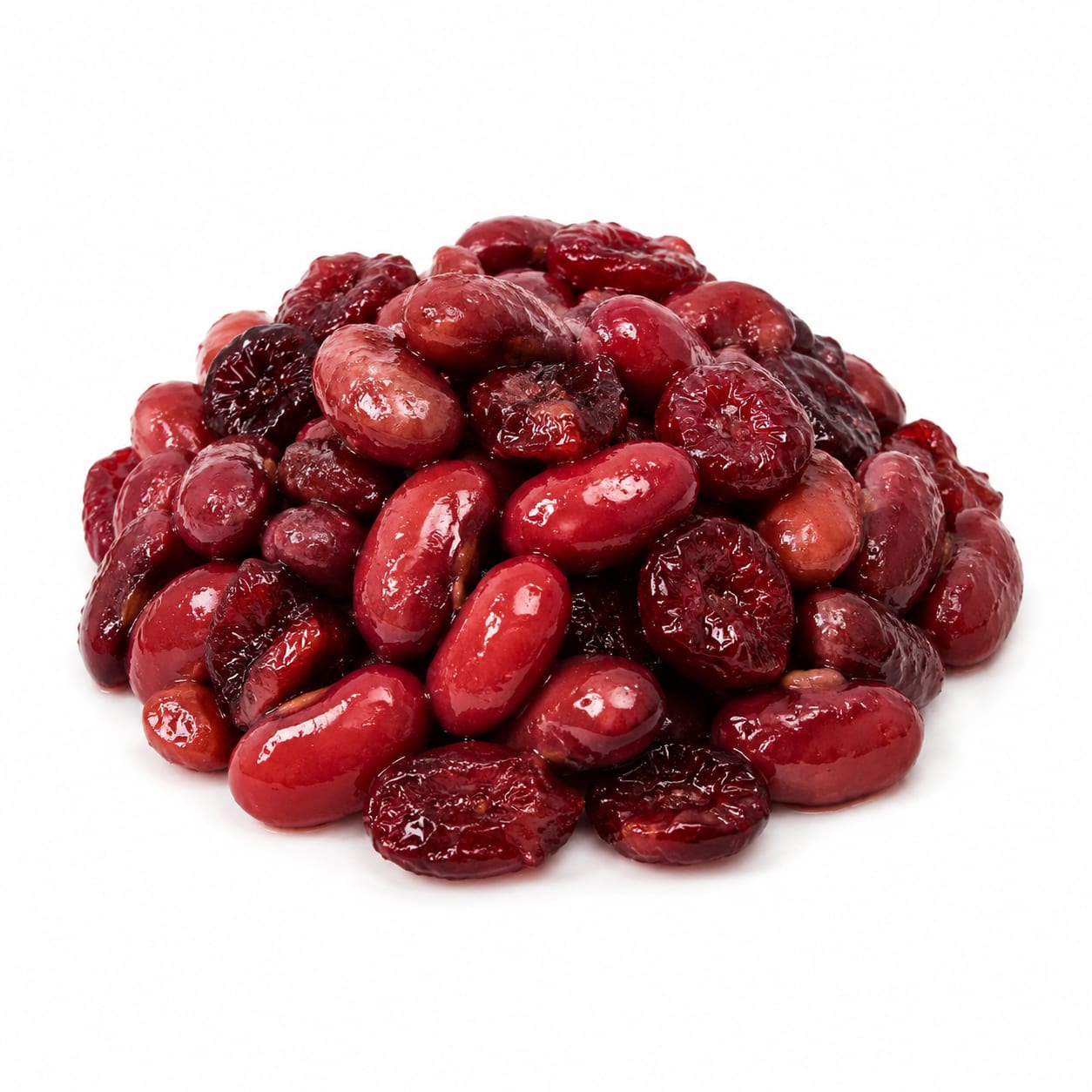
Cranberry Bean
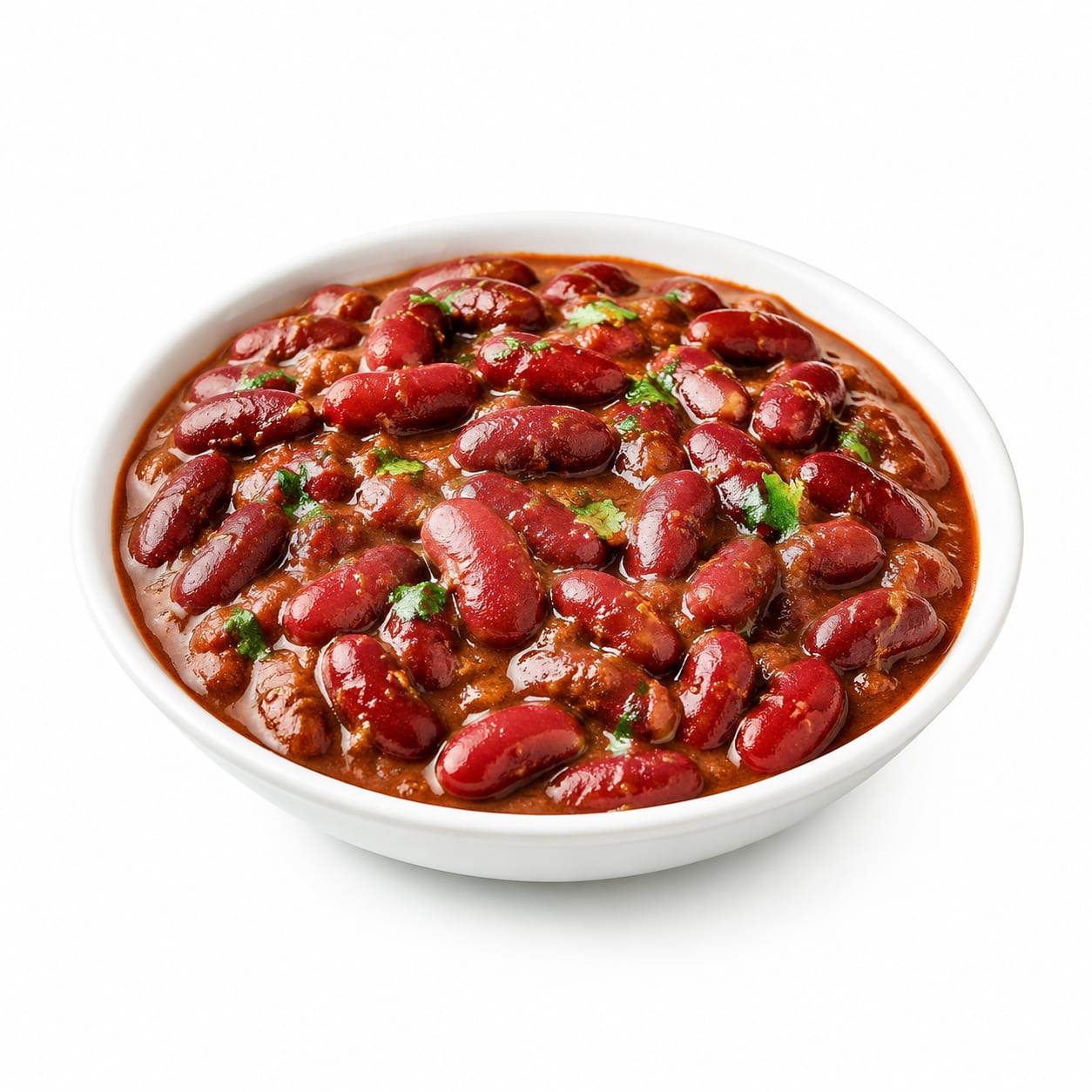
Kidney Bean
Nutritionally near-identical, but kidney beans carry a real undercooking toxicity risk while offering more antioxidants; cranberry beans are gentler on digestion and safer to prepare casually.
Cranberry beans edge ahead primarily on safety and digestibility. Kidney beans are nutritionally competitive and win on antioxidants, but the phytohaemagglutinin risk — even if manageable — is a meaningful real-world penalty that affects how casually you can cook them.
Kidney beans give you more antioxidants and slightly more minerals but demand careful cooking to avoid lectin poisoning — cranberry beans are the safer, softer everyday choice.
At a glance
Executive summary
Overall
It depends
Healthier
It depends
More practical
Cranberry Bean
Daily use
Cranberry Bean
Key comparison lenses
toxin safety comparison
Kidney beans contain significantly higher levels of phytohaemagglutinin, a lectin that can cause serious food poisoning if undercooked — this is the single most important differentiator
digestive tolerance
Bean choice often comes down to which is gentler on the stomach, and cranberry beans are notably easier to digest
protein and mineral density
Both are staple plant proteins, so subtle differences in iron, folate, and protein content matter for daily meal planning
antioxidant profile
Kidney beans' dark red pigment signals higher anthocyanin content, a meaningful antioxidant advantage
culinary versatility
Texture and flavor differences affect which dishes each bean excels in
Best choice for
Cranberry Bean
- People with sensitive digestion or IBS
- Casual home cooks who sometimes cut cooking corners
- Anyone wanting a creamier, milder bean for soups and stews
- Families cooking for young children
Kidney Bean
- Chili and robust stew recipes needing structural integrity
- People prioritizing maximum antioxidant intake
- Anyone wanting slightly more iron and folate per serving
- Meal preppers who batch-cook and freeze portions
Least suitable for
Cranberry Bean
- Recipes requiring a firm bean that holds its shape under long cooking
- People seeking the highest possible antioxidant density from beans
Kidney Bean
- Anyone prone to rushing bean preparation or using slow cookers without pre-boiling
- People with lectin sensitivity or chronic digestive issues
- Beginners unfamiliar with proper bean safety protocols
Deep comparison
Dimension by dimension
Each lens scores both foods and breaks down who each option suits.
- Dimension 1 · Priority 95Cranberry Bean
toxin_safety
Cranberry Bean · 90Kidney Bean · 55Kidney beans contain some of the highest lectin levels among common beans; even 4-5 undercooked beans can cause nausea and vomiting.
Tradeoff
Kidney beans reward careful cooking with richer nutrition, but the margin for error is slim — slow cookers are actually risky without pre-boiling.
Why it matters
This is not theoretical. Outbreaks of kidney bean poisoning are documented in medical literature, especially from slow cookers that never reach boiling temperature.
Real-world impact
If you batch-cook beans in a slow cooker and skip the 10-minute hard boil step, kidney beans can make you genuinely sick. Cranberry beans are far more forgiving.
Cranberry Bean
- Casual weeknight cooking
- Slow cooker recipes without pre-boiling
- Cooking for children who may eat underdone portions
Better for
- None significant — cranberry beans have negligible lectin risk
Worse for
Kidney Bean
- Situations where you always properly soak and boil beans anyway
Better for
- Impromptu cooking without time for proper soaking and boiling
- Anyone using a slow cooker as their primary bean-cooking method
Worse for
- Dimension 2 · Priority 85Cranberry Bean
digestive_tolerance
Cranberry Bean · 82Kidney Bean · 68Cranberry beans are creamier and produce less gas for most people, while kidney beans are firmer and more likely to cause bloating.
Tradeoff
The firmer texture of kidney beans makes them better for dishes that simmer for hours, but that same structural density can be harder on sensitive stomachs.
Why it matters
For people with IBS or who avoid beans because of gas, cranberry beans are a noticeably gentler entry point.
Real-world impact
If beans typically make you bloated, cranberry beans in a light soup will likely feel better in your stomach than a kidney bean chili.
Cranberry Bean
- IBS sufferers
- Bean newcomers reintroducing legumes
- Light lunches where you want energy without heaviness
Better for
- Dishes where a mushy bean would be disappointing
Worse for
Kidney Bean
- Hearty meals where firmness is a culinary asset
Better for
- Evening meals before a restful night if you are prone to bloating
Worse for
- Dimension 3 · Priority 78Kidney Bean
antioxidant_density
Cranberry Bean · 62Kidney Bean · 85The deep red color of kidney beans comes from anthocyanins — the same family of antioxidants found in blueberries — which cranberry beans lack in meaningful amounts.
Tradeoff
You gain measurable antioxidant protection from kidney beans but sacrifice the softer, creamier eating experience of cranberry beans.
Why it matters
Anthocyanins are linked to reduced inflammation and better vascular health. Getting them from a staple food like beans is genuinely useful.
Real-world impact
Eating kidney beans regularly contributes to your daily antioxidant intake in a way that cranberry beans simply cannot match.
Cranberry Bean
- Meals where antioxidant density is not the priority
Better for
- Anyone specifically building a high-antioxidant diet
Worse for
Kidney Bean
- Anti-inflammatory eating patterns
- People who do not eat berries regularly and need antioxidant sources elsewhere
- Long-term cardiovascular health strategies
Better for
- Situations where the stronger flavor overpowers delicate dishes
Worse for
- Dimension 4 · Priority 75Kidney Bean
protein_and_mineral_content
Cranberry Bean · 72Kidney Bean · 78Kidney beans offer slightly more protein, iron, and folate per serving. The differences are modest but consistent.
Tradeoff
The mineral advantage is real but small — roughly 5-10% more iron and folate. Not enough to matter unless beans are your primary protein source.
Why it matters
For vegetarians relying heavily on beans, that extra iron and folate adds up over the week.
Real-world impact
If you eat beans daily as a protein staple, kidney beans give you a slight nutritional edge. If you eat them a few times a week, the difference is negligible.
Cranberry Bean
- Meals where the mineral gap is offset by other ingredients
Better for
- Diets where beans are the dominant protein and mineral source
Worse for
Kidney Bean
- Vegetarian and vegan diets where every gram of iron counts
- Pregnant women needing extra folate from food sources
Better for
- None — kidney beans are nutritionally competitive or superior across most metrics
Worse for
- Dimension 5 · Priority 68It depends
culinary_versatility
Cranberry Bean · 74Kidney Bean · 76Cranberry beans excel in creamy soups, risottos, and Mediterranean dishes. Kidney beans dominate in chili, curries, and any dish needing structural integrity.
Tradeoff
Cranberry beans break down beautifully into broths but disappear in long simmers. Kidney beans hold their shape but never get creamy.
Why it matters
Choosing the wrong bean for a recipe is more noticeable than the nutritional differences between them.
Real-world impact
A cranberry bean chili will feel mushy and wrong. A kidney bean risotto will feel chunky and wrong. Pick based on the dish first, nutrition second.
Cranberry Bean
- Italian and Mediterranean recipes
- Creamy soups and stews
- Pasta e fagioli and similar brothy dishes
Better for
- Any dish simmered over 2 hours where bean structure matters
Worse for
Kidney Bean
- Chili con carne and vegetarian chili
- Rajma and other Indian curries
- Salads where you want distinct firm beans
Better for
- Dishes where a creamy, melting texture is the goal
Worse for
Timeline
Health impact over time
Short-term
Hours to days
Cranberry Bean
- Gentler on digestion with less gas production than most beans
- Steady energy without heaviness when eaten at lunch
- Very low risk of lectin-related illness even if slightly undercooked
Kidney Bean
- More filling due to firmer texture and slightly higher protein
- Higher likelihood of bloating or gas, especially if you are not used to beans
- Real risk of nausea, vomiting, and abdominal pain if undercooked — even small amounts
Long-term
Months to years
Cranberry Bean
- Consistent daily consumption supports heart health without digestive burden
- Lower antioxidant contribution compared to darker beans
- Sustainable for people who have abandoned beans due to digestive issues
Kidney Bean
- Higher anthocyanin intake supports vascular and cognitive health over decades
- Iron and folate advantages compound for vegetarian and pregnant populations
- Requires lifelong careful cooking habits — one lapse can cause acute illness
Risk profile
Safety & processing
Both beans are whole, minimally processed foods when bought dried. Canned versions may contain added sodium, but the beans themselves are equally natural.
Cranberry Bean
Lectin exposure
lowCranberry beans contain low levels of phytohaemagglutinin. Standard cooking eliminates any concern, and illness from undercooked cranberry beans is extremely rare.
Canned sodium
lowCanned cranberry beans can contain 400-500mg sodium per serving. Rinsing removes about 40% of added salt.
Kidney Bean
Phytohaemagglutinin poisoning
highKidney beans contain the highest lectin levels among common beans. As few as 4-5 raw or undercooked beans can cause severe nausea, vomiting, and diarrhea. Slow cookers are particularly dangerous because they may not reach the boiling temperature needed to destroy the toxin. Always soak for 5+ hours and boil vigorously for at least 10 minutes.
Canned sodium
lowSame as cranberry beans — canned versions add sodium that should be rinsed off.
Who wins for whom
Audience fit
Same foods, different winners depending on your goal.
children
Cranberry BeanCranberry beans are safer to prepare, softer to chew, and milder in flavor. The lectin risk with kidney beans is a genuine concern when cooking for kids who may eat variable portions at variable doneness.
daily consumption
Cranberry BeanDaily use demands a food that is forgiving to prepare and gentle on the stomach. Cranberry beans win on both counts. Kidney beans are fine daily if you are meticulous about cooking, but the safety requirement adds friction.
diabetes
It dependsBoth have nearly identical glycemic loads and fiber content. Either is an excellent choice for blood sugar stability. The practical difference is negligible.
elderly
Cranberry BeanSofter texture is easier to chew and digest. Lower gas production matters more as digestion slows with age. The safety margin on undercooking is also relevant for elderly people living alone who may not cook as carefully.
muscle gain
Kidney BeanKidney beans provide slightly more protein per serving and pair better with rice for a complete amino acid profile. The difference is small but consistent.
weight loss
It dependsBoth are equally filling and calorically similar. Cranberry beans may feel lighter in the stomach, while kidney beans feel more substantial. Pick based on which you enjoy more — adherence matters more than the tiny caloric gap.
Your move
Decision guide
Choose Cranberry Bean
- You have ever experienced digestive discomfort from beans
- You use a slow cooker and do not always pre-boil your beans
- You prefer creamy, mild-flavored beans in soups and Mediterranean dishes
- You are cooking for children or elderly family members
- You want a bean you can prepare casually without safety worries
Choose Kidney Bean
- You are making chili, rajma, or any dish where firm beans are essential
- You eat beans daily and want the antioxidant and mineral advantage
- You always soak and boil your beans properly and never cut corners
- You do not eat berries or other anthocyanin-rich foods regularly
- You want the most nutritionally dense red bean for a vegetarian diet
Either works if
- You are adding beans to a salad and either texture works
- You are eating beans 2-3 times per week and the nutritional gap is trivial
- You are already eating a varied diet rich in antioxidants from other sources
Avoid both if
- You have a diagnosed legume allergy
- You are in the acute phase of a FODMAP elimination diet
- You have severe kidney disease requiring strict potassium restriction
Final recommendation
For most people, cranberry beans are the smarter everyday choice — safer to cook, easier to digest, and nearly as nutritious. Reach for kidney beans when the recipe demands them or when you are deliberately maximizing antioxidant intake, but always soak and boil them properly. The nutritional gap between these two is small; the safety and comfort gap is not.
Practical
Consumer tips
- 1
If buying canned kidney beans, the canning process destroys lectins, so canned versions are safe without additional boiling — just rinse off the sodium.
- 2
Never cook raw kidney beans in a slow cooker without boiling them for 10 minutes first. This is the most common cause of bean poisoning.
- 3
Cranberry beans lose their beautiful speckled pattern when cooked — this is normal and not a quality issue.
- 4
Dried cranberry beans cook slightly faster than dried kidney beans, typically 45-60 minutes versus 60-90 minutes after soaking.
- 5
If you are new to beans and worried about gas, start with cranberry beans. They are the gentlest common variety.
- 6
Both beans freeze beautifully after cooking. Make a large batch, portion, and freeze for up to 3 months.