
Nutrition comparison
Cranberry Beans vs Chickpeas: Nutrition, Digestion, and Which to Choose
Compare cranberry beans and chickpeas on protein, fiber, calories, digestion, and versatility. Find out which legume fits your health goals and cooking style better.
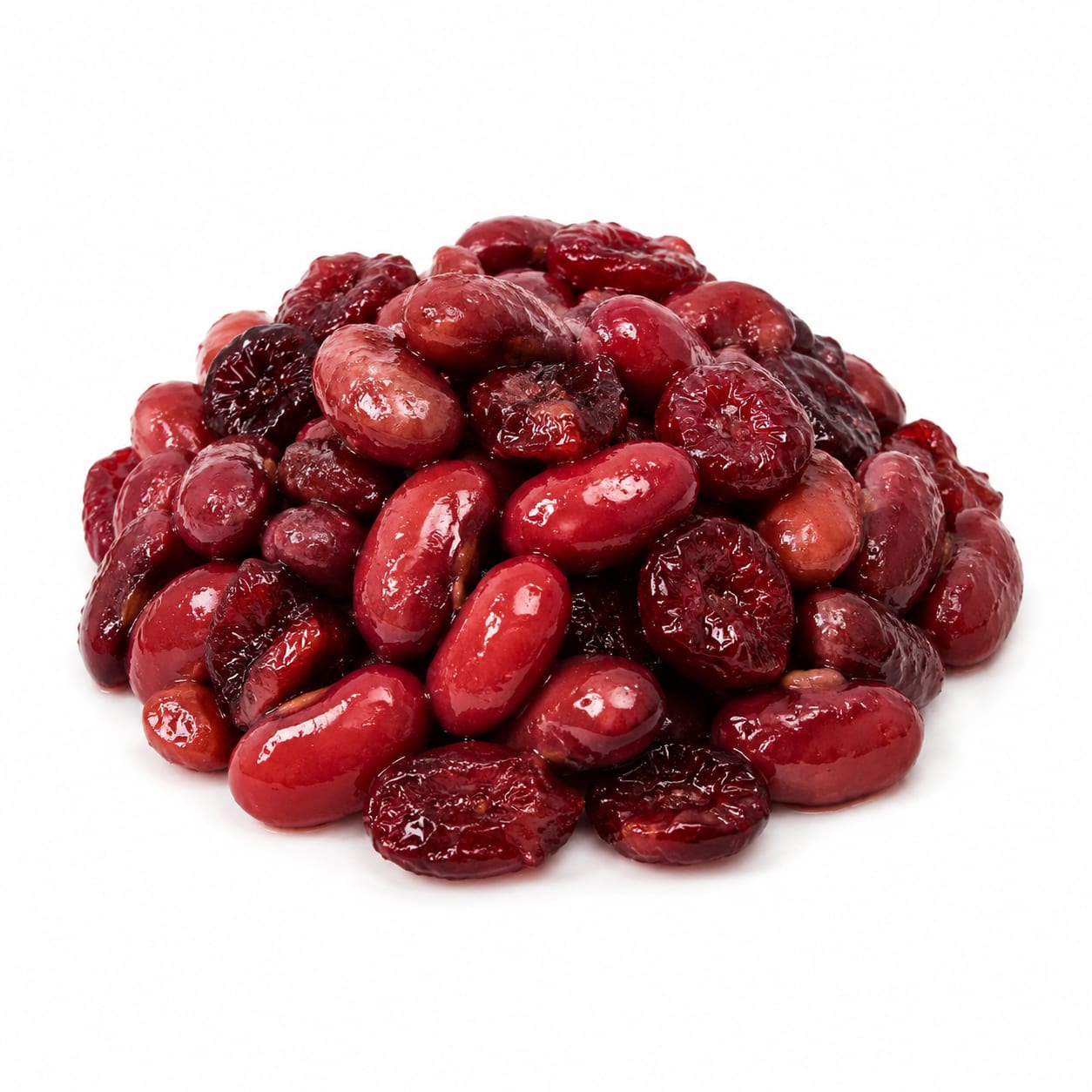
Cranberry Bean
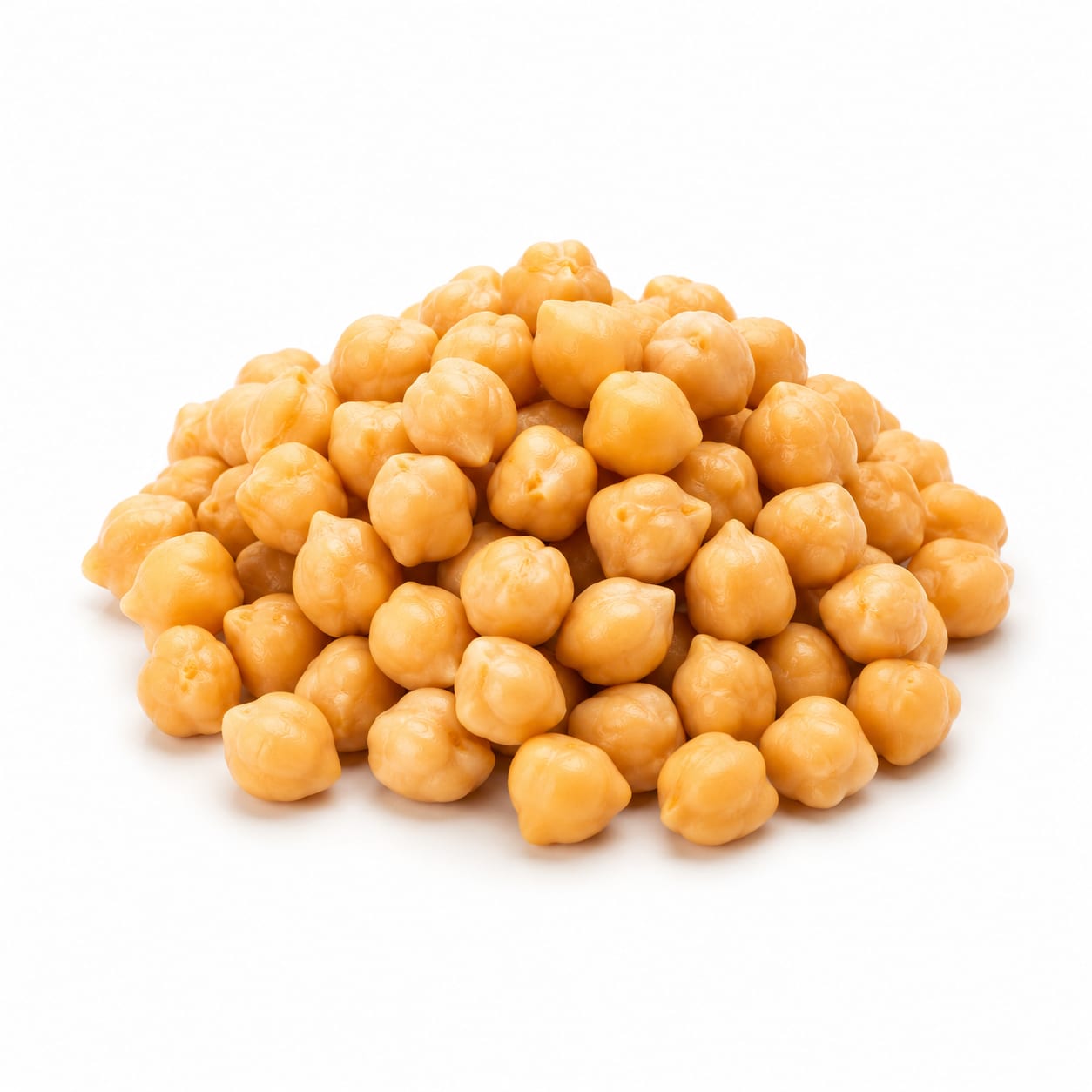
Chickpea
Chickpeas win on versatility and availability; cranberry beans win on calorie efficiency and fiber density. Both are excellent legume choices with different practical strengths.
Chickpeas score higher due to broader culinary utility, slightly better protein content, and unmatched availability. Cranberry beans are nutritionally competitive, especially on fiber and calorie efficiency, but their niche status and limited recipe ecosystem hold them back for everyday use.
Chickpeas offer more recipe flexibility and slightly more protein, while cranberry beans deliver more fiber per calorie and a lighter digestive experience for some people.
At a glance
Executive summary
Overall
It depends
Healthier
It depends
More practical
Chickpea
Daily use
Chickpea
Key comparison lenses
plant-based protein source selection
Both are top-tier legume protein options, and users are likely deciding which to stock in their kitchen for regular meals
digestive tolerance and gut health
Beans are notorious for causing gas; users want to know which is gentler on digestion
weight management and satiety
Calorie density and fullness differ meaningfully between these two legumes
culinary versatility and meal prep practicality
Chickpeas dominate global recipes; cranberry beans are more niche, affecting how easily users can incorporate them
blood sugar management
Both are low-glycemic but fiber profiles differ, impacting glucose stability
Best choice for
Cranberry Bean
- Maximizing fullness on fewer calories
- Boosting daily fiber intake without adding bulk
- Those who find chickpeas cause bloating
- Soups and stews where a creamier texture is preferred
- Lighter meals that still feel satisfying
Chickpea
- Meal prep enthusiasts who want one legume for everything
- Hummus, curries, and roasted snacks
- Building muscle with slightly higher protein density
- Anyone who values pantry staple availability
- Families wanting kid-friendly legume options
Least suitable for
Cranberry Bean
- People who need quick canned options at any grocery store
- Recipes requiring firm texture that holds shape
- Those unfamiliar with cooking dried beans
- Anyone wanting instant recipe variety from food blogs
Chickpea
- Strict calorie counters who want maximum volume per calorie
- People sensitive to higher fat content in legumes
- Those who experience significant gas from chickpeas specifically
- Recipes needing a softer, more melt-in texture
Deep comparison
Dimension by dimension
Each lens scores both foods and breaks down who each option suits.
- Dimension 1 · Priority 92Chickpea
Protein Quality and Quantity
Cranberry Bean · 72Chickpea · 80Chickpeas provide slightly more protein per serving and have marginally better amino acid diversity, making them a more reliable plant-based protein anchor.
Tradeoff
The protein gap is modest—about 1-2g per cup cooked—so cranberry beans still pull their weight in protein-focused meals.
Why it matters
For vegetarians and vegans, every gram of protein matters, especially when relying on a single legume as a primary source.
Real-world impact
A chickpea-based dinner gets you closer to your daily protein target without needing an extra protein source.
Cranberry Bean
- Lighter meals where protein is supplemented elsewhere
Better for
- Meals where beans are the sole protein source
Worse for
Chickpea
- Vegans relying heavily on legumes for protein
- Athletes needing efficient plant protein sources
- Single-food protein bowls
Better for
- Those who find higher protein portions too filling
Worse for
- Dimension 2 · Priority 90Cranberry Bean
Fiber Density and Satiety
Cranberry Bean · 88Chickpea · 75Cranberry beans deliver more fiber per calorie, keeping you full longer without consuming as much energy.
Tradeoff
Chickpeas still provide solid fiber, but you eat more calories to get the same fullness effect.
Why it matters
Fiber is the single biggest driver of natural appetite control. More fiber per calorie means easier portion management without feeling deprived.
Real-world impact
A cup of cranberry beans at lunch can keep afternoon hunger at bay better than the same volume of chickpeas, with fewer calories consumed.
Cranberry Bean
- Weight loss diets where calorie efficiency matters
- People who struggle with between-meal snacking
- Anyone needing to feel full on less food
Better for
- Situations where you need higher calorie intake
Worse for
Chickpea
- Those who find very high fiber uncomfortable
Better for
- Calorie-conscious eaters wanting maximum fullness
Worse for
- Dimension 3 · Priority 85Cranberry Bean
Digestive Tolerance
Cranberry Bean · 78Chickpea · 68Cranberry beans tend to be gentler on the digestive system for many people, producing less gas and bloating than chickpeas.
Tradeoff
Individual responses vary wildly—some people tolerate chickpeas perfectly fine while cranberry beans bother them.
Why it matters
No matter how nutritious a food is, if it causes discomfort, you will not keep eating it long-term.
Real-world impact
If chickpeas leave you bloated after lunch, cranberry beans might be your go-to legume that you actually look forward to eating.
Cranberry Bean
- People with sensitive digestion
- Those who avoid beans due to gas concerns
- Gradual introduction of legumes into the diet
Better for
- Anyone with specific cranberry bean sensitivities
Worse for
Chickpea
- People already adapted to regular legume consumption
Better for
- New legume eaters worried about social discomfort from gas
Worse for
- Dimension 4 · Priority 88Chickpea
Culinary Versatility
Cranberry Bean · 55Chickpea · 93Chickpeas are one of the most versatile foods on the planet—hummus, curries, salads, roasted snacks, pasta alternatives, and baking. Cranberry beans are more limited.
Tradeoff
Cranberry beans excel in specific dishes like Italian soups and stews, but they lack the global recipe infrastructure that chickpeas enjoy.
Why it matters
A food you can cook 50 ways gets eaten 50 times. A food you can cook 5 ways gets old fast.
Real-world impact
With chickpeas, you can meal-prep on Sunday and eat differently flavored meals all week. Cranberry beans tend to repeat the same flavor profile.
Cranberry Bean
- Traditional Italian and Portuguese recipes
- Creamy soups where texture matters more than form
Better for
- Anyone bored by repetitive meals
- Snack preparation
Worse for
Chickpea
- Meal prep variety
- Snack creation like roasted chickpeas
- Hummus and dips
- Curries and grain bowls
- Kid-friendly presentations
Better for
- Recipes specifically requiring a softer bean texture
Worse for
- Dimension 5 · Priority 78Chickpea
Micronutrient Profile
Cranberry Bean · 74Chickpea · 80Chickpeas edge ahead with more folate, iron, and manganese. Cranberry beans offer more potassium and comparable magnesium.
Tradeoff
Both are micronutrient powerhouses; the differences are meaningful but not dramatic enough to be the deciding factor alone.
Why it matters
Folate supports cell repair and energy, iron prevents fatigue, and potassium manages blood pressure. These add up over months of regular consumption.
Real-world impact
Eating chickpeas regularly gives you a slight edge in preventing iron-deficiency fatigue and supporting prenatal nutrition needs.
Cranberry Bean
- Blood pressure management through higher potassium
- Electrolyte balance for active individuals
Better for
- Iron-deficient individuals
Worse for
Chickpea
- Pregnant women needing folate
- Those at risk for iron deficiency
- Bone health through manganese content
Better for
- Those already meeting iron needs through other sources
Worse for
- Dimension 6 · Priority 82Chickpea
Availability and Convenience
Cranberry Bean · 45Chickpea · 92Chickpeas are available in virtually every grocery store worldwide in canned, dried, and even roasted forms. Cranberry beans require specialty stores or online ordering in many regions.
Tradeoff
If you can find cranberry beans easily, this disadvantage disappears. But for most people, chickpeas are simply more accessible.
Why it matters
The healthiest food is the one you can actually buy. Availability determines whether a food becomes a habit or a one-time experiment.
Real-world impact
At 9 PM on a Tuesday, you can find canned chickpeas at any corner store. Cranberry beans require planning and often a trip to a specialty market.
Cranberry Bean
- Regions where cranberry beans are culturally common
- Farmers market shoppers in season
Better for
- Rural areas with limited specialty options
- Spontaneous cooking sessions
Worse for
Chickpea
- Busy people who shop at standard grocery stores
- Anyone who relies on pantry staples
- Last-minute meal situations
Better for
- Those who prefer to avoid mass-produced canned goods
Worse for
- Dimension 7 · Priority 80Cranberry Bean
Blood Sugar Stability
Cranberry Bean · 84Chickpea · 78Both are low-glycemic, but cranberry beans have a slight edge due to higher fiber-to-carb ratio, which slows glucose absorption more effectively.
Tradeoff
The difference is modest. Both are excellent choices compared to nearly any other carb source.
Why it matters
Steadier blood sugar means fewer energy crashes, less cravings, and better long-term metabolic health.
Real-world impact
After a cranberry bean meal, you may notice slightly less of an afternoon energy dip compared to chickpeas, though both perform well.
Cranberry Bean
- Diabetics optimizing for the lowest glycemic response
- Those prone to energy crashes after meals
Better for
- Situations requiring quicker energy availability
Worse for
Chickpea
- Pre-workout meals where slightly faster energy release is helpful
Better for
- Blood sugar-sensitive individuals comparing legume options
Worse for
Timeline
Health impact over time
Short-term
Hours to days
Cranberry Bean
- Strong fullness after meals due to high fiber density
- Possible mild digestive adjustment if new to high-fiber beans
- Steady energy without sugar spikes
- Lower calorie intake for the same feeling of satisfaction
Chickpea
- Satisfying meals with slightly more caloric load
- More pronounced gas and bloating for those unaccustomed to legumes
- Sustained energy for several hours after eating
- Versatile enough to prevent meal fatigue
Long-term
Months to years
Cranberry Bean
- Improved cholesterol from consistent high fiber intake
- Better weight maintenance through natural appetite regulation
- Reduced diabetes risk from stable blood sugar patterns
- Possible difficulty maintaining variety without creative cooking
Chickpea
- Strong cardiovascular benefits from regular legume consumption
- Improved gut microbiome diversity from prebiotic fiber
- Better iron status, especially for menstruating women
- Easier long-term adherence due to recipe variety and availability
Risk profile
Safety & processing
Both cranberry beans and chickpeas are whole foods in their natural state. Canned versions may contain added sodium, but rinsing reduces this significantly. Dried versions of both are as natural as food gets—no additives, no processing, just harvested and dried.
Cranberry Bean
Undercooking toxicity
mediumLike all raw kidney bean relatives, undercooked cranberry beans contain phytohaemagglutinin, which can cause nausea and vomiting. Always boil thoroughly for at least 10 minutes.
Canned sodium content
lowCanned cranberry beans can contain 300-500mg sodium per serving. Rinsing removes about 40% of added salt.
Chickpea
Canned sodium content
lowCanned chickpeas often contain 400-600mg sodium per serving. Rinsing helps but does not eliminate all added salt.
BPA exposure from can linings
lowSome canned chickpeas use BPA-lined cans. Choosing dried or BPA-free canned options eliminates this concern.
Who wins for whom
Audience fit
Same foods, different winners depending on your goal.
children
ChickpeaChickpeas can be made into hummus, roasted snacks, and hidden in pasta dishes—forms that children actually enjoy eating.
daily consumption
ChickpeaRecipe variety and availability make chickpeas easier to eat daily without getting bored or running out of meal ideas.
diabetes
Cranberry BeanHigher fiber-to-carb ratio produces a slightly gentler blood sugar response, though both are excellent diabetic-friendly foods.
elderly
Cranberry BeanSofter texture when cooked and easier digestion make cranberry beans more suitable for aging digestive systems that struggle with gas.
muscle gain
ChickpeaSlightly higher protein content and better amino acid profile support muscle repair, especially when combined with grain proteins.
weight loss
Cranberry BeanMore fiber per calorie means greater fullness with less energy intake, making it easier to maintain a calorie deficit without feeling deprived.
Your move
Decision guide
Choose Cranberry Bean
- You want maximum fullness on fewer calories
- Chickpeas cause you bloating or gas
- You love Italian-style soups and stews
- You are focused on blood sugar optimization
- You prefer a softer, creamier bean texture
Choose Chickpea
- You want one legume that works in dozens of recipes
- Meal prep variety is important to you
- You need reliable grocery store availability
- You are building muscle and want slightly more protein
- You have kids who need kid-friendly bean presentations
Either works if
- You simply want a healthy plant-based protein source
- You are already eating a varied diet with multiple protein sources
- You enjoy cooking and want to experiment with both
- Your primary goal is general health and longevity
Avoid both if
- You have a diagnosed legume allergy
- You are in an acute gout flare and need to limit purines temporarily
- You have severe IBS and have not yet reintroduced legumes under guidance
Final recommendation
Keep chickpeas as your daily driver for their unmatched versatility and availability, but add cranberry beans when you find them—they offer a lighter, fiber-rich alternative that keeps meals interesting and your digestion happier. The best legume is the one you will actually eat regularly, and for most people, that is chickpeas. But if cranberry beans are accessible to you, they deserve a permanent spot in your rotation.
Practical
Consumer tips
- 1
Buy dried chickpeas in bulk—they are cheaper and let you control sodium completely
- 2
Soak both beans overnight to reduce gas-causing oligosaccharides by up to 75%
- 3
Rinse canned versions thoroughly to remove about 40% of added sodium
- 4
If new to legumes, start with quarter-cup servings and increase gradually over two weeks
- 5
Cranberry beans cook faster than chickpeas—about 45 minutes vs 60-90 minutes for dried
- 6
Add a strip of kombu seaweed while cooking beans to further reduce gas-producing compounds
- 7
Freeze cooked beans in portioned bags for instant meal prep convenience
- 8
Try swapping cranberry beans into any white bean recipe for a nutrition upgrade