
Nutrition comparison
Cranberry Beans vs Cannellini Beans: Nutrition, Taste, and Which to Choose
Compare cranberry beans and cannellini beans side by side. Learn which has more fiber, antioxidants, and protein, and which is easier to digest and cook with.
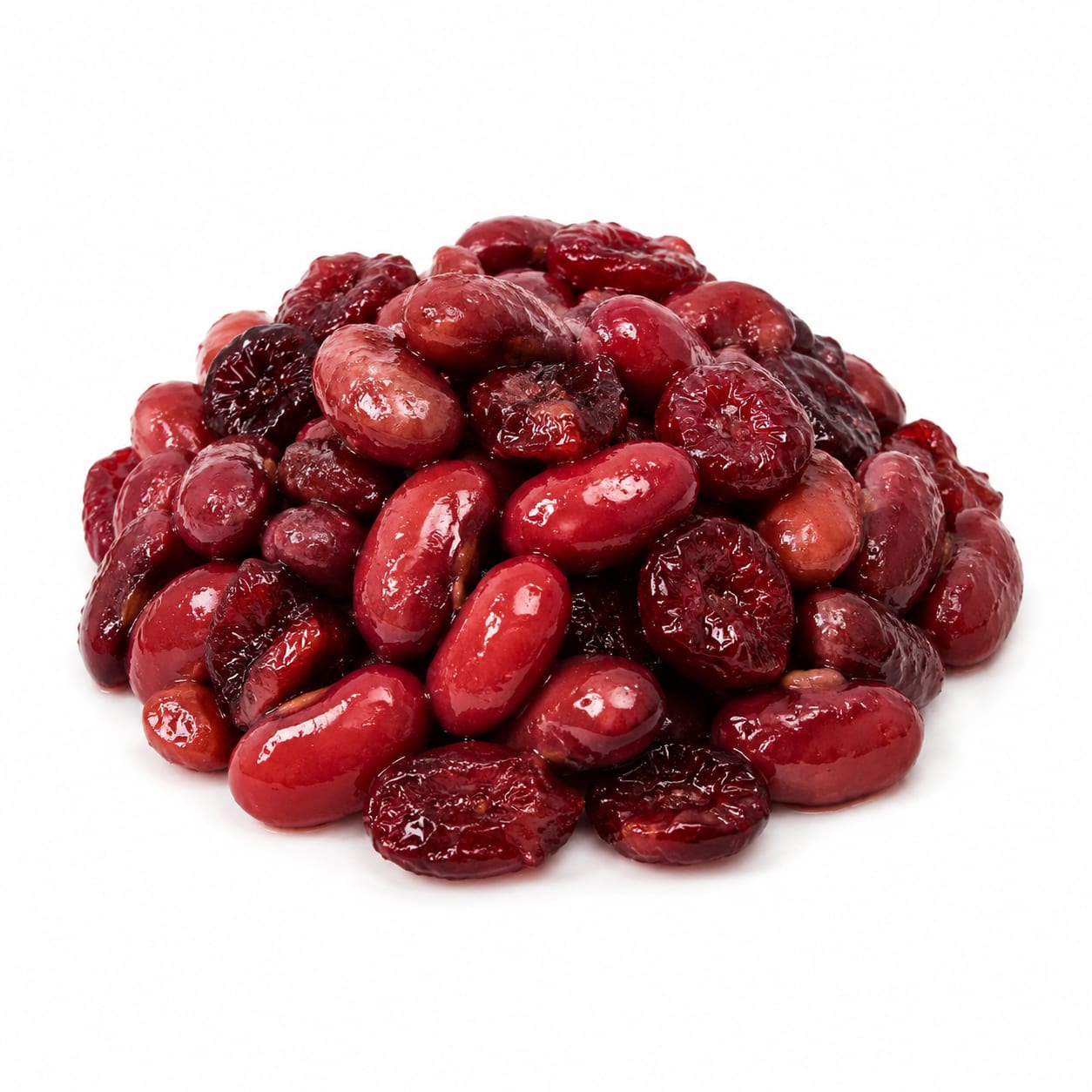
Cranberry Bean
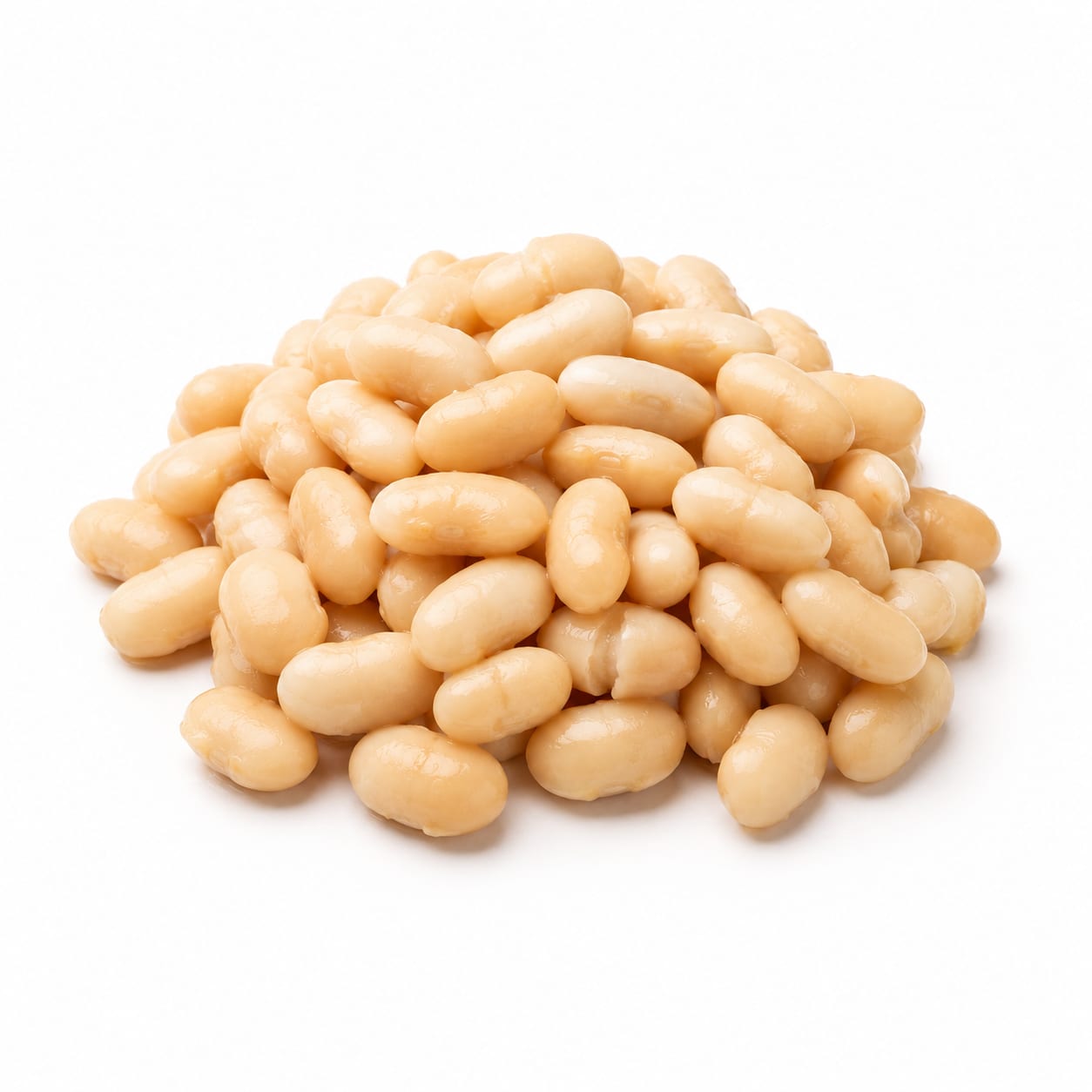
Cannellini Bean
Cranberry beans deliver more fiber and antioxidants, while cannellini beans offer creamier texture and slightly easier digestion. Both are excellent choices with different strengths.
Cranberry beans score slightly higher due to superior fiber and antioxidant content, but cannellini beans remain competitive thanks to better culinary adaptability and easier digestion. The gap is small because both are nutrient-dense whole foods.
Nutritional edge goes to cranberry beans, but cannellini beans win on culinary flexibility and digestive comfort.
At a glance
Executive summary
Overall
It depends
Healthier
Cranberry Bean
More practical
Cannellini Bean
Daily use
It depends
Key comparison lenses
nutritional density comparison
Both are whole-food legumes with subtle but meaningful micronutrient differences that affect daily nutrition
fiber and satiety
Fiber content differs enough to impact fullness and blood sugar stability between these beans
antioxidant and phytonutrient value
Cranberry beans have colored skins with significantly more antioxidants than white cannellini beans
culinary versatility and meal integration
Texture and flavor differences affect how easily each bean fits into everyday cooking
digestive tolerance
Bean selection often comes down to which is gentler on the stomach for regular consumption
Best choice for
Cranberry Bean
- People maximizing antioxidant intake
- Those needing extra fiber for satiety or digestion
- Anyone managing blood sugar who wants the slowest carb absorption
- Home cooks making hearty stews or chili where color and texture add appeal
Cannellini Bean
- People with sensitive digestion who need a gentler bean
- Anyone wanting a creamy, neutral-flavored bean for soups and dips
- Meal preppers who want a versatile pantry staple
- Those new to eating beans regularly who need an easy entry point
Least suitable for
Cranberry Bean
- People who find tougher-skinned beans uncomfortable to digest
- Recipes requiring a smooth, creamy bean texture
- Anyone avoiding visually speckled or colored beans in dishes
Cannellini Bean
- Those specifically seeking maximum antioxidant content from legumes
- People who need the highest fiber per serving
- Anyone wanting a more visually interesting or flavorful bean as a centerpiece
Deep comparison
Dimension by dimension
Each lens scores both foods and breaks down who each option suits.
- Dimension 1 · Priority 92Cranberry Bean
fiber_and_satiety
Cranberry Bean · 88Cannellini Bean · 75Cranberry beans provide roughly 25% more fiber per serving, keeping you fuller longer and slowing carb absorption more effectively.
Tradeoff
That extra fiber can mean more bloating if your gut is not accustomed to high-fiber meals.
Why it matters
Higher fiber directly translates to steadier energy, fewer cravings between meals, and better long-term gut health.
Real-world impact
A cranberry bean lunch keeps hunger at bay for an extra hour or two compared to cannellini beans, but may cause gas if you eat a large portion without ramping up fiber gradually.
Cranberry Bean
- Sustained fullness between meals
- Blood sugar control
- Long-term gut microbiome support
Better for
- Risk of bloating when consumed in large amounts
- Takes more time for the gut to adapt
Worse for
Cannellini Bean
- Sensitive stomachs that struggle with high fiber loads
- Gradual fiber introduction for people new to legumes
Better for
- Less hunger protection between meals
- Slightly faster blood sugar rise after eating
Worse for
- Dimension 2 · Priority 85Cranberry Bean
antioxidant_and_phytonutrient_content
Cranberry Bean · 90Cannellini Bean · 55The mottled red and pink skins of cranberry beans contain anthocyanins and other flavonoids that white cannellini beans simply lack.
Tradeoff
You gain meaningful antioxidant protection with cranberry beans, but lose the neutral visual appeal of white beans in lighter-colored dishes.
Why it matters
Antioxidants from bean skins help reduce chronic inflammation and protect cells from oxidative damage over decades.
Real-world impact
Eating cranberry beans regularly is like adding a mild anti-inflammatory supplement to your diet. Cannellini beans still offer health benefits, but miss this extra protective layer.
Cranberry Bean
- Long-term inflammation reduction
- Cellular protection against oxidative stress
- Adding visual interest and variety to meals
Better for
- Bleeds color into light-colored soups or stews
- Less visually neutral for picky eaters
Worse for
Cannellini Bean
- Recipes where bean color would clash
- People who find strongly colored beans unappetizing
Better for
- Missing an entire class of protective phytonutrients
- Less nutritional diversity over time
Worse for
- Dimension 3 · Priority 80Cannellini Bean
culinary_versatility
Cranberry Bean · 68Cannellini Bean · 88Cannellini beans have a creamier interior and milder flavor that blends into almost any dish, while cranberry beans hold their shape more firmly and taste earthier.
Tradeoff
Cannellini beans disappear beautifully into soups and dips but lack the visual and textural presence of cranberry beans in grain bowls or salads.
Why it matters
A bean you actually enjoy cooking with gets eaten more often, which matters more than a slight nutritional edge on paper.
Real-world impact
Cannellini beans mash into creamy dips, thicken soups without standing out, and work in everything from pasta to toast. Cranberry beans shine in rustic dishes but feel out of place in delicate recipes.
Cranberry Bean
- Hearty stews and chili where texture is welcome
- Grain bowls and salads as a featured ingredient
- Dishes where earthy flavor complements bold seasonings
Better for
- Does not mash or blend smoothly
- Earthy flavor can dominate subtle dishes
Worse for
Cannellini Bean
- Creamy soups and blended dips
- Pasta dishes like pasta e fagioli
- Any recipe needing a neutral, mild bean base
Better for
- Less interesting as a standalone or featured ingredient
- Can feel bland without strong seasoning
Worse for
- Dimension 4 · Priority 75Cannellini Bean
digestive_tolerance
Cranberry Bean · 65Cannellini Bean · 78Cannellini beans tend to be slightly easier on the digestive system due to their softer texture and marginally lower fiber concentration.
Tradeoff
Easier digestion comes with less fiber benefit, so you trade gut comfort for a smaller microbiome boost.
Why it matters
If beans cause discomfort, you will avoid them entirely. A gentler bean eaten regularly beats a tougher bean abandoned after two tries.
Real-world impact
For people transitioning to more plant-based meals, cannellini beans are a friendlier starting point. Cranberry beans may require a gradual ramp-up or pairing with digestive spices like cumin.
Cranberry Bean
- Experienced bean eaters with well-adapted gut bacteria
- People who already tolerate high-fiber foods comfortably
Better for
- Higher likelihood of gas and bloating
- Requires more gradual introduction
Worse for
Cannellini Bean
- Beginners adding legumes to their diet
- Anyone with irritable bowel syndrome or sensitive digestion
- Older adults with slower digestive systems
Better for
- Less prebiotic fiber to feed beneficial gut bacteria long-term
Worse for
- Dimension 5 · Priority 72Cranberry Bean
mineral_density
Cranberry Bean · 82Cannellini Bean · 76Cranberry beans edge out cannellini beans in iron and manganese, while cannellini beans offer slightly more potassium.
Tradeoff
Neither bean dramatically dominates here, but cranberry beans provide a small advantage for iron needs, especially relevant for vegetarians.
Why it matters
Iron is a common deficiency, and every bit counts in plant-based diets. Potassium matters for blood pressure, where cannellini beans slightly lead.
Real-world impact
For vegetarians and women of reproductive age, cranberry beans offer a modest but real iron advantage. For blood pressure management, cannellini beans have a slight edge.
Cranberry Bean
- Iron-deficient individuals and vegetarians
- Those needing more manganese for bone health
Better for
- Slightly less potassium per serving
Worse for
Cannellini Bean
- People focused on blood pressure management through potassium
- Those who get iron easily from other sources
Better for
- Less iron per serving, which matters for plant-based eaters
Worse for
Timeline
Health impact over time
Short-term
Hours to days
Cranberry Bean
- Stronger satiety after meals due to higher fiber content
- Possible bloating or gas if consumed in large portions without dietary adaptation
- Slower blood sugar rise compared to cannellini beans
Cannellini Bean
- Gentler digestive experience with less gas production
- Slightly faster digestion leaving you hungry sooner
- Creamy texture feels more comforting and easier to eat in larger quantities
Long-term
Months to years
Cranberry Bean
- Greater cumulative antioxidant intake from colored bean skins supporting reduced inflammation
- Better long-term blood sugar regulation from consistently higher fiber intake
- Stronger gut microbiome diversity from feeding beneficial bacteria more prebiotic fiber
Cannellini Bean
- Easier long-term adherence for people with sensitive digestion who might otherwise avoid beans
- Slightly better potassium intake supporting cardiovascular health over decades
- More consistent consumption due to culinary versatility, which compounds nutritional benefits
Risk profile
Safety & processing
Both cranberry beans and cannellini beans are whole, minimally processed foods when purchased dried or canned without additives. Canned versions may contain added sodium, so rinsing or choosing low-sodium cans is recommended for both.
Cranberry Bean
Phytohemagglutinin toxicity from undercooking
mediumLike all kidney-bean relatives, cranberry beans contain lectins that can cause nausea and vomiting if eaten raw or undercooked. Always boil for at least 10 minutes before slow cooking.
Sodium in canned varieties
lowCanned cranberry beans often contain added salt. Rinsing removes about 40% of sodium, but cooking from dried eliminates this concern entirely.
Cannellini Bean
Phytohemagglutinin toxicity from undercooking
mediumCannellini beans belong to the same family as kidney beans and carry similar lectin risks. Proper boiling before consumption is essential.
Sodium in canned varieties
lowSame sodium concern as cranberry beans. Rinsing or cooking from dried avoids this issue.
Who wins for whom
Audience fit
Same foods, different winners depending on your goal.
children
Cannellini BeanCannellini beans are softer, milder, and easier for kids to chew and digest. Their creamy texture blends into kid-friendly dishes like pasta and mashed spreads.
daily consumption
It dependsCannellini beans are easier to eat daily for most people due to gentler digestion, but cranberry beans offer more nutritional value if your gut tolerates them well.
diabetes
Cranberry BeanThe extra fiber in cranberry beans slows glucose absorption more effectively, leading to gentler blood sugar curves after meals.
elderly
Cannellini BeanSofter texture and easier digestion make cannellini beans more suitable for aging digestive systems that struggle with tougher, higher-fiber legumes.
muscle gain
Cranberry BeanCranberry beans offer slightly more protein per serving along with more iron, which supports oxygen delivery to working muscles.
weight loss
Cranberry BeanHigher fiber in cranberry beans provides stronger satiety, helping you eat less overall without feeling deprived.
Your move
Decision guide
Choose Cranberry Bean
- You want maximum nutritional return from every meal
- Blood sugar management is a top priority
- You enjoy rustic, hearty dishes where the bean is a featured ingredient
- You are already comfortable eating high-fiber foods regularly
Choose Cannellini Bean
- You have a sensitive stomach or are new to eating beans
- You want a versatile pantry staple that works in almost any recipe
- You prefer creamy, mild beans that blend into the background of a dish
- You are cooking for children or elderly family members
Either works if
- You simply want a healthy plant protein source and both are available
- You are meal prepping and will season either bean to your taste
- You rotate between different bean varieties weekly for nutritional diversity
Avoid both if
- You have a diagnosed legume allergy
- You are in an acute gout flare and need to limit purine intake temporarily
- You cannot ensure proper cooking time to neutralize lectins
Final recommendation
Keep both in your pantry. Use cranberry beans when nutrition is the top priority and the dish can handle their earthy presence. Use cannellini beans when you need creaminess, mild flavor, or a gentler digestive experience. Rotating between them gives you the antioxidant benefits of cranberry beans and the culinary flexibility of cannellini beans, which is better than choosing just one.
Practical
Consumer tips
- 1
If buying canned, always rinse both bean types to remove about 40% of added sodium
- 2
Soak dried beans for 8 to 12 hours before cooking to reduce gas-causing oligosaccharides and shorten cooking time
- 3
Always boil beans for at least 10 minutes before slow cooking to destroy harmful lectins
- 4
Add a strip of kombu seaweed while cooking either bean to improve digestibility and reduce gas
- 5
Cranberry beans lose some of their beautiful mottled color during cooking, so do not be surprised when they turn more uniform
- 6
Cannellini beans break down beautifully when mashed with olive oil and garlic for a quick dip
- 7
Freeze cooked beans in portion-sized bags for easy weeknight meal additions