
Nutrition comparison
Cranberry Beans vs Navy Beans: Nutrition, Fiber, and Best Uses
Compare cranberry beans vs navy beans for protein, fiber, and culinary uses. Find out which bean is better for weight loss, muscle gain, and daily meals.
Overall winner · Navy Bean
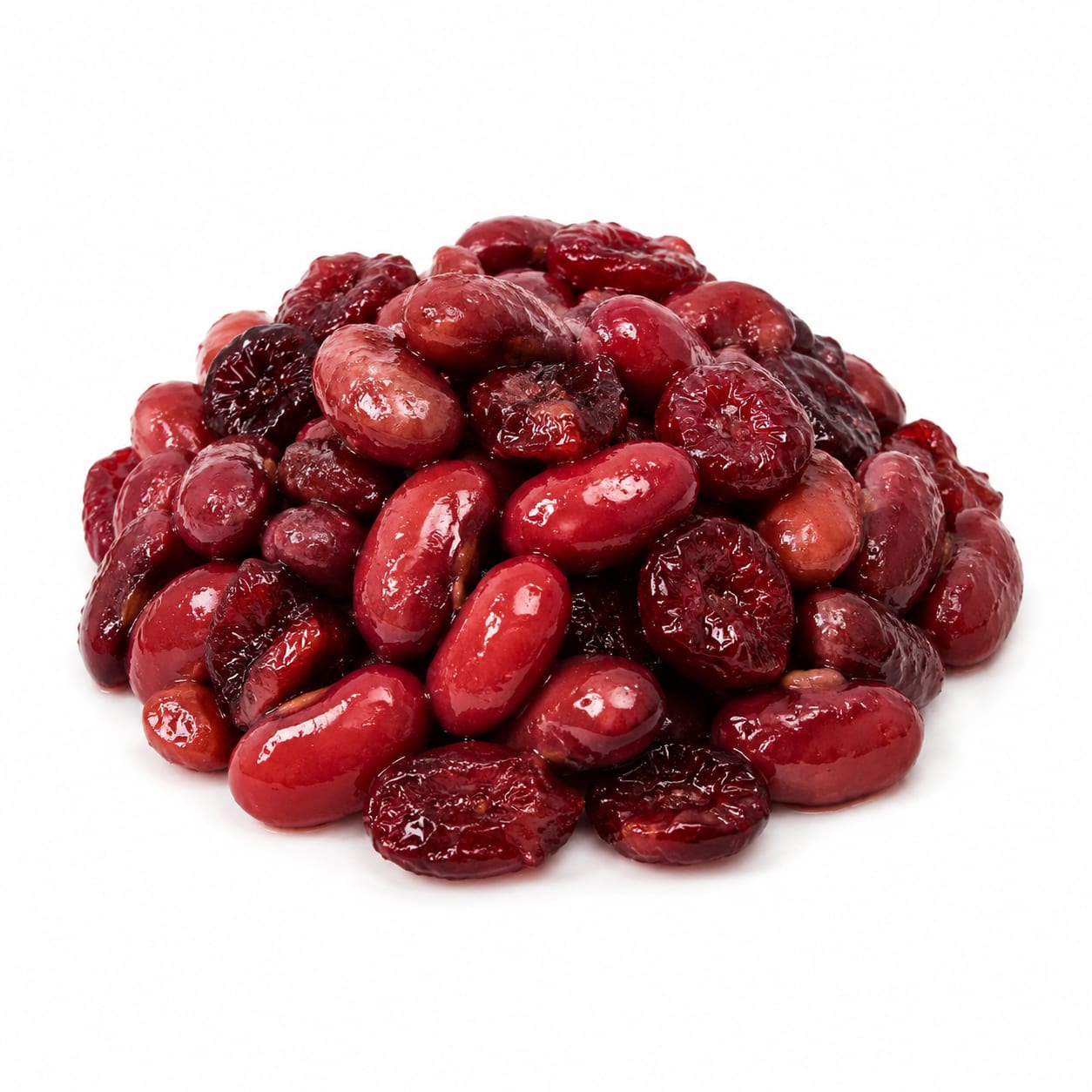
Cranberry Bean
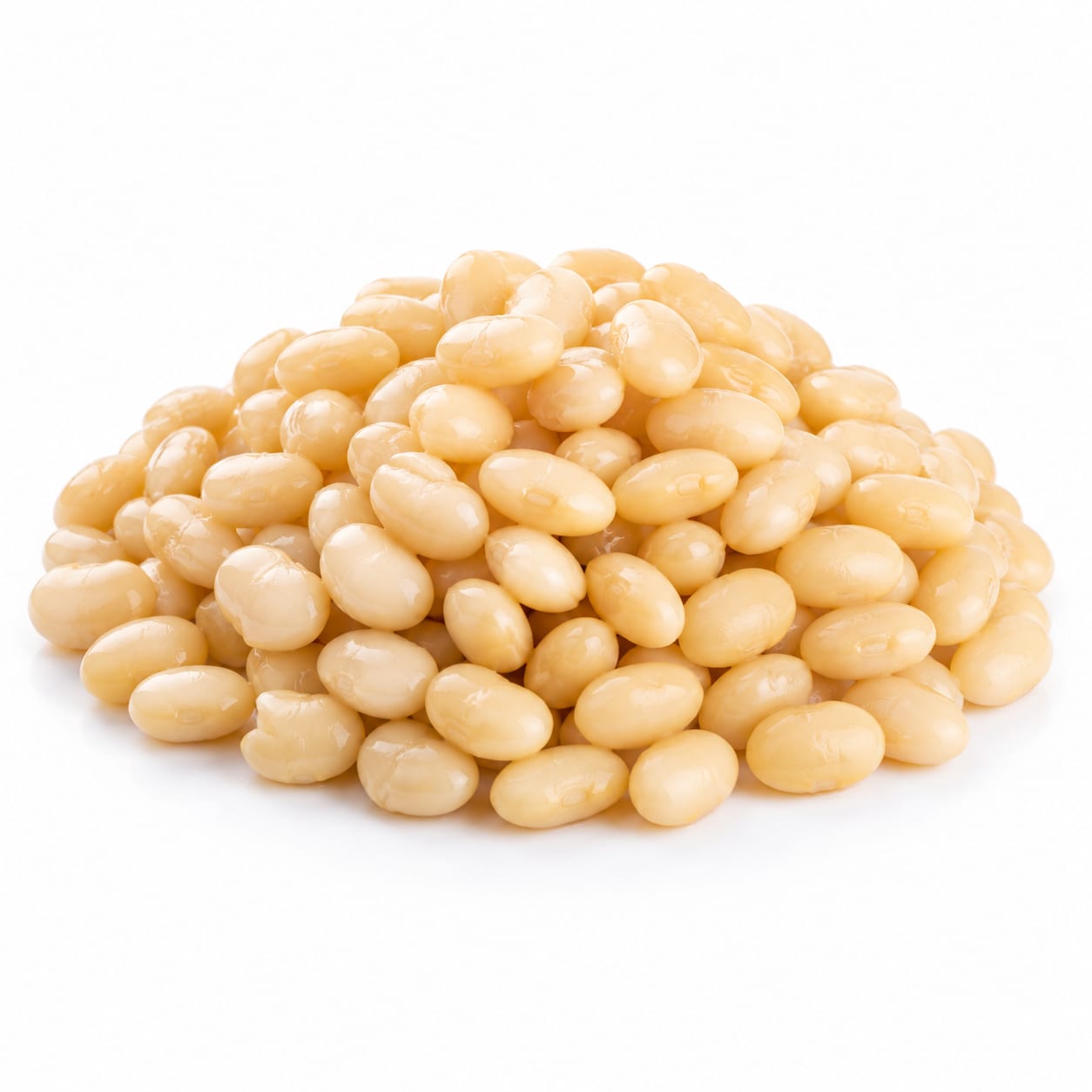
Navy Bean
Navy Beans win on pure nutrition, offering more protein, fiber, and folate, while Cranberry Beans offer a creamier bite and slightly lighter calorie profile.
Navy Beans score higher due to their superior fiber, protein, and folate content, though both are exceptional whole-food choices.
You trade a bit of nutrient density for a softer texture and milder flavor with Cranberry Beans.
At a glance
Executive summary
Overall
Navy Bean
Healthier
Navy Bean
More practical
It depends
Daily use
Navy Bean
Key comparison lenses
Fiber and Digestive Health
Both beans are fiber powerhouses, but Navy Beans offer slightly more, making digestion and satiety a key comparison point.
Plant-Based Protein Density
Users comparing beans often want to maximize protein, where Navy Beans have a measurable advantage.
Culinary Texture and Use
Cranberry Beans are creamier while Navy Beans are firmer, heavily influencing which recipes they work best in.
Best choice for
Cranberry Bean
- Creamy soups and dips
- Lighter meals where you want less density
- Milder flavored dishes
Navy Bean
- Maximizing daily fiber and protein
- Traditional baked beans
- Prenatal nutrition due to high folate
Least suitable for
Cranberry Bean
- Those needing maximum protein per serving
- Recipes requiring firm, intact beans
Navy Bean
- Very low-calorie diets
- Dishes where a starchy, firm bean feels too heavy
Deep comparison
Dimension by dimension
Each lens scores both foods and breaks down who each option suits.
- Dimension 1 · Priority 90Navy Bean
Nutrient Density
Cranberry Bean · 78Navy Bean · 89Navy Beans pack more protein, fiber, and folate into each serving than Cranberry Beans.
Tradeoff
Cranberry Beans are slightly lower in calories, but you sacrifice some vitamin and mineral density.
Why it matters
If you are eating beans primarily for their nutritional punch, Navy Beans give you more for your effort.
Real-world impact
A single serving of Navy Beans covers a larger portion of your daily iron and folate needs.
Cranberry Bean
- Lower calorie meals
- Lighter side dishes
Better for
- Maximizing micronutrient intake
Worse for
Navy Bean
- Plant-based iron needs
- Prenatal nutrition
Better for
- Very low-calorie dieting
Worse for
- Dimension 2 · Priority 88Navy Bean
Satiety and Fullness
Cranberry Bean · 80Navy Bean · 88Navy Beans are more filling due to their higher fiber and protein content.
Tradeoff
Cranberry Beans feel lighter in the stomach, which is nice in hot weather, but they won't suppress hunger as long.
Why it matters
Staying full between meals helps prevent snacking and overeating.
Real-world impact
A lunch with Navy Beans will easily carry you to dinner without an afternoon crash.
Cranberry Bean
- Light summer salads
- Smaller appetites
Better for
- Appetite control
Worse for
Navy Bean
- Long workdays
- Post-workout recovery meals
Better for
- Feeling overly stuffed
Worse for
- Dimension 3 · Priority 85Navy Bean
Blood Sugar Stability
Cranberry Bean · 82Navy Bean · 88Both beans are excellent for blood sugar, but Navy Beans have a slight edge thanks to extra fiber.
Tradeoff
Cranberry Beans still stabilize blood sugar beautifully, just not quite as effectively as Navy Beans.
Why it matters
Fiber slows down carbohydrate absorption, preventing spikes and crashes.
Real-world impact
Choosing Navy Beans helps avoid that shaky, hungry feeling two hours after eating carbs.
Cranberry Bean
- General blood sugar maintenance
Better for
- Severe glucose control needs
Worse for
Navy Bean
- Diabetes management
- Insulin resistance
Better for
- Dimension 4 · Priority 75Cranberry Bean
Culinary Flexibility
Cranberry Bean · 86Navy Bean · 80Cranberry Beans have a creamier texture and milder flavor that blends into more dishes seamlessly.
Tradeoff
Navy Beans hold their shape well but can taste a bit starchy if not seasoned aggressively.
Why it matters
You will actually eat the healthy food you buy if it tastes good and fits your recipes.
Real-world impact
Cranberry Beans mash beautifully for dips and thicken soups naturally without tasting 'beany'.
Cranberry Bean
- Creamy dips
- Thickening soups
- Baby food
Better for
- Dishes requiring firm, intact beans
Worse for
Navy Bean
- Baked beans
- Bean salads that need firm texture
Better for
- Smooth purees
Worse for
Timeline
Health impact over time
Short-term
Hours to days
Cranberry Bean
- Provides steady, light energy
- Easy to digest when cooked well
Navy Bean
- Very filling, keeps hunger away for hours
- May cause slight bloating if you aren't used to high fiber
Long-term
Months to years
Cranberry Bean
- Supports heart health through steady fiber intake
- Helps maintain a healthy weight with lower calorie density
Navy Bean
- Excellent for preventing anemia with high iron and folate
- Strongly supports gut microbiome diversity with extra fiber
Risk profile
Safety & processing
Both Cranberry Beans and Navy Beans are whole, unprocessed foods with zero artificial additives when bought dried or canned with just water and salt.
Cranberry Bean
Undercooked toxin exposure
mediumLike all beans, Cranberry Beans contain phytohemagglutinin, which can cause illness if not boiled thoroughly.
Navy Bean
Undercooked toxin exposure
mediumNavy Beans must be fully cooked to neutralize phytohemagglutinin and prevent digestive distress.
Who wins for whom
Audience fit
Same foods, different winners depending on your goal.
children
Cranberry BeanCranberry Beans have a creamier texture when mashed and a milder flavor that is often more appealing to kids.
daily consumption
Navy BeanThe higher overall nutrient density makes Navy Beans a slightly better staple for everyday meals.
diabetes
Navy BeanThe higher fiber content in Navy Beans slows glucose absorption more effectively, leading to steadier blood sugar.
elderly
Navy BeanNavy Beans provide more folate and iron, nutrients that are especially important for aging bodies and appetite loss.
muscle gain
Navy BeanNavy Beans offer more protein per serving, which is crucial for muscle repair and growth.
weight loss
Cranberry BeanCranberry Beans have slightly fewer calories per serving while still providing excellent fiber, making them a bit easier to fit into a calorie deficit.
Your move
Decision guide
Choose Cranberry Bean
- You prefer a creamier, lighter bean
- You are making dips or thick soups
- You want slightly fewer calories per cup
Choose Navy Bean
- You want maximum fiber and protein
- You are making traditional baked beans
- You need a folate boost
Either works if
- You just need a healthy legume for a salad
- You're meal-prepping a big pot of chili
Avoid both if
- You have severe legume allergies
- You are currently on a strict low-FODMAP diet
Final recommendation
For pure nutritional value, Navy Beans are the winner and make an excellent daily staple. However, if texture and lighter calories matter more to your enjoyment, Cranberry Beans are a fantastic choice that still delivers outstanding health benefits.
Practical
Consumer tips
- 1
Soak both beans overnight to reduce cooking time and make them easier to digest.
- 2
Always boil beans rapidly for at least 10 minutes to destroy phytohemagglutinin before slow cooking.
- 3
Add a strip of kombu seaweed while cooking to help break down gas-causing compounds.
- 4
Rinse canned varieties thoroughly to remove excess sodium before using.