
Nutrition comparison
Cranberry Beans vs Edamame: Nutrition, Protein, and Health Comparison
Compare Cranberry Beans vs Edamame to see which legume is better for protein, weight loss, and digestion. Discover the nutritional tradeoffs and find your best choice.
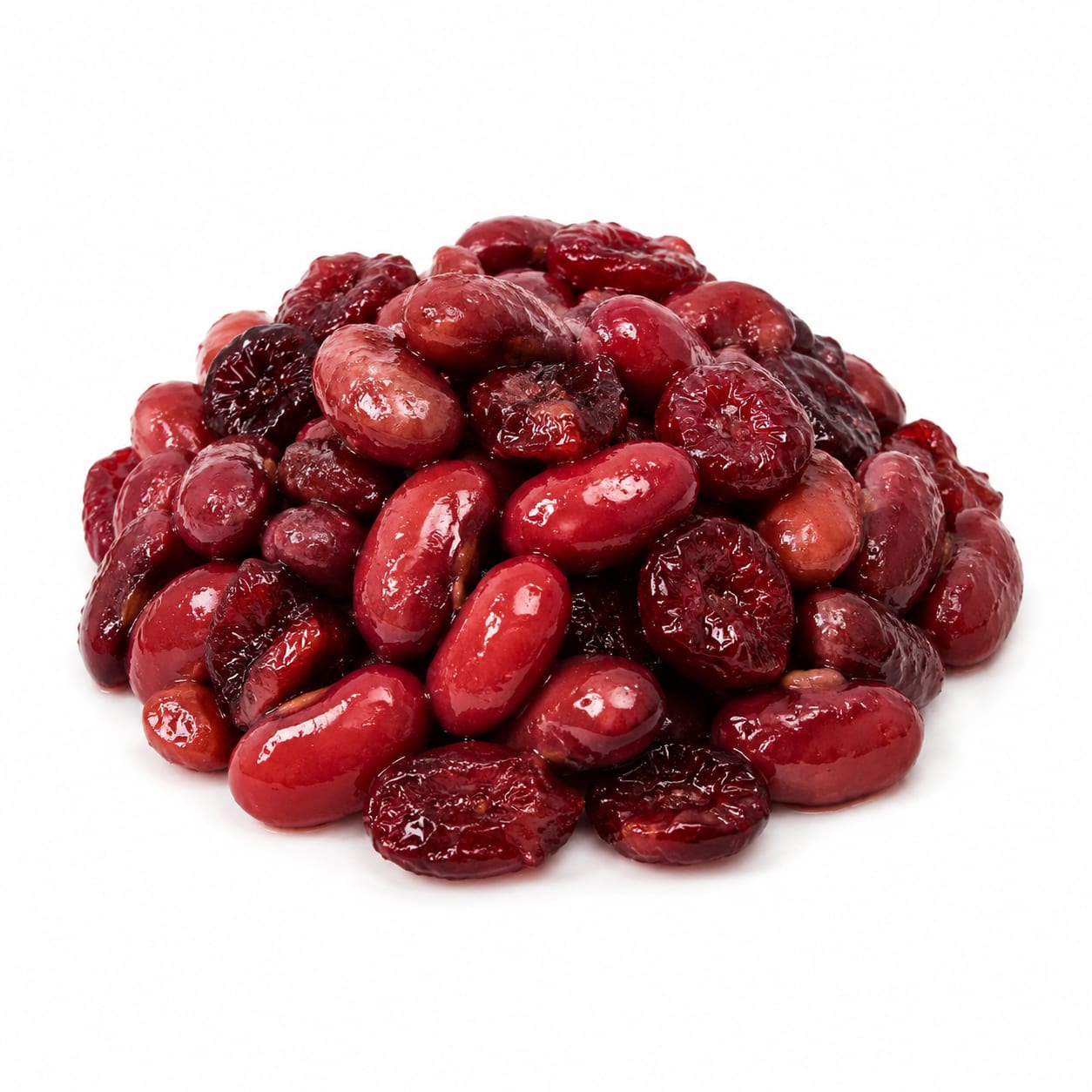
Cranberry Bean
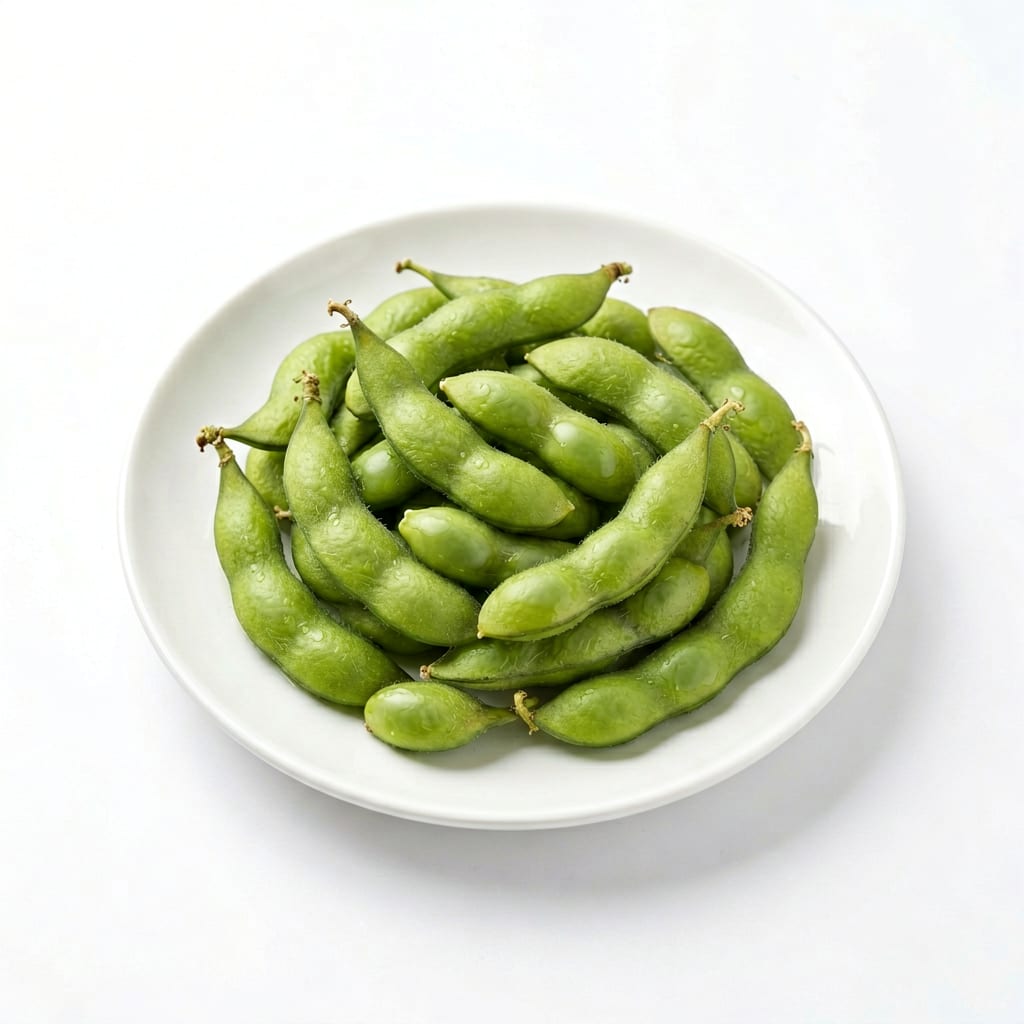
Edamame
Edamame delivers far more protein and healthy fats in a quick-cooking package, while Cranberry Beans offer more complex carbs, fiber, and a soy-free alternative for soups and stews.
Edamame edges out Cranberry Beans slightly due to its superior protein profile and convenience, but both are excellent whole-food legumes with distinct advantages.
Complete protein and fast prep from Edamame versus higher fiber, lower fat, and soy-free comfort from Cranberry Beans.
At a glance
Executive summary
Overall
It depends
Healthier
It depends
More practical
Edamame
Daily use
It depends
Key comparison lenses
Plant-based protein quality and quantity
Edamame is renowned as a complete protein, while Cranberry Beans offer standard legume protein, making this the most critical differentiator.
Soy vs. non-soy dietary preferences
Edamame carries soy allergen and phytoestrogen concerns, pushing some consumers toward Cranberry Beans as a safe alternative.
Convenience and preparation time
Frozen Edamame is ready in minutes, whereas dried Cranberry Beans require soaking and long cooking, heavily impacting daily meal choices.
Carbohydrate and fiber profile
Cranberry Beans provide more complex carbohydrates and fiber, appealing to those seeking sustained energy or gut health benefits.
Best choice for
Cranberry Bean
- Low-fat diet followers
- People avoiding soy
- Hearty stew and soup lovers
Edamame
- High-protein plant-based eaters
- People needing quick snacks
- Those seeking omega-3 fats
Least suitable for
Cranberry Bean
- People in a rush to cook
- Those sensitive to complex carbs and gas
Edamame
- People with soy allergies
- Those watching polyunsaturated fat intake
Deep comparison
Dimension by dimension
Each lens scores both foods and breaks down who each option suits.
- Dimension 1 · Priority 95Edamame
Protein Quality & Quantity
Cranberry Bean · 60Edamame · 92Edamame is a complete protein powerhouse, while Cranberry Beans offer moderate protein typical of most legumes.
Tradeoff
You get double the protein and all essential amino acids with Edamame, but Cranberry Beans are a reliable base protein for meals.
Why it matters
Complete proteins support muscle repair and satiety more effectively, which is crucial for plant-based diets.
Real-world impact
A cup of Edamame keeps you full for hours after a light lunch; Cranberry Beans need pairing with grains to feel equally satisfying.
Cranberry Bean
- Moderate protein needs
- Pairing with rice or quinoa
Better for
- High-protein diets
- Standalone meals
Worse for
Edamame
- Post-workout recovery
- Vegan muscle building
- Standalone protein snack
Better for
- Very low-fat diets
Worse for
- Dimension 2 · Priority 85Cranberry Bean
Carbohydrate & Fiber Profile
Cranberry Bean · 88Edamame · 75Cranberry Beans provide more slow-digesting complex carbohydrates and slightly more fiber per serving.
Tradeoff
Cranberry Beans give you more sustained energy from carbs, whereas Edamame is lower-carb and higher-fat.
Why it matters
Higher fiber and complex carbs mean steadier blood sugar and better gut health over time.
Real-world impact
Cranberry Beans are excellent for fueling a long active day, while Edamame fits better into a low-carb routine.
Cranberry Bean
- Endurance athletes
- Gut microbiome support
- Low-fat high-carb diets
Better for
- Strict low-carb diets
Worse for
Edamame
- Low-carb eaters
- Blood sugar management
Better for
- High-energy needs
- Bulking up meals cheaply
Worse for
- Dimension 3 · Priority 80Edamame
Convenience & Preparation
Cranberry Bean · 55Edamame · 90Frozen Edamame is ready in minutes, while dried Cranberry Beans require soaking and long cooking times.
Tradeoff
Edamame saves time and effort, but Cranberry Beans are more versatile as a base ingredient in cooked dishes.
Why it matters
Convenience often dictates what you actually eat on a busy Tuesday night.
Real-world impact
You can microwave Edamame for a snack in 3 minutes; Cranberry Beans need an hour or more on the stove unless you use canned.
Cranberry Bean
- Meal prepping large batches
- Slow-cooker recipes
Better for
- Last-minute meals
- Impatient cooks
Worse for
Edamame
- Quick weeknight dinners
- Fast snacking
- Office lunches
Better for
- Long-simmered stews
Worse for
- Dimension 4 · Priority 80It depends
Digestive Tolerance & Allergens
Cranberry Bean · 70Edamame · 70Cranberry Beans can cause gas and bloating, while Edamame poses soy allergy and sensitivity risks.
Tradeoff
You risk bloating with Cranberry Beans but avoid soy; with Edamame, you avoid bean-induced gas but risk soy reactions.
Why it matters
Digestive comfort makes or breaks whether you actually keep eating a healthy food.
Real-world impact
If soy gives you stomachaches, Cranberry Beans are the clear choice; if beans make you bloated, Edamame is gentler.
Cranberry Bean
- Soy allergy sufferers
- Hormone-sensitive individuals avoiding soy
Better for
- Severe IBS or bean intolerance
Worse for
Edamame
- People prone to bean-induced gas
- Those who tolerate soy well
Better for
- Soy allergies
- Thyroid medication users without doctor advice
Worse for
Timeline
Health impact over time
Short-term
Hours to days
Cranberry Bean
- Steady energy release from complex carbs
- Potential gas or bloating if not cooked thoroughly
Edamame
- Quick satiety from high protein and fat
- Possible mild stomach upset if sensitive to soy
Long-term
Months to years
Cranberry Bean
- Excellent heart health support from high fiber
- Improved gut microbiome diversity
Edamame
- Strong muscle maintenance from complete protein
- Potential cardiovascular benefits from soy isoflavones
Risk profile
Safety & processing
Both are whole, minimally processed foods. Canned Cranberry Beans may have added sodium, while frozen Edamame is typically just the bean.
Cranberry Bean
Lectin toxicity
mediumRaw or undercooked Cranberry Beans contain high levels of phytohaemagglutinin, which can cause severe nausea and vomiting. Always boil thoroughly.
Edamame
Soy allergy
highSoy is a top allergen. Reactions can range from hives to anaphylaxis in sensitive individuals.
GMO exposure
lowMost conventional soy is genetically modified. Choose organic Edamame to easily avoid GMOs if that is a concern.
Who wins for whom
Audience fit
Same foods, different winners depending on your goal.
children
EdamameEdamame is fun to eat, quick to prepare, and provides essential amino acids for growing bodies, provided there is no soy allergy.
daily consumption
It dependsEdamame is great for daily protein needs, but daily soy consumption concerns some people. Cranberry Beans are a safe daily staple if you vary your protein sources.
diabetes
EdamameEdamame has fewer net carbs and more protein, leading to a lower glycemic impact and steadier blood sugar.
elderly
EdamameThe high-quality protein in Edamame helps prevent age-related muscle loss, and it is easier to chew when cooked than some firm beans.
muscle gain
EdamameEdamame is a complete protein with a much higher total protein content, essential for muscle repair and growth.
weight loss
EdamameHigher protein and fat content in Edamame provides more satiety per calorie, making it easier to avoid overeating.
Your move
Decision guide
Choose Cranberry Bean
- You are avoiding soy for hormonal or allergy reasons
- You want a hearty, high-carb base for soups and stews
- You prefer canning or batch-cooking your legumes
Choose Edamame
- You need a quick, high-protein plant-based snack
- You are building muscle on a vegan diet
- You want a low-carb legume option
Either works if
- You just need a healthy fiber boost
- You are meal-prepping lunches for the week
Avoid both if
- You have severe legume intolerances or FODMAP sensitivities
Final recommendation
Keep both in your rotation. Use Edamame when you need fast protein and Cranberry Beans when you want a comforting, high-fiber meal base.
Practical
Consumer tips
- 1
Rinse canned Cranberry Beans to remove up to 40% of the sodium.
- 2
Buy organic Edamame to easily avoid GMO soy.
- 3
Soak dried Cranberry Beans overnight and boil vigorously for at least 10 minutes to destroy harmful lectins.
- 4
Keep a bag of frozen shelled Edamame in the freezer for effortless salad toppers.