
Nutrition comparison
Cod vs Sardines: Which Fish is Healthier?
Compare Cod and Sardines on omega-3s, mercury, protein, and taste. Find out which fish is better for weight loss, heart health, and daily meals.
Overall winner · Sardines
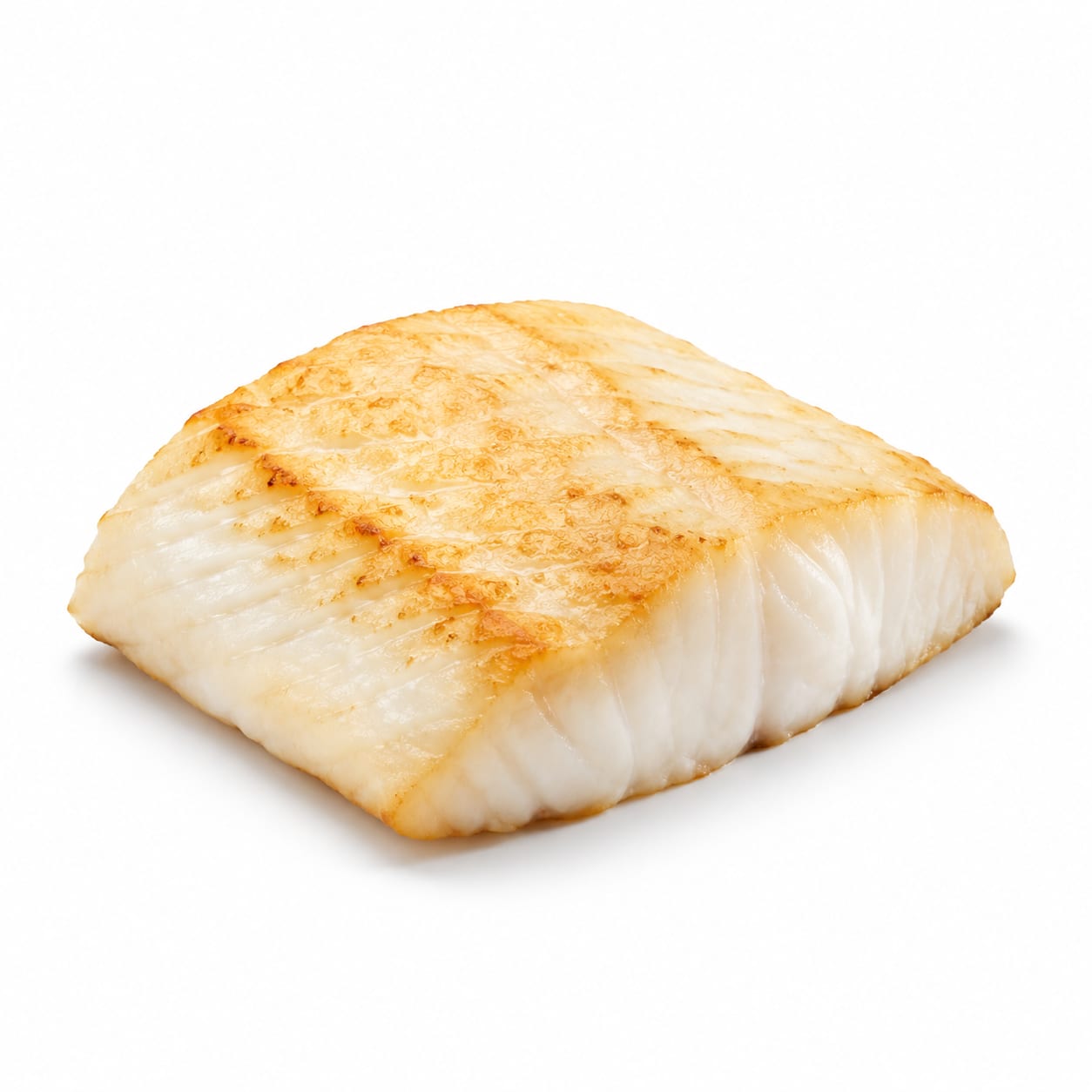
Cod
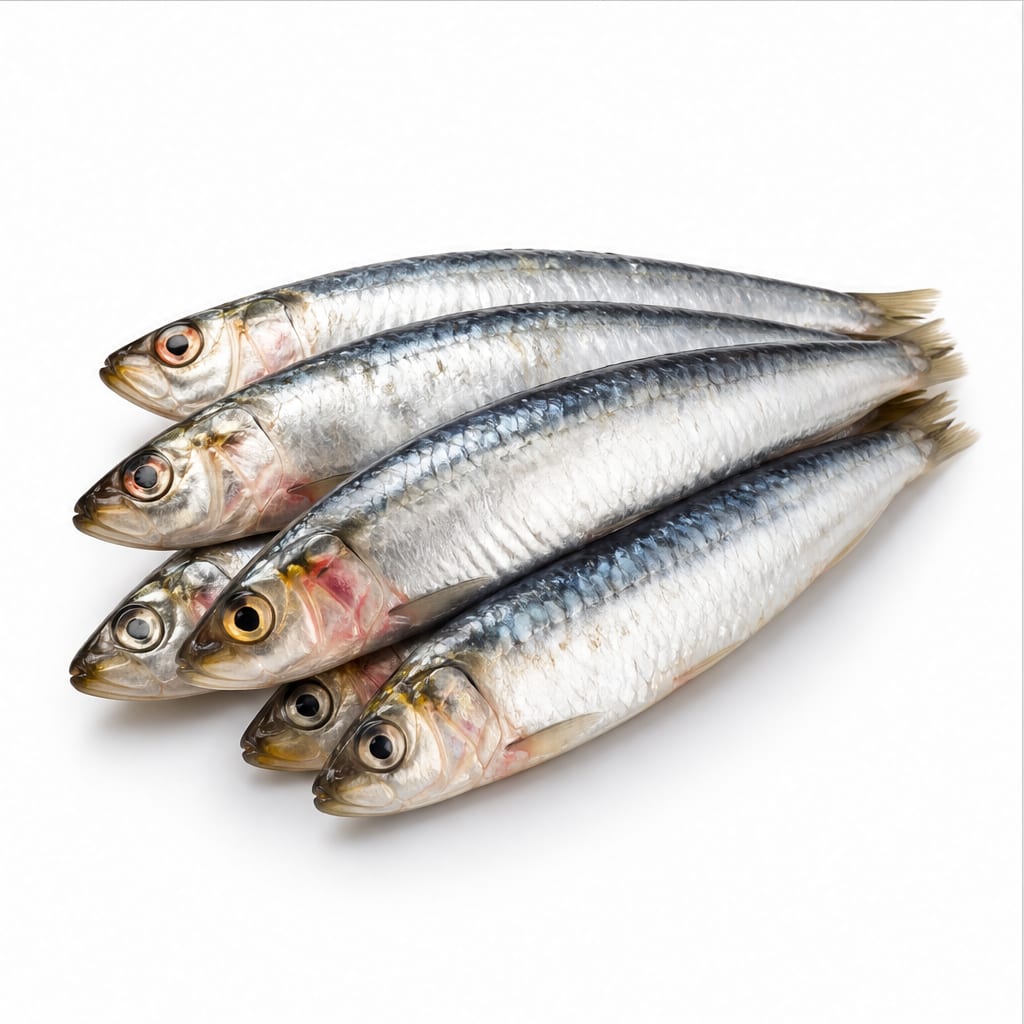
Sardines
Sardines are a nutritional powerhouse packed with omega-3s and calcium, while Cod is a lean, mild-flavored protein perfect for light meals.
Sardines score higher due to their exceptional omega-3, calcium, and vitamin D content, though Cod remains a strong choice for lean protein and culinary flexibility.
You trade the low-calorie versatility and mild taste of Cod for the dense healthy fats, vitamin D, and bone-building calcium of Sardines.
At a glance
Executive summary
Overall
Sardines
Healthier
Sardines
More practical
Cod
Daily use
It depends
Key comparison lenses
Omega-3 and healthy fat intake
Sardines are famously rich in omega-3s while Cod is a lean white fish with minimal fat, making this the most dramatic nutritional difference.
Mercury and heavy metal exposure
Consumers often weigh the safety of larger fish like Cod against smaller forage fish like Sardines when planning regular seafood intake.
Weight management and calorie control
Cod offers high protein with very few calories, whereas Sardines are calorie-dense due to their fat content, creating a clear tradeoff for dieters.
Bone health and micronutrient density
Sardines eaten with bones provide massive calcium and vitamin D boosts that Cod cannot match.
Culinary versatility and flavor preference
Cod's mild taste makes it a family staple, while Sardines have a distinct, polarizing flavor that limits their use in recipes.
Best choice for
Cod
- Low-calorie diets
- Picky eaters who dislike fishy flavors
- High-protein, low-fat meals
Sardines
- Heart and brain health support
- Bone health and calcium needs
- Nutrient-dense snacking
Least suitable for
Cod
- Those needing omega-3 boosts
- People avoiding low-nutrient-density foods
Sardines
- Low-sodium diets (if canned)
- People sensitive to strong fish flavors
Deep comparison
Dimension by dimension
Each lens scores both foods and breaks down who each option suits.
- Dimension 1 · Priority 95Sardines
Heart & Brain Health (Omega-3s)
Cod · 25Sardines · 98Sardines dominate this category with massive amounts of EPA and DHA omega-3s, while Cod provides very little.
Tradeoff
Eating Cod means missing out on the anti-inflammatory benefits that Sardines deliver effortlessly.
Why it matters
Omega-3s are critical for heart health, mood regulation, and cognitive function.
Real-world impact
Regular Sardine eaters often see improved cholesterol markers and steadier mental focus.
Cod
- Omega-3 intake
Worse for
Sardines
- Cardiovascular health
- Cognitive support
- Reducing inflammation
Better for
- Very low-fat diet requirements
Worse for
- Dimension 2 · Priority 90Sardines
Heavy Metal & Contamination Safety
Cod · 70Sardines · 92Sardines are very low on the food chain, accumulating far less mercury and heavy metals than Cod.
Tradeoff
Cod is generally safe in moderation, but requires more careful sourcing to avoid higher mercury levels.
Why it matters
Mercury exposure affects neurological health and is especially concerning for pregnant women and children.
Real-world impact
You can eat Sardines multiple times a week without worrying about heavy metal buildup.
Cod
- Moderate fish consumption
Better for
- Mercury anxiety with frequent consumption
Worse for
Sardines
- Frequent fish eaters
- Pregnant women (with doctor approval)
- Minimizing toxin exposure
Better for
- Avoiding all environmental contaminants entirely
Worse for
- Dimension 3 · Priority 85Cod
Lean Protein & Calorie Control
Cod · 95Sardines · 60Cod delivers high-quality protein with almost no fat, making it incredibly light and low in calories.
Tradeoff
Sardines carry more calories from fat, which is healthy fat, but adds up faster if you are strictly counting.
Why it matters
Low-calorie protein helps with weight management and muscle maintenance without feeling sluggish.
Real-world impact
A Cod fillet feels light in the stomach, perfect for a post-workout dinner without feeling heavy.
Cod
- Strict calorie counting
- Lean muscle building
- Light evening meals
Better for
- Staying full for hours
Worse for
Sardines
- Satiety and hunger control
Better for
- Very low-calorie diets
Worse for
- Dimension 4 · Priority 80Sardines
Bone Health & Micronutrients
Cod · 35Sardines · 96Canned Sardines with bones are a top-tier source of calcium and vitamin D, while Cod offers minimal micronutrients.
Tradeoff
You have to eat bones in Sardines to get the calcium, which some people find unpleasant.
Why it matters
Calcium and vitamin D are essential for preventing osteoporosis and maintaining bone strength.
Real-world impact
Eating Sardines acts like a natural bone-building supplement, especially useful if you avoid dairy.
Cod
- Texture sensitivity
Better for
- Micronutrient density
Worse for
Sardines
- Dairy-free diets
- Osteoporosis prevention
- Vitamin D deficiency
Better for
- Disliking soft bones
Worse for
- Dimension 5 · Priority 75Cod
Culinary Versatility & Flavor
Cod · 88Sardines · 50Cod has a mild, flaky texture that adapts to almost any recipe, whereas Sardines have a strong, distinct flavor.
Tradeoff
Sardines are an acquired taste and limit what you can mix them with, while Cod plays well with any cuisine.
Why it matters
If food doesn't taste good or fit your cooking style, you won't eat it consistently.
Real-world impact
Cod is an easy sell for family dinners; Sardines are usually a solo snack or a specific recipe ingredient.
Cod
- Family meals
- Recipe flexibility
- Mild flavor preferences
Better for
- Bold flavor lovers
Worse for
Sardines
- Quick no-cook snacks
- Mediterranean diets
Better for
- Picky eaters
- Complex recipe integration
Worse for
Timeline
Health impact over time
Short-term
Hours to days
Cod
- Light, non-bloated feeling after eating
- Quick digesting lean protein
Sardines
- High satiety from fat content
- Steady energy without blood sugar spikes
Long-term
Months to years
Cod
- Maintains lean muscle mass efficiently
- Lower risk of calorie surplus
Sardines
- Significantly reduced cardiovascular risk
- Stronger bones and improved joint health
Risk profile
Safety & processing
Fresh or frozen Cod is completely unprocessed, while most Sardines are canned with added salt or oil, requiring a quick rinse before eating.
Cod
Mercury exposure
mediumCod is a moderate-sized fish; frequent consumption can lead to higher mercury intake compared to small fish.
Overfishing
mediumAtlantic Cod populations have historically been overfished; choosing Pacific Cod is a more sustainable option.
Sardines
Sodium content
mediumCanned Sardines often contain high sodium, which can be mitigated by buying water-packed or rinsing.
Purine content
lowSardines are high in purines, which can trigger gout flares in susceptible individuals.
Who wins for whom
Audience fit
Same foods, different winners depending on your goal.
children
CodMilder flavor and flaky texture make Cod far more acceptable to kids, though Sardines are great if they will eat them.
daily consumption
It dependsSardines are nutritionally superior for daily health, but Cod's lower toxin load and culinary flexibility make it easier to eat daily without palate fatigue.
diabetes
SardinesThe healthy fats in Sardines stabilize blood sugar and reduce insulin resistance better than lean white fish.
elderly
SardinesCalcium, vitamin D, and omega-3s directly address the bone density and cognitive decline concerns of aging.
muscle gain
CodHigher protein per calorie helps hit daily protein targets without overshooting fat intake.
weight loss
CodCod provides maximum protein with minimal calories, making it easier to stay in a deficit.
Your move
Decision guide
Choose Cod
- You are counting calories or tracking macros strictly
- You or your family dislike strong fish flavors
- You want a versatile protein for various recipes
Choose Sardines
- You want to boost heart and brain health naturally
- You need a dairy-free source of calcium and vitamin D
- You enjoy bold flavors and quick, no-cook meals
Either works if
- You are rotating seafood to get a balance of lean protein and healthy fats
- You want to eat more fish but are budget-conscious
Avoid both if
- You have a severe fish or seafood allergy
Final recommendation
Make Sardines your nutritional anchor for omega-3s and bone health a few times a week, and use Cod as your go-to lean protein when you want something light and versatile.
Practical
Consumer tips
- 1
Choose Pacific Cod over Atlantic Cod for better sustainability and similar taste.
- 2
Buy Sardines packed in water or extra virgin olive oil to avoid unhealthy seed oils.
- 3
Rinse canned Sardines under water to remove up to 20% of the added sodium.
- 4
Mash Sardines with avocado, lemon, and mustard for a delicious, nutrient-dense spread that masks the fishiness.