
Nutrition comparison
Cod vs Pollock: Which White Fish Is Better?
Comparing Cod and Pollock for nutrition, mercury, taste, and sustainability. Find out which white fish is healthier and better for your recipes.
Overall winner · Pollock
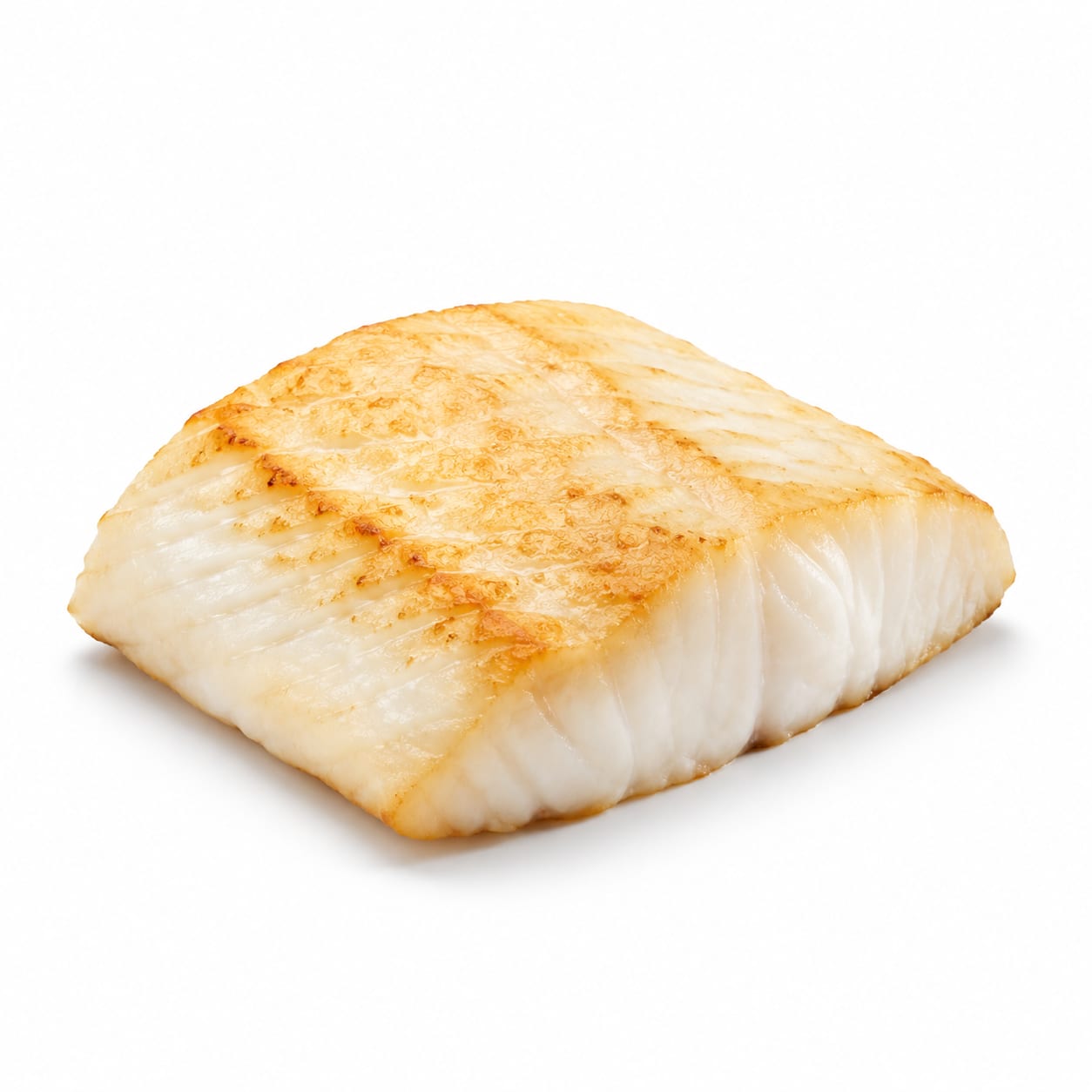
Cod
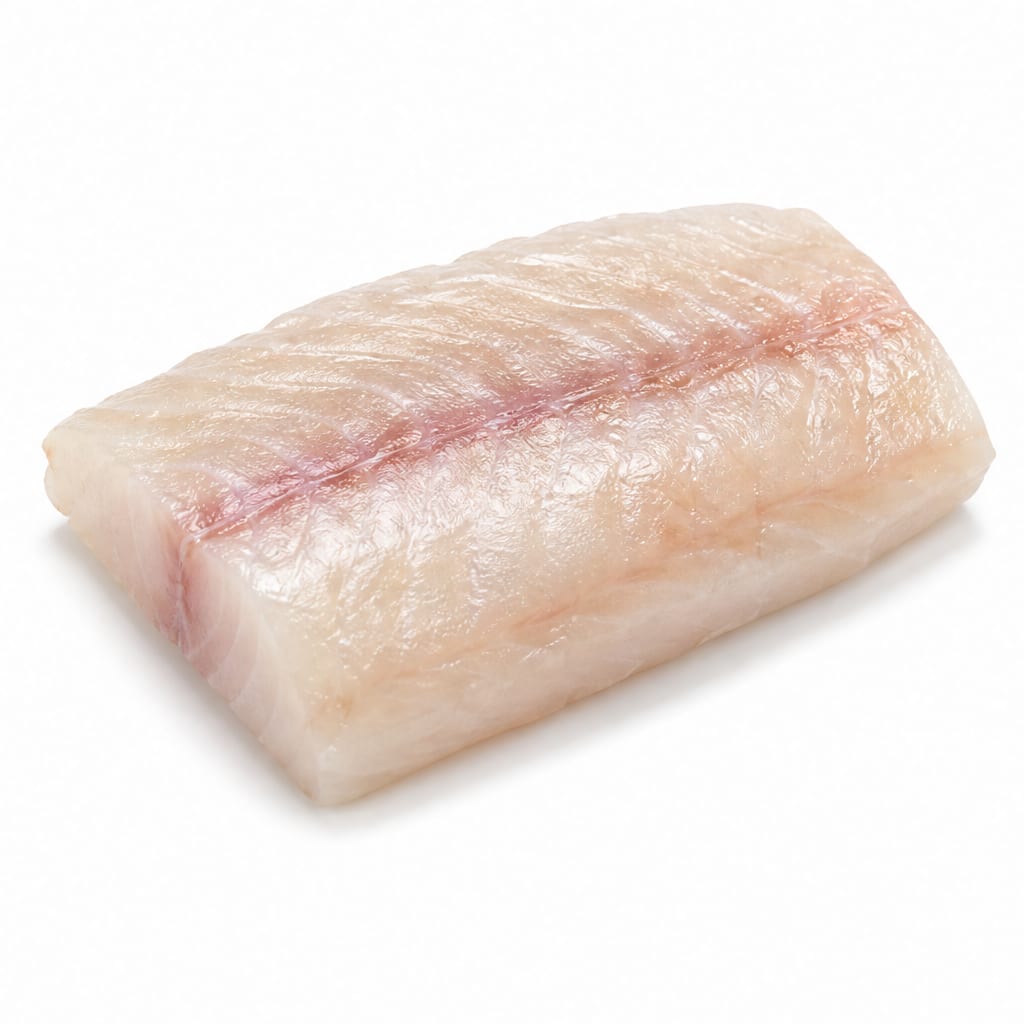
Pollock
Pollock and Cod are nearly identical nutritionally, but Pollock wins on sustainability and price, while Cod takes the crown for texture and culinary versatility.
Pollock edges out Cod overall due to its superior sustainability, lower cost, and slightly better omega-3 profile. Cod remains excellent but loses points for environmental concerns and higher price.
You trade the firm, meaty bite of Cod for the more sustainable, budget-friendly Pollock.
At a glance
Executive summary
Overall
Pollock
Healthier
It depends
More practical
Pollock
Daily use
Pollock
Key comparison lenses
Nutritional value and protein quality
Both are lean white fish, so users want to know if one is actually healthier or higher in protein.
Taste and culinary texture
Cod is famous for its firm, chunky bite, while Pollock is softer, which drastically changes how they are cooked.
Sustainability and environmental impact
Alaskan Pollock is highly sustainable, whereas Atlantic Cod has a history of overfishing, making eco-impact a major deciding factor.
Budget and everyday affordability
Pollock is significantly cheaper and often used as a budget-friendly alternative to Cod.
Mercury and safety for families
Both are low-mercury fish, but parents often compare them for safe weekly consumption.
Best choice for
Cod
- Fish and chips lovers
- Chowder makers needing fish that holds its shape
- Those wanting a firm, meaty fish for grilling or searing
Pollock
- Budget-conscious families
- Eco-conscious eaters prioritizing sustainable seafood
- Everyday meal preppers making fish cakes or casseroles
Least suitable for
Cod
- Strict budget meal plans
- Eco-anxious consumers buying unverified Atlantic Cod
Pollock
- Recipes requiring fish to hold its shape firmly
- Diners who dislike a slightly softer, flakier texture
Deep comparison
Dimension by dimension
Each lens scores both foods and breaks down who each option suits.
- Dimension 1 · Priority 90Cod
Protein & Satiety
Cod · 85Pollock · 80Cod packs slightly more protein per bite and its firm texture makes it feel more substantial and filling.
Tradeoff
You get a slightly higher protein density with Cod, but Pollock is still an excellent lean protein source.
Why it matters
Higher protein and a firmer bite keep you full longer, which helps with portion control and snacking less later.
Real-world impact
A Cod fillet feels like a proper, satisfying dinner, while Pollock can feel a bit lighter on the plate.
Cod
- Post-workout recovery
- High-protein diets
Better for
- Those wanting a very delicate, melt-in-the-mouth texture
Worse for
Pollock
- Lighter dinners
- Smaller appetites
Better for
- Those needing maximum protein per calorie
Worse for
- Dimension 2 · Priority 85Pollock
Heart Health & Omega-3s
Cod · 75Pollock · 82Pollock generally contains slightly more omega-3 fatty acids than Cod, giving it a small edge for cardiovascular health.
Tradeoff
The difference is modest, so you aren't missing out dramatically by choosing Cod, but Pollock offers a bit more anti-inflammatory power.
Why it matters
Omega-3s reduce inflammation and support brain and heart health over the long term.
Real-world impact
Eating Pollock a few times a week gives your heart a slightly better cushion of healthy fats compared to Cod.
Cod
- Those who primarily get omega-3s from supplements or salmon
Better for
- People specifically targeting anti-inflammatory diets
Worse for
Pollock
- Those relying on white fish as their main source of omega-3s
- People targeting anti-inflammatory diets
Better for
- Those who need higher B12 levels, as Cod has slightly more
Worse for
- Dimension 3 · Priority 80Pollock
Sustainability & Sourcing
Cod · 55Pollock · 92Alaskan Pollock is one of the most sustainably managed fisheries in the world, while many Cod populations have historically struggled with overfishing.
Tradeoff
Choosing Pacific Cod mitigates this, but Pollock remains the gold standard for eco-friendly white fish.
Why it matters
Overfishing damages ocean ecosystems; choosing sustainable fish protects future seafood supplies.
Real-world impact
You can eat Pollock guilt-free every week, whereas Atlantic Cod carries a heavier environmental toll.
Cod
- Diners who specifically seek out well-managed Pacific Cod
Better for
- Environmentally concerned consumers buying blind
Worse for
Pollock
- Eco-conscious shoppers
- Sustainable meal planners
Better for
- Those who prioritize culinary heritage over sustainability metrics
Worse for
- Dimension 4 · Priority 85Cod
Culinary Texture & Versatility
Cod · 90Pollock · 70Cod has a firm, chunky texture that holds up beautifully to frying, grilling, and chowders, while Pollock is softer and more delicate.
Tradeoff
Pollock can become mushy if overcooked, whereas Cod is much more forgiving in the pan.
Why it matters
Texture makes or breaks a fish dish; a flaky, firm fillet is far more satisfying to eat and easier to cook.
Real-world impact
Cod makes perfect fish tacos and crispy fish fingers; Pollock is better suited to casseroles or dishes where it's flaked into a sauce.
Cod
- Fish and chips
- Grilling
- Chowders
- Fish tacos
Better for
- Dishes requiring a very soft, delicate flake
Worse for
Pollock
- Fish cakes
- Casseroles
- Baked dishes with sauce
Better for
- Frying
- High-heat searing
- Recipes needing structural integrity
Worse for
- Dimension 5 · Priority 75Pollock
Budget & Accessibility
Cod · 65Pollock · 90Pollock is significantly cheaper and more widely available, making it a budget staple for families.
Tradeoff
The lower price often means it's associated with lower-quality frozen products or surimi, even though fresh Pollock is excellent.
Why it matters
Eating healthy fish regularly depends heavily on whether it fits your grocery budget week after week.
Real-world impact
Feeding a family of four with Pollock costs far less than using Cod, making weekly fish nights actually affordable.
Cod
- Special occasion dinners
- Fine dining recipes
Better for
- Tight grocery budgets
Worse for
Pollock
- Large families
- Meal prepping
- Budget meal plans
Better for
- High-end dinner parties where presentation matters
Worse for
Timeline
Health impact over time
Short-term
Hours to days
Cod
- Quick digesting lean protein that stabilizes blood sugar without feeling heavy
- Very filling due to firm texture and high protein density
Pollock
- Light and easy on the stomach, providing steady energy without a post-meal slump
- Gentle on digestion due to its softer flake
Long-term
Months to years
Cod
- Supports muscle maintenance and metabolic health
- Sourcing matters: Atlantic Cod may carry higher environmental contaminant risks than Pacific Cod
Pollock
- Excellent for heart health and inflammation reduction thanks to a slightly better omega-3 profile
- Very safe mercury profile makes it ideal for frequent, long-term consumption
Risk profile
Safety & processing
Both are minimally processed when bought as fresh or frozen fillets. However, Pollock is frequently used to make surimi (imitation crab) and frozen fish sticks, which are ultra-processed. Stick to plain fillets for the healthiest option.
Cod
Mercury exposure
lowCod is a low-mercury fish safe for regular consumption, though levels are slightly higher than Pollock.
Overfishing and bycatch
mediumAtlantic Cod populations are vulnerable and fishing methods can have high bycatch; Pacific Cod is a better choice but requires checking labels.
Pollock
Mercury exposure
lowAlaskan Pollock has some of the lowest mercury levels among commercial fish, making it extremely safe.
Parasites
lowLike all wild fish, it can carry parasites, but commercial freezing eliminates this risk before it reaches consumers.
Who wins for whom
Audience fit
Same foods, different winners depending on your goal.
children
PollockPollock's extremely low mercury levels and softer texture make it ideal and safer for kids.
daily consumption
PollockThe combination of low mercury, high sustainability, and low cost makes Pollock the better everyday staple.
diabetes
It dependsNeither contains carbs, and both provide steady, blood-sugar-friendly protein that won't cause spikes.
elderly
PollockPollock is easier to chew and gentler on the stomach, plus the low mercury profile suits older adults eating fish frequently.
muscle gain
CodCod's slightly higher protein density per calorie gives it a small edge for building and maintaining muscle.
weight loss
It dependsBoth are extremely low in calories and fat, making them equally great for weight loss. Choose based on which texture you find more satisfying.
Your move
Decision guide
Choose Cod
- You want a firm, meaty fillet for frying or grilling
- You are making a traditional chowder and need the fish to hold its shape
- You prefer the mildest possible flavor and are willing to pay more for it
Choose Pollock
- You are feeding a family on a budget
- Sustainability and ocean health are top priorities for you
- You want a softer fish for casseroles, fish cakes, or flaking into sauces
Either works if
- You just need a lean, healthy protein for a salad or taco
- You are meal-prepping and both are available at a good price
Avoid both if
- You have a fish or seafood allergy
- You are buying heavily breaded, frozen versions loaded with sodium and seed oils
Final recommendation
Let your recipe and your values decide. Pick Cod for texture and culinary tradition, but choose Pollock for an affordable, eco-friendly, and heart-healthy everyday fish.
Practical
Consumer tips
- 1
If buying Cod, look for Pacific Cod to avoid the sustainability issues associated with Atlantic Cod.
- 2
When buying Pollock, check that it's wild-caught Alaskan Pollock for the best quality and sustainability.
- 3
Avoid pre-breaded fish sticks if you want the health benefits; buy plain frozen fillets and season them yourself.
- 4
Pollock's softer texture makes it perfect for flaking into pasta sauces or fish cakes where shape doesn't matter.
- 5
Cod's firmness means it handles high heat well—great for pan-searing or grilling without falling apart.