
Nutrition comparison
Cod vs Haddock: Which White Fish Is Healthier?
Compare cod and haddock nutrition, mercury levels, taste, and sustainability. Find out which lean white fish is better for your health goals and weekly meal plan.
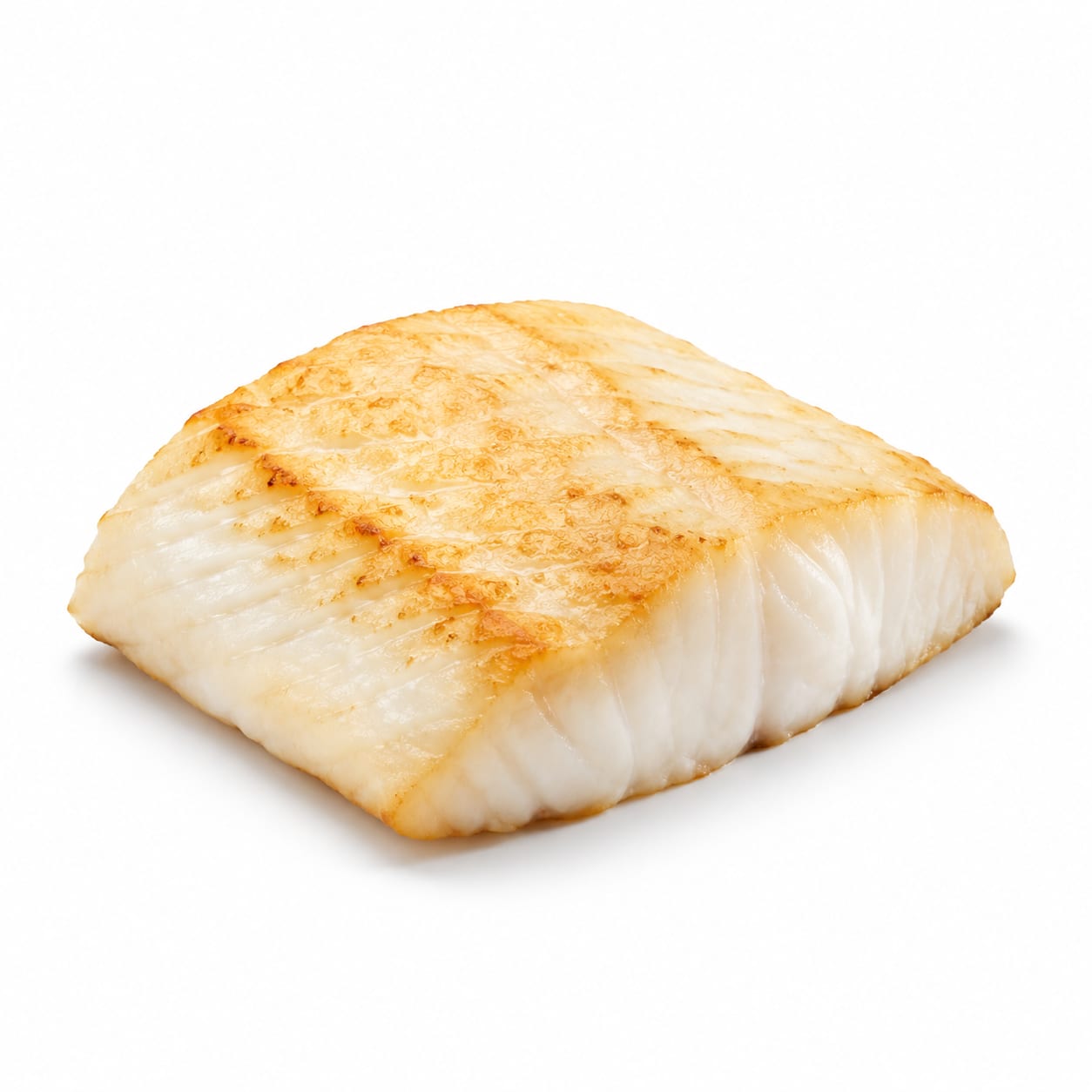
Cod
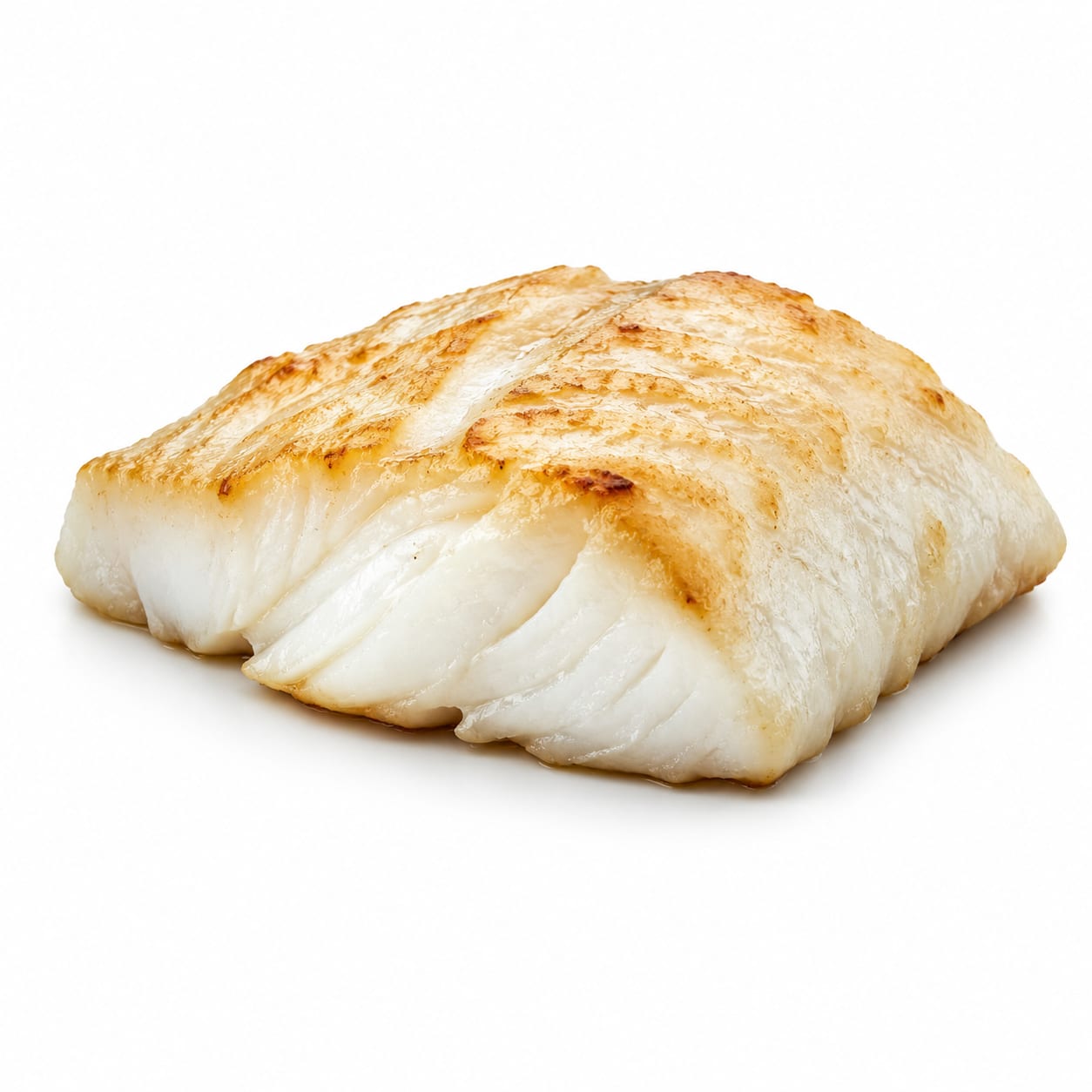
Haddock
Cod and haddock are nearly identical nutritionally, with cod holding a slight edge in vitamin D and omega-3s while haddock is marginally lower in mercury and often more affordable.
These fish are so similar that the 2-point gap reflects cod's slight micronutrient advantage rather than a meaningful health difference. Low confidence reflects how interchangeable they truly are for most people.
Cod gives you a bit more vitamin D and heart-healthy fats, but haddock tends to be cleaner on contaminants and easier on the wallet.
At a glance
Executive summary
Overall
It depends
Healthier
Cod
More practical
Haddock
Daily use
Haddock
Key comparison lenses
Choosing the healthier white fish for regular meals
Cod and haddock are nutritionally similar lean white fish, so users want to know if one offers a meaningful health edge
Mercury and contaminant safety for frequent consumption
Both are low-mercury fish but subtle differences matter for people eating fish multiple times per week
Sustainability and sourcing concerns
Both species have faced overfishing pressures, making responsible sourcing a key decision factor
Taste and texture preference for cooking
While similar, the subtle flavor and texture differences affect meal satisfaction and recipe choice
Best choice for
Cod
- People prioritizing vitamin D intake
- Those wanting slightly more omega-3s from a lean fish
- Home cooks wanting firmer texture for chowders and stews
Haddock
- Budget-conscious shoppers
- Those eating fish 3+ times weekly who want the lowest mercury option
- People who prefer a sweeter, more delicate flavor
Least suitable for
Cod
- People strictly limiting mercury who eat fish very frequently
- Budget-limited households where cod commands a premium
Haddock
- Those specifically seeking higher vitamin D from food sources
- Recipes needing a thicker, meatier fillet that holds up to heavy sauces
Deep comparison
Dimension by dimension
Each lens scores both foods and breaks down who each option suits.
- Dimension 1 · Priority 85Cod
Protein Quality and Content
Cod · 82Haddock · 79Cod provides slightly more protein per serving — about 18g vs 16g per 100g raw — and has a marginally better amino acid profile.
Tradeoff
The protein difference is small enough that you would not notice it in daily life, but it adds up slightly for those tracking macros carefully.
Why it matters
Both are excellent lean protein sources, so this dimension only matters for people counting grams precisely.
Real-world impact
After a workout, cod gives you a tiny edge in muscle recovery, but either fish works well as a post-gym meal.
Cod
- Athletes tracking protein macros closely
- Older adults needing efficient protein for muscle maintenance
Better for
- No real downside here — both are strong protein sources
Worse for
Haddock
- Anyone not strictly tracking protein who prefers the taste
Better for
- Slightly less protein per calorie if you are cutting and counting every gram
Worse for
- Dimension 2 · Priority 82Cod
Vitamin D and Micronutrients
Cod · 78Haddock · 65Cod contains meaningfully more vitamin D and slightly more vitamin B12 and phosphorus than haddock.
Tradeoff
If you do not get much sun or eat fortified foods, cod's vitamin D advantage is genuinely helpful. Otherwise it may not matter much.
Why it matters
Vitamin D deficiency is widespread, and few foods are natural sources. Cod is one of the better white fish for this nutrient.
Real-world impact
Eating cod twice a week can contribute noticeably to your vitamin D intake, especially in winter months or northern climates.
Cod
- People living in northern latitudes with limited sun exposure
- Anyone diagnosed with low vitamin D
- Older adults at risk for bone density loss
Better for
- Still not a vitamin D powerhouse compared to salmon or mackerel
Worse for
Haddock
- Those already supplementing vitamin D or getting plenty of sun
Better for
- Noticeably less vitamin D, which matters if fish is your main dietary source
Worse for
- Dimension 3 · Priority 90Haddock
Mercury and Contaminant Safety
Cod · 72Haddock · 80Haddock generally tests slightly lower for mercury than cod, though both are considered low-mercury fish safe for regular consumption.
Tradeoff
The difference is small per meal but becomes relevant if you eat white fish several times per week over years.
Why it matters
Cumulative mercury exposure affects neurological health, and even small differences compound over a lifetime of eating patterns.
Real-world impact
For someone eating white fish three times weekly, choosing haddock over cod reduces lifetime mercury accumulation modestly — not dramatic, but a sensible precaution.
Cod
- Occasional fish eaters where the mercury gap is negligible
Better for
- Slightly higher mercury makes cod less ideal as a daily fish choice for vulnerable populations
Worse for
Haddock
- Pregnant women choosing the safest white fish option
- Frequent fish consumers eating white fish 3+ times per week
- Parents feeding fish to young children regularly
Better for
- No real safety downside — haddock is among the cleaner fish options
Worse for
- Dimension 4 · Priority 78Cod
Omega-3 Fatty Acids
Cod · 55Haddock · 48Neither fish is a significant omega-3 source compared to salmon or sardines, but cod contains slightly more EPA and DHA than haddock.
Tradeoff
If heart health is your priority, both fish fall short — you would still need fatty fish or supplements to meet omega-3 targets.
Why it matters
People sometimes assume all fish are rich in omega-3s, but lean white fish deliver relatively little.
Real-world impact
Eating cod instead of haddock gives you a trivial omega-3 boost — roughly 0.1g more per serving. Not enough to influence heart health on its own.
Cod
- People who eat white fish occasionally and want every bit of omega-3 they can get
Better for
- Still a poor omega-3 source — do not rely on cod for heart-healthy fats
Worse for
Haddock
- No omega-3 advantage for haddock
Better for
- Even less omega-3 than cod, though the gap is tiny
Worse for
- Dimension 5 · Priority 76It depends
Sustainability and Sourcing
Cod · 60Haddock · 62Both species have experienced overfishing, but Pacific cod and MSC-certified haddock are responsible choices. It depends entirely on the source.
Tradeoff
Atlantic cod populations remain strained in many areas, while some haddock stocks have recovered better. But Pacific cod is well-managed, flipping the comparison.
Why it matters
Your purchasing choices affect whether these fish remain available for future generations.
Real-world impact
Choosing MSC-certified fish matters far more than choosing between cod and haddock. A certified cod fillet is better than an uncertified haddock fillet.
Cod
- Buyers with access to Pacific cod, which is well-managed and abundant
Better for
- Atlantic cod remains a sustainability concern in many fisheries
Worse for
Haddock
- Buyers in the Northeast US or UK where certified haddock stocks are strong
Better for
- Some haddock fisheries still face pressure — sourcing matters
Worse for
- Dimension 6 · Priority 70It depends
Taste, Texture, and Cooking Versatility
Cod · 72Haddock · 74Cod has a firmer, meatier texture and milder flavor. Haddock is slightly sweeter and more delicate with a finer flake.
Tradeoff
Cod holds up better in hearty dishes like chowder. Haddock shines in simpler preparations where its sweetness comes through.
Why it matters
Enjoyment drives long-term eating habits. The fish you actually look forward to eating is the one you will cook more often.
Real-world impact
For fish and chips, many prefer haddock's sweeter flake. For a hearty fish stew, cod's firmness wins. Neither is wrong — just different experiences.
Cod
- Hearty soups and stews where the fish needs to stay intact
- Breading and frying where a thicker fillet is preferred
- People who find fishy flavors off-putting — cod is very mild
Better for
- Can taste bland without seasoning or sauce
Worse for
Haddock
- Baking or broiling with minimal seasoning to highlight natural sweetness
- Classic British-style fish and chips
- Those who find cod too bland and want more character
Better for
- More delicate — can fall apart in stir-fries or heavy stews
Worse for
Timeline
Health impact over time
Short-term
Hours to days
Cod
- High-quality lean protein keeps you full without feeling heavy
- Very low carbohydrate content means stable blood sugar after eating
- Light and easy to digest — unlikely to cause bloating or discomfort
Haddock
- Similarly filling and light — virtually identical short-term satiety to cod
- Easy on the stomach and well-tolerated by most people
- Clean energy source without sugar crashes or sluggishness
Long-term
Months to years
Cod
- Regular lean fish consumption supports cardiovascular health, though cod is not an omega-3 powerhouse
- Vitamin D contribution helps bone density and immune function over years
- Slightly higher mercury than haddock accumulates modestly with very frequent consumption
Haddock
- Consistent lean protein intake supports healthy body composition and muscle retention with aging
- Lower mercury profile makes it safer for truly long-term daily consumption patterns
- Less vitamin D means less nutritional support for bone and immune health compared to cod
Risk profile
Safety & processing
Fresh or frozen cod and haddock fillets are both minimally processed whole foods. Watch out for pre-breaded or smoked versions, which add sodium and sometimes preservatives.
Cod
Mercury exposure
lowCod is classified as a low-mercury fish, but it tests slightly higher than haddock. Safe for most adults 2-3 times per week, but pregnant women should moderate intake.
Parasitic worms
mediumCod can carry roundworms, which are killed by proper cooking or freezing. Sushi-grade cod must be previously frozen per FDA guidelines.
Sustainability-related stock depletion
mediumSome Atlantic cod fisheries remain depleted. Choosing Pacific cod or MSC-certified products mitigates this concern.
Haddock
Mercury exposure
lowHaddock is among the lowest-mercury white fish available. An excellent choice for frequent consumption including during pregnancy.
Parasitic worms
mediumLike cod, haddock can carry parasites. Proper cooking or commercial freezing eliminates this risk.
Smoked haddock sodium content
mediumSmoked haddock (finnan haddie) is a popular preparation but contains significantly elevated sodium levels that can affect blood pressure.
Who wins for whom
Audience fit
Same foods, different winners depending on your goal.
children
HaddockHaddock's lower mercury content makes it the slightly safer choice for developing nervous systems, and its sweeter flavor often appeals more to kids.
daily consumption
HaddockLower mercury and generally lower cost make haddock more sustainable as an everyday fish choice for the long haul.
diabetes
It dependsBoth fish have essentially zero carbohydrates and will not spike blood sugar. The choice comes down to personal preference and what you enjoy eating consistently.
elderly
CodCod's higher vitamin D and protein content better supports bone density and muscle maintenance, both critical concerns for aging adults.
muscle gain
CodMore protein per serving and a slightly better amino acid profile give cod a small but real edge for muscle building and recovery.
weight loss
CodCod's slightly higher protein content per calorie makes it marginally more satiating, which helps with portion control and reducing overall intake.
Your move
Decision guide
Choose Cod
- You want the most vitamin D you can get from a white fish
- You are tracking protein macros and want slightly more per serving
- You are making a hearty chowder or stew that needs firm fish
- You have access to well-managed Pacific cod at a fair price
Choose Haddock
- You eat white fish several times a week and want the lowest mercury option
- Budget matters and haddock is more affordable in your area
- You prefer a sweeter, more delicate flavor in simple preparations
- You are pregnant, nursing, or feeding young children regularly
Either works if
- You eat fish once or twice a week — the nutritional differences are negligible at that frequency
- You are buying whatever is freshest at the fish counter that day
- You are making fish tacos or curries where seasonings dominate the flavor
Avoid both if
- You have a fish allergy — both are genuine allergen triggers
- You are seeking significant omega-3 intake — choose salmon, sardines, or mackerel instead
- You cannot verify the sourcing and sustainability of the catch
Final recommendation
For most people, the choice between cod and haddock should come down to freshness, price, and what you enjoy eating — not nutrition. If you eat fish daily, lean toward haddock for its lower mercury. If vitamin D matters more to you, cod has the edge. Either way, always look for MSC certification and cook it well. The best white fish for your health is the one you will actually cook and eat regularly.
Practical
Consumer tips
- 1
Always check for MSC or similar sustainability certification — this matters more than choosing between cod and haddock
- 2
Buy frozen at sea if fresh is not available — it is often fresher than the fish counter display
- 3
Avoid pre-breaded fillets, which add refined carbs, unhealthy oils, and excess sodium
- 4
If buying smoked haddock, soak it briefly in water or milk to reduce salt content before cooking
- 5
Cook both fish to 145°F internal temperature to eliminate any parasite risk
- 6
Pair either fish with roasted vegetables and a healthy fat like olive oil to make the meal more satisfying and nutritionally complete
- 7
Try both and see which texture and flavor you prefer — enjoyment is the most underrated health factor