
Nutrition comparison
Cod vs Chicken Breast: Which Lean Protein Is Better for You?
Compare Cod and Chicken Breast on protein, omega-3s, satiety, cost, and safety. Find out which lean protein fits your diet, fitness goals, and budget best.
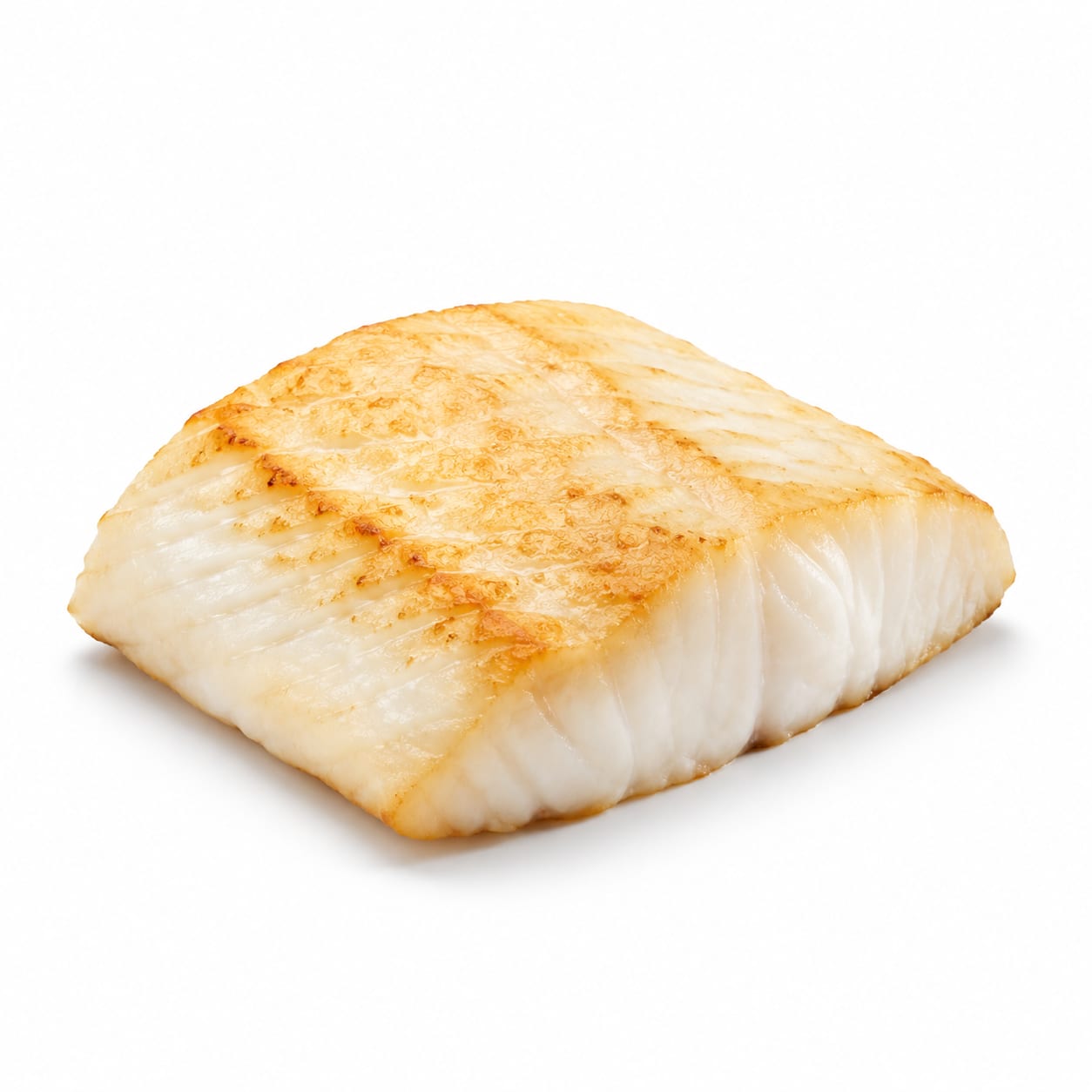
Cod
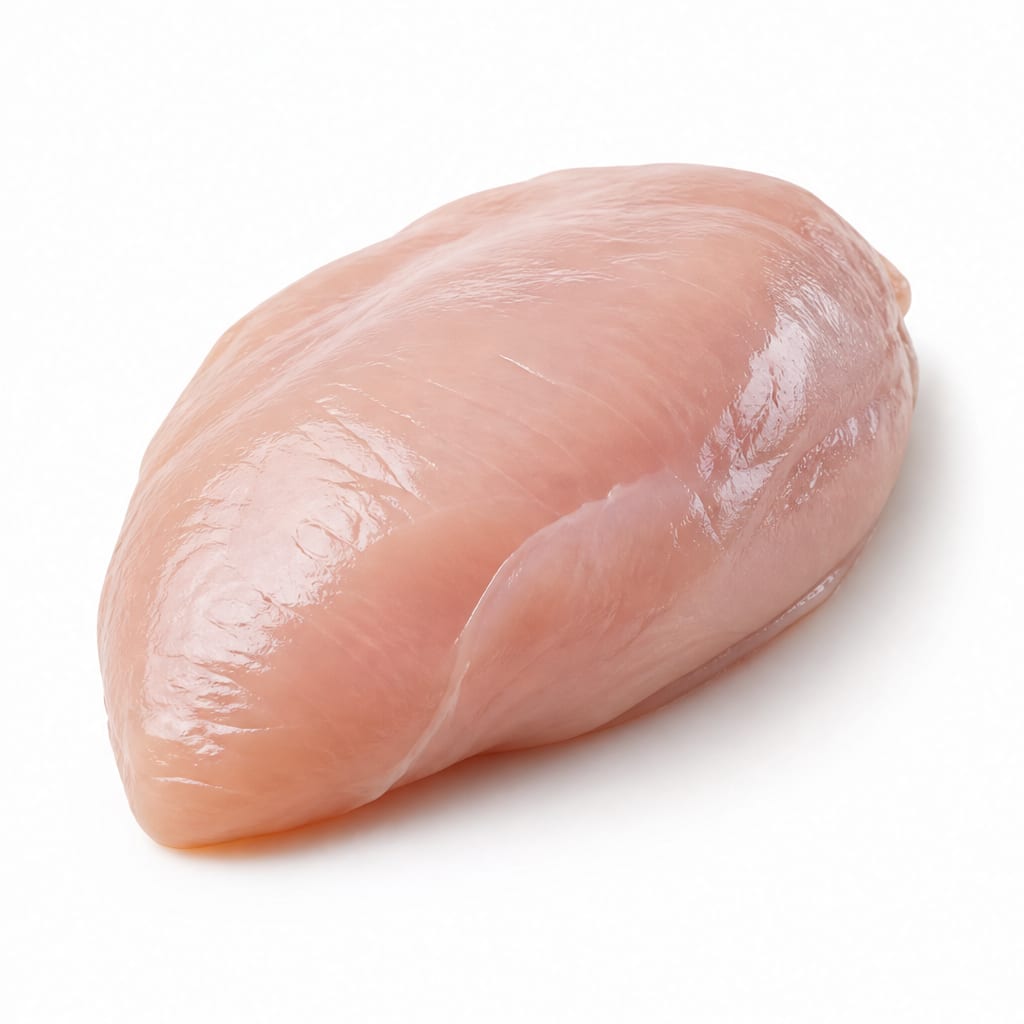
Chicken Breast
Chicken Breast wins on protein density and satiety, while Cod offers omega-3s, lighter digestion, and seafood micronutrients. Your pick depends on whether you prioritize maximum protein or dietary diversity and heart health.
Chicken Breast scores higher overall due to superior protein density, satiety, affordability, and versatility. Cod remains an excellent choice that earns its place through unique micronutrients and omega-3 content, but it falls behind on practicality and daily usability.
Chicken Breast delivers more protein per calorie and keeps you fuller longer, but Cod provides anti-inflammatory omega-3s, selenium, and vitamin B12 that chicken simply cannot match.
At a glance
Executive summary
Overall
It depends
Healthier
It depends
More practical
Chicken Breast
Daily use
Chicken Breast
Key comparison lenses
lean protein source selection
Both foods are top-tier lean proteins, so the core question is which delivers protein more effectively for the user's goal
weight loss diet optimization
Extremely common decision for calorie-conscious eaters deciding between fish and poultry
muscle building protein quality
Both are staple proteins in fitness diets, but amino acid profiles and bioavailability differ
everyday meal variety and sustainability
Eating the same protein daily gets old fast; users want to know if rotating both is beneficial
contaminant and safety awareness
Cod carries mercury and ocean contamination concerns while chicken carries antibiotic and processing concerns
Best choice for
Cod
- Heart health-conscious eaters wanting omega-3s without high calories
- People seeking lighter meals that digest easily, especially at dinner
- Anyone needing more selenium, iodine, or vitamin B12 in their diet
- Those tired of poultry and wanting seafood variety without excess fat
- Older adults benefiting from anti-inflammatory fats and easy digestion
Chicken Breast
- Athletes and lifters maximizing protein intake per meal
- Weight loss dieters who need maximum fullness from fewer calories
- Meal preppers needing a versatile, affordable, shelf-stable protein
- Anyone eating in a calorie deficit who cannot afford lower protein density
- Families wanting a crowd-pleasing, budget-friendly protein staple
Least suitable for
Cod
- Mercury-sensitive populations like pregnant women eating fish daily
- Budget-constrained households where fish is significantly pricier
- Anyone who struggles to cook fish properly and finds it intimidating
- People who dislike or are allergic to seafood
Chicken Breast
- Those bored of eating chicken every day and needing variety
- People wanting anti-inflammatory omega-3 benefits from their protein
- Anyone concerned about antibiotic residues in conventional poultry
- Diners seeking a lighter, less filling evening meal
Deep comparison
Dimension by dimension
Each lens scores both foods and breaks down who each option suits.
- Dimension 1 · Priority 95Chicken Breast
Protein Density and Quality
Cod · 72Chicken Breast · 93Chicken Breast packs roughly 31g of protein per 100g compared to Cod's 18g, making it far more efficient for hitting daily protein targets.
Tradeoff
Cod still provides complete, high-quality protein with all essential amino acids, but you need a larger portion to match chicken's protein output.
Why it matters
If you are tracking macros or eating in a calorie deficit, getting more protein per bite helps preserve muscle and stay full without overshooting calories.
Real-world impact
A single chicken breast at dinner often hits your protein goal. With Cod, you may need a larger fillet or a side protein to feel equally satisfied.
Cod
- Lighter protein intake where you want less bulk
- Combining with other protein sources in a meal
Better for
- Bodybuilders needing 40g+ protein per sitting from one source
- Anyone frustrated by having to eat large volumes to hit protein goals
Worse for
Chicken Breast
- Post-workout recovery meals needing fast, abundant protein
- Single-food meals where one serving must deliver most of your protein
Better for
- Meals where you deliberately want less protein and more room for carbs or fats
Worse for
- Dimension 2 · Priority 88Chicken Breast
Satiety and Fullness
Cod · 68Chicken Breast · 87Chicken Breast keeps you fuller for longer due to its higher protein content per serving and denser texture that slows eating pace.
Tradeoff
Cod digests more quickly and feels lighter, which is great for evening meals but less helpful when you need hours of sustained fullness.
Why it matters
Staying full between meals prevents snacking and makes calorie control feel effortless rather than forced.
Real-world impact
After a chicken breast lunch, you likely sail through to dinner without thinking about food. After Cod, you may be hunting for a snack by mid-afternoon.
Cod
- Late dinners where you want to avoid going to bed stuffed
- Hot days when heavy meals feel unappealing
Better for
- Long gaps between meals where you need lasting energy
- Active people who burn through light meals quickly
Worse for
Chicken Breast
- Busy workdays with no time for snacks between meals
- Weight loss phases where hunger management is critical
Better for
- Occasions where a heavy meal would cause discomfort or sluggishness
Worse for
- Dimension 3 · Priority 82Cod
Heart Health and Inflammation
Cod · 85Chicken Breast · 62Cod provides modest but meaningful omega-3 fatty acids and very low saturated fat, giving it an edge for cardiovascular protection and anti-inflammatory benefits.
Tradeoff
Chicken Breast is also lean and heart-healthy compared to red meat, but it lacks the marine omega-3s that make fish uniquely cardioprotective.
Why it matters
Regular omega-3 intake is one of the most evidence-backed strategies for reducing heart disease risk and chronic inflammation.
Real-world impact
Eating Cod twice a week contributes to your omega-3 intake meaningfully, while chicken never fills that nutritional gap no matter how often you eat it.
Cod
- People with family history of heart disease
- Anyone managing chronic inflammation or joint pain
- Older adults prioritizing cardiovascular protection
Better for
- Those expecting Cod to match salmon-level omega-3 benefits, which it cannot
Worse for
Chicken Breast
- Situations where any lean protein is already a step up from red or processed meat
Better for
- Diets entirely devoid of seafood, which miss a key heart-protective food group
Worse for
- Dimension 4 · Priority 78Cod
Micronutrient Profile
Cod · 84Chicken Breast · 70Cod delivers exceptional selenium, vitamin B12, iodine, and phosphorus, nutrients that chicken breast provides in far smaller amounts.
Tradeoff
Chicken Breast offers more niacin, vitamin B6, and choline, which support energy metabolism and brain function, but the overall micronutrient edge goes to Cod.
Why it matters
Selenium and B12 deficiencies are surprisingly common and affect energy, immunity, and thyroid function in ways that are hard to correct with a multivitamin alone.
Real-world impact
Regular Cod eaters get a meaningful bump in thyroid-supporting iodine and nerve-protecting B12 that chicken-only eaters must find elsewhere.
Cod
- Anyone low in B12, especially older adults and plant-leaning eaters
- Thyroid health optimization through natural iodine intake
- Immune support via selenium
Better for
- Expecting Cod to be a significant iron source, which it is not
Worse for
Chicken Breast
- Energy metabolism support through B-vitamin density
- Choline intake for brain and liver health
Better for
- Relying on chicken alone for micronutrient diversity, which leaves gaps
Worse for
- Dimension 5 · Priority 80Chicken Breast
Affordability and Accessibility
Cod · 55Chicken Breast · 88Chicken Breast is one of the most affordable and widely available lean proteins globally, while Cod is often pricier and less consistently stocked.
Tradeoff
Frozen Cod can narrow the price gap, but fresh Cod remains a premium protein in most markets compared to bulk chicken breast.
Why it matters
The best protein on paper means nothing if cost prevents you from eating it consistently. Affordability drives long-term dietary adherence.
Real-world impact
A week's worth of chicken breast might cost half what the same protein amount in Cod costs, making chicken the realistic daily staple for most budgets.
Cod
- Coastal regions where fresh Cod is local and affordable
- Special occasion meals where quality trumps cost
Better for
- Inland areas where Cod is imported, frozen, and marked up
- Large families needing affordable protein in volume
Worse for
Chicken Breast
- Weekly grocery budgets under $50 per person
- Costco or bulk shopping where chicken breast is extremely cheap per gram of protein
Better for
- Markets where poultry prices spike due to supply chain issues
Worse for
- Dimension 6 · Priority 75Chicken Breast
Cooking Versatility and Convenience
Cod · 65Chicken Breast · 86Chicken Breast adapts to grilling, baking, shredding, stir-frying, and slow cooking with minimal risk. Cod is more delicate and easier to overcook.
Tradeoff
Cod cooks faster than chicken, which is convenient on busy nights, but its fragility means less room for error and fewer leftover applications.
Why it matters
A protein you can cook confidently in multiple ways gets eaten more often. Intimidation in the kitchen leads to ordering takeout instead.
Real-world impact
Leftover chicken works in salads, wraps, and grain bowls the next day. Leftover Cod dries out and loses appeal quickly, limiting meal prep utility.
Cod
- Quick 10-minute weeknight dinners when you need food fast
- Recipes where a flaky, delicate texture is specifically desired
Better for
- Beginner cooks intimidated by fish preparation and doneness cues
- Meal preppers who need food that reheats well days later
Worse for
Chicken Breast
- Sunday meal prep for the entire workweek
- Grilling, air frying, and high-heat cooking methods
- Households with picky eaters who prefer familiar flavors
Better for
- Cuisines or recipes specifically calling for a flaky fish texture
Worse for
- Dimension 7 · Priority 72It depends
Contaminant and Safety Profile
Cod · 68Chicken Breast · 70Cod carries moderate mercury and ocean contaminant risk, while chicken carries antibiotic residue and foodborne illness risk from improper handling. Neither is risk-free.
Tradeoff
Cod's mercury is lower than large predatory fish but still present, while conventional chicken's antibiotic exposure concerns some consumers. Sourcing quality matters enormously for both.
Why it matters
Long-term exposure to even low levels of contaminants accumulates. Choosing cleaner sources reduces this burden meaningfully over years of regular consumption.
Real-world impact
Wild-caught Cod from clean waters and organic chicken from trusted farms both minimize risk significantly. The default grocery option of either carries more unknowns.
Cod
- Wild-caught Cod from verified sustainable fisheries
- People avoiding poultry due to antibiotic concerns
Better for
- Frequent fish eaters already near their mercury budget from tuna or swordfish
- Pregnant women who need to monitor total fish consumption carefully
Worse for
Chicken Breast
- Organic or antibiotic-free chicken from trusted sources
- Anyone avoiding mercury exposure, especially pregnant women limiting fish
Better for
- Conventional chicken from unknown sources with unclear antibiotic practices
- Improperly handled raw chicken, which is a leading cause of home kitchen foodborne illness
Worse for
Timeline
Health impact over time
Short-term
Hours to days
Cod
- Light, comfortable digestion with minimal bloating
- Quick cooking time makes fast meals easy
- Lower satiety may trigger hunger sooner than expected
- Mild fish aroma that some find off-putting when reheating
Chicken Breast
- Strong feeling of fullness that curbs snacking for hours
- Heavier digestion that may feel uncomfortable before exercise
- Versatile enough to eat at any meal without flavor fatigue
- Dry texture if overcooked, reducing meal enjoyment
Long-term
Months to years
Cod
- Regular omega-3 intake supports heart and brain health over decades
- Selenium and B12 contribute to immune resilience and nerve function
- Mercury accumulation risk if Cod is eaten daily without variety
- Lower protein intake may require careful meal planning to prevent muscle loss in older adults
Chicken Breast
- Consistent high protein intake preserves muscle mass and metabolic rate as you age
- Excellent weight management tool when eaten regularly in calorie-controlled diets
- Missing marine omega-3s if chicken fully replaces all seafood
- Antibiotic exposure risk accumulates if always choosing conventional poultry over organic
Risk profile
Safety & processing
Both Cod and Chicken Breast are whole, minimally processed foods in their natural form. Concerns arise from sourcing practices rather than additives. Farmed Cod may have feed-related contaminants, while conventional chicken may have antibiotic or hormone exposure. Choosing wild-caught Cod and organic chicken eliminates most worries.
Cod
Mercury exposure
lowCod is a low-mercury fish compared to tuna or swordfish, but regular daily consumption can still contribute to cumulative mercury load over time.
Ocean contaminants and microplastics
mediumWild-caught Cod may carry trace PCBs, dioxins, and microplastics from ocean pollution. Sourcing from cleaner waters reduces this significantly.
Parasites in raw or undercooked fish
lowProper cooking and freezing protocols eliminate parasite risk. Avoid raw Cod preparations unless sushi-grade and properly frozen.
Chicken Breast
Antibiotic residues
mediumConventional chicken may carry antibiotic residues from farming practices. Choosing organic or antibiotic-free labeled chicken mitigates this concern.
Salmonella and Campylobacter contamination
mediumRaw chicken is a leading carrier of foodborne bacteria. Proper handling, avoiding cross-contamination, and cooking to 165°F eliminates risk.
Processing additives in pre-packaged chicken
lowSome pre-seasoned or enhanced chicken breasts contain sodium solutions and preservatives. Plain, unenhanced chicken avoids this entirely.
Who wins for whom
Audience fit
Same foods, different winners depending on your goal.
children
Chicken BreastChicken Breast is more kid-friendly, easier to prepare safely, and free from mercury concerns that require portion monitoring in growing children.
daily consumption
Chicken BreastChicken Breast's affordability, versatility, and lower contaminant accumulation risk make it more sustainable as a daily staple, though rotating in Cod weekly is ideal.
diabetes
It dependsBoth are excellent zero-carb protein choices that stabilize blood sugar. Cod's omega-3s offer additional anti-inflammatory benefits for diabetic cardiovascular risk, while chicken's higher protein supports satiety and weight management.
elderly
CodCod's omega-3s, B12, and easy digestibility make it especially valuable for older adults managing heart health, inflammation, and declining B12 absorption.
muscle gain
Chicken BreastSuperior protein density and leucine content per serving make Chicken Breast the more efficient muscle-building food.
weight loss
Chicken BreastHigher protein per calorie and stronger satiety make Chicken Breast more effective for controlling hunger in a calorie deficit.
Your move
Decision guide
Choose Cod
- You want heart-protective omega-3s without the calories of salmon
- Digestive comfort and light meals are a priority, especially at dinner
- You need more B12, selenium, or iodine in your weekly diet
- You eat chicken constantly and need seafood variety to stay motivated
- You are an older adult prioritizing anti-inflammatory nutrition
Choose Chicken Breast
- You need maximum protein per meal for muscle gain or retention
- Budget is a primary concern and you need affordable lean protein in bulk
- You meal prep for the week and need a protein that reheats well
- You are in a calorie deficit and need every meal to keep you full for hours
- You cook for a family that prefers familiar, easy-to-prepare protein
Either works if
- You simply need a lean, healthy protein source and both are available
- You are rotating proteins throughout the week for nutritional diversity
- Your main goal is avoiding red and processed meat, and both accomplish this
Avoid both if
- You have specific allergies to fish or poultry
- Your diet already includes abundant lean protein and you need more healthy fats instead
- You are seeking plant-based protein sources for environmental or ethical reasons
Final recommendation
Make Chicken Breast your daily workhorse protein for its unmatched protein density, satiety, and affordability. Add Cod one to two times per week to fill the omega-3, B12, and selenium gaps that chicken cannot cover. This combination gives you the best of both worlds without the downsides of relying on either one exclusively.
Practical
Consumer tips
- 1
Buy wild-caught Cod when possible. Farmed Cod has a less favorable nutrient profile and more contaminant uncertainty.
- 2
Choose organic or antibiotic-free Chicken Breast to avoid residue concerns. The price difference is small relative to the health benefit.
- 3
Frozen Cod fillets are often fresher than 'fresh' fish counter Cod, which may have been previously frozen and thawed. Check labels.
- 4
Pound chicken breasts to even thickness before cooking to prevent the common problem of dry edges and raw centers.
- 5
Do not reheat Cod the next day if you are sensitive to fish smells. Plan to eat it fresh from the pan.
- 6
Marinate Chicken Breast in yogurt or citrus before cooking to keep it juicy. Dry chicken is the number one reason people quit eating it.
- 7
Aim for two seafood meals per week total. If Cod is one, pair it with a fattier fish like salmon for broader omega-3 coverage.
- 8
Check sodium content on pre-packaged chicken breasts. Some brands inject up to 300mg of sodium per serving as a preservative.