
Nutrition comparison
Churros vs Baked Churros: Which Is Healthier and Is the Taste Worth the Tradeoff?
Compare traditional fried churros vs baked churros on calories, fat, acrylamide risk, and taste. Find out which version fits your health goals without sacrificing enjoyment.
Overall winner · Baked Churros
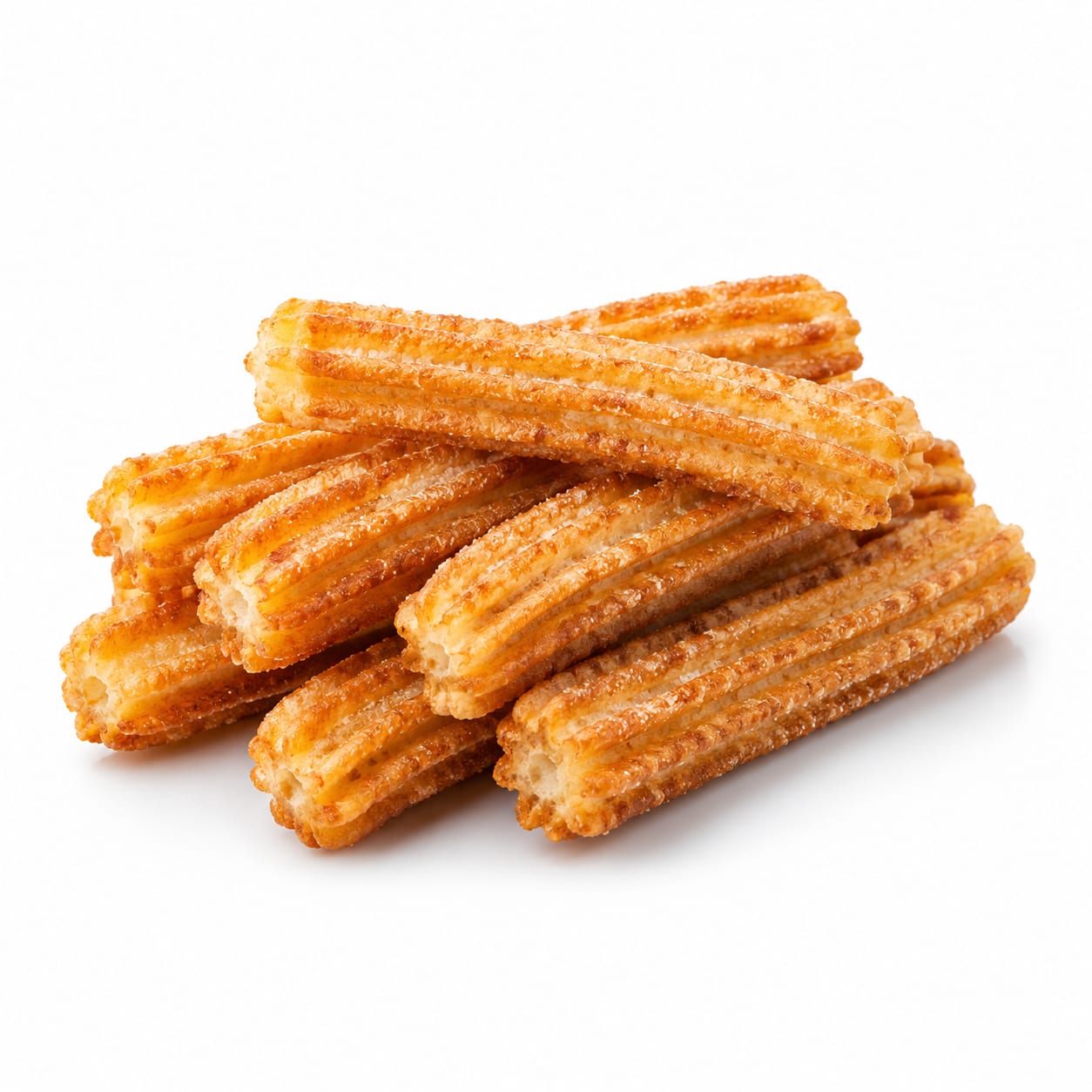
Churros
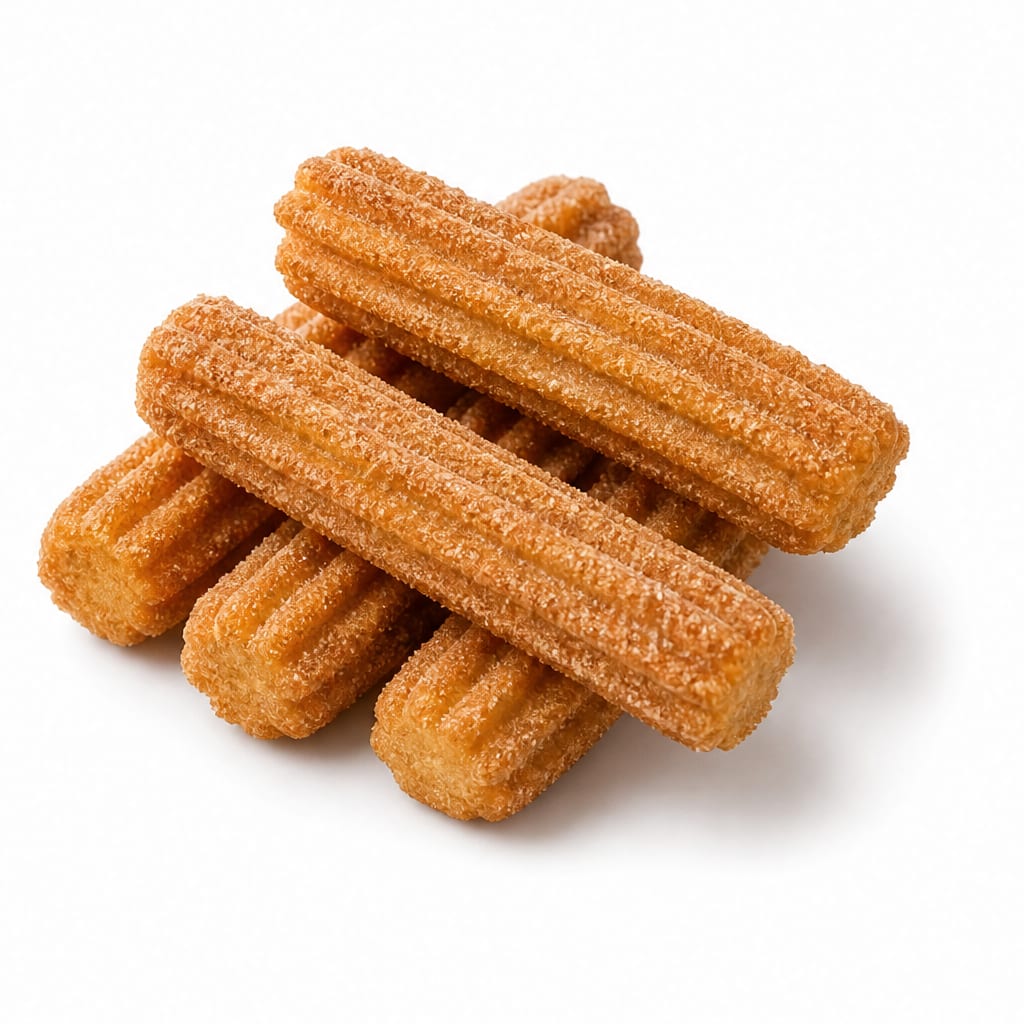
Baked Churros
Baked Churros deliver most of the experience with significantly less fat and fewer harmful compounds, making them the smarter regular choice.
Baked Churros score notably higher because the frying method is the single biggest health liability of traditional churros. Removing deep-frying eliminates most of the downside while preserving the core treat experience. Neither scores well overall since both are sugar-heavy refined-carb desserts.
You sacrifice some of that shatter-crisp fried exterior and rich mouthfeel, but you dodge a heavy load of inflammatory fats and potential carcinogens.
At a glance
Executive summary
Overall
Baked Churros
Healthier
Baked Churros
More practical
Baked Churros
Daily use
Baked Churros
Key comparison lenses
fat and calorie reduction
The primary difference is cooking method: deep-frying versus baking, which dramatically changes fat and calorie content
carcinogenic risk from frying
Deep-frying at high temperatures creates acrylamide and advanced glycation end-products that baking significantly reduces
taste and texture tradeoff
Users want to know if the health upgrade sacrifices the crispy exterior and indulgent experience that makes churros appealing
blood sugar and cravings
Both are sugar-dense treats, but the fat content in traditional churros slows sugar absorption slightly
everyday treat sustainability
People choosing baked churros may feel comfortable eating them more often, which has its own tradeoffs
Best choice for
Churros
- Special occasions where indulgence matters most
- People who only eat churros rarely and want the authentic experience
- Those who find low-fat versions unsatisfying and end up overeating
Baked Churros
- Frequent churro lovers trying to cut fat without giving up the treat
- Families wanting a safer snack for kids
- Anyone managing heart health or weight while still enjoying desserts
Least suitable for
Churros
- Anyone watching cholesterol or heart health
- People who eat churros more than occasionally
- Those sensitive to greasy or heavy foods
Baked Churros
- Purists who find the texture difference too disappointing
- Situations where the authentic street-food experience is the whole point
Deep comparison
Dimension by dimension
Each lens scores both foods and breaks down who each option suits.
- Dimension 1 · Priority 95Baked Churros
fat_content_and_heart_health
Churros · 15Baked Churros · 65Traditional churros absorb significant oil during frying, often adding 10-15g of fat per serving. Baked churros use little to no added fat.
Tradeoff
The oil is what creates that irresistible crispy shell. Without it, baked churros rely on oven browning which is gentler and less crunchy.
Why it matters
Regular consumption of deep-fried foods is strongly linked to heart disease, elevated LDL cholesterol, and systemic inflammation.
Real-world impact
Swapping to baked churros a few times a month could save you hundreds of grams of inflammatory fat per year without abandoning the treat entirely.
Churros
- Satiety from fat slowing digestion slightly
Better for
- Blood lipid profiles over time
- People with existing heart conditions
Worse for
Baked Churros
- Cardiovascular health
- Calorie control
- Lower inflammation
Better for
- Those who find low-fat treats unsatisfying and compensate by eating more
Worse for
- Dimension 2 · Priority 85Baked Churros
carcinogenic_and_toxic_compound_exposure
Churros · 20Baked Churros · 70Deep-frying starchy dough at high temperatures produces acrylamide, a probable carcinogen. Baking at lower temperatures creates far less.
Tradeoff
You cannot get the same deep-fried crust without high-heat oil immersion, which is exactly what triggers acrylamide formation.
Why it matters
Acrylamide exposure from fried starchy foods is a cumulative risk. Reducing it where you can is a meaningful long-term health move.
Real-world impact
If churros are a monthly or weekly treat, switching to baked meaningfully reduces your lifetime acrylamide exposure from desserts.
Churros
- Cumulative carcinogen exposure when combined with other fried foods
Worse for
Baked Churros
- Long-term cancer risk reduction
- Lower advanced glycation end-product intake
Better for
- Dimension 3 · Priority 80Churros
taste_and_satisfaction
Churros · 90Baked Churros · 60Traditional churros have a shatter-crisp exterior and tender interior that baking struggles to fully replicate.
Tradeoff
The sensory experience of a freshly fried churro is genuinely superior. Baked versions are good but not the same.
Why it matters
Food satisfaction matters for sustainability. If baked churros feel like a compromise, you might eat more of them or abandon the swap entirely.
Real-world impact
For a once-a-year fair visit, the fried version is worth it. For a weekly home treat, baked churros are satisfying enough for most people.
Churros
- Authentic crispy-chewy contrast
- More indulgent and celebratory feeling
- Closer to the street-food original
Better for
- Heavy greasy feeling afterward
Worse for
Baked Churros
- Less greasy aftertaste
- Lighter mouthfeel some people prefer
Better for
- Can taste dry or bready without recipe optimization
Worse for
- Dimension 4 · Priority 70It depends
blood_sugar_impact
Churros · 35Baked Churros · 30Both are refined-flour desserts coated in sugar. The fried version's fat slightly slows glucose absorption, but neither is blood-sugar-friendly.
Tradeoff
Churros have a marginally gentler glycemic curve due to fat content, but the sugar load is still substantial in both versions.
Why it matters
If you are diabetic or insulin-resistant, the difference between these two is negligible. Both will spike blood sugar significantly.
Real-world impact
Neither version is a safe choice for blood sugar management. Pairing either with protein or eating a small portion matters more than the cooking method.
Churros
- Slightly slower sugar absorption due to fat content
Better for
Baked Churros
- Slightly faster sugar spike without fat to slow digestion
Worse for
- Dimension 5 · Priority 75Baked Churros
calorie_density_and_weight_management
Churros · 20Baked Churros · 55Fried churros typically run 200-300 calories per serving compared to 120-180 for baked, mainly due to oil absorption.
Tradeoff
Lower calories per churro means you could eat more, which negates the benefit if portion control is weak.
Why it matters
For someone eating churros regularly, the calorie difference compounds quickly and can meaningfully impact weight over months.
Real-world impact
Two baked churros a week instead of fried saves roughly 1500-2500 calories per month with minimal lifestyle sacrifice.
Churros
- Easy to overconsume calories when fried foods feel moreish
Worse for
Baked Churros
- Easier to fit into a calorie budget
- Less likely to trigger a heavy sluggish feeling
Better for
- May feel less filling per piece, leading to eating more
Worse for
- Dimension 6 · Priority 60It depends
emotional_eating_and_cravings
Churros · 45Baked Churros · 45Fried churros are more rewarding and may satisfy a craving with fewer pieces. Baked churros are less triggering but also less satisfying.
Tradeoff
Hyper-palatable fried foods can trigger overeating. But unsatisfying substitutes can leave you chasing the real thing and eating more overall.
Why it matters
Your relationship with the treat matters as much as its nutrition profile. The best choice depends on your eating psychology.
Real-world impact
If one fried churro satisfies you completely but three baked ones leave you still wanting, the fried version may actually be the better choice for you.
Churros
- Stronger reward signal may end the craving faster
Better for
- Can activate reward-driven overeating patterns
Worse for
Baked Churros
- Less likely to trigger a fried-food binge cycle
Better for
- May not scratch the itch, leading to compensatory snacking
Worse for
Timeline
Health impact over time
Short-term
Hours to days
Churros
- Heavy sluggish feeling within 30-60 minutes from high fat load
- Rapid blood sugar spike followed by a crash within 1-2 hours
- Possible heartburn or indigestion from greasy food on an empty stomach
Baked Churros
- Lighter post-snack feeling with less digestive heaviness
- Blood sugar spike still present but slightly faster onset without fat buffer
- Less likely to cause grease-related stomach discomfort
Long-term
Months to years
Churros
- Increased cardiovascular risk from regular fried food consumption
- Higher cumulative acrylamide exposure linked to cancer risk
- Chronic low-grade inflammation from repeated intake of oxidized frying oils
- Weight gain risk if consumed frequently due to high calorie density
Baked Churros
- Significantly lower cardiovascular and inflammatory burden
- Reduced carcinogen exposure compared to fried alternative
- Still contributes to insulin resistance and metabolic strain if eaten frequently due to sugar and refined carbs
- Easier to maintain weight if portions stay reasonable
Risk profile
Safety & processing
Both versions use refined flour, sugar, and typically the same dough ingredients. The key difference is that deep-frying adds oxidized oil and potentially degraded compounds. Baked churros avoid the oil degradation issue but may include extra emulsifiers or stabilizers in commercial versions to improve texture without frying. Homemade baked churros are the least processed option in this comparison.
Churros
Acrylamide formation
mediumStarchy dough fried above 175°C produces acrylamide, classified as a probable human carcinogen. The darker the crust, the more acrylamide present.
Oxidized cooking oils
mediumOils reused for frying degrade into aldehydes and lipid peroxides, which are inflammatory and potentially harmful. Risk increases with oil reuse in commercial settings.
Trans fat exposure
lowSome commercial fryers still use partially hydrogenated oils. Even small amounts of trans fats are harmful. Home frying with fresh oil reduces this risk significantly.
Baked Churros
Acrylamide formation
lowBaking produces some acrylamide but far less than deep-frying since temperatures are lower and no oil immersion occurs.
Commercial additive exposure
lowStore-bought baked churros may contain dough conditioners or preservatives to compensate for texture lost from skipping the fry step. Homemade versions avoid this.
Who wins for whom
Audience fit
Same foods, different winners depending on your goal.
children
Baked ChurrosKids are more vulnerable to acrylamide exposure relative to body weight. Baked churros also avoid the heavy grease that can upset younger stomachs.
daily consumption
Baked ChurrosNeither should be eaten daily, but if you must, baked churros place far less cumulative strain on the heart, metabolism, and digestive system.
diabetes
It dependsBoth are poor choices for blood sugar. The fat in traditional churros slightly blunts the glucose spike, but the difference is not clinically meaningful. Portion size matters far more.
elderly
Baked ChurrosOlder adults have more fragile cardiovascular systems and slower digestion. Lower fat and fewer inflammatory compounds make baked churros the gentler choice.
muscle gain
It dependsNeither is useful for muscle gain. Both lack meaningful protein. If used as a carb source post-workout, the lower fat in baked churros allows faster digestion.
weight loss
Baked ChurrosBaked churros save 80-120 calories per serving primarily from fat reduction, making them easier to fit into a calorie deficit.
Your move
Decision guide
Choose Churros
- You eat churros fewer than 3-4 times per year and want the full experience
- The authentic crispy texture is non-negotiable for your enjoyment
- You are at a fair or restaurant where the fried version is the whole point
- One real churro satisfies you more than two baked ones
Choose Baked Churros
- You make churros at home more than once a month
- Heart health, cholesterol, or inflammation are concerns for you
- You want a treat that does not leave you feeling heavy and sluggish
- You are feeding children and want to reduce their acrylamide exposure
- You are managing calories and want to save 80-120 per serving
Either works if
- You only eat churros occasionally and the health difference is negligible at that frequency
- You plan to pair the treat with protein or fiber to blunt the sugar spike
Avoid both if
- You have diabetes or insulin resistance and the sugar spike would be problematic
- You are following a low-carb or ketogenic eating plan
- You are trying to break a sugar craving cycle rather than manage it
Final recommendation
Make baked churros your default at home. Save traditional fried churros for authentic street-food experiences a few times a year. The health gap between these two is real and meaningful at any frequency beyond occasional, but the taste gap is real too. Do not pretend baked churros are identical — honor the difference, choose accordingly, and enjoy either version mindfully.
Practical
Consumer tips
- 1
If making baked churros at home, brush lightly with oil before baking and roll in cinnamon sugar immediately after for better texture approximation
- 2
A pipe-and-bake method using a pastry bag gives baked churros closer shape and crunch to the original
- 3
Pair either version with a protein-rich drink like unsweetened Greek yogurt to reduce the blood sugar spike
- 4
Air fryer churros are a strong middle ground: closer to fried texture with a fraction of the oil
- 5
Freeze baked churro dough and bake on demand to avoid overeating a full batch
- 6
If buying commercial baked churros, check ingredient lists for excessive emulsifiers or preservatives added to compensate for missing fry texture