
Nutrition comparison
Chickpeas vs White Beans: Nutrition, Digestion, and Best Uses
Compare chickpeas vs white beans on iron, fiber, digestion, and culinary uses. Find out which bean is better for your health goals and recipes.
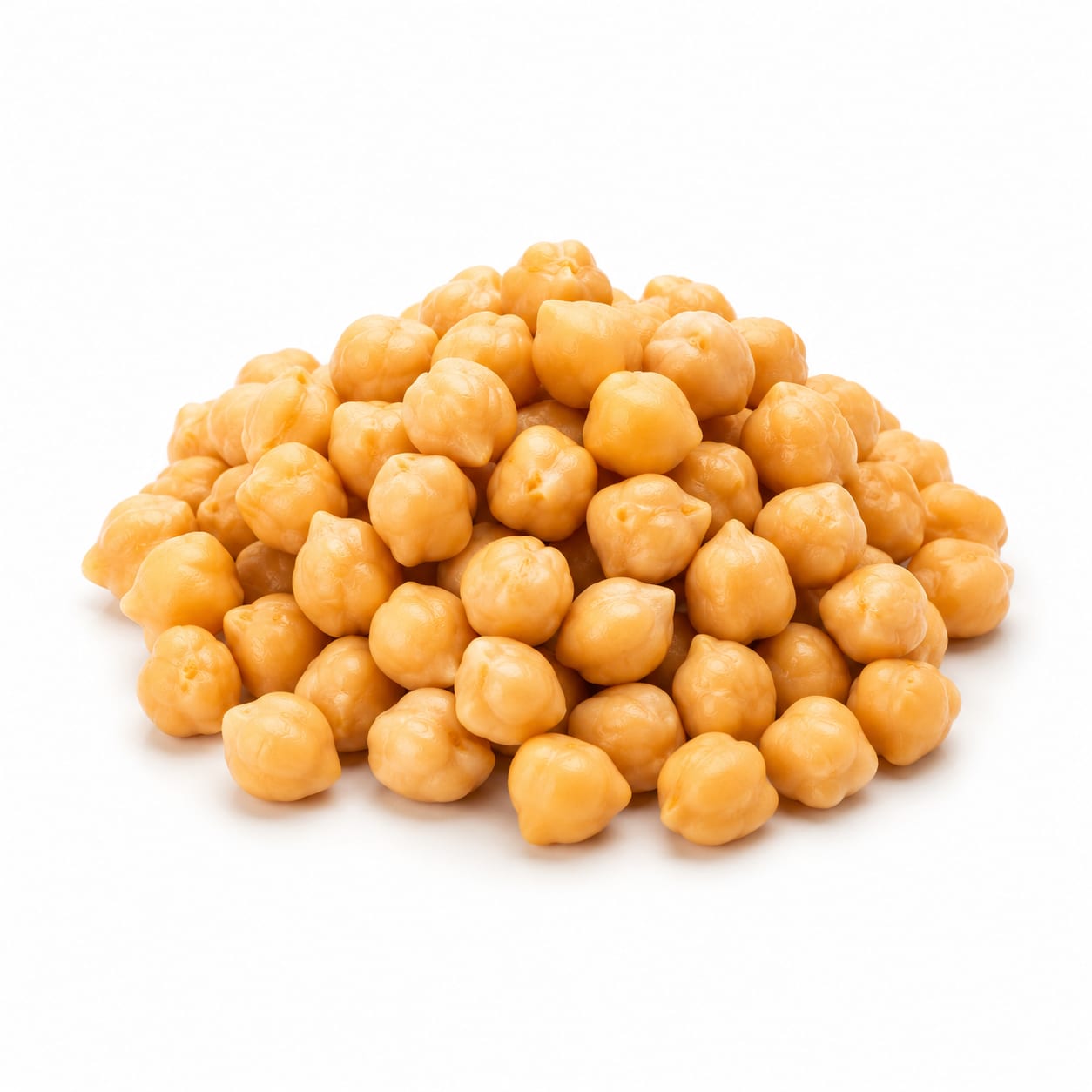
Chickpea
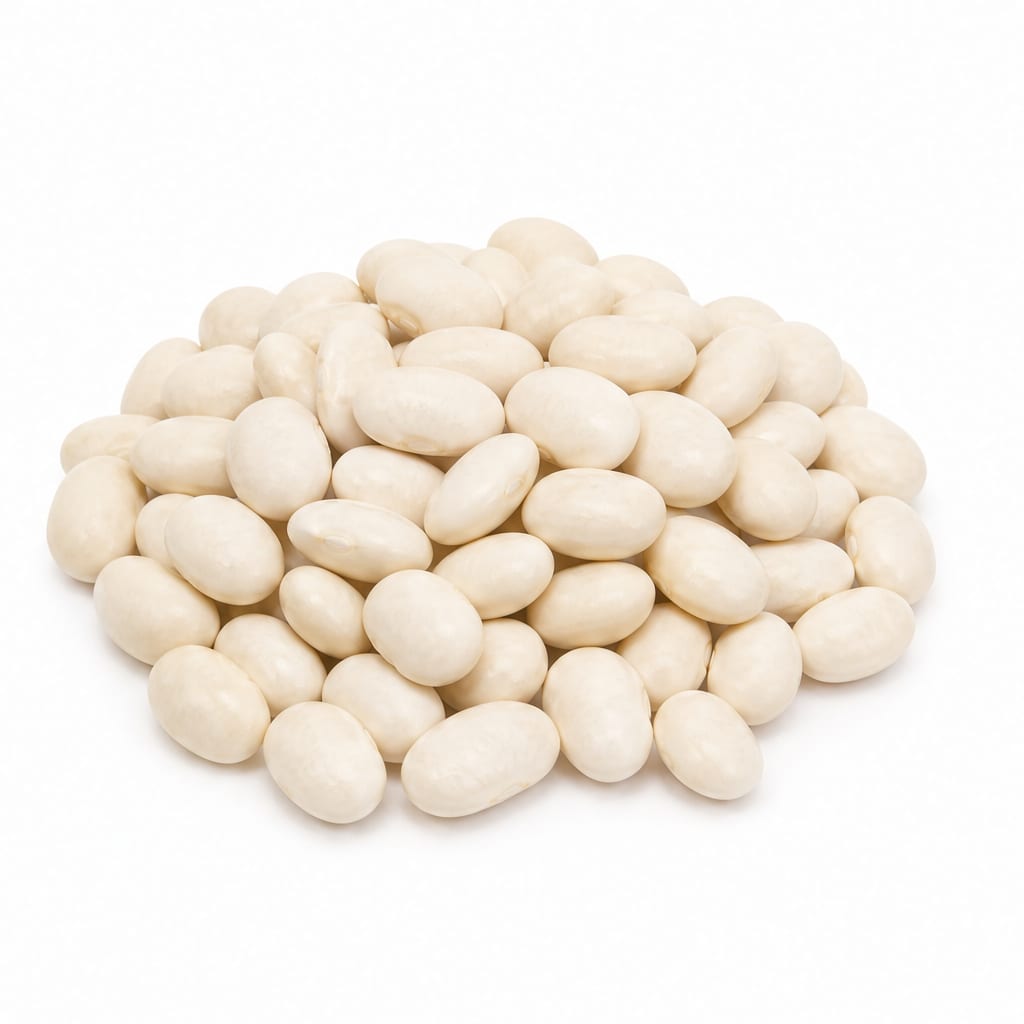
White beans
Chickpeas offer more healthy fats and folate with a satisfying bite, while white beans deliver superior iron and calcium with a comforting, creamy texture.
Scores are nearly identical because both are nutrient-dense legumes. Chickpeas edge ahead slightly in versatility and healthy fat content, while white beans win on mineral density.
Chickpeas are more versatile and slightly easier to digest, whereas white beans are better for boosting iron and creating smooth, rich dishes.
At a glance
Executive summary
Overall
It depends
Healthier
It depends
More practical
Chickpea
Daily use
It depends
Key comparison lenses
Plant-based protein and fiber quality
Both are staple legumes relied upon for sustained energy and gut health, making their macronutrient nuances critical.
Digestive tolerance and gas production
Beans are notorious for causing bloating; understanding which is gentler on the stomach is a primary consumer concern.
Mineral density for anemia and bone health
White beans and chickpeas have distinctly different mineral profiles, heavily influencing their value for specific deficiencies.
Culinary versatility and meal prep
Texture dictates use; one holds shape for salads, the other breaks down for creamy soups, affecting practical daily use.
Best choice for
Chickpea
- Salads and grain bowls requiring a firm texture
- Roasted crunchy snacks
- Those needing more folate for cellular repair
White beans
- Hearty soups and stews
- Those managing iron-deficiency anemia
- Making creamy dairy-free sauces or dips
Least suitable for
Chickpea
- Smooth purees or dips requiring a silky texture
White beans
- Dishes requiring beans to hold their shape firmly
- Those highly sensitive to gas and bloating
Deep comparison
Dimension by dimension
Each lens scores both foods and breaks down who each option suits.
- Dimension 1 · Priority 85Chickpea
Satiety & Fullness
Chickpea · 88White beans · 82Chickpeas keep you slightly fuller due to their higher fat content and firmer texture that takes longer to chew.
Tradeoff
You get longer-lasting energy from chickpeas, but white beans feel lighter in the stomach.
Why it matters
Staying full longer helps control snacking between meals.
Real-world impact
A chickpea salad at lunch is less likely to lead to an afternoon energy crash than a light white bean soup.
Chickpea
- Sustained energy
- Reduced snacking between meals
Better for
- Those wanting a light, easily digestible meal before a workout
Worse for
White beans
- Lighter meals
- Smaller appetites
Better for
- Those who need heavy, filling meals to stay satisfied
Worse for
- Dimension 2 · Priority 90It depends
Blood Sugar Stability
Chickpea · 85White beans · 85Both have a low glycemic index and high fiber, making them excellent for steady blood sugar.
Tradeoff
Chickpeas have slightly more fat and fiber to slow digestion, but white beans' starch composition is also highly stabilizing.
Why it matters
Stable blood sugar prevents energy spikes and crashes.
Real-world impact
Either bean is a smart carb swap for white rice or pasta to avoid the post-meal slump.
Chickpea
- Slightly slower digestion due to fat content
Better for
White beans
- Equally effective low-GI carb source
Better for
- Dimension 3 · Priority 80White beans
Mineral Density (Iron & Calcium)
Chickpea · 70White beans · 90White beans are a powerhouse for iron and calcium, significantly outperforming chickpeas in both minerals.
Tradeoff
You get a major mineral boost with white beans, but miss out on the higher folate found in chickpeas.
Why it matters
Iron fights fatigue, and calcium supports bone health, especially on plant-based diets.
Real-world impact
Eating white beans regularly can help prevent the afternoon sluggishness linked to low iron.
Chickpea
- Folate needs for pregnancy or cell repair
Better for
- Those relying heavily on beans for iron
Worse for
White beans
- Iron-deficiency anemia
- Bone health support
Better for
- Dimension 4 · Priority 85Chickpea
Digestive Tolerance
Chickpea · 78White beans · 68Chickpeas tend to be slightly easier to digest and produce less gas for many people compared to white beans.
Tradeoff
White beans have a higher oligosaccharide content which can cause more bloating, despite their creamy texture.
Why it matters
Digestive comfort dictates whether you can actually eat these foods regularly.
Real-world impact
Chickpeas might be a safer bet for a workday lunch if you are prone to bean-related bloating.
Chickpea
- Sensitive stomachs
- Workday meals
Better for
White beans
- Those with iron-clad digestion
Better for
- People prone to bloating or IBS
Worse for
- Dimension 5 · Priority 75Chickpea
Culinary Versatility
Chickpea · 92White beans · 80Chickpeas can be roasted for crunch, mashed for hummus, or tossed in salads, offering more texture variety.
Tradeoff
White beans break down beautifully into creamy soups and dips but lack the structural integrity for roasting.
Why it matters
Versatility keeps meals interesting and makes it easier to stick to healthy eating habits.
Real-world impact
Chickpeas can easily become a crunchy afternoon snack, while white beans are best reserved for comforting bowls.
Chickpea
- Roasting
- Salads
- Curries
Better for
- Making smooth, velvety purees
Worse for
White beans
- Silky soups
- Stews
- Dairy-free cream sauces
Better for
- Dishes needing a firm, distinct bean shape
Worse for
Timeline
Health impact over time
Short-term
Hours to days
Chickpea
- Steady energy without a sugar crash
- Moderate fullness that does not feel overly heavy
White beans
- Lighter stomach feel
- Potential for gas or bloating if unaccustomed to high oligosaccharides
Long-term
Months to years
Chickpea
- Better folate intake supports cellular repair and pregnancy health
- Healthy fats contribute to sustained cardiovascular wellness
White beans
- Superior iron intake prevents fatigue and weakness
- Higher calcium protects long-term bone density
Risk profile
Safety & processing
Both are whole, minimally processed foods when bought dried or canned with just water and salt.
Chickpea
Canned BPA exposure
mediumCanned chickpeas may contain BPA from can linings; choosing dried or BPA-free cans mitigates this.
White beans
Canned BPA exposure
mediumSimilar to chickpeas, canned white beans may have BPA; rinsing can reduce some exposure but choosing dried is safer.
Who wins for whom
Audience fit
Same foods, different winners depending on your goal.
children
White beansWhite beans' creamy texture is easier for kids to eat, and the extra calcium supports growing bones.
daily consumption
It dependsRotating both provides the broadest nutrient profile, though chickpeas may be gentler on daily digestion.
diabetes
It dependsBoth are low-glycemic and high-fiber, equally excellent for blood sugar management.
elderly
White beansThe high calcium and iron in white beans, plus a softer texture, are ideal for aging bones and declining stomach acid.
muscle gain
It dependsBoth offer similar protein profiles; combining them with grains provides complete amino acids for muscle repair.
weight loss
ChickpeaChickpeas' higher fat and fiber content provides more satiety, making it easier to eat less overall.
Your move
Decision guide
Choose Chickpea
- You want a firm bean for salads and roasting
- You struggle with bloating from other beans
- You need more folate in your diet
Choose White beans
- You are making a soup, stew, or creamy dip
- You need an iron or calcium boost
- You prefer a softer, melt-in-your-mouth texture
Either works if
- You just need a healthy plant-based protein source
- You are meal-prepping a grain bowl
- You want to stabilize your blood sugar
Avoid both if
- You have a severe legume allergy
- You are on a strict low-FODMAP diet during the elimination phase
Final recommendation
Let the dish dictate your choice: use chickpeas when you want texture and versatility, and white beans when you need creaminess and a mineral boost. Rotating both is the smartest move for long-term health.
Practical
Consumer tips
- 1
Rinsing canned beans thoroughly removes up to 40% of the sodium and reduces gas-causing oligosaccharides.
- 2
Add a strip of kombu seaweed when cooking dried beans to help break down tough fibers and improve digestibility.
- 3
If you are sensitive to beans, start with small portions of chickpeas and gradually increase to build gut tolerance.
- 4
Choose dried beans or BPA-free cans to avoid endocrine-disrupting chemicals.