
Nutrition comparison
Chickpeas vs Tofu: Which Plant Protein Is Better for You?
Compare chickpeas and tofu on protein, fiber, digestion, and more. Find out which plant-based protein fits your goals better with this expert breakdown.
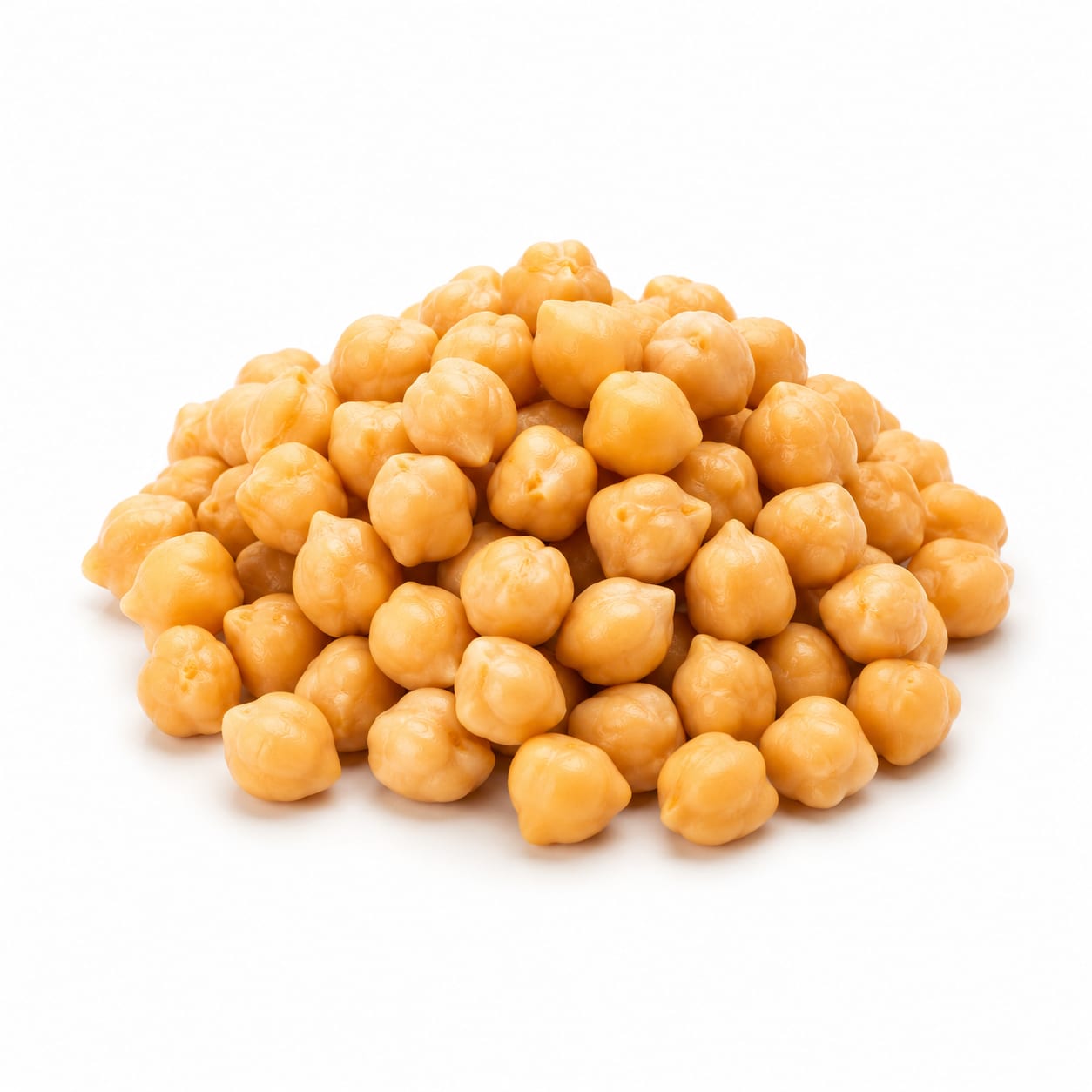
Chickpea
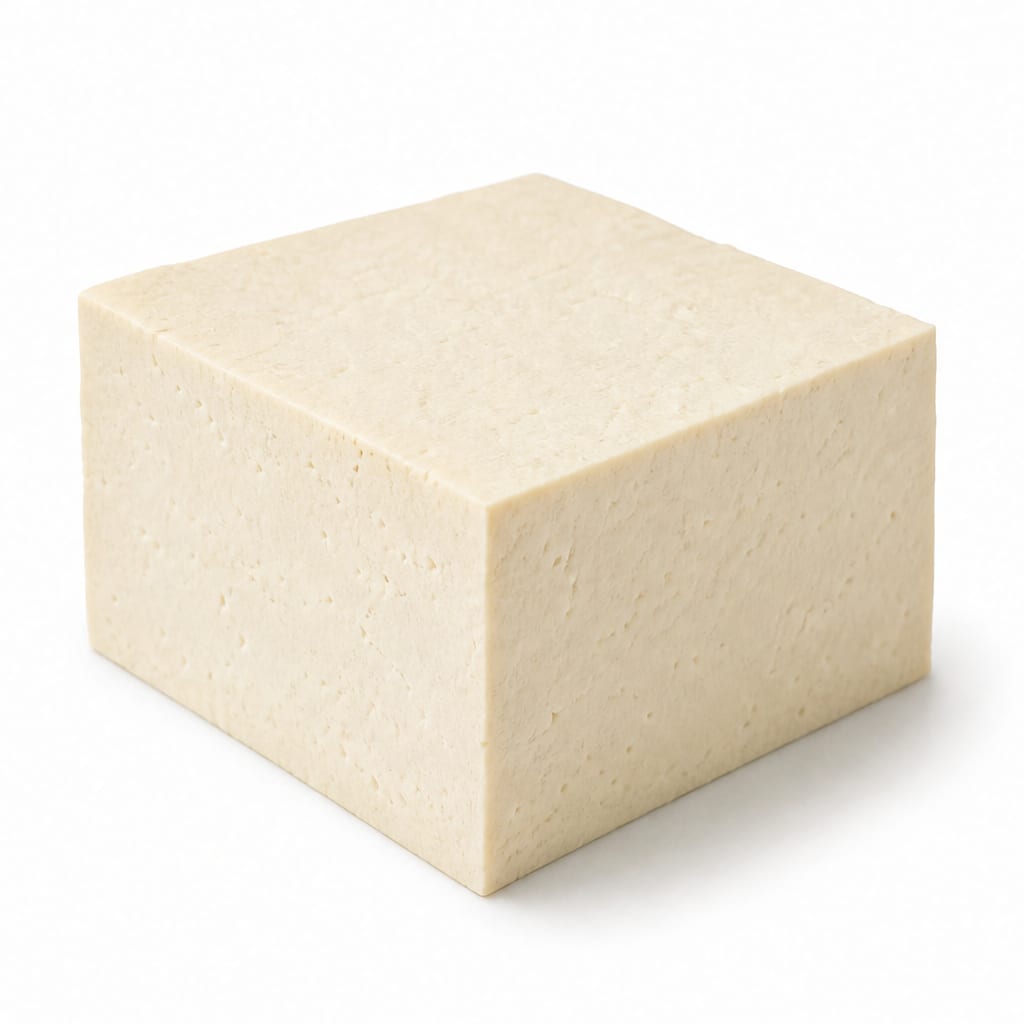
Tofu
Chickpeas win on fiber, fullness, and whole-food purity. Tofu wins on protein density, digestibility, and calorie efficiency. Your pick depends on what your plate needs more.
Tofu edges ahead slightly due to superior protein quality and density, but chickpeas remain competitive thanks to fiber, whole-food status, and broader micronutrient coverage. The small gap reflects that neither dominates the other.
Chickpeas give you lasting fullness and gut-friendly fiber but less protein per bite. Tofu packs more protein with fewer calories but almost no fiber and comes with soy considerations.
At a glance
Executive summary
Overall
It depends
Healthier
It depends
More practical
Tofu
Daily use
It depends
Key comparison lenses
plant protein source selection
Both are top plant-based proteins; users are likely deciding which better meets their protein needs
fiber vs protein tradeoff
Chickpeas deliver significantly more fiber while tofu delivers more protein per calorie
digestive tolerance and gut health
Chickpeas cause bloating for some; tofu is generally easier to digest but soy sensitivities exist
minimally processed diet alignment
Chickpeas are a whole food; tofu is processed from soybeans, which matters to clean-eating preferences
hormonal and phytoestrogen concerns
Tofu contains isoflavones that raise questions about hormonal effects, especially for certain populations
Best choice for
Chickpea
- People prioritizing gut health and regularity
- Those wanting a whole-food, minimally processed protein source
- Anyone needing sustained energy and long-lasting fullness
- Budget-conscious eaters looking for affordable nutrition
Tofu
- People focused on muscle maintenance or gain
- Those needing easy-to-digest protein after workouts
- Anyone managing calorie intake while keeping protein high
- People with sensitive digestion who struggle with beans
Least suitable for
Chickpea
- People with severe IBS or FODMAP sensitivities
- Those needing high protein density in small portions
- Anyone in a rush who cannot tolerate longer cooking times
Tofu
- People with soy allergies or intolerances
- Those avoiding processed foods strictly
- Anyone concerned about phytoestrogen intake for hormone-sensitive conditions
Deep comparison
Dimension by dimension
Each lens scores both foods and breaks down who each option suits.
- Dimension 1 · Priority 95Tofu
protein_quality_and_density
Chickpea · 58Tofu · 88Tofu delivers roughly 50% more protein per calorie and provides all essential amino acids in better proportions than chickpeas.
Tradeoff
Chickpeas offer decent protein but with more calories attached. Tofu gives you leaner, more complete protein per bite.
Why it matters
If you are eating plant-based, hitting complete protein profiles matters more than omnivores realize. Tofu makes that easier.
Real-world impact
A cup of tofu gets you around 20g of complete protein. A cup of chickpeas gives you about 14g with less favorable amino acid balance.
Chickpea
- Post-workout protein timing
- High-protein diets requiring efficiency
Worse for
Tofu
- Muscle recovery after exercise
- Meeting daily protein targets without excess calories
- Older adults preserving lean mass
Better for
- Dimension 2 · Priority 90Chickpea
fiber_and_gut_health
Chickpea · 92Tofu · 25Chickpeas are a fiber powerhouse with roughly 12g per cup cooked. Tofu contains minimal fiber at around 1g per cup.
Tradeoff
Chickpeas feed your gut microbiome and keep you regular. Tofu barely moves the needle on fiber.
Why it matters
Most people fall far short of daily fiber targets. Chickpeas make a serious dent; tofu does not help here.
Real-world impact
Eating chickpeas regularly can meaningfully improve digestion and satiety. Tofu requires pairing with fiber-rich foods to achieve the same effect.
Chickpea
- Gut microbiome diversity
- Preventing constipation
- Sustained fullness between meals
Better for
Tofu
- Anyone relying on tofu as a standalone meal without added vegetables or grains
Worse for
- Dimension 3 · Priority 85Chickpea
blood_sugar_stability
Chickpea · 82Tofu · 74Chickpeas have a lower glycemic index and their fiber slows glucose absorption more effectively than tofu.
Tradeoff
Tofu has fewer carbs overall, which helps some people, but chickpeas provide steadier blood sugar curves thanks to fiber.
Why it matters
Steady energy matters more than just low carbs. Fiber-mediated glucose control prevents crashes better.
Real-world impact
A chickpea-based lunch keeps you fuller and more energized through the afternoon. Tofu alone may leave you hungry sooner unless paired with other foods.
Chickpea
- People with insulin resistance or prediabetes
- Anyone prone to afternoon energy crashes
- Sustained energy during long workdays
Better for
- Strict ketogenic diets where any carb load is problematic
Worse for
Tofu
- Very low-carb diet followers who need protein without carbs
Better for
- People who eat tofu alone and wonder why they feel hungry an hour later
Worse for
- Dimension 4 · Priority 85Chickpea
satiety_and_fullness
Chickpea · 84Tofu · 68Chickpeas keep you full longer due to their fiber-protein-starch combination. Tofu is filling in the moment but less durable.
Tradeoff
Tofu satisfies immediately with its dense texture but lacks the staying power that fiber provides.
Why it matters
Foods that keep you full for hours reduce snacking and make portion control effortless.
Real-world impact
A chickpea bowl at noon often prevents the 3pm vending machine visit. Tofu may need backup from whole grains or veggies to do the same.
Chickpea
- Weight management through natural appetite suppression
- Long gaps between meals without hunger
- People who tend to overeat at dinner
Better for
- People who dislike feeling full or bloated after meals
Worse for
Tofu
- Light meals where you want satisfaction without heaviness
Better for
- Anyone relying on tofu alone to control hunger for extended periods
Worse for
- Dimension 5 · Priority 75Chickpea
processing_and_naturalness
Chickpea · 90Tofu · 55Chickpeas are a whole food eaten essentially as grown. Tofu requires soaking, grinding, coagulating, and pressing soybeans.
Tradeoff
Chickpeas are closer to nature. Tofu is a traditional processed food with a long safety history but more steps from field to plate.
Why it matters
Minimally processed foods generally retain more nutrients and have fewer concerns about additives or industrial contamination.
Real-world impact
If you read ingredient labels and prefer short lists, chickpeas win easily. Most tofu contains coagulants like calcium sulfate or nigari, which are benign but still added.
Chickpea
- Clean-eating and whole-food diet philosophies
- People avoiding any processed food category
Better for
Tofu
- Strict whole-food purists who want zero processing steps
Worse for
- Dimension 6 · Priority 80Tofu
calorie_efficiency
Chickpea · 62Tofu · 85Tofu provides more protein per calorie, making it more efficient for anyone managing intake while staying nourished.
Tradeoff
Chickpeas carry more calories per gram of protein due to their carbohydrate content. Tofu is leaner in that sense.
Why it matters
When calories matter, getting more nutrition per bite is a real advantage, especially for smaller appetites.
Real-world impact
A 200-calorie serving of tofu gives you about 20g protein. The same calories in chickpeas deliver roughly 11g protein.
Chickpea
- Strict calorie budgets where protein-per-calorie matters
Worse for
Tofu
- Calorie-counted meal plans
- Smaller eaters who need nutrient density in limited portions
- Cutting phases for athletes
Better for
- Dimension 7 · Priority 70It depends
mineral_and_micronutrient_profile
Chickpea · 78Tofu · 76Chickpeas excel in folate, iron, and manganese. Tofu shines in calcium and provides decent iron, especially when calcium-set.
Tradeoff
Each food covers different micronutrient ground. Variety serves you better than picking just one.
Why it matters
Micronutrient gaps are common in plant-based diets. Both help but in different ways.
Real-world impact
Chickpeas are a folate champion, important for cell repair and pregnancy. Calcium-set tofu can cover a significant portion of daily calcium needs that plant-based eaters often miss.
Chickpea
- Pregnant women needing folate
- Anyone low on iron who tolerates non-heme sources
Better for
- Calcium-focused nutritional needs without dairy
Worse for
Tofu
- People who do not consume dairy and need calcium from plants
- Those at risk of osteoporosis
Better for
- Folate-priority situations like preconception nutrition
Worse for
- Dimension 8 · Priority 75Tofu
digestive_tolerance
Chickpea · 50Tofu · 80Chickpeas cause gas and bloating in many people due to oligosaccharides. Tofu is generally gentler on digestion.
Tradeoff
Chickpeas offer more gut-healthy fiber but can cause discomfort during adjustment. Tofu digests easily for most people.
Why it matters
A food that causes bloating may be nutritious but can feel punishing to eat regularly.
Real-world impact
Many people abandon chickpeas because of gas, even though tolerance improves with regular consumption. Tofu rarely causes digestive drama unless you have a soy sensitivity.
Chickpea
- Low-FODMAP diet phases
- Social situations where gas is embarrassing
Worse for
Tofu
- People with sensitive stomachs
- Pre-workout or pre-event meals where bloating is undesirable
- IBS patients who tolerate soy but not beans
Better for
- People with soy intolerance or allergy
Worse for
Timeline
Health impact over time
Short-term
Hours to days
Chickpea
- Noticeable fullness after meals due to fiber and starch combination
- Possible gas and bloating, especially if your body is not used to beans
- Steady energy without sugar crashes
Tofu
- Quick protein satisfaction without heaviness
- Minimal digestive discomfort for most people
- Light feeling after eating, which may lead to earlier hunger
Long-term
Months to years
Chickpea
- Improved gut microbiome diversity from regular fiber intake
- Better blood sugar regulation and reduced diabetes risk
- Lower cholesterol levels supported by soluble fiber
Tofu
- Preserved muscle mass due to consistent high-quality protein intake
- Potential cardiovascular benefits from soy isoflavones, though evidence is mixed
- Possible hormonal effects from isoflavones that remain debated in the literature
Risk profile
Safety & processing
Chickpeas are essentially a whole food, whether dried or canned. Tofu is a traditional processed food made from soy milk and coagulants. Neither raises serious additive concerns, but chickpeas are closer to their natural state.
Chickpea
BPA exposure from canned chickpeas
lowMost cans now use BPA-free linings, but older or cheaper brands may still contain BPA. Choosing dried or BPA-free canned chickpeas eliminates this concern.
Pesticide residue on conventionally grown chickpeas
lowChickpeas are not among the most pesticide-heavy crops, but organic options further reduce exposure.
Undercooked chickpea digestive distress
mediumInadequately cooked chickpeas are harder to digest and can cause significant gastrointestinal discomfort. Always ensure thorough cooking.
Tofu
GMO soy exposure
mediumMost conventional soy in the US is genetically modified. Choosing organic tofu guarantees non-GMO soy. Health effects of GMO soy remain debated, but many consumers prefer avoiding it.
Phytoestrogen effects from isoflavones
mediumSoy isoflavones can mimic estrogen weakly. Current evidence suggests moderate intake is safe for most people, but those with hormone-sensitive conditions should consult their doctor.
Soy allergy
highSoy is one of the top eight allergens. Reactions can range from mild hives to anaphylaxis. This is a definitive contraindication for tofu consumption.
Who wins for whom
Audience fit
Same foods, different winners depending on your goal.
children
ChickpeaChickpeas offer broader nutrition including folate and fiber, and avoid the soy isoflavone exposure debate that concerns some parents.
daily consumption
It dependsChickpeas are ideal daily fare if your digestion tolerates them. Tofu works daily too, but some prefer rotating soy intake to moderate isoflavone exposure.
diabetes
ChickpeaChickpeas have a lower glycemic index and more fiber, which stabilizes blood sugar more effectively than tofu alone.
elderly
TofuOlder adults need protein efficiency and easy digestion. Tofu delivers both without the bloating risk that chickpeas can cause in sensitive systems.
muscle gain
TofuTofu provides more complete protein per calorie, making it easier to hit muscle-building targets without excess energy intake.
weight loss
It dependsTofu is more calorie-efficient per gram of protein, which helps in deficits. Chickpeas keep you fuller longer, which reduces snacking. Both work depending on your eating style.
Your move
Decision guide
Choose Chickpea
- You want more fiber and gut health benefits
- You prefer whole, minimally processed foods
- You struggle with between-meal hunger and snacking
- You are cooking on a tight budget
- You are managing blood sugar or insulin resistance
Choose Tofu
- You need efficient protein without extra calories
- You have a sensitive stomach and beans cause bloating
- You are building or maintaining muscle
- You want a versatile protein that absorbs flavors quickly
- You do not consume dairy and need a plant-based calcium source
Either works if
- You eat a varied plant-based diet and rotate protein sources
- You are comfortable cooking both and pairing them with vegetables and grains
- Your primary concern is simply getting enough plant protein
Avoid both if
- You have both soy and legume allergies
- You are on a strict carnivore diet
- You are in an acute IBS flare and need a low-FODMAP, low-soy elimination phase
Final recommendation
Eat both. Chickpeas and tofu complement each other beautifully. Chickpeas bring the fiber, fullness, and whole-food integrity. Tofu brings the protein density and easy digestion. A weekly rotation gives you the strengths of each without overcommitting to the weaknesses of either. If you must pick one, let your current priority decide: fiber and fullness point to chickpeas, protein and lightness point to tofu.
Practical
Consumer tips
- 1
Rinse canned chickpeas thoroughly to reduce sodium and gas-causing compounds
- 2
Soak dried chickpeas overnight and cook fully to minimize digestive discomfort
- 3
Choose organic tofu to avoid GMO soy and potential pesticide residues
- 4
Press tofu before cooking for better texture and flavor absorption
- 5
Pair tofu with fiber-rich vegetables or whole grains to compensate for its lack of fiber
- 6
Introduce chickpeas gradually if you are not used to eating beans regularly; tolerance builds over weeks
- 7
Look for calcium-set tofu if you are avoiding dairy and need the calcium boost
- 8
Freeze and thaw tofu before cooking for a chewier, more meat-like texture