
Nutrition comparison
Chickpeas vs Quinoa: Nutrition, Protein, and Health Comparison
Chickpeas vs quinoa: which is better for weight loss, muscle gain, and digestion? Compare protein, fiber, and blood sugar impacts to find your best staple.
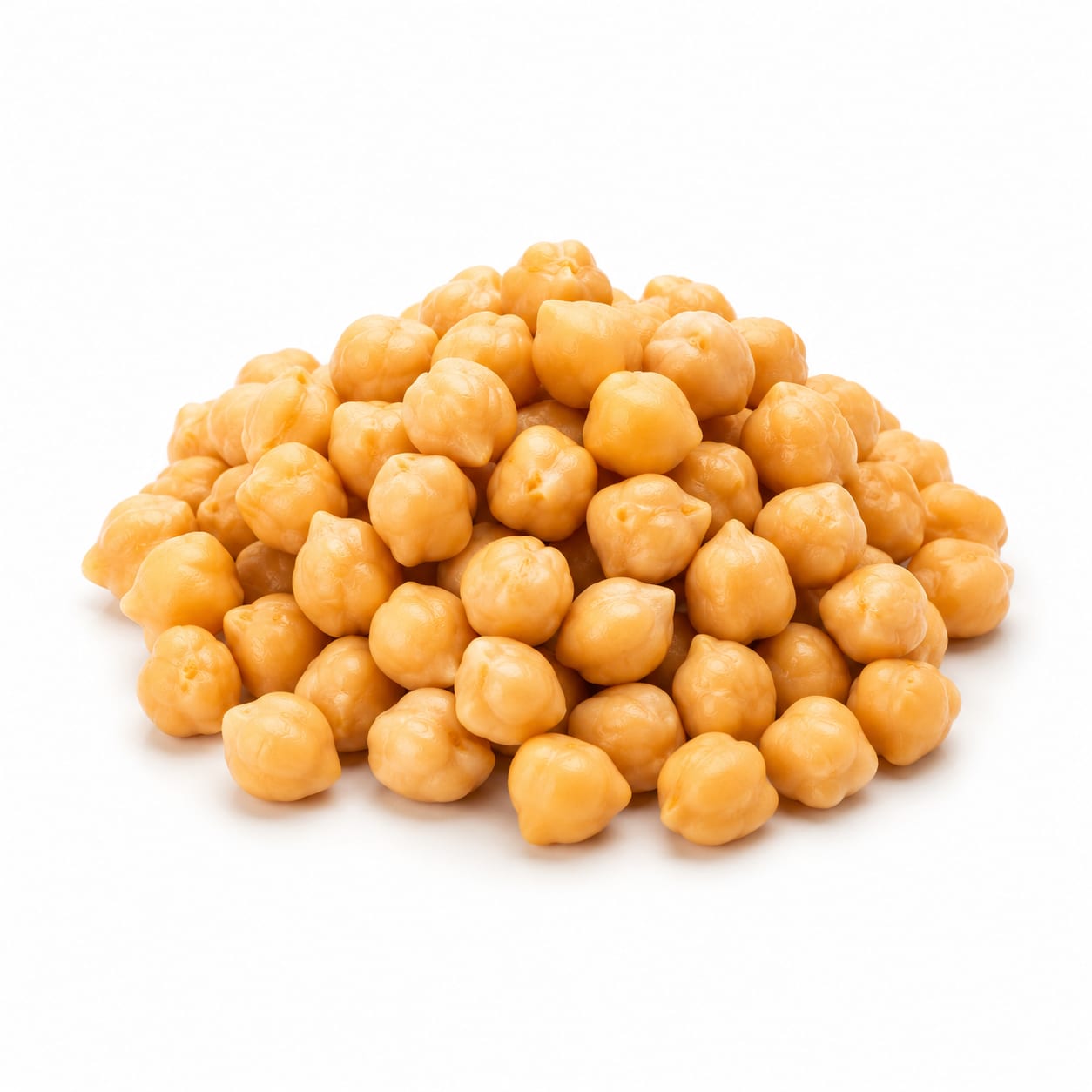
Chickpea
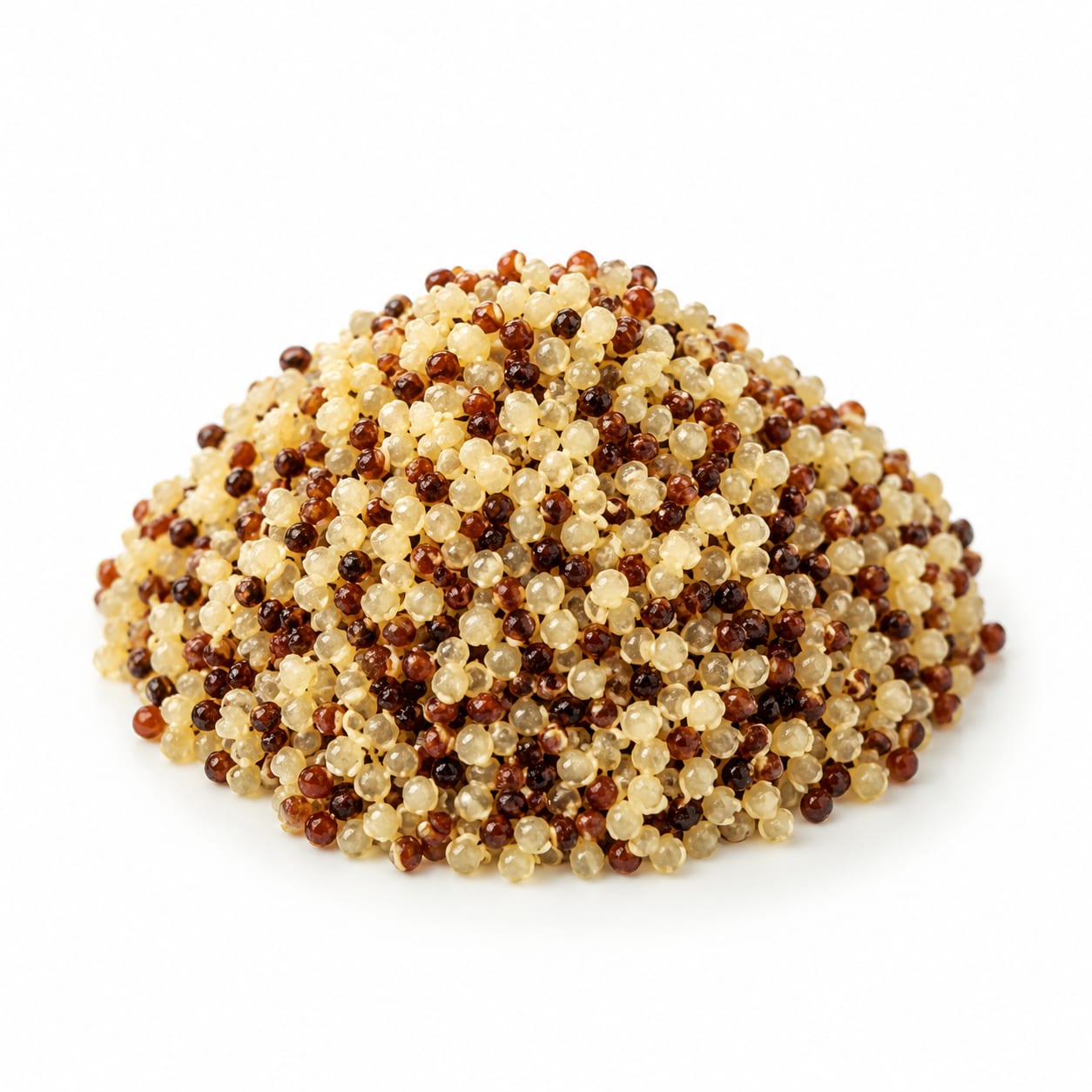
Quinoa
Chickpeas deliver heavier satiety and gut-filling fiber, while quinoa offers lighter, complete protein and faster cooking.
Quinoa edges out slightly due to complete protein and convenience, but chickpeas win on fiber and satiety, making them nearly tied depending on your priority.
Maximum fullness and fiber (Chickpeas) versus complete amino acids and convenience (Quinoa).
At a glance
Executive summary
Overall
It depends
Healthier
It depends
More practical
Quinoa
Daily use
It depends
Key comparison lenses
Plant-based protein quality and completeness
Users comparing these two are usually trying to optimize their vegan or vegetarian protein sources.
Digestive tolerance and gut comfort
Chickpeas are notorious for causing bloating in some, while quinoa is generally lighter on the stomach.
Meal convenience and prep time
Quinoa cooks in 15 minutes, while dried chickpeas take over an hour, heavily influencing weeknight choices.
Blood sugar management
Both are complex carbs, but their different fiber profiles impact glucose differently.
Best choice for
Chickpea
- Gut health and regularity
- Heavy, filling meals like stews and grain bowls
- Budget-friendly bulk cooking
Quinoa
- Quick weeknight dinners
- Complete protein for vegan diets
- Lighter meals that won't cause bloating
Least suitable for
Chickpea
- Low-FODMAP diets
- People prone to gas and bloating
- Last-minute meals
Quinoa
- Strict budget constraints
- Those who need massive fiber intake
- Slow-cooked dishes where grains might turn mushy
Deep comparison
Dimension by dimension
Each lens scores both foods and breaks down who each option suits.
- Dimension 1 · Priority 95Quinoa
Protein Quality & Completeness
Chickpea · 78Quinoa · 92Quinoa is a complete protein with all essential amino acids, while chickpeas are slightly lower in total protein and missing methionine.
Tradeoff
You get well-rounded protein in quinoa, but chickpeas still offer solid protein alongside way more fiber.
Why it matters
Vegans and vegetarians need complete proteins for muscle repair and enzyme function without combining foods.
Real-world impact
If you rely on one plant protein per meal, quinoa covers your bases better without needing to pair it with rice or seeds.
Chickpea
- Meals already paired with grains like rice
Better for
- Standalone protein needs
Worse for
Quinoa
- Vegans needing a single-ingredient complete protein
- Post-workout recovery meals
Better for
- Those who need extremely high fiber alongside protein
Worse for
- Dimension 2 · Priority 90Chickpea
Satiety & Digestive Comfort
Chickpea · 88Quinoa · 82Chickpeas keep you fuller longer due to higher fiber, but they can cause bloating in sensitive people. Quinoa is much gentler on the gut.
Tradeoff
Maximum fullness versus digestive peace.
Why it matters
Overeating is easier when food digests too quickly, but gut discomfort ruins the eating experience and your afternoon.
Real-world impact
A chickpea bowl at lunch might keep you full until dinner, but a quinoa bowl digests smoothly without the afternoon gassiness.
Chickpea
- Long gaps between meals
- Appetite control
Better for
- Irritable bowel syndrome
- Dates or social events where bloating is unwanted
Worse for
Quinoa
- Sensitive stomachs
- Low-FODMAP diets
- Pre-workout meals
Better for
- Those who get hungry again an hour after eating
Worse for
- Dimension 3 · Priority 85Chickpea
Blood Sugar Stability
Chickpea · 90Quinoa · 82Chickpeas have a lower glycemic index and higher fiber, creating a slower, steadier blood sugar rise than quinoa.
Tradeoff
Chickpeas are superior for glucose control, while quinoa is still good but slightly faster to digest.
Why it matters
Stable blood sugar prevents energy crashes and cravings.
Real-world impact
Chickpeas are less likely to cause an afternoon energy slump compared to quinoa.
Chickpea
- Diabetics
- People managing sugar cravings
Better for
- Those needing rapid energy replenishment
Worse for
Quinoa
- Need quick but healthy carb energy before exercise
Better for
- Severe insulin resistance
Worse for
- Dimension 4 · Priority 80Quinoa
Convenience & Meal Prep
Chickpea · 70Quinoa · 90Quinoa cooks in 15 minutes, while dried chickpeas take over an hour (canned ones have added sodium and softer texture).
Tradeoff
Quinoa is far more convenient for scratch cooking, while chickpeas require planning or compromise on texture via canning.
Why it matters
Convenience dictates what you actually cook on a busy Tuesday.
Real-world impact
You can throw quinoa in a pot on a weeknight easily; chickpeas usually require meal prep or a can opener.
Chickpea
- Batch cooking on weekends
- Soups and stews where canned texture is fine
Better for
- Spontaneous cooking
- Camping or travel
Worse for
Quinoa
- Quick weeknight dinners
- Meal prep in a time crunch
Better for
- Slow-cooked dishes where grains might overcook
Worse for
- Dimension 5 · Priority 75It depends
Micronutrient Density
Chickpea · 85Quinoa · 85Chickpeas are rich in iron, folate, and manganese, while quinoa excels in magnesium, phosphorus, and B-vitamins.
Tradeoff
Chickpeas win for folate and iron; quinoa wins for magnesium and energy metabolism.
Why it matters
Different micronutrient profiles support different body functions, from blood health to nerve function.
Real-world impact
Eating both throughout the week gives you a broader spectrum of vitamins and minerals than sticking to just one.
Chickpea
- Pregnancy nutrition due to high folate
- Anemia prevention
Better for
- Those needing high magnesium
Worse for
Quinoa
- Migraine sufferers needing magnesium
- Bone health support
Better for
- Those needing high folate
Worse for
Timeline
Health impact over time
Short-term
Hours to days
Chickpea
- Deep fullness that lasts for hours
- Potential gas or bloating if you aren't used to high fiber
- Steady, crash-free energy
Quinoa
- Light, quick energy
- Comfortable, bloat-free digestion
- Mild blood sugar rise if eaten in large portions
Long-term
Months to years
Chickpea
- Stronger gut microbiome from resistant starch
- Better long-term blood sugar control
- Sustained satiety helping weight management
Quinoa
- Efficient muscle maintenance from complete protein
- Better magnesium intake for sleep and nerves
- Easier long-term digestion without gut irritation
Risk profile
Safety & processing
Both are whole foods in their natural state, though canned chickpeas may contain added salt and BPA-lined can concerns.
Chickpea
BPA exposure from cans
mediumCanned chickpeas are often lined with BPA resin, which can leach into the food. Opting for dried or BPA-free cans avoids this.
Undercooked toxicity
lowRaw or undercooked chickpeas contain lectins that can cause nausea, though thorough cooking completely neutralizes them.
Quinoa
Saponin bitterness and upset
lowUnrinsed quinoa has natural saponins that taste bitter and can cause mild stomach upset. Rinsing before cooking eliminates this.
Gluten cross-contamination
mediumQuinoa is often processed in facilities that handle wheat, risking trace gluten for those with celiac disease.
Who wins for whom
Audience fit
Same foods, different winners depending on your goal.
children
QuinoaQuinoa is easier to digest, cooks into a soft texture toddlers accept, and provides complete protein for growing bodies.
daily consumption
It dependsRotating both is ideal; chickpeas for fiber and gut health, quinoa for complete protein and lighter digestion.
diabetes
ChickpeaThe higher fiber and lower glycemic index of chickpeas create a slower, more manageable blood sugar response.
elderly
QuinoaQuinoa is gentler on aging digestive systems, reducing the risk of uncomfortable gas or bloating common with legumes.
muscle gain
QuinoaQuinoa provides a complete amino acid profile, which is more efficient for muscle repair and growth, especially on a plant-based diet.
weight loss
ChickpeaChickpeas have more fiber and resistant starch, making them significantly more filling per calorie, which helps control overall intake.
Your move
Decision guide
Choose Chickpea
- You want maximum fullness and appetite control
- You are managing diabetes or blood sugar issues
- You are batch cooking soups or stews for the week
- You need a budget-friendly protein source
Choose Quinoa
- You need a complete protein without combining foods
- You want a fast-cooking base for weeknight dinners
- You have a sensitive stomach or are prone to bloating
- You want a lighter meal before or after exercise
Either works if
- You are building a balanced plant-based bowl
- You need gluten-free carbohydrate options
- You want to increase your daily fiber and protein intake
Avoid both if
- You are on a strict ketogenic or very-low-carb diet
- You have specific allergies to legumes or seeds
Final recommendation
Keep both in your pantry. Use quinoa for quick, light meals and complete protein, and rely on chickpeas for hearty, filling dishes that keep your gut happy and blood sugar steady.
Practical
Consumer tips
- 1
Rinse quinoa thoroughly under cold water for 30 seconds to wash off bitter saponins.
- 2
Choose dried chickpeas or BPA-free cans to avoid chemical leaching and excess sodium.
- 3
Soak dried chickpeas overnight with a pinch of baking soda to reduce cooking time and gut discomfort.
- 4
Mix both in a single bowl for a meal that balances complete protein with heavy-duty fiber.