
Nutrition comparison
Chickpeas vs Pinto Beans: Nutrition, Health Benefits & Which is Better
Compare chickpeas and pinto beans to find out which is healthier for your goals. Discover the nutritional differences, fiber content, and best uses.
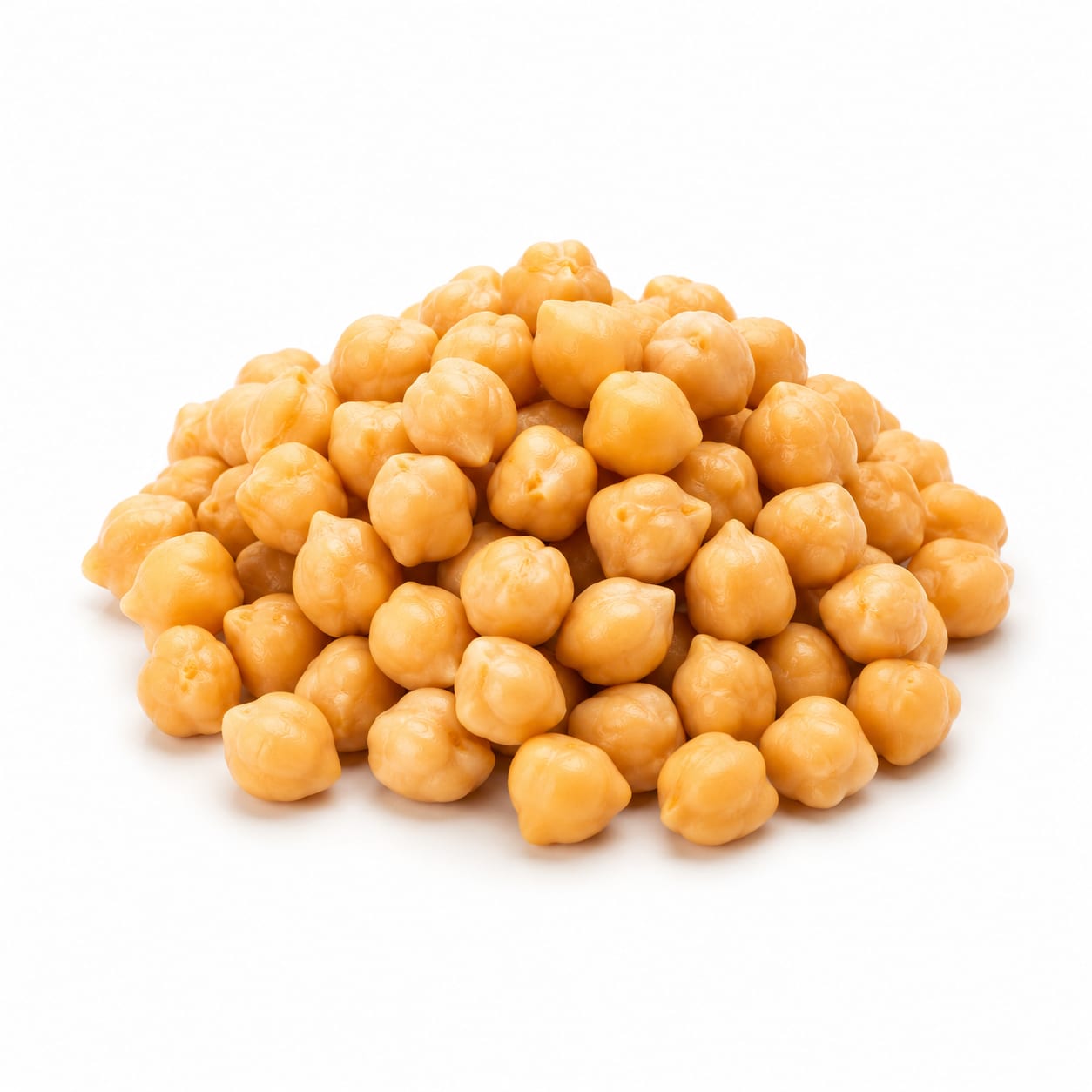
Chickpea
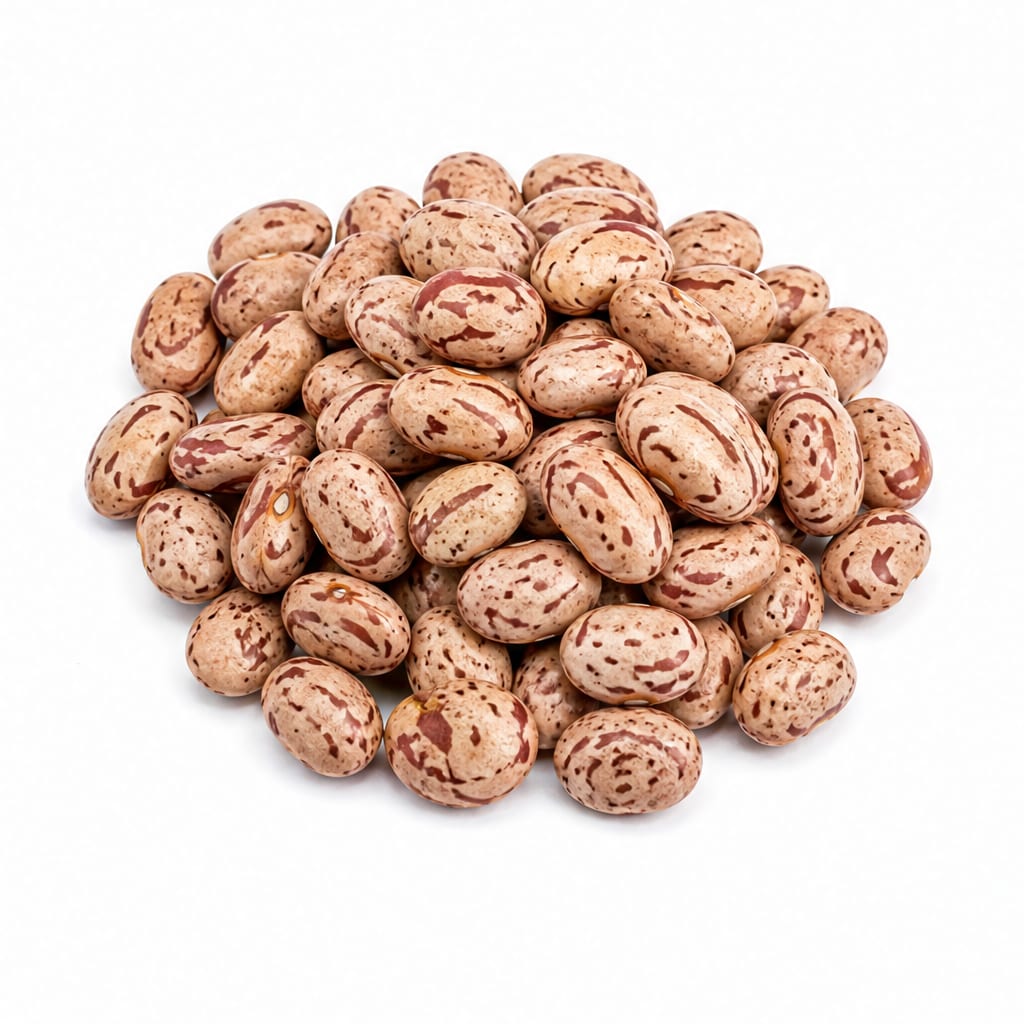
Pinto beans
Both are nutritional powerhouses, but Chickpeas edge ahead for blood sugar control and versatility, while Pinto beans win for folate and easier mashing into comfort foods.
Chickpeas score slightly higher due to better blood sugar stability and culinary flexibility, but Pinto beans remain an excellent choice, especially for folate and comfort food applications.
Slightly lower glycemic load and higher iron in Chickpeas versus higher folate and a creamier, more comforting texture in Pinto beans.
At a glance
Executive summary
Overall
It depends
Healthier
It depends
More practical
Chickpea
Daily use
It depends
Key comparison lenses
Plant-based protein and fiber quality
Both foods are staple legumes relied upon for their high protein and fiber content, making their subtle differences crucial for daily meal planning.
Blood sugar management
Legumes are primary carbs for diabetics, so understanding which offers better glycemic control is a common decision driver.
Digestive tolerance
Beans are notorious for causing gas; comparing how each affects the stomach helps users choose the most comfortable option.
Culinary versatility
Chickpeas and Pinto beans serve very different roles in the kitchen, impacting how often and how enjoyably they are consumed.
Best choice for
Chickpea
- People managing blood sugar or diabetes
- Those needing an iron boost
- Meal preppers wanting versatile ingredients
- Fans of crunchy salads and dips
Pinto beans
- Pregnant women needing folate
- Those who prefer softer, creamier comfort foods
- People with mild digestive sensitivities to tougher skins
- Tex-Mex and burrito lovers
Least suitable for
Chickpea
- People who dislike firm, textured foods
- Those looking for a quick-mashing bean for dips
- Individuals extremely sensitive to lower-GI gas-producing fibers
Pinto beans
- People strictly monitoring blood glucose spikes
- Those wanting a crunchy roasted snack
- Individuals who dislike earthy, mild flavors
Deep comparison
Dimension by dimension
Each lens scores both foods and breaks down who each option suits.
- Dimension 1 · Priority 90Chickpea
Blood Sugar Stability
Chickpea · 88Pinto beans · 80Chickpeas have a lower glycemic index, leading to steadier blood sugar levels after meals compared to Pinto beans.
Tradeoff
You get smoother energy curves with Chickpeas, but Pinto beans still offer excellent fiber that slows sugar absorption significantly.
Why it matters
Preventing blood sugar spikes reduces afternoon crashes and lowers long-term diabetes risk.
Real-world impact
Eating Chickpeas in a salad keeps you energized longer without the sleepy slump that higher-GI carbs can cause.
Chickpea
- People managing diabetes
- Those prone to afternoon energy crashes
Better for
- Those who find lower-GI foods less immediately satisfying
Worse for
Pinto beans
- People who pair beans with low-GI foods anyway
Better for
- People strictly monitoring blood glucose spikes
Worse for
- Dimension 2 · Priority 85Pinto beans
Digestive Comfort
Chickpea · 75Pinto beans · 82Pinto beans are often easier to digest and cause slightly less bloating than Chickpeas for some people.
Tradeoff
Pinto beans might be gentler on the stomach, but both are high in fiber and can cause gas if you aren't used to them.
Why it matters
Comfortable digestion determines whether you can actually eat these foods regularly without discomfort.
Real-world impact
If Chickpeas leave you feeling overly gassy, swapping to Pinto beans might make bean nights more comfortable.
Chickpea
- Those with established tolerance to chickpeas
Better for
- People prone to bloating from tough bean skins
Worse for
Pinto beans
- People with sensitive digestion
- Those transitioning to a high-fiber diet
Better for
- Those who experience gas from any legume
Worse for
- Dimension 3 · Priority 80It depends
Micronutrient Profile
Chickpea · 85Pinto beans · 86Chickpeas pack more iron and manganese, while Pinto beans deliver significantly more folate and slightly more potassium.
Tradeoff
Choosing between them means prioritizing iron for energy or folate for cell repair and DNA synthesis.
Why it matters
Micronutrients drive the behind-the-scenes processes that keep your energy up and your cells functioning.
Real-world impact
Eating Chickpeas helps prevent iron-deficiency fatigue, while Pinto beans are excellent for pregnant women needing folate.
Chickpea
- Women needing dietary iron
- Vegans monitoring manganese intake
Better for
- Those who need a folate boost
Worse for
Pinto beans
- Pregnant women
- Those focusing on heart-healthy potassium
Better for
- People with iron deficiency
Worse for
- Dimension 4 · Priority 75Chickpea
Culinary Versatility
Chickpea · 92Pinto beans · 78Chickpeas can be roasted for crunch, blended into dips, or tossed in salads, while Pinto beans are best suited for mashing and stews.
Tradeoff
Chickpeas adapt to almost any cuisine, but Pinto beans offer an unmatched creamy texture for comfort foods.
Why it matters
A food's versatility determines how often you'll actually cook it and how much you'll enjoy eating it.
Real-world impact
You can meal-prep Chickpeas for a week of different meals, whereas Pinto beans usually end up in the same taco bowl.
Chickpea
- Meal preppers
- People who crave texture variety
- Fans of Middle Eastern cuisine
Better for
- Those wanting a quick mash for burritos
Worse for
Pinto beans
- Fans of Tex-Mex cooking
- Those who love creamy comfort foods
Better for
- People wanting a crunchy roasted snack
Worse for
- Dimension 5 · Priority 85It depends
Satiety and Fullness
Chickpea · 86Pinto beans · 85Both are incredibly filling due to high protein and fiber, though Chickpeas have slightly more protein per calorie.
Tradeoff
Chickpeas offer a slight protein edge for staying full, while Pinto beans' creaminess can feel more emotionally satisfying.
Why it matters
Foods that keep you full prevent overeating and make it easier to stick to your health goals.
Real-world impact
A bowl of either bean will likely keep you full from lunch until dinner without reaching for snacks.
Chickpea
- Those tracking protein macros
- People who eat smaller portions
Better for
- People who find firm textures less comforting
Worse for
Pinto beans
- Emotional eaters seeking comfort
- Those who find creamy foods more filling
Better for
- Those needing a dense protein hit
Worse for
Timeline
Health impact over time
Short-term
Hours to days
Chickpea
- Steady energy release without a sugar crash
- Potential bloating or gas if you eat a large portion suddenly
Pinto beans
- Highly filling comfort food that satisfies quickly
- Can cause mild digestive discomfort if your body isn't used to the fiber
Long-term
Months to years
Chickpea
- Improved iron status and energy levels
- Better blood sugar management and heart health from soluble fiber
Pinto beans
- Enhanced cellular repair and DNA synthesis from high folate
- Support for cardiovascular health through potassium and fiber
Risk profile
Safety & processing
Both Chickpeas and Pinto beans are whole, minimally processed foods when bought dried or canned. Canned versions may contain added salt, but rinsing them restores their clean nutritional profile.
Chickpea
Canned sodium load
mediumCanned Chickpeas can be high in sodium unless you buy low-sodium versions or rinse them thoroughly.
Phytic acid
lowPhytic acid can slightly reduce mineral absorption, but soaking and cooking mitigates this significantly.
Pinto beans
Canned sodium load
mediumLike Chickpeas, canned Pinto beans often contain added salt to preserve texture and flavor.
Lectin toxicity (raw)
lowRaw Pinto beans contain lectins that can cause illness, but thorough cooking completely destroys them.
Who wins for whom
Audience fit
Same foods, different winners depending on your goal.
children
Pinto beansPinto beans mash easily and have a milder, creamier taste that kids often accept better than firmer Chickpeas.
daily consumption
It dependsRotating both provides the broadest nutrient profile, though Chickpeas offer slightly more daily culinary variety.
diabetes
ChickpeaChickpeas have a lower glycemic index, which helps prevent sharp blood sugar spikes after meals.
elderly
Pinto beansThe softer texture of Pinto beans is easier to chew, and the high folate supports cellular health in aging.
muscle gain
It dependsBoth offer similar plant protein, but Chickpeas have a slight edge in protein density per serving.
weight loss
ChickpeaChickpeas have slightly more protein and a lower glycemic load, making it a bit easier to control hunger and cravings.
Your move
Decision guide
Choose Chickpea
- You want a crunchy roasted snack
- You are managing blood sugar levels
- You love making hummus or chickpea salads
- You need a boost in dietary iron
Choose Pinto beans
- You are cooking Tex-Mex or comfort food
- You want a creamy, mashable side dish
- You are pregnant or trying to conceive and need folate
- You have a sensitive stomach and find Chickpeas too firm
Either works if
- You need an affordable, shelf-stable plant protein
- You are trying to increase your daily fiber intake
- You are meal-prepping hearty grain bowls
Avoid both if
- You are on a strict low-FODMAP diet and cannot tolerate canned or well-cooked legumes
- You have a severe legume allergy
Final recommendation
Let your plate decide: use Chickpeas when you want texture, crunch, or a blood-sugar-friendly salad topper, and reach for Pinto beans when you crave creamy, comforting meals or need a folate boost. Rotating both is the best way to maximize their complementary nutrients.
Practical
Consumer tips
- 1
Rinse canned beans thoroughly to remove up to 40% of the sodium and reduce gas-causing compounds.
- 2
Start with small portions if you are new to high-fiber foods to let your gut adjust comfortably.
- 3
Cooking dried beans from scratch gives you full control over sodium and texture.
- 4
Add a piece of kombu seaweed when boiling beans; it helps break down gas-causing oligosaccharides.