
Nutrition comparison
Chickpeas vs Peas: Nutrition, Protein, and Health Comparison
Comparing chickpeas vs peas? Discover which legume is better for protein, weight loss, and daily meals with this complete nutritional breakdown.
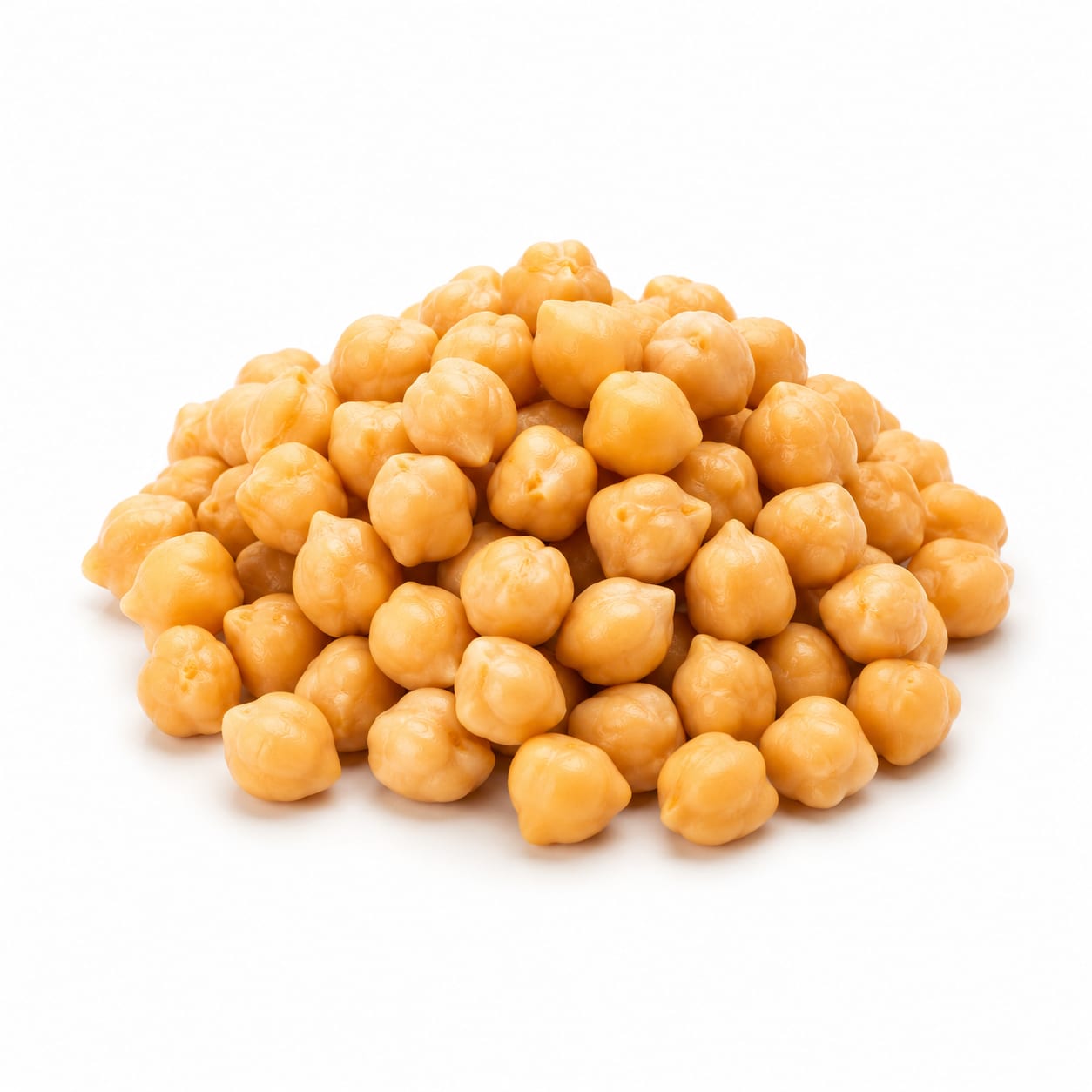
Chickpea
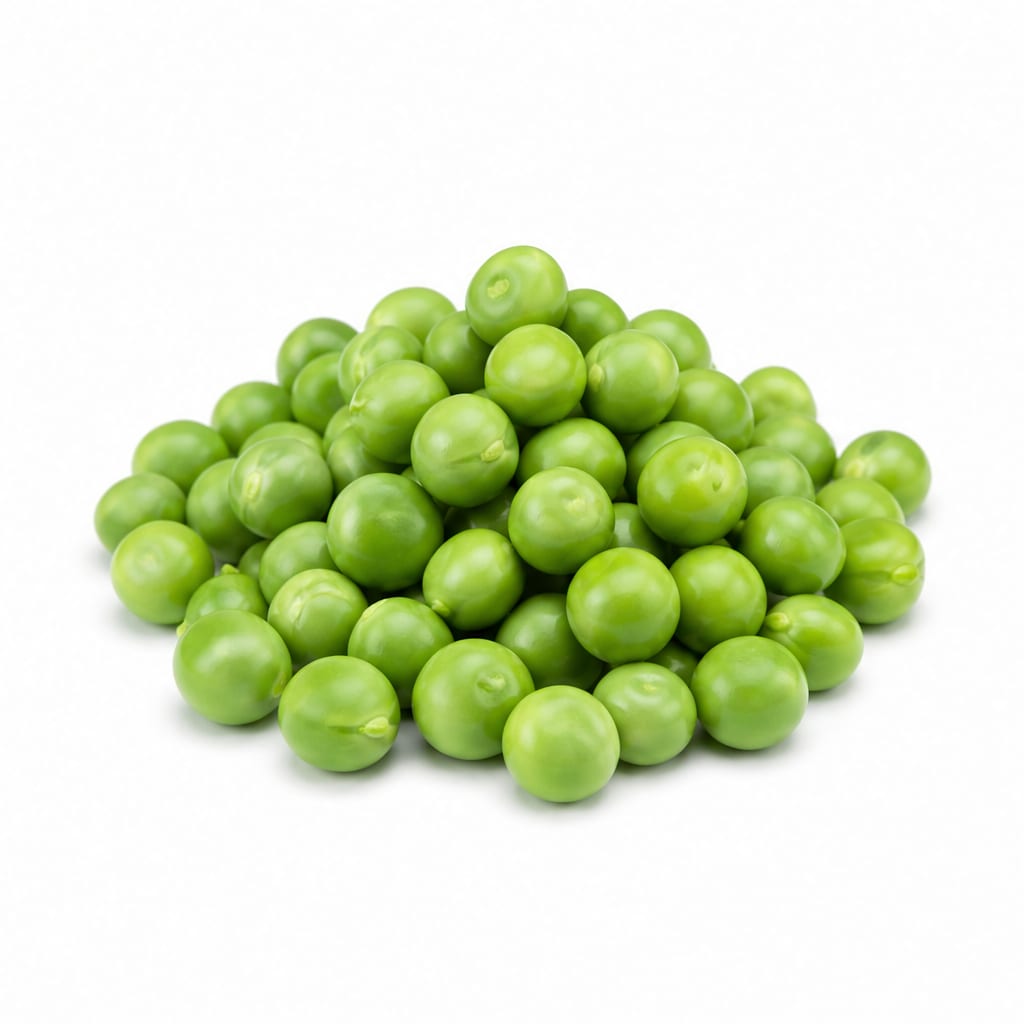
Peas
Chickpeas win on protein and fullness, while peas offer a lighter, lower-calorie option that cooks in minutes.
Chickpeas score slightly higher for their superior protein and satiety, but peas stay very close due to their convenience and lower calorie density.
Heavier, more satisfying nutrition versus quick, low-calorie convenience.
At a glance
Executive summary
Overall
It depends
Healthier
It depends
More practical
Peas
Daily use
It depends
Key comparison lenses
Plant-based protein quality and quantity
Both are staple legumes, but chickpeas are often relied on as a primary protein source while peas are treated as a vegetable side.
Satiety and meal satisfaction
Chickpeas are denser and more filling, whereas peas offer a lighter eating experience.
Calorie density for weight management
Users often choose between dense legumes and lighter vegetables when managing calorie intake.
Convenience and cooking time
Frozen peas cook in minutes, while dried chickpeas require significant prep time.
Best choice for
Chickpea
- Hearty salads and grain bowls
- Plant-based meal prep requiring solid protein
- Making dips like hummus
Peas
- Quick weeknight dinner sides
- Low-calorie volume eating
- Adding mild sweetness for picky eaters
Least suitable for
Chickpea
- Rushed cooking nights if you only have dried chickpeas
- Very low-calorie diet phases
Peas
- Meals where you need a heavy protein anchor
- Sustained energy for long physical labor
Deep comparison
Dimension by dimension
Each lens scores both foods and breaks down who each option suits.
- Dimension 1 · Priority 95Chickpea
Satiety & Fullness
Chickpea · 88Peas · 70Chickpeas are significantly more filling than peas due to their higher protein and calorie density.
Tradeoff
You get longer-lasting energy with chickpeas, but peas leave more room on your plate for other foods without overdoing calories.
Why it matters
Staying full between meals prevents snacking and makes it easier to stick to your eating goals.
Real-world impact
A chickpea salad will easily keep you full until dinner, while a pea side dish might leave you hunting for a snack an hour later.
Chickpea
- Long workdays without break time
- Reducing between-meal snacking
Better for
- Right before a heavy workout when you need quick energy
Worse for
Peas
- Light lunches when you sit at a desk all day
- Days you want a lighter stomach
Better for
- Recovering from a hard workout when you need substantial fuel
Worse for
- Dimension 2 · Priority 85Peas
Calorie & Carb Density
Chickpea · 65Peas · 88Peas are much lighter, offering a bigger visual portion for fewer calories compared to chickpeas.
Tradeoff
Peas are great for volume eating, but you might find yourself hungry again sooner than if you ate chickpeas.
Why it matters
If you are tracking calories, volume eating helps you feel satisfied without going over your limit.
Real-world impact
You can eat a massive bowl of peas and veggies for the same calories as a small handful of chickpeas.
Chickpea
- Backpacking or hiking where you need calorie density
Better for
- Strict calorie-counting diets
Worse for
Peas
- Cutting phases for weight loss
- Large dinner portions without the guilt
Better for
- Situations where carrying lots of food weight is an issue
Worse for
- Dimension 3 · Priority 90Chickpea
Protein Content
Chickpea · 85Peas · 65Chickpeas deliver almost double the protein per serving compared to peas, making them a better anchor for plant-based meals.
Tradeoff
While chickpeas win on total protein, both are incomplete proteins, so you still need other protein sources throughout the day.
Why it matters
Protein is essential for maintaining muscle and keeping your metabolism running smoothly.
Real-world impact
Relying on chickpeas for a post-workout meal gives your muscles much more to work with than a serving of peas.
Chickpea
- Vegans and vegetarians needing protein anchors
- Post-workout recovery meals
Better for
- Those trying to moderate protein intake for specific kidney diets
Worse for
Peas
- Meals that already have a heavy protein source like chicken or fish
Better for
- Plant-based eaters who don't consume tofu or tempeh
Worse for
- Dimension 4 · Priority 80Chickpea
Blood Sugar Stability
Chickpea · 82Peas · 72The denser fiber and protein combo in chickpeas slows down digestion, leading to a steadier blood sugar response.
Tradeoff
Peas have a slightly faster carb release, which can be nice for quick energy but less ideal for sustained focus.
Why it matters
Steady blood sugar means fewer afternoon energy crashes and reduced cravings.
Real-world impact
Eating chickpeas at lunch makes the 3 PM slump much less likely compared to eating a lighter pea-based dish.
Chickpea
- Preventing mid-afternoon energy crashes
- Managing insulin resistance
Better for
- Right before intense cardio when you need quick fuel
Worse for
Peas
- Pre-workout energy when you need carbs faster
Better for
- Late-night snacking where blood sugar spikes are undesirable
Worse for
- Dimension 5 · Priority 75Peas
Convenience & Prep Time
Chickpea · 60Peas · 95Frozen peas cook in minutes and require zero prep, while dried chickpeas need soaking and long simmering.
Tradeoff
Canned chickpeas bridge the convenience gap, but they come with added sodium and a softer texture than cooking from scratch.
Why it matters
The easier a healthy food is to prepare, the more likely you are to actually eat it on busy days.
Real-world impact
You can dump frozen peas into a soup straight from the bag, while dried chickpeas require planning a day ahead.
Chickpea
- Meal prep Sundays when you are batch cooking for the week
Better for
- Spontaneous cooking when you forgot to soak beans
Worse for
Peas
- Exhausted weeknights when you have 15 minutes to cook
Better for
- Recipes requiring a firm, sturdy texture like veggie burgers
Worse for
Timeline
Health impact over time
Short-term
Hours to days
Chickpea
- Very satisfying meal component that keeps you full for hours
- Can cause bloating or gas if you aren't used to the high fiber content
Peas
- Light and energizing without leaving you feeling weighed down
- Easy to digest for most people and quick to prepare
Long-term
Months to years
Chickpea
- Excellent for maintaining muscle mass and keeping cravings in check
- Supports heart health through consistent fiber intake
Peas
- Great for cardiovascular health and long-term weight management
- Fits easily into a high-volume, low-calorie eating pattern for longevity
Risk profile
Safety & processing
Both are whole foods in their natural state. Canned chickpeas and frozen peas are convenient options with minimal processing, though canned versions may have added sodium.
Chickpea
Sodium in canned versions
mediumRinsing canned chickpeas removes about 40% of the sodium, but it is still something to watch if you have blood pressure concerns.
Peas
Pesticide residue
lowPeas are generally low on the EWG's dirty dozen list, but conventionally grown peas can still carry trace residues, so washing is a good idea.
Who wins for whom
Audience fit
Same foods, different winners depending on your goal.
children
PeasSweeter taste and smaller size make them much more appealing to kids.
daily consumption
It dependsChickpeas are better if you need the protein and satiety; peas are better if you want a light, quick veggie side.
diabetes
ChickpeaHigher fiber and protein stabilize blood sugar more effectively after meals.
elderly
ChickpeaHigher protein helps prevent age-related muscle loss, assuming good dental health for chewing.
muscle gain
ChickpeaMore protein per serving supports muscle repair and growth better than peas.
weight loss
PeasLower calorie density makes it easier to maintain a deficit while eating large, satisfying portions.
Your move
Decision guide
Choose Chickpea
- You need a filling salad topper that acts like a protein source
- You are making hummus, curries, or hearty stews
- You want sustained energy for a long, busy day
Choose Peas
- You want a quick side dish that cooks straight from frozen
- You are strictly counting calories and want volume
- You need a mild, sweet veggie for a picky eater
Either works if
- You just want to boost your daily fiber intake
- You are building a healthy grain bowl and have other proteins
- You want more plant-based variety in your weekly meals
Avoid both if
- You have a severe legume allergy
- You are temporarily on a strict low-fiber diet for digestive recovery
Final recommendation
Keep both in your kitchen: use chickpeas when you need a meal to truly stick to your ribs, and rely on peas for quick, colorful nutrition on busy days.
Practical
Consumer tips
- 1
Rinse canned chickpeas thoroughly to cut down on sodium and reduce the gassy side effects.
- 2
Keep a bag of frozen peas on hand for an easy way to add color and nutrients to soups and rice dishes.
- 3
If cooking dried chickpeas, make a big batch and freeze the extras in their cooking liquid for instant convenience later.
- 4
Mash peas with a little mint and lemon for a refreshing, light alternative to guacamole.