
Nutrition comparison
Chickpeas vs Lentils: Which is Better for Protein and Digestion?
Compare chickpeas vs lentils for protein, fiber, cooking time, and digestion. Find out which legume is best for weight loss, muscle gain, and quick meals.
Overall winner · Lentils
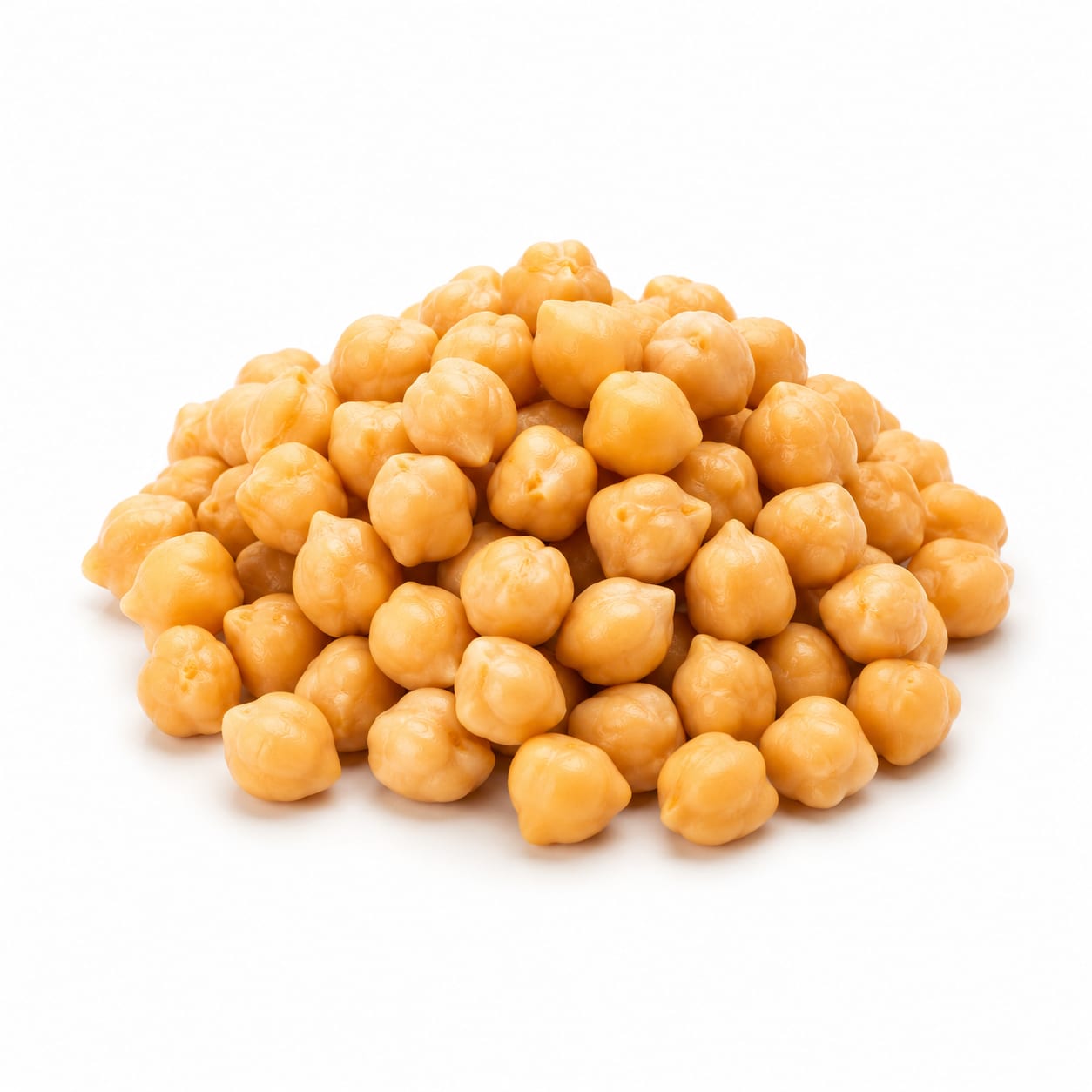
Chickpea
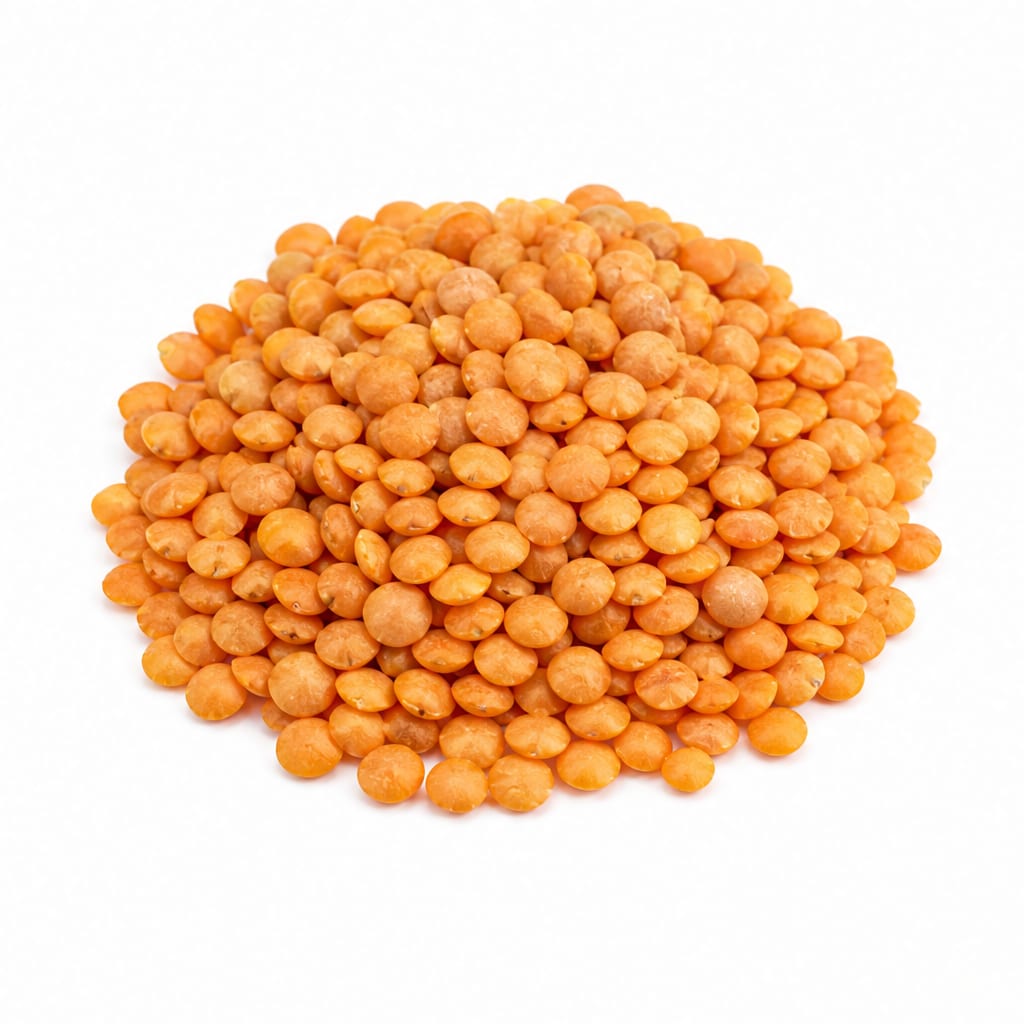
Lentils
Lentils edge out chickpeas with faster cooking times and slightly more protein and fiber per serving, though chickpeas offer more culinary versatility.
Lentils score slightly higher due to superior protein density, faster cooking time, and higher iron content, making them a more efficient daily staple.
Quick cooking and higher protein density in lentils versus the satisfying crunch and recipe flexibility of chickpeas.
At a glance
Executive summary
Overall
Lentils
Healthier
Lentils
More practical
Lentils
Daily use
Lentils
Key comparison lenses
Plant-based protein efficiency
Both are staple protein sources, but users want to know which gives more muscle-fueling power per bite.
Cooking convenience and weeknight practicality
Lentils cook much faster from dry, heavily influencing daily meal choices.
Digestive comfort and bloating
Legumes are notorious for causing gas; users want the gentler option for their stomach.
Weight management and satiety
Fiber and protein content dictate how full you feel and how easily you maintain a calorie deficit.
Best choice for
Chickpea
- Making hummus and creamy dips
- Roasting for crunchy snacks
- Adding hearty texture to salads
- Batch cooking for the week
Lentils
- Quick weeknight dinners
- Thickening soups and stews
- Maximizing protein per calorie
- Boosting iron intake
Least suitable for
Chickpea
- Last-minute meals starting from dry
- People highly sensitive to legume bloating
Lentils
- Crunchy snack cravings
- Recipes requiring a firm, intact bean
Deep comparison
Dimension by dimension
Each lens scores both foods and breaks down who each option suits.
- Dimension 1 · Priority 95Lentils
Protein & Satiety
Chickpea · 82Lentils · 90Lentils pack more protein and fiber per calorie, keeping you full longer on less food.
Tradeoff
Chickpeas are still highly filling but have a slightly lower protein density, meaning you eat more calories for the same protein hit.
Why it matters
Higher protein and fiber means steadier energy and fewer cravings between meals.
Real-world impact
A bowl of lentil soup will likely keep you satisfied from lunch until dinner better than a chickpea salad.
Chickpea
- Those who prefer getting protein from slightly larger, more chewable bites
Better for
- Getting the highest protein efficiency
Worse for
Lentils
- Maximizing protein per serving
- Staying full on fewer calories
Better for
- Those who find the softer texture less satisfying to chew
Worse for
- Dimension 2 · Priority 90Lentils
Cooking Speed & Convenience
Chickpea · 55Lentils · 85Lentils cook in 15-25 minutes with no soaking, while chickpeas require overnight soaking and over an hour of cooking.
Tradeoff
Chickpeas demand more planning, but their firmer texture holds up better in batch cooking throughout the week.
Why it matters
Convenience often dictates what you actually eat on a busy Tuesday versus what sits in your pantry.
Real-world impact
You can decide to make lentils at 5:30 PM and eat by 6:00 PM; chickpeas require foresight or a can opener.
Chickpea
- Batch cooking for the week ahead
- Using canned varieties for quick meals
Better for
- Impromptu cooking from dry
Worse for
Lentils
- Spontaneous weeknight meals
- Cooking from dry without planning ahead
Better for
- Recipes needing a very firm, intact bean that never turns mushy
Worse for
- Dimension 3 · Priority 85It depends
Digestive Tolerance
Chickpea · 70Lentils · 75Both can cause gas, but lentils (especially red) are often easier to digest, while chickpeas are notoriously gas-producing for sensitive stomachs.
Tradeoff
Chickpeas' tougher fiber can be harsher on the gut initially, though both adapt with regular intake.
Why it matters
Bloating can ruin the benefit of a healthy meal if it makes you uncomfortable all afternoon.
Real-world impact
If you have a sensitive stomach, red lentils are a much safer bet for a comforting, bloat-free dinner.
Chickpea
- Those already adapted to high-fiber diets
Better for
- Prone to bloating or gas
Worse for
Lentils
- Sensitive stomachs
- Easing into plant-based eating
Better for
- Those who tolerate chickpeas perfectly well and prefer their texture
Worse for
- Dimension 4 · Priority 80Chickpea
Culinary Versatility
Chickpea · 92Lentils · 80Chickpeas can be roasted for snacks, blended into hummus, or tossed in salads, offering more textural variety than lentils.
Tradeoff
Lentils excel at soups and stews but don't crisp up or blend into thick dips as well.
Why it matters
Eating the same food daily gets boring; versatility keeps healthy habits sustainable.
Real-world impact
You can make crispy chickpea snacks for movie night, but lentils won't give you that satisfying crunch.
Chickpea
- Snack making
- Dips and spreads
- Cold salads
Better for
- Quick-cooking comfort soups
Worse for
Lentils
- Thickening stews
- Traditional curries
- Comfort food
Better for
- Crispy or crunchy applications
Worse for
Timeline
Health impact over time
Short-term
Hours to days
Chickpea
- Provides steady, slow-burning energy
- Can cause noticeable bloating or gas if unaccustomed
Lentils
- Quickly satisfying due to high protein density
- Red lentils digest easily and comfort an upset stomach
Long-term
Months to years
Chickpea
- Supports heart health and stable blood sugar
- Promotes a diverse gut microbiome with regular consumption
Lentils
- Excellent for maintaining healthy iron levels and preventing anemia
- High folate supports cellular repair and long-term energy
Risk profile
Safety & processing
Both chickpeas and lentils are whole foods in their dry form. Canned versions may contain added salt and carry BPA exposure risks from can linings, so dry is the cleanest option.
Chickpea
Canned BPA exposure
mediumCanned chickpeas often sit in BPA-lined cans, which can leach into the food over time.
Undercooking toxicity
lowRaw or undercooked chickpeas contain lectins that can cause digestive distress, though proper cooking eliminates this.
Lentils
Canned BPA exposure
mediumSimilar to chickpeas, canned lentils may have BPA lining issues.
Undercooking toxicity
lowLectins are present but break down quickly since lentils cook much faster from dry.
Who wins for whom
Audience fit
Same foods, different winners depending on your goal.
children
ChickpeaChickpeas can be roasted into fun, crunchy snacks or blended into mild hummus, which kids often prefer over lentil textures.
daily consumption
LentilsFaster cooking from dry makes lentils easier to incorporate daily without relying on canned versions.
diabetes
It dependsBoth have extremely low glycemic indexes and high fiber, making either excellent for blood sugar control.
elderly
LentilsRed lentils are softer, easier to chew, and their high folate and iron content supports aging cardiovascular health.
muscle gain
LentilsHigher protein content per calorie makes lentils a more efficient building block for muscle repair.
weight loss
LentilsLentils have slightly fewer calories and more fiber per serving, making it easier to stay in a deficit while feeling full.
Your move
Decision guide
Choose Chickpea
- You love making hummus or roasted snacks
- You prefer a firmer, chewier texture in grain bowls
- You are batch-cooking for the week and don't mind the prep time
Choose Lentils
- You want a fast-cooking protein for weeknight dinners
- You need maximum iron and folate intake
- You have a sensitive stomach and want easier digestion
Either works if
- You are looking for affordable, plant-based protein
- You want to stabilize your blood sugar
- You are trying to eat more fiber
Avoid both if
- You have a severe legume allergy
- You are currently on a strict low-FODMAP elimination phase
Final recommendation
Keep both in your pantry, but lean on lentils for quick, nutrient-dense meals and chickpeas for meal-prep versatility and snacking.
Practical
Consumer tips
- 1
Rinse canned chickpeas and lentils thoroughly to remove excess sodium and reduce gassiness.
- 2
Add a piece of kombu seaweed to the cooking water for either legume to help break down gas-causing compounds.
- 3
Buy dry lentils in bulk—they cook so fast there is no need for the canned version.
- 4
If chickpeas cause bloating, try soaking them with a pinch of baking soda and rinsing thoroughly before cooking.