
Nutrition comparison
Chickpeas vs Kidney Beans: Nutrition, Protein, Safety & Best Uses Compared
Chickpeas or kidney beans? Compare protein, fiber, iron, digestion, safety, and recipe versatility. Find out which legume fits your health goals and cooking style.
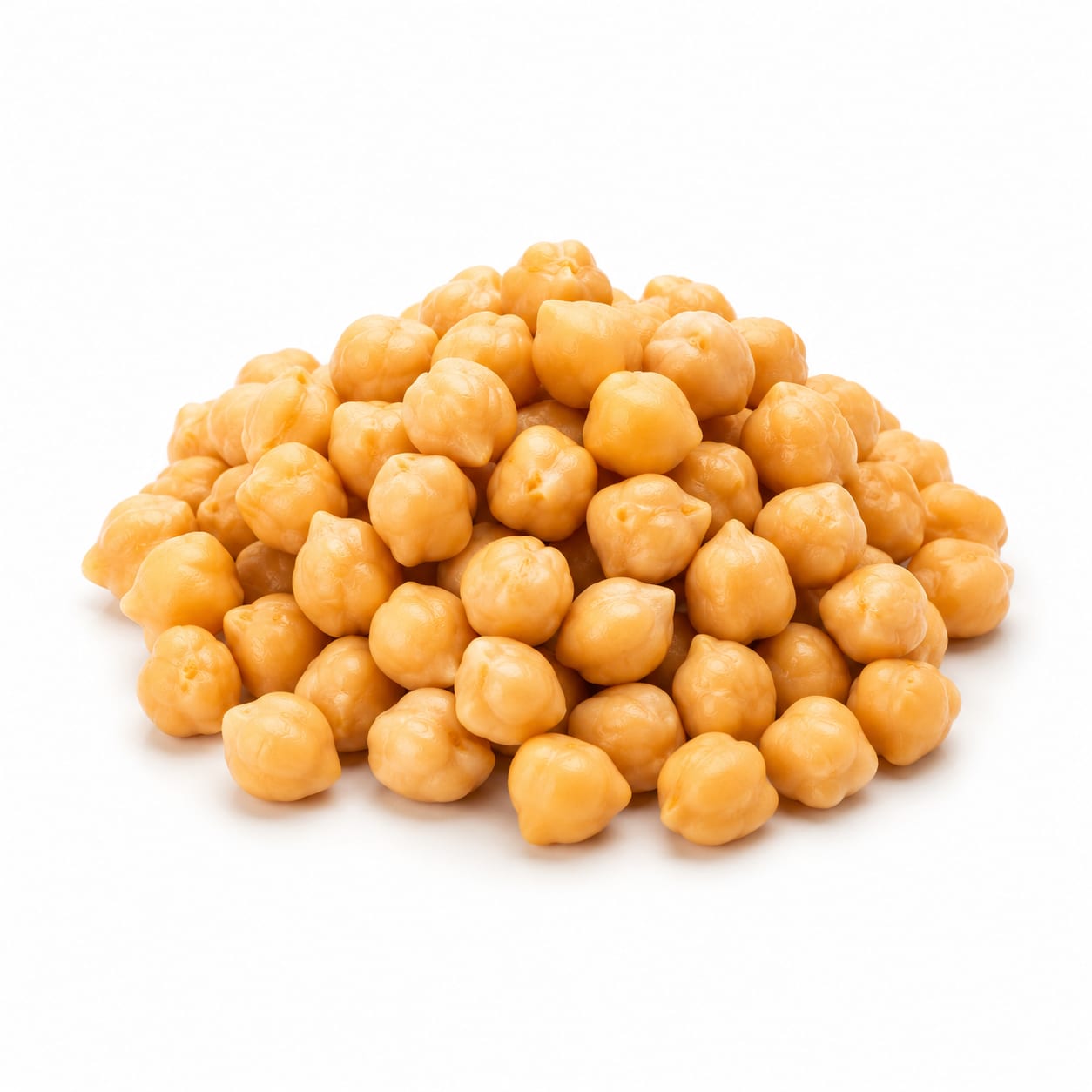
Chickpea
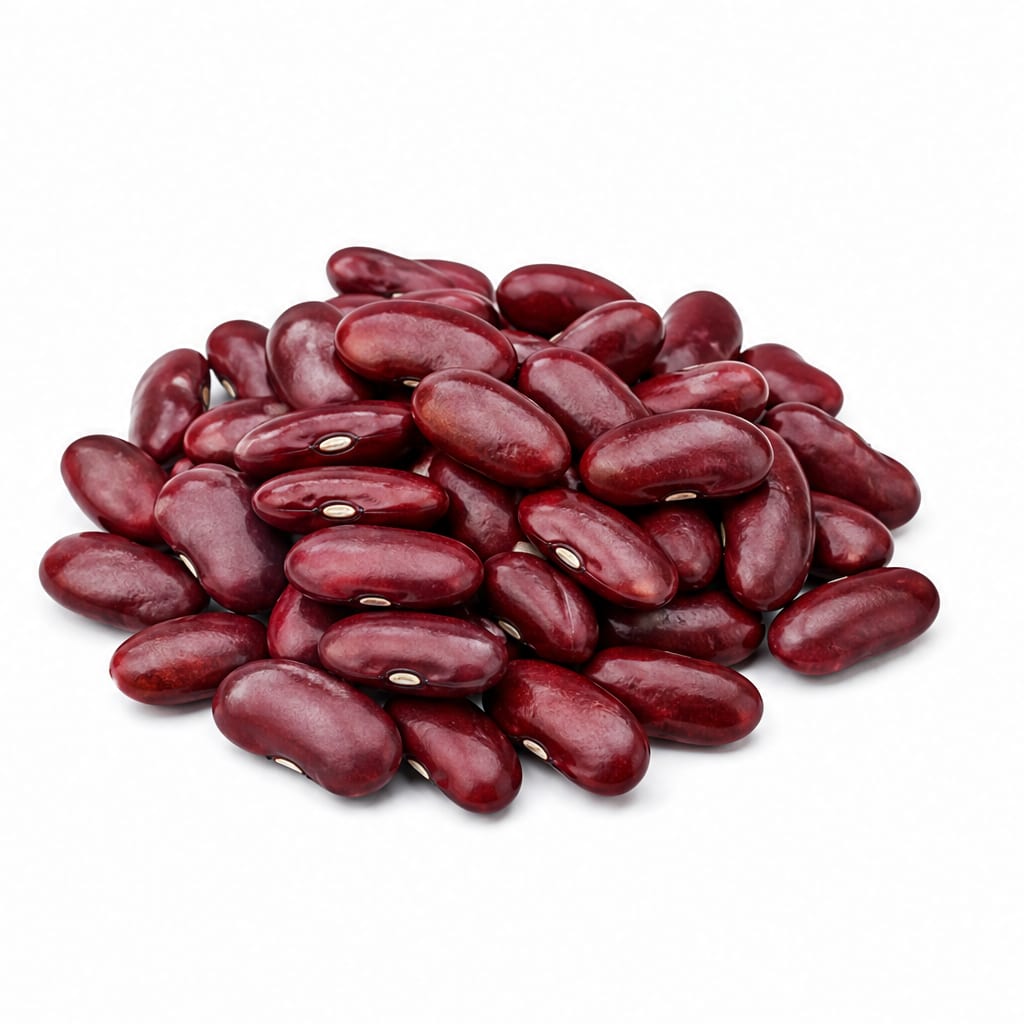
Kidney beans
Kidney beans edge ahead nutritionally with more protein, fiber, and iron, but chickpeas win on versatility, safety, and digestibility. Your choice should depend on what you're cooking and how sensitive your stomach is.
Kidney beans score higher due to superior protein, fiber, iron, and antioxidant density. Chickpeas remain competitive thanks to easier digestion, culinary flexibility, and zero lectin toxicity risk. The gap is modest because both are excellent legume choices.
Kidney beans deliver denser nutrition per calorie, while chickpeas offer easier digestion and broader recipe flexibility.
At a glance
Executive summary
Overall
It depends
Healthier
Kidney beans
More practical
Chickpea
Daily use
Chickpea
Key comparison lenses
Plant-based protein source selection
Both are top legume protein sources, users often choose between them for meal prep
Digestive tolerance and gas concerns
Legumes are notorious for digestive discomfort, and tolerance differs significantly between these two
Blood sugar management
Both are low-glycemic staples for diabetics, but subtle differences matter for glucose control
Meal versatility and recipe fit
Chickpeas and kidney beans serve very different culinary roles, affecting long-term adherence
Safety and preparation requirements
Kidney beans carry a unique lectin toxicity risk if undercooked that chickpeas do not
Best choice for
Chickpea
- People with sensitive digestion or IBS
- Anyone wanting a versatile pantry staple for multiple cuisines
- Snackers who enjoy roasted crunchy legumes
- Hummus lovers and Middle Eastern cooking
- Those who want safer quick-cooking options
Kidney beans
- Anyone prioritizing maximum protein per calorie
- Chili, stew, and hearty soup recipes
- People focused on iron intake
- Those seeking the highest antioxidant content from legumes
- Budget-conscious shoppers wanting the most filling option
Least suitable for
Chickpea
- Anyone needing maximum iron from plant sources
- People wanting the most satiating legume option
- Those who dislike the texture or flavor of chickpeas
Kidney beans
- Anyone prone to skipping thorough cooking steps
- People with severe digestive sensitivity to legumes
- Recipes requiring a mild, neutral-flavored bean
Deep comparison
Dimension by dimension
Each lens scores both foods and breaks down who each option suits.
- Dimension 1 · Priority 95Kidney beans
Protein & Satiety
Chickpea · 72Kidney beans · 85Kidney beans pack noticeably more protein per serving and keep you fuller longer due to their denser texture and higher fiber.
Tradeoff
Chickpeas still provide solid protein but feel lighter in the stomach, which can be either a pro or con depending on your goals.
Why it matters
If you're relying on legumes as a primary protein source, kidney beans get you closer to your target with fewer calories.
Real-world impact
A kidney bean bowl at lunch is more likely to prevent the 3pm snack attack than an equivalent chickpea meal.
Chickpea
- Lighter meals where you don't want to feel stuffed
- Post-workout meals paired with other proteins
Better for
- Situations where you need maximum fullness from one ingredient
Worse for
Kidney beans
- Main protein source in vegetarian meals
- Long gaps between meals where satiety matters
Better for
- Light summer salads where density feels heavy
Worse for
- Dimension 2 · Priority 90Kidney beans
Fiber & Digestive Health
Chickpea · 75Kidney beans · 84Kidney beans deliver more total fiber, but chickpeas are gentler on the digestive system for many people.
Tradeoff
More fiber means better gut health long-term, but the adjustment period can be rougher with kidney beans if your body isn't used to them.
Why it matters
Fiber is the nutrient most people lack, and kidney beans are one of the best sources. But if you avoid beans because of gas, the fiber advantage becomes irrelevant.
Real-world impact
Start with chickpeas if you're new to legumes, then graduate to kidney beans as your gut adapts.
Chickpea
- Legume beginners with sensitive stomachs
- Anyone who has experienced bloating from other beans
Better for
- Those who need maximum fiber for cholesterol or gut health
Worse for
Kidney beans
- Established legume eaters with adapted gut bacteria
- People specifically targeting higher daily fiber intake
Better for
- Anyone currently struggling with bloating or gas
Worse for
- Dimension 3 · Priority 85Kidney beans
Blood Sugar Stability
Chickpea · 78Kidney beans · 84Both are excellent for blood sugar, but kidney beans have a slightly lower glycemic index and more fiber to slow glucose absorption.
Tradeoff
The difference is small enough that both are safe for diabetics. Preparation method matters more than the bean choice itself.
Why it matters
For anyone managing diabetes or prediabetes, both legumes are top-tier choices that rarely spike blood sugar.
Real-world impact
Pairing either bean with a whole grain creates a remarkably stable blood sugar meal that sustains energy for hours.
Chickpea
- Meals where you're combining multiple carb sources already
Better for
- Situations where you need the absolute lowest glycemic option
Worse for
Kidney beans
- Diabetics wanting every possible edge for glucose control
- Meals designed to prevent afternoon energy crashes
Better for
- Scenarios where the difference is negligible compared to other meal components
Worse for
- Dimension 4 · Priority 82Kidney beans
Micronutrient Density
Chickpea · 70Kidney beans · 86Kidney beans are significantly richer in iron, potassium, and antioxidants from their dark red pigment. Chickpeas offer more folate and manganese.
Tradeoff
If iron is a priority, especially for vegetarians, kidney beans are clearly superior. For pregnancy nutrition, chickpeas have the folate edge.
Why it matters
Iron deficiency is the world's most common nutrient gap, and kidney beans are one of the best plant-based sources.
Real-world impact
A vegetarian relying on kidney beans several times a week has an easier time maintaining iron levels without supplements.
Chickpea
- Pregnant women needing extra folate
- Anyone focused on bone health through manganese intake
Better for
- Anyone at risk of iron deficiency
Worse for
Kidney beans
- Vegetarians and vegans concerned about iron
- People wanting maximum antioxidant variety from legumes
- Those who need more potassium for blood pressure management
Better for
- Pregnant women prioritizing folate above other nutrients
Worse for
- Dimension 5 · Priority 80Chickpea
Safety & Preparation
Chickpea · 90Kidney beans · 65Raw kidney beans contain phytohaemagglutinin, a toxic lectin that can cause severe illness if beans aren't thoroughly boiled. Chickpeas carry no such risk.
Tradeoff
Canned kidney beans are safe because they're pre-cooked, but cooking from dry requires vigilance. Chickpeas are more forgiving.
Why it matters
Undercooked kidney beans have sent people to the hospital. This is a rare but real food safety concern that doesn't exist with chickpeas.
Real-world impact
If you meal-prep with dry beans, chickpeas are lower-stress. With canned beans, the safety difference disappears entirely.
Chickpea
- Home cooks using dry beans who want peace of mind
- Beginners learning to cook legumes from scratch
- Slow cooker users where temperatures may not reach boiling
Better for
- Experienced cooks who find the safety concern irrelevant
Worse for
Kidney beans
- Anyone using canned beans exclusively
- Experienced cooks who always boil kidney beans properly
Better for
- Anyone using slow cookers for dry beans
- Distraction-prone cooks who might undercook
Worse for
- Dimension 6 · Priority 78Chickpea
Culinary Versatility
Chickpea · 88Kidney beans · 68Chickpeas blend into hummus, roast into snacks, work in salads, curries, and pasta. Kidney beans are more specialized for chili, stews, and rice dishes.
Tradeoff
Chickpeas adapt to more cuisines and meal types, while kidney beans excel in fewer dishes but dominate those they suit.
Why it matters
If you buy one legume for the week, chickpeas give you more recipe options and reduce the chance you'll get bored.
Real-world impact
Chickpeas can be breakfast (shakshuka), lunch (salad), snack (roasted), or dinner (curry). Kidney beans are mostly dinner.
Chickpea
- Meal preppers who want one ingredient for multiple recipes
- Snackers who want roasted crunchy options
- Fans of Middle Eastern, Indian, and Mediterranean cooking
Better for
- Traditional chili recipes where kidney beans are expected
Worse for
Kidney beans
- Chili and stew enthusiasts
- Latin American and Caribbean cooking
- Anyone who loves a hearty bean and rice bowl
Better for
- Recipes requiring a creamy or blendable texture
Worse for
Timeline
Health impact over time
Short-term
Hours to days
Chickpea
- Moderate blood sugar stabilization after meals
- Possible mild bloating if unaccustomed to legumes
- Sustained energy for 3-4 hours without crashes
Kidney beans
- Stronger blood sugar stabilization due to higher fiber
- More pronounced bloating or gas during adjustment period
- Longer-lasting fullness that may reduce between-meal snacking
Long-term
Months to years
Chickpea
- Improved gut health through consistent fiber intake
- Better folate status supporting cell repair and energy
- Easier long-term adherence due to recipe variety
Kidney beans
- Superior iron stores reducing fatigue risk
- Higher antioxidant intake from anthocyanins supporting heart health
- Stronger satiety signaling that may support weight management
Risk profile
Safety & processing
Both chickpeas and kidney beans are whole foods in their natural state. Canned versions may contain added sodium, but rinsing removes most of it. Neither carries meaningful processing concerns.
Chickpea
Minimal lectin content
lowChickpeas contain negligible levels of problematic lectins. Even slightly undercooked chickpeas pose no toxicity risk, only potential digestive discomfort.
Kidney beans
Phytohaemagglutinin toxicity from undercooking
highRaw or undercooked kidney beans contain a lectin that can cause severe nausea, vomiting, and diarrhea within hours. Boiling for at least 10 minutes destroys the toxin. Slow cookers may not reach sufficient temperature, making them unsafe for dry kidney beans.
Canned sodium content
lowCanned kidney beans often contain added salt. Rinsing removes roughly 40% of the sodium, but sodium-sensitive individuals should check labels.
Who wins for whom
Audience fit
Same foods, different winners depending on your goal.
children
ChickpeaChickpeas are easier to digest, milder in flavor, and can be blended into hummus or roasted into kid-friendly snacks. No lectin toxicity risk if accidentally undercooked.
daily consumption
ChickpeaBetter digestive tolerance, more recipe variety, and zero safety concerns make chickpeas easier to eat every day without fatigue or discomfort.
diabetes
Kidney beansLower glycemic index and higher fiber content give kidney beans a slight edge for blood sugar control, though both are excellent choices.
elderly
ChickpeaGentler digestion and higher folate content make chickpeas more suitable for older adults who may have reduced digestive capacity and increased folate needs.
muscle gain
Kidney beansHigher protein content per serving makes kidney beans a more efficient plant-based protein source for muscle recovery.
weight loss
Kidney beansKidney beans provide more protein and fiber per calorie, creating stronger satiety that naturally reduces overeating.
Your move
Decision guide
Choose Chickpea
- You have a sensitive stomach or are new to eating legumes regularly
- You want one versatile bean that works across breakfast, lunch, and dinner
- You're cooking from dry beans and want a lower-stress preparation
- You love hummus, roasted snacks, or Middle Eastern and Indian recipes
- You're feeding children who need milder flavors and softer textures
Choose Kidney beans
- You want maximum protein and iron from your legumes
- You're making chili, stew, or any hearty one-pot meal
- You're an experienced legume cook who always boils thoroughly
- Blood sugar management or weight loss is your top priority
- You eat mostly canned beans and the lectin risk is irrelevant
Either works if
- You're building a healthy pantry and both are affordable staples
- You rotate legumes weekly for nutrient diversity
- You're already eating a balanced diet and the differences are marginal
Avoid both if
- You have a diagnosed legume allergy
- You're in the acute phase of a low-FODMAP elimination diet
- You experience severe GI distress from all beans despite gradual introduction
Final recommendation
Keep both in your pantry. Use kidney beans when you want maximum nutrition density and hearty meals. Use chickpeas when you need versatility, lighter digestion, or quick snacks. If you must pick one, chickpeas are the safer daily staple, but kidney beans are the nutritional powerhouse.
Practical
Consumer tips
- 1
Rinse canned beans thoroughly to remove roughly 40% of added sodium
- 2
If cooking kidney beans from dry, soak overnight then boil vigorously for at least 10 minutes before reducing heat
- 3
Never use a slow cooker for dry kidney beans without boiling them first
- 4
Introduce either bean gradually if you're not used to eating legumes regularly to reduce gas and bloating
- 5
Roast chickpeas with olive oil and spices for a crunchy snack that rivals chips
- 6
Pair either bean with vitamin C-rich foods like tomatoes or bell peppers to dramatically boost iron absorption
- 7
Add a pinch of baking soda to chickpea cooking water to soften them faster for hummus
- 8
Freeze cooked beans in portioned bags for instant meal prep convenience