
Nutrition comparison
Chickpeas vs Hummus: Nutrition, Calories, and Healthier Choice
Comparing chickpeas and hummus for weight loss, protein, and convenience. Learn which is healthier and how to manage the calorie and fat tradeoffs.
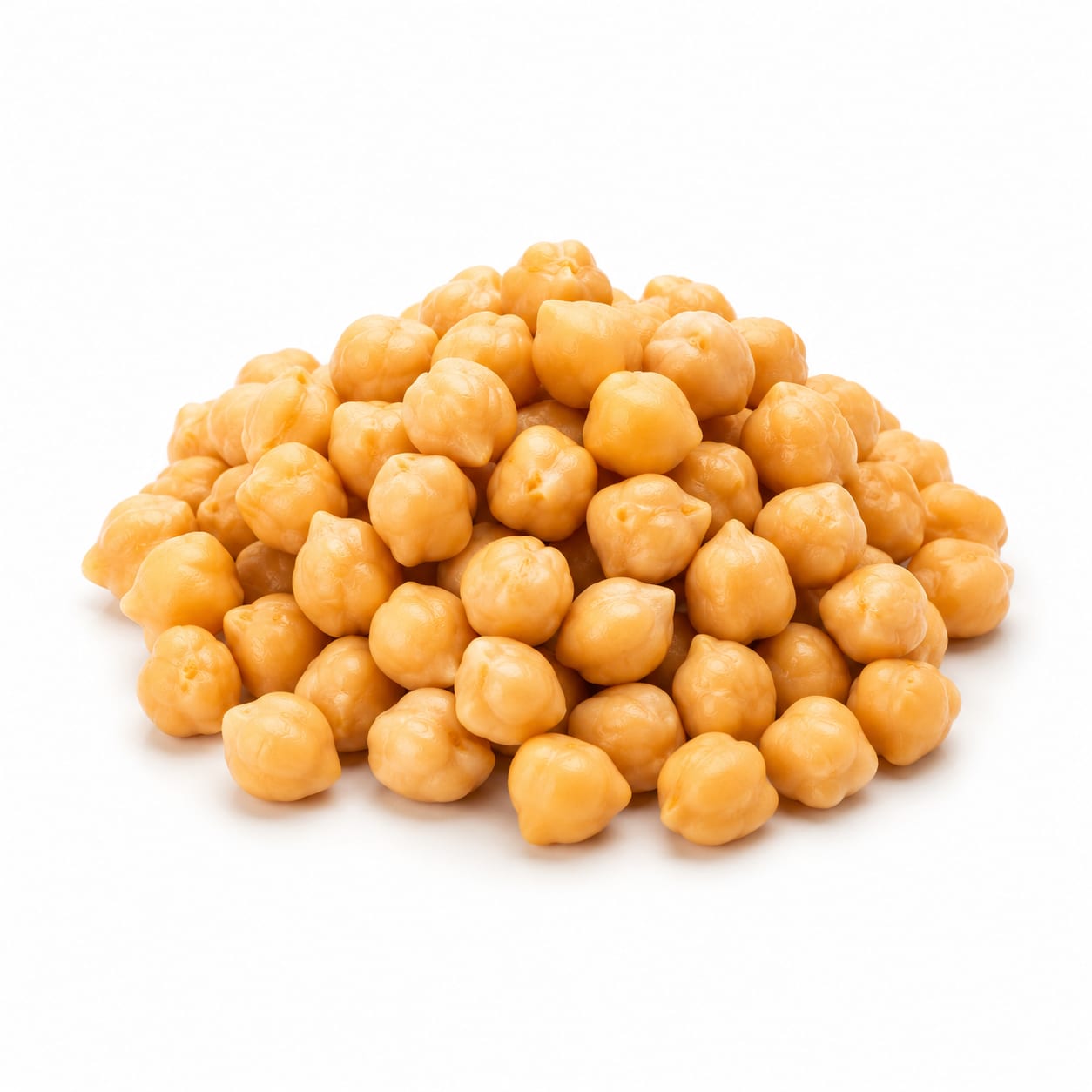
Chickpea
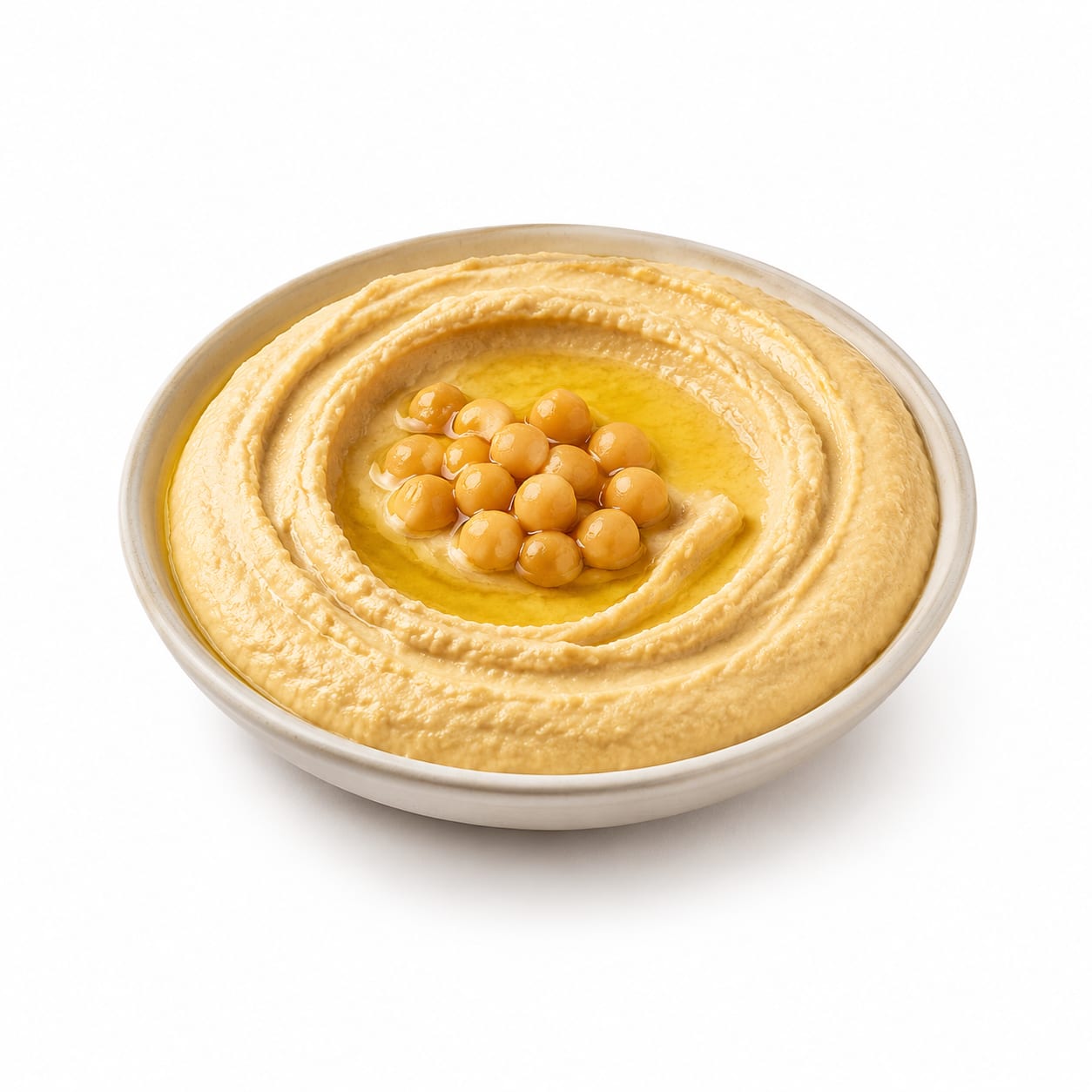
Hummus
Chickpeas are the pure, high-fiber whole food, while hummus is a convenient, flavorful spread that trades lower volume and higher calories for taste and ease.
Chickpeas score higher due to their whole-food status, lower calorie density, and zero additives. Hummus scores reasonably well because it retains much of the chickpea's nutrition, but it loses points for added fats, sodium, and overeating risk.
You gain convenience and palatability with hummus, but you lose portion control and take in added fats and sodium.
At a glance
Executive summary
Overall
It depends
Healthier
Chickpea
More practical
Hummus
Daily use
It depends
Key comparison lenses
Whole food versus processed spread convenience
Hummus is derived from chickpeas but adds fats and salt, shifting it from a whole food to a processed dip, which changes how you use it and how much you eat.
Calorie density and portion control
Adding oil and tahini makes hummus significantly more calorie-dense than whole chickpeas, making overeating much easier.
Sodium and additive exposure
Store-bought hummus often contains high sodium and preservatives, whereas plain chickpeas have virtually none.
Satiety and blood sugar impact
Whole chickpeas provide a slower, steadier release of energy, while the blended texture and added fat in hummus change the satiety profile.
Best choice for
Chickpea
- Weight loss and strict calorie counting
- Maximizing fiber intake for digestion
- Controlling sodium and avoiding preservatives
- Building hearty, filling salads and bowls
Hummus
- Quick snacks and entertaining guests
- Getting picky eaters to consume legumes
- Adding healthy fats to a dry meal
- Convenient on-the-go lunchboxes
Least suitable for
Chickpea
- Quick snacking without prep time
- People who find plain legumes unpalatable
Hummus
- Strict low-calorie or low-fat diets
- Sodium-sensitive individuals eating store-bought varieties
Deep comparison
Dimension by dimension
Each lens scores both foods and breaks down who each option suits.
- Dimension 1 · Priority 95Chickpea
Nutritional Purity & Additives
Chickpea · 98Hummus · 60Chickpeas are a single-ingredient whole food. Hummus adds tahini, oil, salt, and often preservatives.
Tradeoff
You get a tastier, creamier product with hummus, but you introduce unnecessary sodium and lose the clean-label simplicity of whole chickpeas.
Why it matters
Minimally processed foods are easier on the digestive system and avoid hidden inflammatory ingredients found in commercial dips.
Real-world impact
Eating chickpeas means you know exactly what is in your bowl. Eating store-bought hummus means checking labels for sodium and preservatives.
Chickpea
- Clean-eating diets
- Avoiding hidden sodium
Better for
- Bland without seasoning
Worse for
Hummus
- Flavor without needing extra recipes
Better for
- People avoiding added oils
Worse for
- Dimension 2 · Priority 90Chickpea
Calorie Density & Portion Control
Chickpea · 88Hummus · 55Chickpeas offer more volume and fiber per calorie. Hummus is calorie-dense due to added oil and tahini.
Tradeoff
Hummus is incredibly easy to overeat because it is a smooth, rich dip paired with chips or bread. Chickpeas are naturally self-limiting due to their firm texture and high fiber.
Why it matters
Calorie density dictates how full you feel. You can eat a full cup of chickpeas for roughly the same calories as a few tablespoons of hummus.
Real-world impact
Mindlessly snacking on hummus can easily add 400+ calories before you feel full, while chickpeas fill you up quickly with fewer calories.
Chickpea
- Weight management
- Large volume eating
Better for
- Those needing to gain weight
Worse for
Hummus
- Keto or low-carb high-fat diets
Better for
- Calorie-restricted diets
Worse for
- Dimension 3 · Priority 85Hummus
Convenience & Versatility
Chickpea · 65Hummus · 92Hummus is ready to eat straight from the container. Chickpeas require cooking or at least rinsing and drying.
Tradeoff
Hummus saves time and effort, making it a go-to for quick lunches and snacks. Chickpeas require meal prep but offer more textural versatility like roasting or mashing.
Why it matters
Convenience often dictates what we actually eat. If a healthy food takes too much prep, it gets skipped.
Real-world impact
Hummus is a lifesaver for busy weeknights or quick work lunches. Chickpeas need planning, like soaking or roasting, to shine.
Chickpea
- Meal prepping roasted snacks
- Hearty stews and curries
Better for
- Instant snacking needs
Worse for
Hummus
- Last-minute entertaining
- Quick work lunches
Better for
- Recipes requiring structural integrity
Worse for
- Dimension 4 · Priority 80Chickpea
Satiety & Blood Sugar Stability
Chickpea · 90Hummus · 75Whole chickpeas have intact cell walls that slow digestion, providing a steadier release of energy.
Tradeoff
The blending process in hummus breaks down the chickpea fibers, and the added fat slows digestion, but the overall glycemic impact is slightly less favorable than the whole food.
Why it matters
Steadier blood sugar means fewer afternoon energy crashes and less cravings later in the day.
Real-world impact
A chickpea salad keeps you full for hours. Hummus with pita might fill you up fast, but the refined carbs often paired with it can lead to a quicker crash.
Chickpea
- Diabetics seeking glycemic control
- Long-lasting fullness
Better for
- Those with severe digestive sensitivity to fiber
Worse for
Hummus
- Quick pre-workout energy with fat
Better for
- Those prone to overeating dips
Worse for
Timeline
Health impact over time
Short-term
Hours to days
Chickpea
- Provides sustained energy without a sugar crash
- Can cause bloating or gas if you are not used to high fiber
Hummus
- Offers immediate satisfaction and satiety from fat content
- High sodium in store-bought versions can cause water retention
Long-term
Months to years
Chickpea
- Supports healthy gut microbiome through intact prebiotic fiber
- Helps maintain healthy weight due to low calorie density
Hummus
- Contributes to healthy fat intake from olive oil and tahini
- Risk of gradual weight gain if portions are not carefully managed
Risk profile
Safety & processing
Chickpeas are a whole food straight from the pod. Hummus is a processed culinary preparation that adds healthy but calorie-dense fats, plus sodium and preservatives in commercial varieties.
Chickpea
Undercooked lectins
mediumDried chickpeas must be thoroughly cooked to neutralize phytohaemagglutinin, which can cause digestive distress. Canned chickpeas are always fully cooked.
Hummus
Listeria and spoilage
mediumHummus is a moist, nutrient-rich dip that spoils quickly. Commercial outbreaks of listeria have been linked to hummus, and it has a short fridge life once opened.
High sodium
mediumStore-bought hummus frequently contains 100-200mg of sodium per serving, which adds up quickly in a dipping session.
Who wins for whom
Audience fit
Same foods, different winners depending on your goal.
children
HummusHummus is a smooth, kid-friendly dip that makes vegetables appealing, whereas whole chickpeas can be a choking hazard for toddlers or rejected by picky eaters.
daily consumption
It dependsChickpeas are better for daily health if you have the prep time, but hummus is a sustainable daily staple if you make it homemade with minimal oil and salt.
diabetes
ChickpeaThe intact fiber in whole chickpeas creates a slower, more predictable blood sugar response compared to the blended texture of hummus.
elderly
HummusHummus is easy to chew and swallow, and requires no cooking, making it ideal for older adults with dental issues or limited mobility.
muscle gain
ChickpeaChickpeas offer more protein per calorie, and the higher carbohydrate content is excellent for replenishing glycogen after training.
weight loss
ChickpeaChickpeas provide much more food volume and fiber per calorie, making it far easier to stay in a deficit without feeling deprived.
Your move
Decision guide
Choose Chickpea
- You are watching your weight or counting calories
- You want maximum fiber and protein with zero additives
- You enjoy cooking and meal prepping
- You need a sturdy addition to salads and grain bowls
Choose Hummus
- You need a quick, ready-to-eat snack or meal component
- You are trying to eat more vegetables and need a palatable dip
- You have higher calorie needs or follow a higher fat diet
- You want an easy way to add flavor to sandwiches and wraps
Either works if
- You want plant-based protein and fiber
- You are looking for alternatives to meat or dairy
- You need shelf-stable pantry staples
Avoid both if
- You have a severe legume allergy
- You are on a strict very-low-carb or keto diet
Final recommendation
Make hummus at home using whole chickpeas to get the best of both worlds. You control the salt and oil, keeping the calorie density low while enjoying the convenience of a dip. If buying store-bought, treat hummus as a healthy fat rather than a lean protein, and portion it carefully.
Practical
Consumer tips
- 1
When buying canned chickpeas, choose low-sodium or no-salt-added varieties and rinse them well to remove excess starch and sodium.
- 2
If store-bought hummus is your only option, portion it into a small bowl instead of eating from the container to prevent accidental overeating.
- 3
Boost store-bought hummus by mixing in a handful of mashed chickpeas; this restores some of the lost texture, increases fiber, and stretches the calories.
- 4
Roast canned chickpeas with spices for a crunchy, self-limiting snack that hits the same savory notes as hummus but with far fewer calories.