
Nutrition comparison
Chickpeas vs Edamame: Protein, Fiber, and Nutrition Comparison
Chickpeas vs edamame compared on protein quality, fiber, carbs, cost, and health effects. Find out which plant protein is better for your goals.
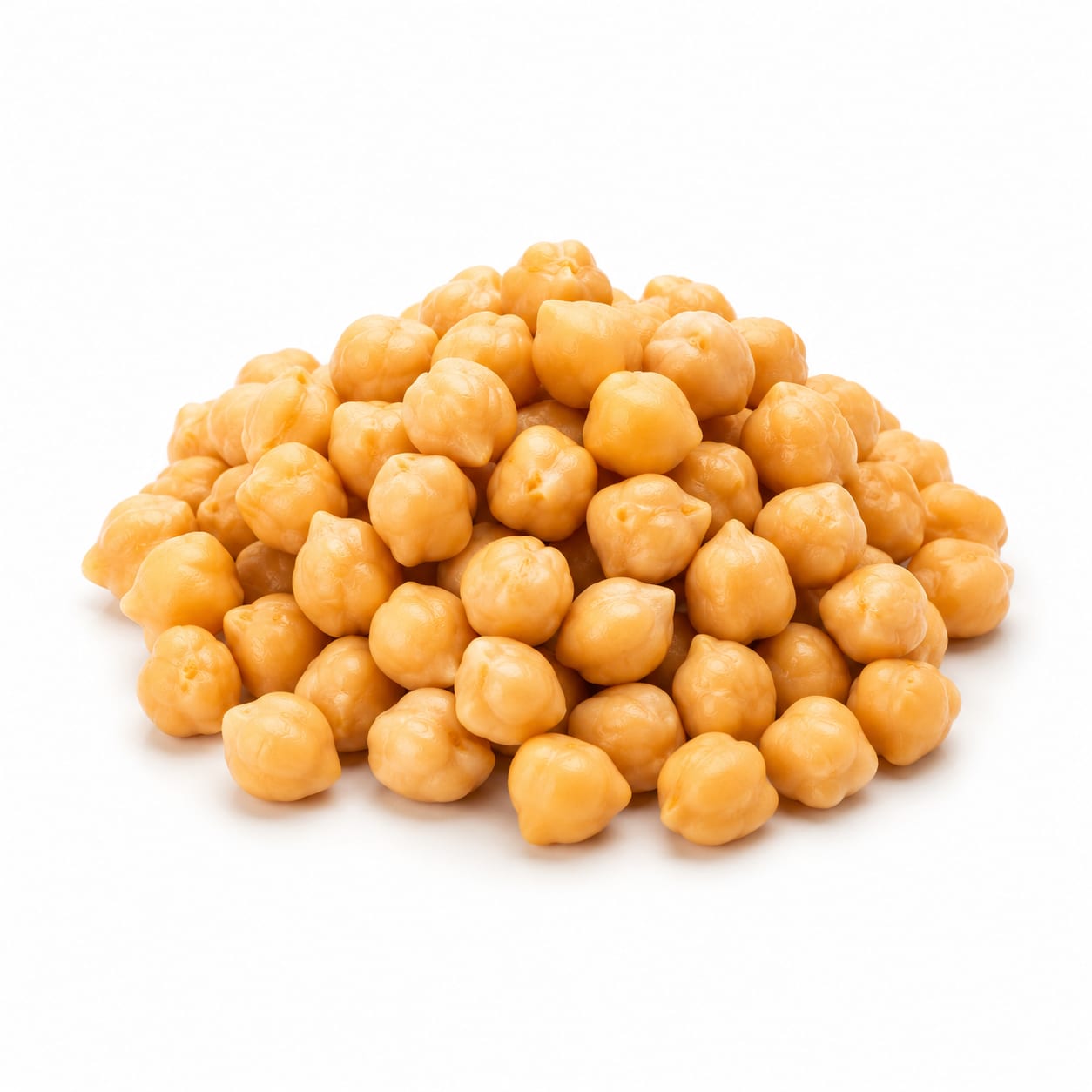
Chickpea
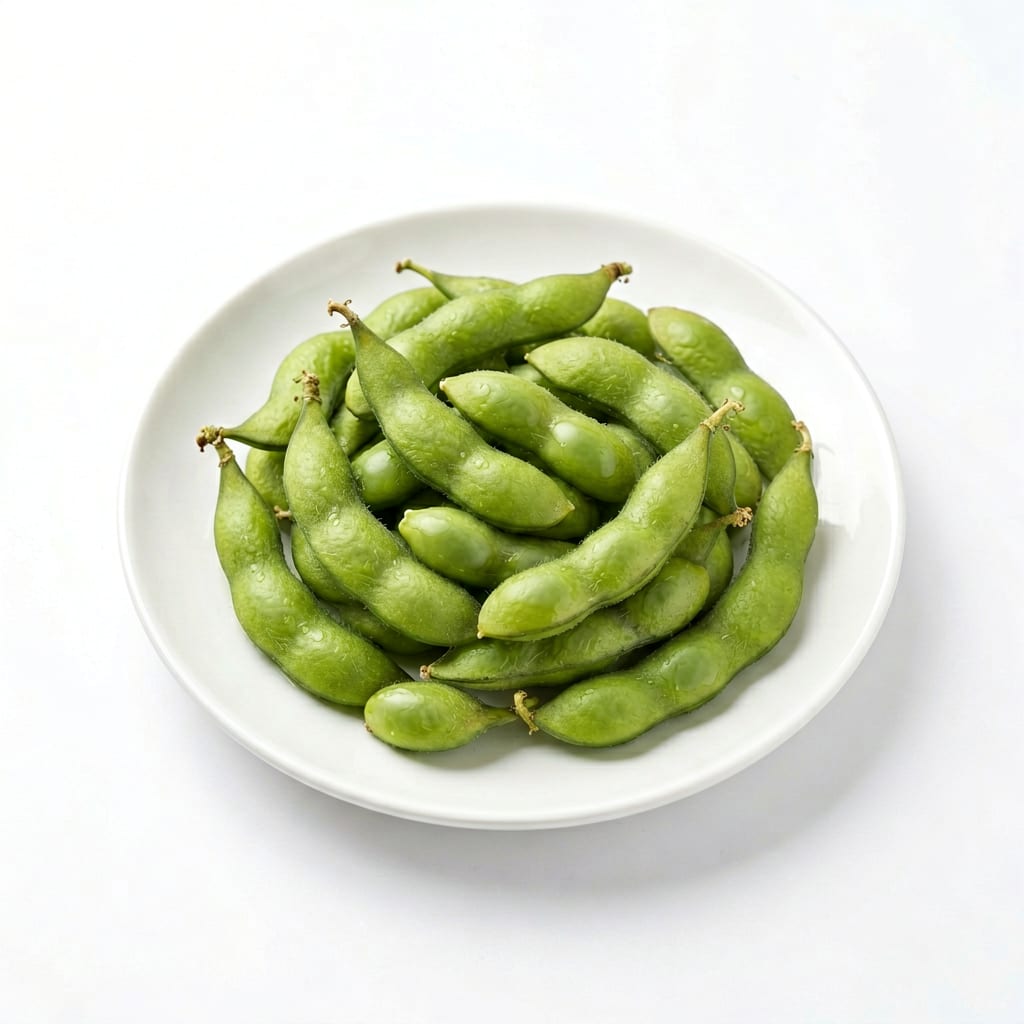
Edamame
Edamame delivers superior protein quality and lower carbs, while chickpeas win on fiber, versatility, and digestive benefits. Your goals determine the winner.
Nearly tied because each dominates different priorities. Chickpeas edge ahead on fiber, cost, and versatility, while edamame leads on protein quality and low-carb compatibility. The two-point gap reflects chickpeas' broader everyday usefulness for most people.
Complete protein and healthy fats from edamame versus unmatched fiber and culinary flexibility from chickpeas.
At a glance
Executive summary
Overall
It depends
Healthier
It depends
More practical
Chickpea
Daily use
Chickpea
Key comparison lenses
plant protein quality
Both are top plant proteins but differ significantly in amino acid completeness and protein density
fiber and digestive health
Chickpeas offer substantially more fiber, making gut health a key differentiator
low carb diet compatibility
Edamame has far fewer carbs, a deciding factor for keto or low-glycemic eaters
soy controversy and hormonal effects
Edamame carries isoflavone concerns that chickpeas avoid entirely
meal versatility and convenience
Chickpeas integrate into far more dishes and cuisines, affecting real-world adherence
Best choice for
Chickpea
- People prioritizing gut health and regularity
- Anyone meal-prepping on a budget
- Low-glycemic but not low-carb eaters
- Those avoiding soy entirely
- Home cooks wanting maximum recipe versatility
Edamame
- Athletes needing complete protein
- Low-carb and keto-friendly dieters
- Anyone seeking higher protein per calorie
- People wanting a quick no-cook snack
- Those focused on healthy fat intake
Least suitable for
Chickpea
- Strict low-carb dieters
- Anyone needing a complete amino acid profile from a single source
- People sensitive to oligosaccharides and gas
Edamame
- People with soy allergies
- Those concerned about GMO exposure
- Anyone avoiding phytoestrogens
- Budget-conscious shoppers
Deep comparison
Dimension by dimension
Each lens scores both foods and breaks down who each option suits.
- Dimension 1 · Priority 95Edamame
Protein Quality and Density
Chickpea · 65Edamame · 92Edamame provides a complete protein with all essential amino acids, while chickpeas are missing methionine in sufficient amounts.
Tradeoff
Edamame costs more per gram of protein but delivers higher quality. Chickpeas require pairing with grains to become complete.
Why it matters
If plant protein is your main protein source, completeness affects muscle recovery, satiety, and long-term health.
Real-world impact
A post-workout edamame bowl supports muscle repair better than chickpeas alone. Pair chickpeas with rice or quinoa to close the gap.
Chickpea
- Budget-focused protein sourcing
- Meals naturally paired with grains
Better for
- Standalone protein after exercise
- Anyone not pairing with complementary proteins
Worse for
Edamame
- Athletes and active individuals
- Vegans needing complete protein from single sources
- Higher protein per calorie needs
Better for
- Soy-allergic individuals
- Those avoiding phytoestrogens
Worse for
- Dimension 2 · Priority 88Chickpea
Fiber and Gut Health
Chickpea · 93Edamame · 68Chickpeas deliver roughly 50% more fiber per serving, including resistant starch that feeds beneficial gut bacteria.
Tradeoff
More fiber means better fullness and digestion for most, but can cause bloating in sensitive people. Edamame is gentler on the stomach.
Why it matters
Fiber drives satiety, blood sugar control, and long-term gut health. Most people fall short of daily targets.
Real-world impact
A chickpea-heavy lunch keeps you full until dinner. Edamame may leave you reaching for a snack sooner.
Chickpea
- Anyone struggling with constipation
- People aiming to increase daily fiber easily
- Blood sugar management through fullness
Better for
- People prone to gas and bloating
- Sudden large increases in fiber intake
Worse for
Edamame
- Those with IBS or bloating sensitivity
- Gradual fiber introduction
Better for
- Meeting high fiber targets efficiently
Worse for
- Dimension 3 · Priority 82Edamame
Carbohydrate and Blood Sugar Impact
Chickpea · 58Edamame · 88Edamame has roughly half the carbs of chickpeas per serving with a lower glycemic load, making it far more low-carb friendly.
Tradeoff
Chickpeas provide steady energy from complex carbs but can spike blood sugar more in sensitive individuals.
Why it matters
For diabetics, keto dieters, or anyone monitoring blood sugar, carb density is a daily decision driver.
Real-world impact
Edamame fits easily into a low-carb dinner plate. Chickpeas require portion awareness to stay within carb limits.
Chickpea
- Endurance athletes needing carb fuel
- Active people with high energy expenditure
Better for
- Strict low-carb protocols
- Blood sugar-sensitive individuals eating large portions
Worse for
Edamame
- Type 2 diabetes management
- Keto and low-carb diets
- Steadier energy without carb crashes
Better for
- Carb-replenishment after intense exercise
Worse for
- Dimension 4 · Priority 78Edamame
Fat Profile and Heart Health
Chickpea · 55Edamame · 85Edamame provides heart-healthy polyunsaturated fats including omega-3s, while chickpeas are naturally very low in fat.
Tradeoff
Edamame's healthy fats support heart and brain health but add calories. Chickpeas let you control fat separately through cooking oils.
Why it matters
Omega-3 intake is notoriously low in modern diets. Edamame offers a convenient plant source.
Real-world impact
Snacking on edamame gives you healthy fats without adding oil. Chickpeas need olive oil or tahini to match that benefit.
Chickpea
- Low-fat diet followers
- Those adding their own preferred cooking fats
Better for
- Obtaining essential fatty acids without added oils
Worse for
Edamame
- Heart health-focused eaters
- Anyone not eating fatty fish regularly
- Brain health optimization
Better for
- Very low-calorie diets where fat calories add up quickly
Worse for
- Dimension 5 · Priority 75Chickpea
Versatility and Culinary Integration
Chickpea · 94Edamame · 62Chickpeas appear in hummus, curries, salads, roasted snacks, soups, and baking. Edamame is mostly a side dish or snack.
Tradeoff
Chickpeas make healthy eating interesting and sustainable. Edamame is more of a one-trick addition.
Why it matters
Dietary boredom kills healthy habits. The food you can use 20 ways beats the food you can use 3 ways.
Real-world impact
You can build an entire meal plan around chickpeas. Edamame is a side player that adds protein but not excitement.
Chickpea
- Meal preppers wanting variety
- Home cooks exploring global cuisines
- Families needing flexible ingredients
Better for
- Quick grab-and-go snacking without prep
Worse for
Edamame
- Quick no-cook protein additions
- Japanese and East Asian recipes
Better for
- Culinary variety and recipe diversity
- Sustaining interest in plant-based eating long-term
Worse for
- Dimension 6 · Priority 70Chickpea
Cost and Accessibility
Chickpea · 95Edamame · 60Dried chickpeas are among the cheapest protein sources available. Edamame is significantly more expensive per serving.
Tradeoff
Chickpeas require soaking and cooking time unless canned. Edamame is ready in minutes from frozen but costs more.
Why it matters
Budget determines whether healthy eating is sustainable. The cheapest nutritious option often wins in real life.
Real-world impact
A pound of dried chickpeas costs under two dollars and feeds a family for days. Edamame runs three to five times more per protein gram.
Chickpea
- Budget-conscious households
- Bulk meal prepping
- Students and fixed-income individuals
Better for
- Last-minute meal needs without canned options
Worse for
Edamame
- Convenience-first shoppers
- Those who value time over money
Better for
- Feeding a family on a budget
- Daily consumption without cost strain
Worse for
Timeline
Health impact over time
Short-term
Hours to days
Chickpea
- High fiber can cause bloating and gas if you eat a large portion suddenly
- Complex carbs provide sustained energy for 3-4 hours
- Very filling, which reduces between-meal snacking
Edamame
- Gentler on digestion with lower fiber load
- Protein and fat combo creates steady satiety without heaviness
- Soy can cause mild stomach discomfort in sensitive individuals
Long-term
Months to years
Chickpea
- Consistent fiber intake supports gut microbiome diversity and regularity
- Low glycemic load reduces diabetes risk when replacing refined carbs
- May lower LDL cholesterol through soluble fiber content
Edamame
- Isoflavones may support bone density in postmenopausal women
- Omega-3 intake supports cardiovascular health long-term
- Phytoestrogen effects remain debated but current evidence leans neutral to beneficial at moderate intake
Risk profile
Safety & processing
Both are whole foods in their natural state. Canned chickpeas may contain added salt and BPA-lined can concerns, while frozen edamame may be blanched but generally lacks additives. Dried chickpeas and frozen edamame in pods are the cleanest forms of each.
Chickpea
BPA exposure from canned varieties
mediumMost canned chickpeas use BPA-lined cans. Choose tetra-packed or BPA-free cans, or cook from dried to avoid this entirely.
Sodium in canned versions
mediumCanned chickpeas can contain 300-400mg sodium per serving. Rinsing removes about 40%, but dried cooked at home has negligible sodium.
Lectin content
lowRaw chickpeas contain lectins that can cause digestive distress. Cooking eliminates this risk completely.
Edamame
GMO exposure
highOver 90% of US soy is genetically modified. Choose organic edamame to avoid GMOs entirely.
Soy allergy
mediumSoy is a top 8 allergen. Reactions range from mild hives to anaphylaxis. Not a concern for non-allergic individuals.
Phytoestrogen exposure
lowIsoflavones mimic estrogen weakly. Current research shows moderate intake is safe for most people, but those with hormone-sensitive conditions should consult a doctor.
Who wins for whom
Audience fit
Same foods, different winners depending on your goal.
children
ChickpeaChickpeas are non-allergenic, versatile in kid-friendly forms like hummus, and avoid soy hormone concerns during development.
daily consumption
ChickpeaLower cost, higher versatility, no soy concerns, and excellent fiber make chickpeas the easier daily staple for most people.
diabetes
EdamameLower carbohydrate count and glycemic load make blood sugar management easier, though chickpeas are still a strong low-GI choice.
elderly
EdamameHigher quality protein helps prevent age-related muscle loss, and edamame's isoflavones may support bone density in older adults.
muscle gain
EdamameComplete protein with higher leucine content supports muscle protein synthesis more effectively than chickpeas alone.
weight loss
ChickpeaHigher fiber creates stronger fullness per calorie, making it easier to eat less overall. Edamame's fat calories add up faster.
Your move
Decision guide
Choose Chickpea
- You want maximum fiber and gut health benefits
- Budget is a primary concern
- You need one ingredient that works in dozens of recipes
- You are avoiding soy for any reason
- You struggle with between-meal hunger and snacking
Choose Edamame
- You need complete protein from a single plant source
- You are on a low-carb or keto-friendly diet
- You want healthy fats without adding cooking oils
- You are an athlete focused on muscle recovery
- You prefer quick preparation with minimal cooking
Either works if
- You are building a balanced plant-based diet
- You want to rotate protein sources for amino acid diversity
- You are generally healthy without soy allergies or hormone concerns
Avoid both if
- You have severe legume sensitivities that trigger both
- You are on an extremely low-fiber medical diet
- You are in an acute gout flare and limiting purines temporarily
Final recommendation
Eat both. Chickpeas as your daily fiber-rich staple, edamame as your protein-dense booster. If forced to pick one, chickpeas win for most people because versatility and cost determine whether healthy eating actually sticks. But athletes, low-carb dieters, and anyone not eating enough protein should lean toward edamame.
Practical
Consumer tips
- 1
Buy dried chickpeas in bulk and cook a large batch weekly. Freeze portions for instant convenience without BPA or sodium concerns.
- 2
Choose organic edamame to avoid GMO soy. The price difference is small but the avoidance value is significant.
- 3
Pair chickpeas with quinoa, rice, or seeds to create a complete protein profile that rivals edamame.
- 4
Rinse canned chickpeas thoroughly to remove about 40% of added sodium.
- 5
Keep frozen shelled edamame in your freezer for quick protein additions to stir-fries, grain bowls, and salads.
- 6
If chickpeas cause bloating, start with small portions and increase gradually. Your gut adapts over a few weeks.
- 7
Avoid edamame if you have a personal or family history of estrogen-sensitive conditions without medical guidance.