
Nutrition comparison
Chickpeas vs Black Beans: Which Legume Is Healthier for You?
Compare chickpeas and black beans on fiber, protein, blood sugar impact, and more. Find out which bean is better for weight loss, diabetes, and daily nutrition.
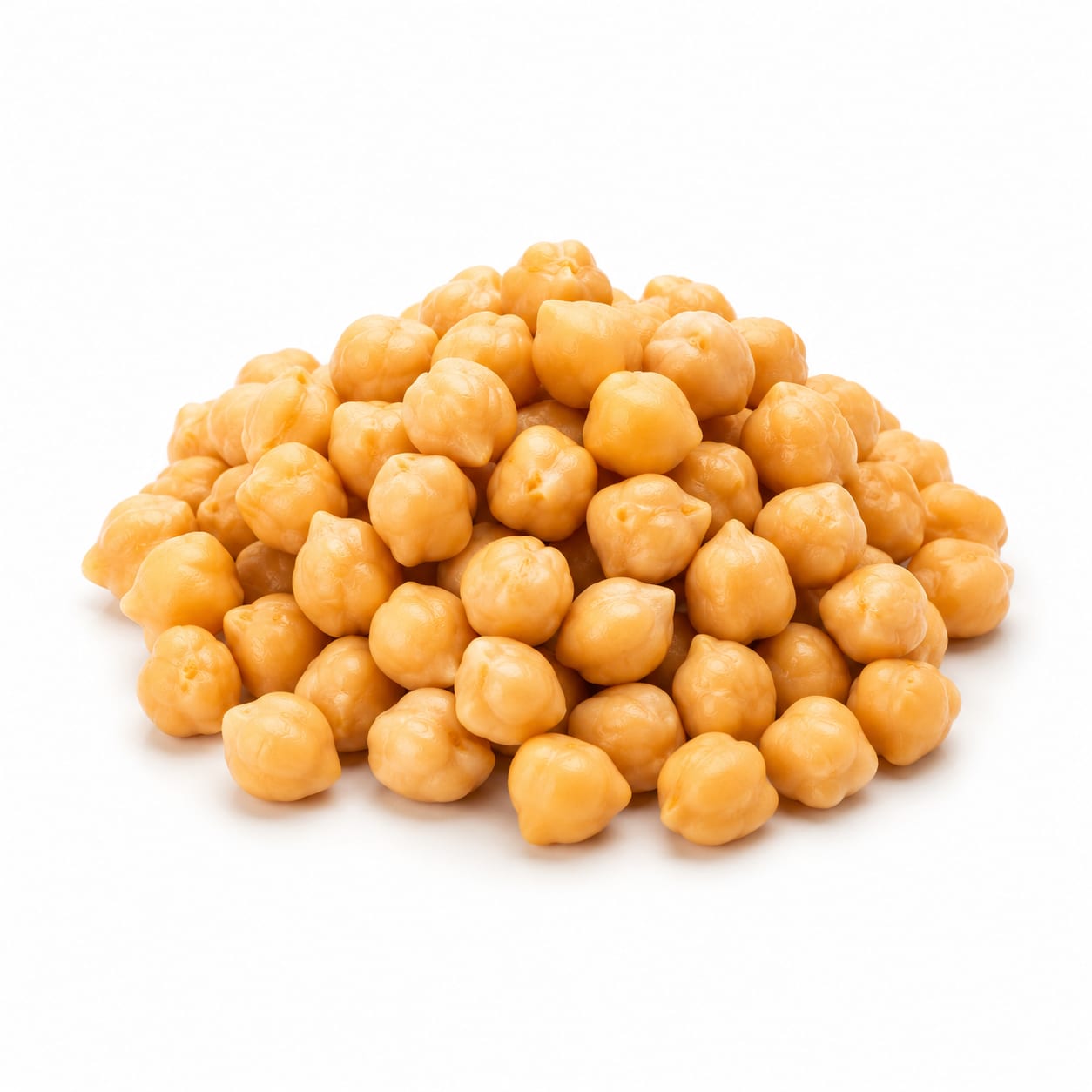
Chickpea
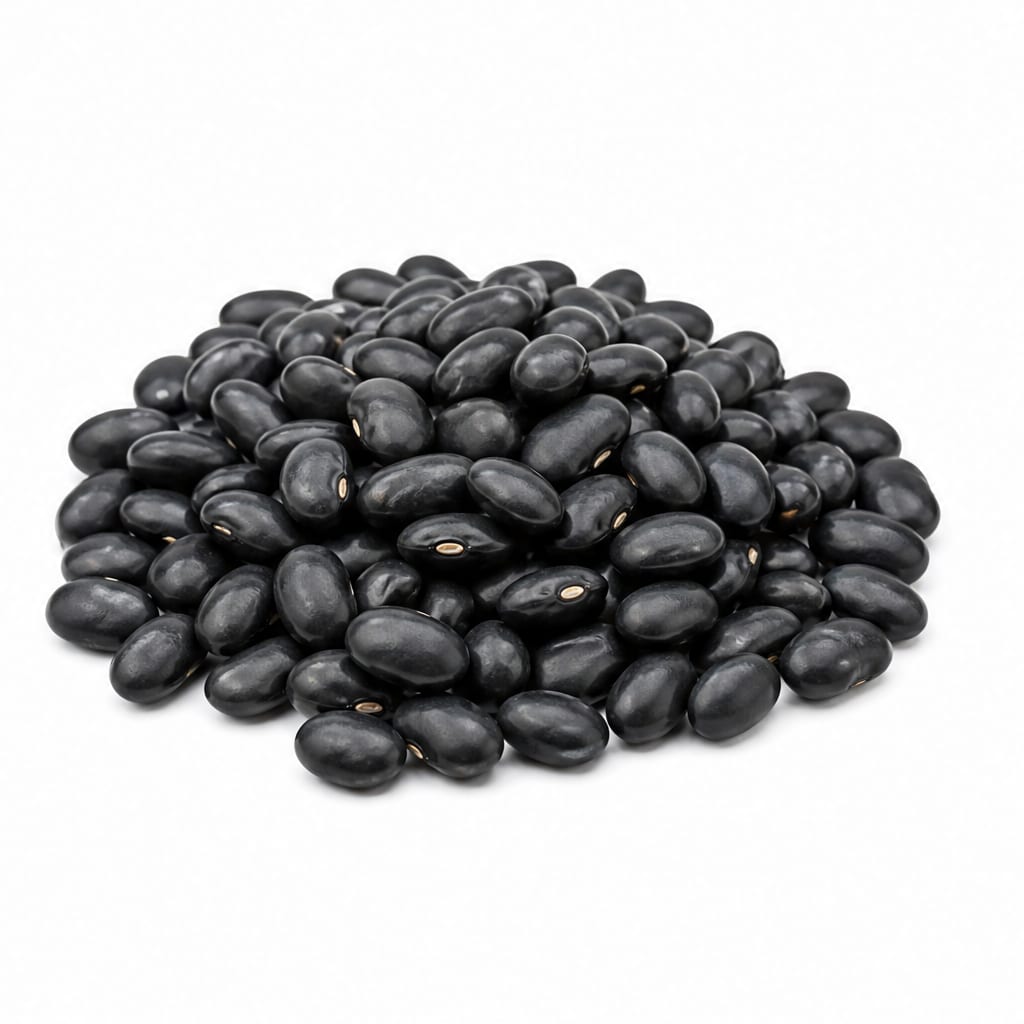
Black beans
Black beans edge ahead for blood sugar control and calorie efficiency, while chickpeas offer more folate and iron. Both are excellent legumes worth rotating.
Black beans score higher due to superior fiber density, lower glycemic impact, and richer antioxidant content. Chickpeas remain strong with better folate and iron, but the metabolic advantages of black beans give them a meaningful edge for most health goals.
Black beans deliver steadier energy and more fiber per calorie; chickpeas provide more minerals and a creamier texture that works in different dishes.
At a glance
Executive summary
Overall
It depends
Healthier
Black beans
More practical
It depends
Daily use
Black beans
Key comparison lenses
blood sugar management
Both are legumes with different glycemic impacts, a key decision factor for many consumers
weight loss and satiety
Calorie density and fiber differences directly affect fullness and portion control
protein per calorie efficiency
Both are plant protein staples, so protein density matters for meal planning
antioxidant and anti-inflammatory value
Black beans offer unique anthocyanins while chickpeas provide different phytonutrients
digestive tolerance and meal comfort
Legumes are notorious for gas and bloating, and tolerance varies between types
Best choice for
Chickpea
- People needing more folate, such as pregnant women or those planning pregnancy
- Anyone looking to boost iron intake from plant sources
- Fans of Mediterranean and Middle Eastern cooking who want seamless meal integration
- Those who prefer a creamier, milder-flavored legume for dips and spreads
Black beans
- People managing diabetes or insulin resistance who need steadier blood sugar
- Anyone tracking calories who wants more volume and fiber per serving
- Those seeking maximum antioxidant punch from the dark bean pigments
- Latin American cuisine enthusiasts who want authentic flavor profiles
Least suitable for
Chickpea
- People strictly limiting carbohydrates who need the lowest-GI legume option
- Those sensitive to higher calorie density in moderate portions
Black beans
- People with specific sensitivities to certain oligosaccharides found in darker beans
- Anyone who dislikes the earthier, denser flavor profile
Deep comparison
Dimension by dimension
Each lens scores both foods and breaks down who each option suits.
- Dimension 1 · Priority 95Black beans
blood sugar stability
Chickpea · 68Black beans · 88Black beans have a significantly lower glycemic index, causing slower, steadier blood sugar rises after meals.
Tradeoff
Chickpeas are not bad for blood sugar, but their higher GI means a slightly faster glucose climb that may trigger earlier hunger in sensitive individuals.
Why it matters
For anyone with insulin resistance, prediabetes, or afternoon energy crashes, this difference compounds over hundreds of meals per year.
Real-world impact
A black bean lunch keeps you steadier through the 3pm slump; a chickpea lunch may have you reaching for a snack sooner.
Chickpea
- Active individuals who burn through carbs quickly and need faster energy availability
Better for
- Late-night eating when you want minimal blood sugar disruption
Worse for
Black beans
- Diabetics and prediabetics
- Anyone prone to post-meal energy crashes
- Intermittent fasters breaking a fast who want gentle glucose re-entry
Better for
- Pre-workout meals where slightly faster energy access could help performance
Worse for
- Dimension 2 · Priority 90Black beans
fiber density and satiety
Chickpea · 72Black beans · 89Black beans pack more fiber into fewer calories, making each serving more filling per bite.
Tradeoff
Chickpeas still offer solid fiber, but you get less satiety per calorie compared to black beans.
Why it matters
Higher fiber density means you feel full longer on less food, which directly supports weight management without counting calories.
Real-world impact
A cup of black beans feels more substantial and keeps hunger away longer than a cup of chickpeas, despite similar volume.
Chickpea
- Those transitioning to high-fiber diets who need a gentler entry point
Better for
- Large portions needed to match the satiety of black beans
Worse for
Black beans
- Weight loss seekers who want maximum fullness per calorie
- Anyone struggling with between-meal snacking urges
Better for
- Very high fiber can be uncomfortable if your gut is not adapted
Worse for
- Dimension 3 · Priority 85Black beans
protein per calorie
Chickpea · 70Black beans · 82Black beans deliver more protein relative to their calorie content, making them a leaner protein source.
Tradeoff
Chickpeas have slightly more protein per cup in absolute terms, but they also carry more calories to get there.
Why it matters
When protein intake matters but calories are limited, the ratio matters more than the raw total.
Real-world impact
On a 2000-calorie diet, choosing black beans over chickpeas saves roughly 40 calories per cup while keeping protein nearly equivalent.
Chickpea
- Bulk eaters who are not calorie-conscious and just want total protein volume
Better for
- Cutting phases where every calorie counts
Worse for
Black beans
- Calorie-trackers optimizing protein per calorie
- Plant-based eaters trying to hit protein targets without overshooting calories
Better for
- Situations where total protein intake is the only concern regardless of calories
Worse for
- Dimension 4 · Priority 80Black beans
antioxidant and anti-inflammatory value
Chickpea · 65Black beans · 86The dark skin of black beans is loaded with anthocyanins, the same antioxidants found in blueberries, giving them a major anti-inflammatory edge.
Tradeoff
Chickpeas contain beneficial phytonutrients too, but at lower concentrations and without the deep-pigment antioxidant class.
Why it matters
Chronic inflammation drives aging, joint pain, and disease. Anthocyanin-rich foods are one of the most accessible ways to fight it daily.
Real-world impact
Regularly eating black beans is like adding a serving of berries to your diet in terms of antioxidant firepower, but with far more protein and fiber.
Chickpea
- Those who already eat plenty of dark-pigmented foods and want nutrient diversity
Better for
- Relying on chickpeas alone as your primary antioxidant legume leaves a meaningful gap
Worse for
Black beans
- Anyone with inflammatory conditions like arthritis
- People with low fruit and berry intake who need antioxidant support from staple foods
Better for
- Overcooking black beans can degrade some heat-sensitive anthocyanins
Worse for
- Dimension 5 · Priority 75Chickpea
mineral density
Chickpea · 84Black beans · 76Chickpeas provide more iron and folate per serving, two minerals many people fall short on.
Tradeoff
Black beans offer more magnesium and are still mineral-rich, but the folate and iron advantage of chickpeas is clinically meaningful for certain groups.
Why it matters
Iron deficiency is the most common nutrient deficiency worldwide, and folate is critical for fetal development and cellular repair.
Real-world impact
A cup of chickpeas covers about 25% of daily iron needs versus 20% from black beans, and the folate gap is even wider.
Chickpea
- Pregnant women or those trying to conceive who need extra folate
- Vegetarians and vegans who struggle to hit iron targets
- Women of reproductive age at higher risk for iron depletion
Better for
- Iron overload conditions where less iron is preferable
Worse for
Black beans
- People with adequate iron who want more magnesium for sleep and muscle recovery
Better for
- Pregnancy nutrition where folate needs are significantly elevated
Worse for
- Dimension 6 · Priority 72It depends
culinary versatility
Chickpea · 82Black beans · 78Chickpeas blend smoothly into dips and baked goods, while black beans shine in hearty savory dishes and burgers.
Tradeoff
Chickpeas have a neutral creaminess that adapts to more cuisine styles; black beans have a distinct earthy personality that defines dishes.
Why it matters
The best legume nutritionally is the one you actually enjoy eating regularly. Versatility drives consistency.
Real-world impact
Chickpeas make hummus, falafel, and even dessert doughs possible. Black beans make killer tacos, burgers, and soups but feel out of place in sweet recipes.
Chickpea
- Home cooks who want one legume for both savory and sweet applications
- Meal preppers who make hummus weekly
Better for
- Authentic Latin American dishes where the flavor profile does not match
Worse for
Black beans
- Fans of bold, earthy flavors in Latin and Caribbean cooking
- Anyone making veggie burgers who needs structure and umami depth
Better for
- Dips and spreads where the dark color and stronger flavor feel off-putting
Worse for
- Dimension 7 · Priority 70Chickpea
digestive tolerance
Chickpea · 74Black beans · 66Chickpeas tend to be slightly gentler on digestion for most people, likely due to different oligosaccharide profiles.
Tradeoff
Both can cause gas and bloating, especially if your gut is not adapted to regular legume intake. The difference is modest but noticeable for sensitive individuals.
Why it matters
If eating a healthy food makes you uncomfortable, you will stop eating it. Tolerance determines long-term adherence.
Real-world impact
Someone with IBS or sensitive digestion may find chickpeas manageable but black beans too disruptive, especially in larger portions.
Chickpea
- People with sensitive digestion or IBS
- Legume newcomers building up gut tolerance gradually
Better for
- Still problematic in large amounts for unadapted digestive systems
Worse for
Black beans
- Those with well-adapted gut microbiomes who tolerate all legumes easily
Better for
- Higher oligosaccharide content can cause more gas and bloating in sensitive people
Worse for
Timeline
Health impact over time
Short-term
Hours to days
Chickpea
- Moderate blood sugar rise that peaks within an hour, manageable for most people
- Comfortable satiety without feeling overly heavy
- Mild gas possible if unaccustomed to legumes, generally less intense than black beans
Black beans
- Slower, gentler blood sugar curve with less dramatic peaks
- Stronger feeling of fullness that lingers longer between meals
- More likely to cause noticeable gas or bloating in the first weeks of regular consumption
Long-term
Months to years
Chickpea
- Consistent folate intake supports cellular repair and cardiovascular health
- Better iron status reduces fatigue risk, especially for menstruating women
- Moderate glycemic load is still protective compared to refined carbs but less optimal than black beans
Black beans
- Superior blood sugar regulation reduces long-term diabetes and metabolic syndrome risk
- High anthocyanin intake from the dark pigment supports vascular health and cognitive function
- Greater fiber intake promotes healthier gut microbiome diversity over months and years
Risk profile
Safety & processing
Both chickpeas and black beans are whole, minimally processed foods when bought dried or canned with simple ingredients. Watch for added sodium in canned versions of both, and choose no-salt-added or low-sodium cans when possible.
Chickpea
BPA exposure from can linings
mediumMost canned chickpeas use BPA-lined cans. Choose tetra-packed or BPA-free cans to reduce exposure, or cook from dried.
Sodium in canned versions
mediumA single cup of canned chickpeas can contain 400-700mg of sodium. Rinsing removes about 30-40% but not all.
Black beans
BPA exposure from can linings
mediumSame can-lining concern as chickpeas. Dried black beans eliminate this risk entirely.
Sodium in canned versions
mediumCanned black beans often carry similar sodium loads. Low-sodium and no-salt-added options are widely available.
Phytohaemagglutinin toxicity if undercooked
lowBlack beans contain low levels of lectins that are fully neutralized by proper cooking. This is primarily a concern with raw or severely undercooked beans, which is rare with standard preparation.
Who wins for whom
Audience fit
Same foods, different winners depending on your goal.
children
ChickpeaChickpeas have a milder flavor and creamier texture that most kids accept more easily, plus the extra folate supports growing bodies. Hummus is often a gateway legume for picky eaters.
daily consumption
Black beansThe metabolic advantages of black beans compound most when eaten consistently. Their fiber, antioxidants, and blood sugar benefits reward daily habit more than chickpeas.
diabetes
Black beansThe lower glycemic index and higher fiber content of black beans produce a flatter, more predictable blood sugar response that is easier to manage with medication and lifestyle.
elderly
ChickpeaThe folate and iron in chickpeas address common deficiencies in older adults, and the slightly easier digestion reduces discomfort that might discourage eating.
muscle gain
It dependsBoth provide comparable protein. Chickpeas offer slightly more total protein per cup, while black beans offer better protein-per-calorie. Choose based on whether you are in a surplus or deficit.
weight loss
Black beansMore fiber and fewer calories per serving make black beans more filling per calorie, naturally reducing overeating without conscious restriction.
Your move
Decision guide
Choose Chickpea
- You are pregnant, trying to conceive, or have elevated folate needs
- You have low iron or are a menstruating vegetarian who needs every iron advantage
- You want a milder, creamier legume that works in dips, salads, and even baking
- You or your family find black beans too gas-producing or strongly flavored
- You cook a lot of Mediterranean, Indian, or Middle Eastern recipes
Choose Black beans
- You are managing blood sugar, insulin resistance, or diabetes
- You want maximum fullness and fiber per calorie for weight management
- You eat a lot of Latin American, Caribbean, or Southern US cuisine
- You want the antioxidant benefits of dark-pigmented foods without eating berries daily
- You are already comfortable digesting legumes and want the strongest metabolic payoff
Either works if
- You simply want to add more plant protein and fiber to your diet and have no specific health condition driving the choice
- You are meal prepping and want variety across the week
- You are transitioning from a low-legume diet and want to rotate to build gut tolerance
Avoid both if
- You have a diagnosed legume allergy or sensitivity
- You are in the acute phase of a strict low-FODMAP diet and cannot tolerate any legumes yet
- You have severe IBS that flares with any high-fiber legume intake without professional guidance
Final recommendation
Eat both, but lean into black beans as your daily staple and use chickpeas as your versatile supporting player. The blood sugar and fiber advantages of black beans make them the stronger foundation, while chickpeas fill the gaps with folate, iron, and culinary flexibility. Rotating between them gives you the broadest nutrient coverage and keeps meals interesting.
Practical
Consumer tips
- 1
Buy dried beans when you have time to soak and cook. You avoid BPA, sodium, and save money. A pressure cooker cuts cook time dramatically.
- 2
If using canned, always rinse thoroughly. This removes about 35% of the sodium and some of the gas-causing oligosaccharides.
- 3
Introduce legumes gradually if you are new to them. Start with half-cup servings three times a week and increase slowly to let your gut adapt.
- 4
Pair both chickpeas and black beans with vitamin C-rich foods like bell peppers or tomatoes. This boosts iron absorption by 2-3x.
- 5
Add a strip of kombu seaweed when cooking dried beans. It helps break down gas-causing compounds and adds trace minerals.
- 6
Black beans lose some anthocyanins with prolonged high heat. Simmer gently rather than boiling aggressively to preserve more antioxidants.
- 7
Freeze cooked beans in portioned bags. Having ready-to-use legumes eliminates the convenience gap between canned and dried.