
Nutrition comparison
Chicken vs Turkey Breast: Which is Healthier for Weight Loss & Meal Prep?
Compare Chicken vs Turkey Breast for protein, calories, and meal prep practicality. Find out which lean meat is better for your diet and daily routine.
Overall winner · Turkey Breast

Chicken
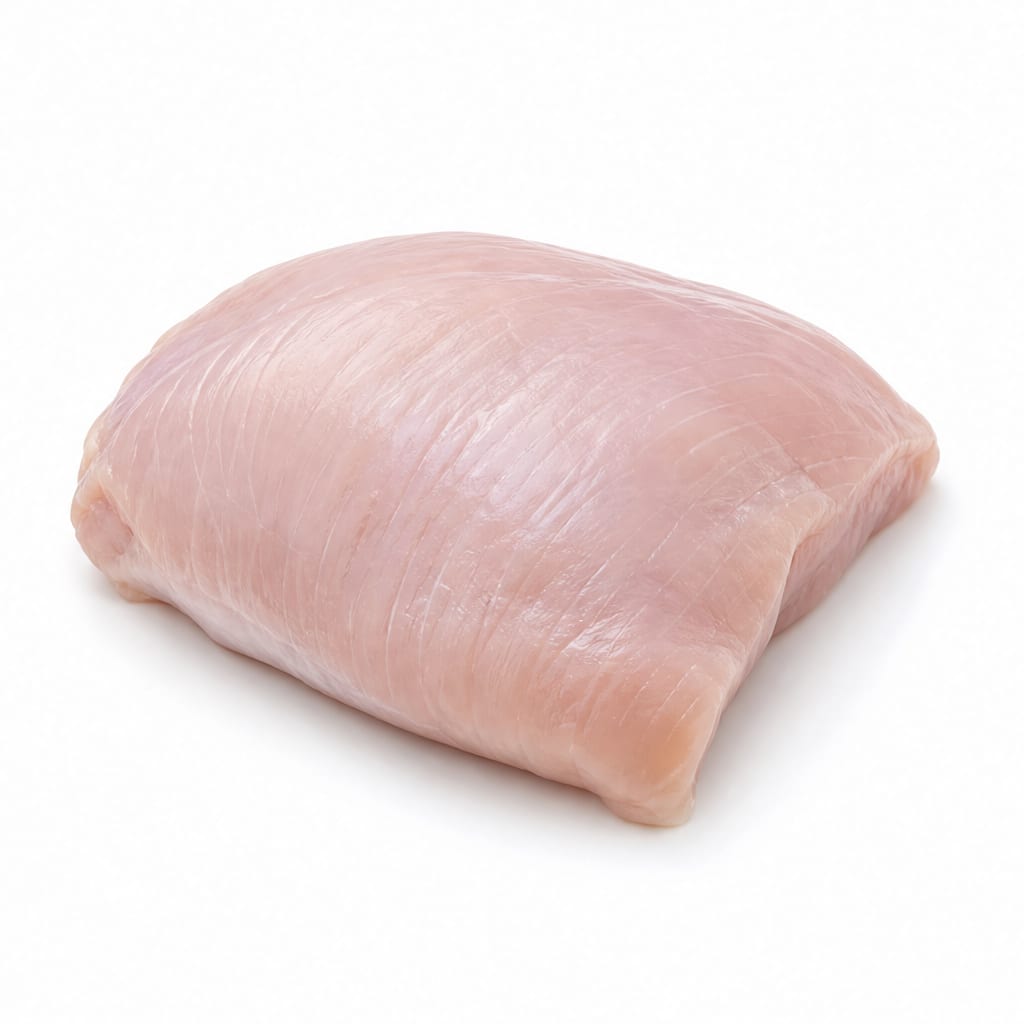
Turkey Breast
Turkey Breast edges out Chicken for pure leanness and protein density, but Chicken wins on versatility, cost, and everyday practicality.
Turkey Breast scores slightly higher due to its superior protein-to-calorie ratio, but the close scores reflect Chicken's major practical and culinary advantages.
Slightly better macros in Turkey Breast versus better taste, price, and cooking flexibility in Chicken.
At a glance
Executive summary
Overall
Turkey Breast
Healthier
Turkey Breast
More practical
Chicken
Daily use
Chicken
Key comparison lenses
Lean protein source selection
Both are top-tier lean proteins, so users want to know which gives them more muscle-building fuel for fewer calories.
Weight loss diet optimization
Calorie and fat differences, even if small, matter when cutting.
Meal prep practicality
Cost, availability, and cooking versatility heavily influence weekly meal planning.
Best choice for
Chicken
- Budget-conscious meal preppers
- Families needing versatile weeknight dinners
- People who prioritize flavor and juiciness
Turkey Breast
- Bodybuilders in a cutting phase
- Those strictly counting calories and macros
- People seeking the absolute leanest meat possible
Least suitable for
Chicken
- Strict calorie counters who find skinless chicken breast too dry and add oil
- Those avoiding poultry entirely
Turkey Breast
- Shoppers on a tight budget
- People prone to overcooking and drying out lean meats
Deep comparison
Dimension by dimension
Each lens scores both foods and breaks down who each option suits.
- Dimension 1 · Priority 95Turkey Breast
Protein Density & Leanness
Chicken · 90Turkey Breast · 98Turkey Breast packs slightly more protein per ounce and fewer calories than Chicken breast.
Tradeoff
You get marginally better macros with Turkey Breast, but the difference is small enough that most people won't notice physical results from swapping alone.
Why it matters
When every calorie counts, getting more protein for less energy helps preserve muscle while losing fat.
Real-world impact
A 4oz serving of Turkey Breast saves you about 10-15 calories and adds 1-2g of protein compared to Chicken breast—helpful for strict competitors, negligible for casual dieters.
Chicken
- Maintaining a healthy diet without obsessing over tiny macro differences
Better for
- Losing a tiny edge in maximum protein per calorie
Worse for
Turkey Breast
- Squeezing every last gram of protein into a tight calorie budget
- Stage-ready physique preparation
Better for
- Feeling restricted by a slightly more rigid food choice
Worse for
- Dimension 2 · Priority 88Chicken
Versatility & Culinary Appeal
Chicken · 95Turkey Breast · 75Chicken is the ultimate culinary blank canvas, absorbing flavors beautifully and staying juicier, while Turkey Breast leans drier.
Tradeoff
Choosing Turkey Breast might mean tougher, drier meals if not cooked perfectly, whereas Chicken forgives minor cooking errors and fits more recipes.
Why it matters
If your food tastes boring or dry, you're more likely to abandon your diet and order takeout.
Real-world impact
Chicken breast can be grilled, baked, shredded, or sautéed with reliable juiciness. Turkey Breast often requires brining or careful temperature control to avoid a chalky texture.
Chicken
- Easy weeknight cooking without special techniques
- Meal prep that stays moist over several days
- Absorbing marinades and sauces effectively
Better for
- Can become rubbery if severely overcooked
Worse for
Turkey Breast
- Classic deli-style sliced meat for sandwiches
Better for
- High risk of drying out, making leftovers unappealing
Worse for
- Dimension 3 · Priority 85Chicken
Cost & Accessibility
Chicken · 95Turkey Breast · 70Chicken is universally available and consistently cheap, while fresh Turkey Breast is often pricier and harder to find outside of holiday seasons.
Tradeoff
Opting for Turkey Breast might strain your grocery budget, whereas Chicken keeps weekly food costs low.
Why it matters
Sustainable healthy eating depends on what you can afford and find easily every week.
Real-world impact
Chicken breast often goes on sale for under $3/lb. Fresh Turkey Breast can be double that price and might require a specialty butcher or larger grocery store.
Chicken
- Feeding a family on a budget
- Finding lean protein at any grocery store or convenience shop
Better for
- None significant regarding cost
Worse for
Turkey Breast
- Taking advantage of post-holiday turkey clearance sales
Better for
- Higher weekly grocery bill for the same volume of food
Worse for
- Dimension 4 · Priority 70It depends
Micronutrient Profile
Chicken · 85Turkey Breast · 88Turkey Breast offers more B vitamins and selenium, while Chicken provides slightly more niacin and pantothenic acid.
Tradeoff
Both are micronutrient powerhouses; the differences are minor and unlikely to impact your health unless your entire diet is extremely restricted.
Why it matters
B vitamins support energy production, and selenium protects thyroid health and fights oxidative stress.
Real-world impact
Turkey Breast gives a slightly bigger boost in B12 and selenium, which is great for energy and immunity, but Chicken still provides more than enough for daily needs.
Chicken
- Getting ample niacin for skin and nerve health
Better for
- Slightly lower in selenium and B12
Worse for
Turkey Breast
- Boosting selenium intake for thyroid support
- Getting extra B12 for energy metabolism
Better for
- Slightly lower in niacin
Worse for
Timeline
Health impact over time
Short-term
Hours to days
Chicken
- Highly satiating, keeping hunger at bay for hours
- Stabilizes blood sugar when eaten without carbs
Turkey Breast
- Extremely filling due to high protein density
- Very light on the stomach with minimal fat to slow digestion
Long-term
Months to years
Chicken
- Supports sustainable weight management due to high satiety per dollar
- Maintains muscle mass effectively with consistent intake
Turkey Breast
- Excellent for long-term cardiovascular health due to extreme leanness
- Supports metabolic health with high protein and low saturated fat
Risk profile
Safety & processing
Both whole Chicken and Turkey Breast are minimally processed, but beware of deli or pre-seasoned versions which often contain high sodium, nitrates, and preservatives.
Chicken
Salmonella contamination
mediumRaw Chicken requires strict handling and thorough cooking to avoid foodborne illness.
Antibiotic residues
lowConventional farming may use antibiotics, though regulations have tightened. Opt for organic or antibiotic-free labels to minimize risk.
Turkey Breast
Salmonella and Campylobacter
mediumLike Chicken, raw Turkey requires careful handling and full cooking to kill harmful bacteria.
Deli processing additives
mediumPre-sliced deli Turkey Breast often contains nitrates, high sodium, and sometimes carrageenan, which can cause inflammation.
Who wins for whom
Audience fit
Same foods, different winners depending on your goal.
children
ChickenChicken is generally more palatable, easier to chew, and more familiar to kids, making meal times less of a struggle.
daily consumption
ChickenLower cost, better cooking flexibility, and wider availability make Chicken the more sustainable daily staple.
diabetes
It dependsBoth have zero carbs and minimal saturated fat, making them equally great for blood sugar stability.
elderly
Turkey BreastTurkey Breast provides extra B12 and selenium, which are crucial for aging immune systems and cognitive function, and is very easy to chew if cooked properly.
muscle gain
It dependsBoth provide excellent high-quality protein for muscle repair; Chicken is easier to eat in large volumes due to taste and cost.
weight loss
Turkey BreastTurkey Breast has slightly fewer calories and more protein per serving, giving it a tiny edge for aggressive fat loss.
Your move
Decision guide
Choose Chicken
- You want the most versatile, budget-friendly lean protein
- You meal prep in bulk and need meat that stays juicy for days
- You have picky eaters at home who prefer familiar flavors
Choose Turkey Breast
- You are counting every single calorie and macro for a competition
- You want the absolute leanest meat available
- You enjoy making deli-style roasted meats at home
Either works if
- You just need a solid, zero-carb protein source for dinner
- You are focusing on general health and satiety rather than extreme leanness
- You plan to use the meat in a soup or stew where texture differences disappear
Avoid both if
- You are vegetarian or vegan
- You have a poultry allergy
- You only have access to highly processed deli versions loaded with sodium
Final recommendation
Let your budget and cooking habits decide. Turkey Breast is technically the leaner choice, but Chicken is the more practical everyday protein. The nutritional gap is too small to stress over—pick the one you'll actually enjoy cooking and eating consistently.
Practical
Consumer tips
- 1
Buy whole Turkey Breasts and roast them yourself instead of buying deli slices to avoid sodium and nitrates.
- 2
Brine Chicken or Turkey Breast before cooking to lock in moisture and prevent the dreaded dry texture.
- 3
Look for 'air-chilled' Chicken to avoid the added water weight and potential bacterial spread of water-chilled processing.
- 4
If buying ground versions, check the label carefully—ground Chicken or Turkey often includes dark meat and skin, drastically increasing the fat content.