
Nutrition comparison
Chicken vs Tofu: Which Protein Is Better for Your Health Goals?
Compare chicken and tofu on protein quality, heart health, weight loss, food safety, and cost. Find out which lean protein fits your diet and lifestyle better.
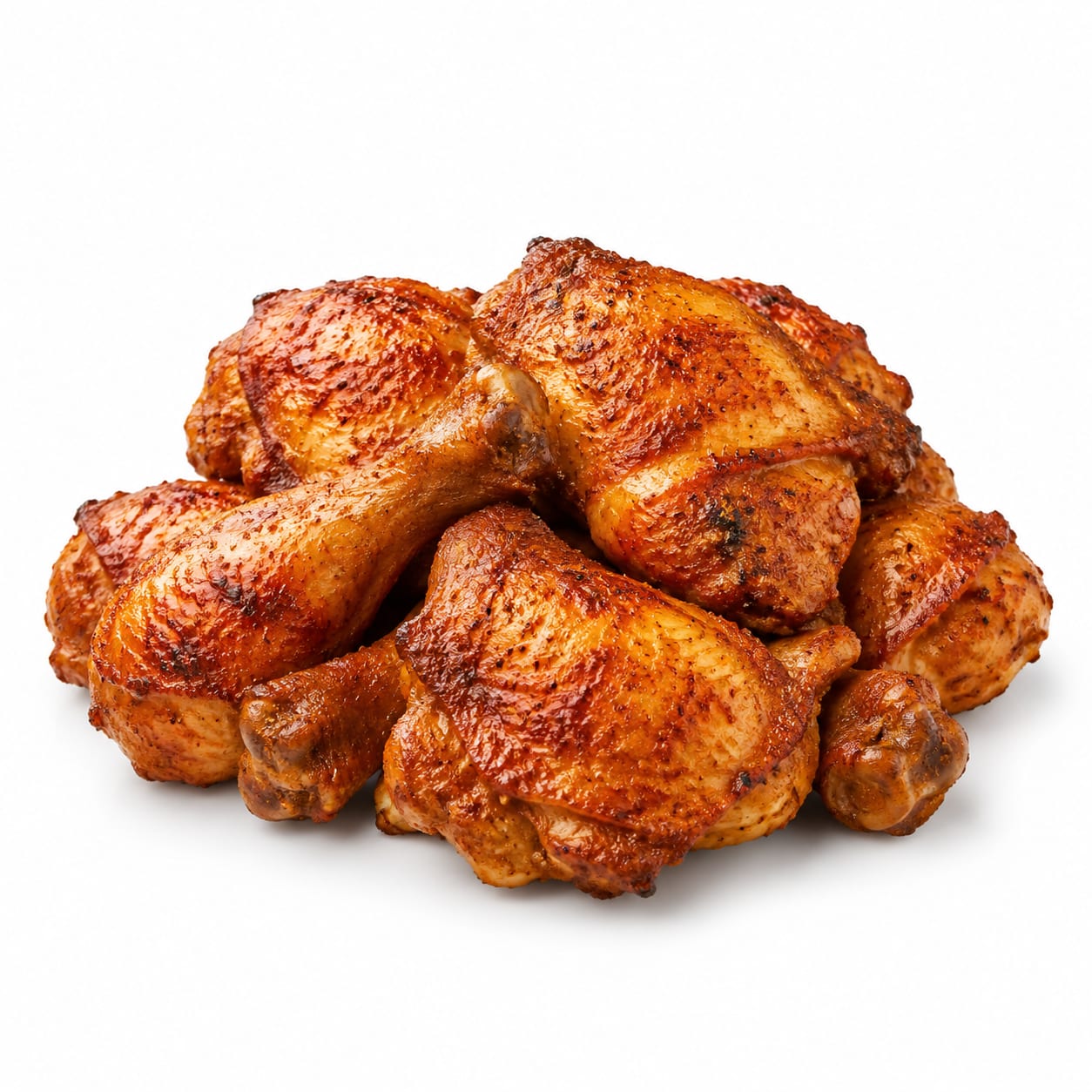
Chicken
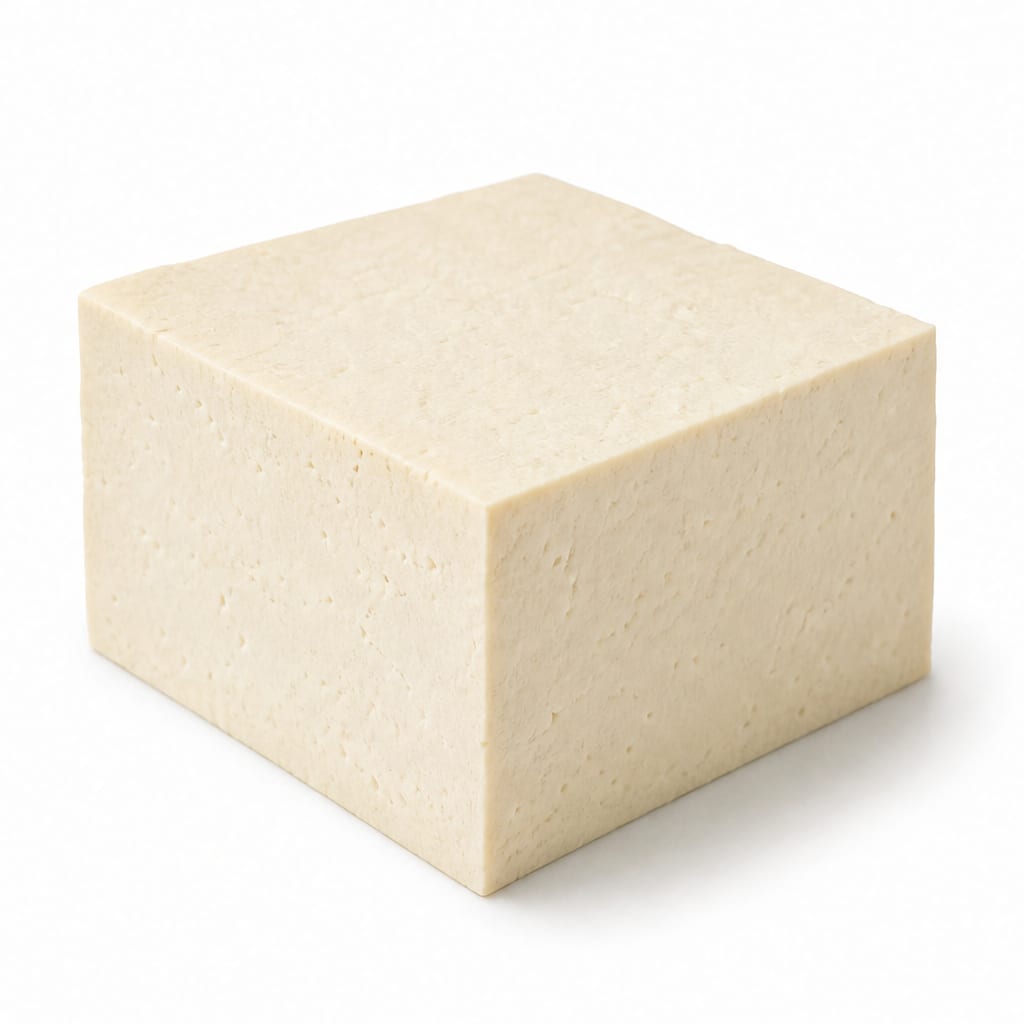
Tofu
Chicken delivers more protein per bite with superior amino acid completeness, while tofu offers zero cholesterol, heart-protective compounds, and a dramatically lower food safety risk.
Chicken scores slightly higher for protein quality and satiety, but tofu closes the gap with heart health advantages, safety benefits, and lower cost. The near-tie reflects that the better choice depends heavily on your health priorities.
Maximum protein density and muscle-building efficiency versus heart health benefits and safer handling with lower environmental impact.
At a glance
Executive summary
Overall
It depends
Healthier
It depends
More practical
Chicken
Daily use
Tofu
Key comparison lenses
animal vs plant protein quality and completeness
The core question most users have: can tofu match chicken for muscle and satiety?
heart health and cholesterol impact
Chicken contains dietary cholesterol; tofu has zero and actively supports heart health
weight loss and body composition
Both are popular lean protein sources for fat loss, but differ in protein density and calorie efficiency
food safety and contamination risk
Chicken carries well-known bacterial risks; tofu has different but lesser safety concerns
environmental and ethical considerations
Many users choosing between these foods factor in sustainability and animal welfare
hormonal effects and soy concerns
Tofu contains phytoestrogens that worry some consumers, requiring clear evidence-based context
Best choice for
Chicken
- Athletes and bodybuilders needing high-quality complete protein
- People prioritizing maximum satiety per calorie
- Those with soy allergies or sensitivities
- Anyone meal-prepping lean protein for the week
- Older adults needing leucine-rich protein to prevent muscle loss
Tofu
- People managing high cholesterol or heart disease risk
- Vegetarians and vegans seeking a versatile protein staple
- Budget-conscious eaters wanting affordable daily protein
- Anyone concerned about foodborne illness from raw meat handling
- Women looking for natural phytoestrogen benefits during menopause
Least suitable for
Chicken
- People with severe poultry allergies
- Those strictly managing dietary cholesterol
- Vegans and vegetarians
- People uncomfortable with raw meat food safety handling
Tofu
- People with soy allergies or intolerances
- Those needing maximum protein per serving in small portions
- Individuals on low-phytoestrogen diets for specific medical conditions
- Pickier eaters sensitive to tofu's texture
Deep comparison
Dimension by dimension
Each lens scores both foods and breaks down who each option suits.
- Dimension 1 · Priority 95Chicken
Protein Quality and Density
Chicken · 92Tofu · 68Chicken provides roughly 31g of complete protein per 100g versus tofu's 8-17g, with a superior amino acid profile especially rich in leucine for muscle growth.
Tradeoff
You get significantly more muscle-building protein per serving from chicken, but tofu still provides all essential amino acids — just in smaller amounts per bite.
Why it matters
If you eat one chicken breast, you hit your protein target fast. With tofu, you may need larger portions or complementary proteins to match it.
Real-world impact
After a workout, a chicken breast refuels muscles efficiently. A comparable tofu serving requires nearly double the volume for the same protein hit.
Chicken
- Post-workout muscle recovery
- High-protein diets with calorie limits
- Older adults combating age-related muscle loss
Better for
- Plant-based or vegan lifestyles
Worse for
Tofu
- Lighter meals where you don't want to feel overly full
- Balanced bowls with multiple protein sources combined
Better for
- Anyone struggling to eat enough protein in small portions
- Competitive athletes with high protein targets
Worse for
- Dimension 2 · Priority 88Tofu
Heart Health and Cholesterol
Chicken · 58Tofu · 90Tofu contains zero cholesterol and provides isoflavones that actively improve arterial flexibility and lower LDL cholesterol. Chicken, while leaner than red meat, still contributes dietary cholesterol.
Tradeoff
Choosing tofu gives your cardiovascular system a measurable advantage, but you sacrifice the higher protein density that chicken provides.
Why it matters
For anyone watching cholesterol numbers or with family history of heart disease, this difference compounds over years of daily eating habits.
Real-world impact
Swapping chicken for tofu a few times per week can meaningfully shift cholesterol panels over months, especially for people already borderline.
Chicken
- Lean diets where red meat is already eliminated and chicken is the upgrade
Better for
- Daily consumption for people with elevated cholesterol
Worse for
Tofu
- Managing high LDL cholesterol
- Reducing cardiovascular disease risk
- Post-menopausal women benefiting from isoflavones
- Anti-inflammatory eating patterns
Better for
- Those told by their doctor to limit phytoestrogen intake
Worse for
- Dimension 3 · Priority 84Chicken
Satiety and Fullness
Chicken · 85Tofu · 70Chicken's higher protein content per calorie makes it more filling and longer-lasting in keeping hunger at bay compared to tofu.
Tradeoff
Chicken keeps you fuller for longer, but tofu's lighter feel can be preferable when you want a satisfying meal without heaviness.
Why it matters
If you're trying to eat less between meals, protein density is your best friend. Chicken wins that battle clearly.
Real-world impact
A chicken lunch typically carries you to dinner without snacking. A tofu lunch may leave you reaching for something by mid-afternoon.
Chicken
- Weight loss through appetite control
- Long gaps between meals
- Preventing late-night snacking
Better for
- People who dislike feeling overly full
Worse for
Tofu
- Light dinners before bed
- Hot weather meals where heavy food feels unappealing
Better for
- Emotional eaters who need strong satiety signals
Worse for
- Dimension 4 · Priority 80Tofu
Food Safety and Contamination Risk
Chicken · 55Tofu · 88Raw chicken is a leading source of salmonella and campylobacter infections, requiring careful handling. Tofu poses minimal bacterial risk, though it can spoil if not refrigerated properly.
Tradeoff
Tofu is dramatically safer to handle and store, while chicken demands strict kitchen hygiene to avoid illness.
Why it matters
The CDC estimates 1 in 25 packages of raw chicken contains harmful bacteria. This is a real, not theoretical, risk for home cooks.
Real-world impact
With chicken, you need dedicated cutting boards, thorough handwashing, and careful temperature control. Tofu simply needs refrigeration and rinsing.
Chicken
- Situations where proper cooking and hygiene are guaranteed
Better for
- Shared kitchens with inconsistent hygiene practices
- Anyone immunocompromised
Worse for
Tofu
- Home cooks worried about cross-contamination
- Camping or travel with limited sanitation
- Households with young children helping in the kitchen
- Meal prep scenarios with extended storage times
Better for
- People who leave perishable food out too long
Worse for
- Dimension 5 · Priority 72Tofu
Environmental Impact and Sustainability
Chicken · 45Tofu · 85Tofu production generates roughly 3x fewer greenhouse gas emissions and uses significantly less water and land than chicken farming.
Tradeoff
Choosing tofu is clearly better for the planet, but chicken remains more resource-efficient than beef or pork.
Why it matters
If sustainability factors into your food decisions, tofu is one of the most eco-friendly protein sources available.
Real-world impact
A week of tofu-based dinners versus chicken-based dinners meaningfully reduces your personal carbon footprint from food.
Chicken
- Diets transitioning away from red meat where chicken is the intermediate step
Better for
- Anyone prioritizing low-impact eating
Worse for
Tofu
- Environmentally conscious eating
- Reducing water footprint
- Sustainable meal planning
Better for
- Regions where soy is imported from deforested areas
Worse for
- Dimension 6 · Priority 68Tofu
Cost and Accessibility
Chicken · 60Tofu · 88Tofu typically costs $1.50-2.50 per pound compared to chicken breast at $3-7 per pound, making it one of the cheapest protein sources available.
Tradeoff
Tofu saves significant money over time, but may require more recipe creativity to keep meals exciting.
Why it matters
For families or individuals on tight budgets, the cost difference compounds to hundreds of dollars per year.
Real-world impact
Feeding a family of four protein at every dinner with tofu instead of chicken can save $15-25 per week on groceries.
Chicken
- Areas where tofu is unavailable or expensive due to low demand
Better for
- Tight grocery budgets
Worse for
Tofu
- Budget meal prep
- Students and young adults with limited food budgets
- Large families needing affordable protein
- Developing daily protein habits that are financially sustainable
Better for
- Rural areas with limited tofu availability
Worse for
- Dimension 7 · Priority 65It depends
Phytoestrogen and Hormonal Considerations
Chicken · 70Tofu · 72Tofu's isoflavones are beneficial for most people — especially for menopausal women — but can concern those with hormone-sensitive conditions. Chicken may contain trace antibiotic or hormone residues depending on sourcing.
Tradeoff
Tofu's phytoestrogens are generally protective but require caution for specific medical conditions. Chicken's hormone risk depends entirely on farming practices.
Why it matters
Fear of soy's hormonal effects is widespread but largely overblown by evidence. Still, individual medical contexts matter.
Real-world impact
Most people eating moderate tofu (3-5 servings per week) experience net hormonal benefits, not problems. Chicken quality varies enormously by brand.
Chicken
- People with hormone-sensitive conditions advised to avoid phytoestrogens
- Those who can source certified organic, antibiotic-free chicken
Better for
- People worried about antibiotic-resistant bacteria from conventional farming
Worse for
Tofu
- Menopausal women experiencing hot flashes
- Women seeking natural hormonal support
- Anyone avoiding potential antibiotic residues in conventional poultry
Better for
- Breast cancer survivors with estrogen-receptor-positive tumors (consult oncologist)
- People on thyroid medication requiring careful soy timing
Worse for
Timeline
Health impact over time
Short-term
Hours to days
Chicken
- Strong satiety and reduced hunger within 1-2 hours due to high protein content
- Steady energy without blood sugar spikes when eaten without carbs
- Risk of digestive discomfort if undercooked or fried in heavy oils
Tofu
- Lighter post-meal feeling with moderate satiety
- Minimal digestive burden for most people, though some experience gas from soy
- Quick and easy to prepare, reducing temptation for processed convenience foods
Long-term
Months to years
Chicken
- Supports muscle maintenance and metabolic health when consumed as lean protein
- Dietary cholesterol contribution may impact heart health if eaten excessively
- Antibiotic exposure risk if consistently choosing conventional over organic poultry
Tofu
- Consistently associated with lower heart disease risk in large population studies
- Isoflavones may reduce menopausal symptoms and support bone density over decades
- Long-term soy consumption linked to lower rates of certain cancers in Asian populations
Risk profile
Safety & processing
Both foods are minimally processed in their basic forms. Plain chicken breast is simply butchered meat. Plain tofu is coagulated soy milk — a traditional process used for centuries. Concerns arise mainly with seasoned, pre-marinated, or fried versions of either food.
Chicken
Salmonella and Campylobacter contamination
highRaw chicken is one of the most common sources of foodborne illness worldwide. Requires strict separation from other foods, thorough handwashing, and cooking to 165°F/74°C.
Antibiotic-resistant bacteria from conventional farming
mediumConventional chicken farming uses antibiotics that can promote resistant bacteria. Choosing organic or antibiotic-free chicken reduces this risk significantly.
Heterocyclic amines from high-heat cooking
lowCharring or grilling chicken at very high temperatures creates compounds linked to cancer risk. Marinating first and avoiding well-done charring mitigates this.
Tofu
Spoilage from improper refrigeration
mediumOnce opened, tofu spoils within 3-5 days if not kept consistently refrigerated. Slimy texture or sour smell indicates it should be discarded.
Pesticide residue from conventional soy farming
lowSoy is a heavily sprayed crop. Choosing organic tofu dramatically reduces pesticide exposure. Most residues are reduced during processing anyway.
GMO soy exposure
lowMost conventional tofu in the US is made from GMO soy. While current evidence shows no health harm, organic or non-GMO verified tofu avoids this concern entirely.
Who wins for whom
Audience fit
Same foods, different winners depending on your goal.
children
It dependsChicken is often more accepted by kids and provides concentrated nutrition for growing bodies. Tofu works well for plant-based families but requires attention to overall protein and iron intake.
daily consumption
TofuTofu's zero cholesterol, heart-protective isoflavones, lower food safety risk, and affordability make it more sustainable as a daily staple without accumulating health concerns.
diabetes
It dependsBoth foods have minimal impact on blood sugar. Chicken edges ahead for satiety, but tofu's cardiovascular benefits are especially valuable since diabetes increases heart disease risk.
elderly
ChickenOlder adults need leucine-rich, highly bioavailable protein to combat sarcopenia. Chicken delivers this more efficiently per serving than tofu.
muscle gain
ChickenChicken provides more complete protein with higher leucine content per serving, which is the primary amino acid trigger for muscle protein synthesis.
weight loss
ChickenChicken's higher protein density per calorie creates stronger satiety signals, making it easier to maintain a calorie deficit without feeling deprived between meals.
Your move
Decision guide
Choose Chicken
- You're actively building muscle or recovering from intense training
- Satiety is your top priority for weight management
- You have a soy allergy or sensitivity
- You want the most protein-efficient food per calorie
- You're meal-prepping lean protein for an active lifestyle
Choose Tofu
- Heart health or cholesterol management is a priority
- You want a safer, lower-risk protein to handle and store
- Budget is a significant factor in your food choices
- You eat plant-based or want to reduce animal product consumption
- You're looking for a versatile protein that absorbs flavors easily
- Sustainability and environmental impact matter to you
Either works if
- You're building balanced bowls with varied protein sources throughout the week
- Both foods fit your calorie and macro targets
- You enjoy cooking and want variety in your meal rotation
Avoid both if
- You have both poultry and soy allergies
- You only eat processed, fried, or heavily breaded versions of either food
- Your diet consists exclusively of one protein source without variety
Final recommendation
The smartest approach is rotation: eat chicken when you need maximum protein density and satiety, and tofu when you want heart health benefits, lower cost, and easier prep. Most people thrive on 2-3 servings of each per week rather than choosing one exclusively. If you must pick just one for daily use, tofu's long-term cardiovascular and safety advantages give it the edge — but active individuals and athletes will feel the difference in performance and fullness from chicken.
Practical
Consumer tips
- 1
Press tofu for 15-20 minutes before cooking to remove excess water — this dramatically improves texture and browning
- 2
Marinate tofu in soy sauce, garlic, and cornstarch before pan-frying for a crispy exterior that rivals chicken
- 3
Choose organic chicken when possible to avoid antibiotic residues and reduce bacterial contamination risk
- 4
Freeze tofu once before using to create a chewier, more meat-like texture that absorbs marinades better
- 5
Always use a separate cutting board for raw chicken and sanitize surfaces immediately after
- 6
Buy firm or extra-firm tofu for stir-fries and grilling; save silken tofu for smoothies and desserts
- 7
Check chicken packaging for 'air-chilled' labeling — it tends to be higher quality and less waterlogged
- 8
Season tofu generously — it absorbs flavor like a sponge but tastes bland without proper seasoning