
Nutrition comparison
Chicken vs Shrimp: Which Protein Is Better for Your Health Goals?
Compare chicken and shrimp nutrition, calories, protein, cholesterol, omega-3s, and safety. Find out which lean protein fits your diet, budget, and lifestyle better.
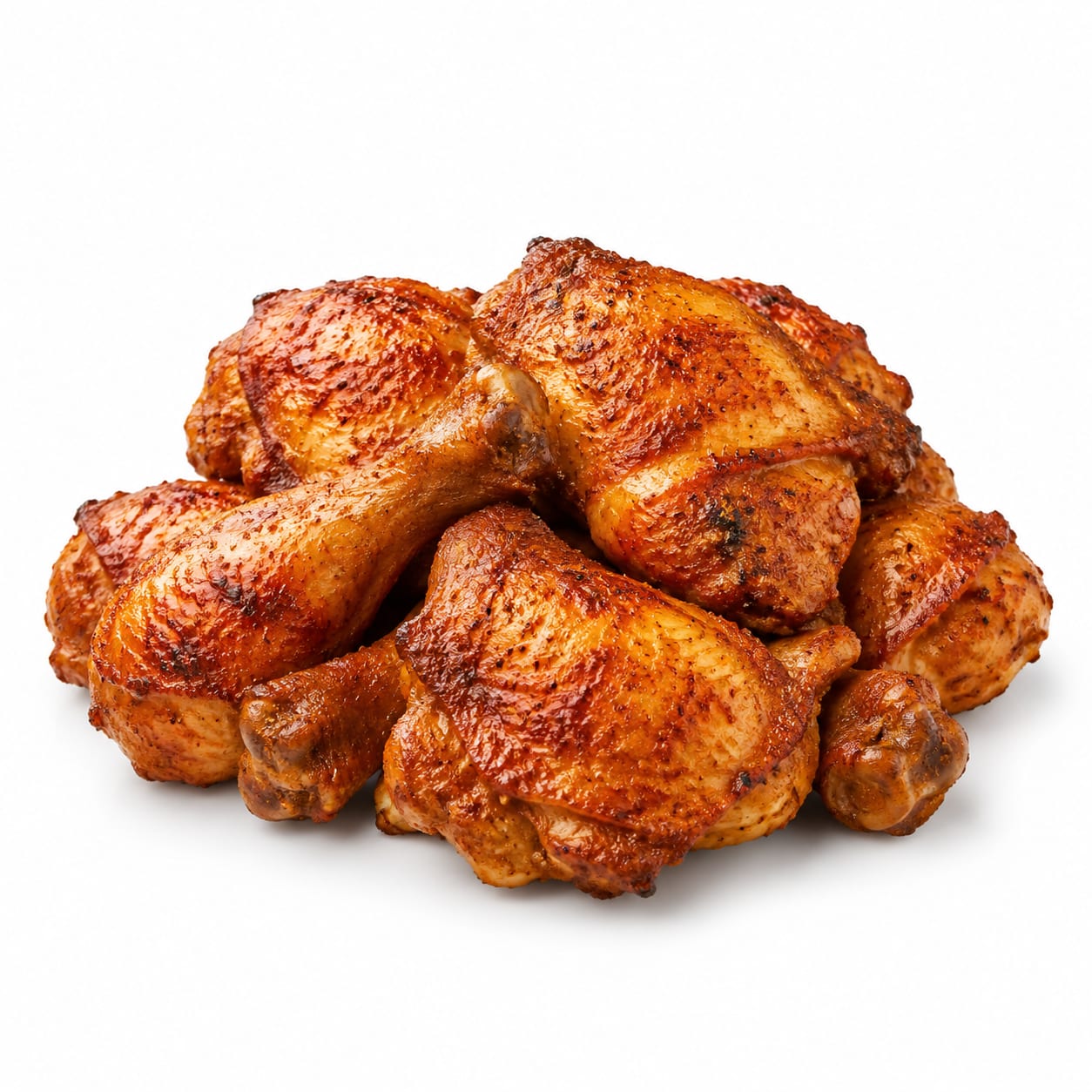
Chicken
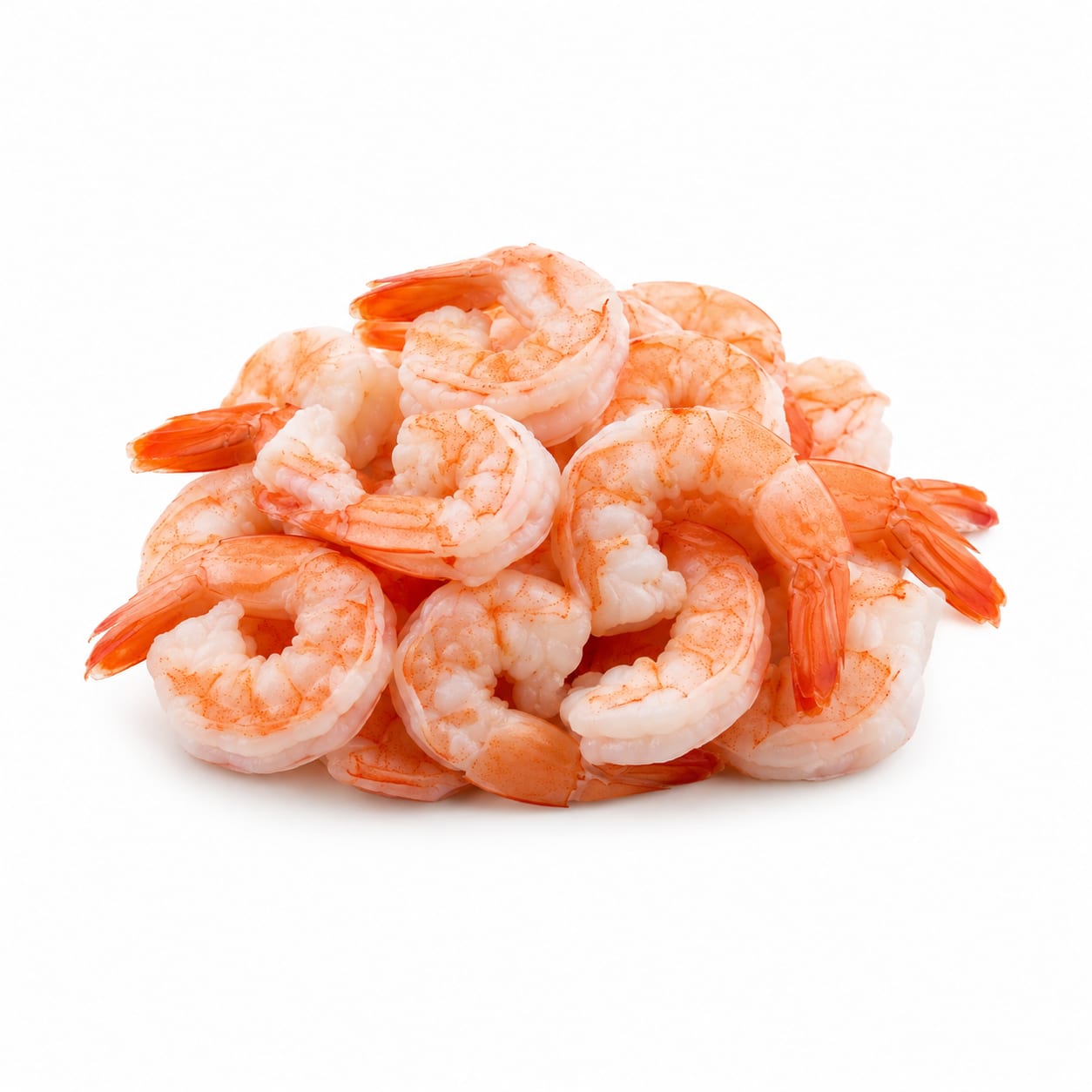
Shrimp
Chicken wins on affordability, versatility, and daily practicality. Shrimp wins on calorie density and omega-3 content. Your pick depends on budget, heart health priorities, and how often you eat seafood.
Chicken scores higher mainly on practicality, cost, and daily sustainability. Shrimp is nutritionally competitive and excels in calorie efficiency but loses ground on affordability, allergy risk, and cholesterol concerns that limit everyday use.
Shrimp gives you leaner protein with heart-healthy omega-3s but costs more and carries cholesterol and allergy concerns. Chicken is cheaper, more filling, and easier to eat daily but lacks marine nutrients.
At a glance
Executive summary
Overall
It depends
Healthier
It depends
More practical
Chicken
Daily use
Chicken
Key comparison lenses
protein source selection for meals
Both are high-protein lean meats often swapped in meal prep
heart health and cholesterol management
Shrimp's cholesterol content versus chicken's saturated fat is a classic dietary concern
calorie efficiency for weight management
Shrimp delivers more protein per calorie, making it attractive for calorie-conscious eaters
food safety and contamination worries
Salmonella in chicken and farm-raised shrimp antibiotic concerns both weigh on consumers
budget and everyday practicality
Chicken is far more affordable and accessible for regular consumption
Best choice for
Chicken
- Budget-conscious households needing reliable daily protein
- Meal preppers who cook in bulk for the week
- Families with shellfish allergies in the household
- Anyone needing hearty, filling portions without high cost
Shrimp
- Calorie-counters wanting maximum protein per calorie
- People seeking omega-3s who dislike fish
- Low-carb dieters wanting variety beyond poultry
- Occasional indulgence diners at restaurants
Least suitable for
Chicken
- People strictly limiting saturated fat intake
- Those seeking marine-sourced omega-3s
- Pescatarians avoiding land animal meat
Shrimp
- Anyone with shellfish allergies
- Households on tight grocery budgets
- People worried about dietary cholesterol
- Those avoiding farm-raised seafood concerns
Deep comparison
Dimension by dimension
Each lens scores both foods and breaks down who each option suits.
- Dimension 1 · Priority 95Chicken
Protein Quality & Quantity
Chicken · 85Shrimp · 78Chicken delivers more total protein per serving at a lower price, making it the workhorse protein source.
Tradeoff
Shrimp protein is slightly less per serving and costs significantly more, but both are complete proteins with all essential amino acids.
Why it matters
For hitting daily protein targets consistently without breaking the bank, chicken is simply more realistic.
Real-world impact
A 6oz chicken breast gives you roughly 52g of protein for about $2. The same protein from shrimp would cost $8-12.
Chicken
- Meeting high protein goals on a budget
- Bodybuilders and athletes eating multiple protein servings daily
- Large families needing affordable protein at scale
Better for
- Portion control — easy to overeat large chicken servings
Worse for
Shrimp
- Lighter meals where you want some protein without feeling stuffed
- Appetizer or tapas-style eating
Better for
- Getting enough protein affordably on shrimp alone is unrealistic
Worse for
- Dimension 2 · Priority 88Shrimp
Calorie Efficiency
Chicken · 72Shrimp · 90Shrimp is one of the lowest-calorie protein sources available, with roughly 85 calories per 3oz versus 128 for chicken breast.
Tradeoff
Fewer calories means less satiety per serving. You may feel hungrier sooner after eating shrimp compared to chicken.
Why it matters
If you're cutting calories for weight loss, shrimp lets you eat a satisfying portion while staying well under your daily target.
Real-world impact
A shrimp-based dinner can save you 100-200 calories compared to the same-sized chicken meal — meaningful over a week of deficit eating.
Chicken
- Staying full longer between meals without snacking
- People who prefer fewer, larger meals
Better for
- Calorie-dense if you eat chicken with skin or thighs
Worse for
Shrimp
- Strict calorie counters and weight loss phases
- Grazers who prefer smaller, lighter meals throughout the day
Better for
- May leave you reaching for snacks an hour later
Worse for
- Dimension 3 · Priority 85It depends
Heart Health & Cholesterol
Chicken · 70Shrimp · 68Chicken has more saturated fat but less dietary cholesterol. Shrimp has almost no saturated fat but packs 166mg cholesterol per 3oz serving.
Tradeoff
Current research suggests dietary cholesterol matters less than saturated fat for most people, but shrimp's cholesterol can still concern those with existing lipid issues.
Why it matters
If your doctor has flagged your cholesterol numbers, this distinction directly affects your meal planning.
Real-world impact
For most healthy people, eating shrimp a few times weekly won't move the needle on blood cholesterol. But if you're already managing high LDL, chicken breast may be the safer regular choice.
Chicken
- People with diagnosed high LDL cholesterol
- Those following heart-healthy diets that limit cholesterol
- Anyone eating protein 2+ times daily who needs a safe default
Better for
- Chicken thighs and skin-on cuts are surprisingly high in saturated fat
Worse for
Shrimp
- People whose main heart concern is saturated fat, not cholesterol
- Those eating shrimp occasionally rather than daily
Better for
- A single shrimp serving hits over half your daily cholesterol limit
Worse for
- Dimension 4 · Priority 75Shrimp
Omega-3 & Anti-Inflammatory Nutrients
Chicken · 30Shrimp · 72Shrimp contains meaningful omega-3 fatty acids and astaxanthin, a powerful antioxidant. Chicken has negligible amounts of both.
Tradeoff
Shrimp's omega-3 content is still far below fatty fish like salmon, so it shouldn't be your only marine nutrient source.
Why it matters
If you don't eat fatty fish regularly, shrimp at least provides some marine omega-3s and anti-inflammatory compounds chicken simply cannot offer.
Real-world impact
Eating shrimp twice a week gives you a modest omega-3 boost — helpful but not enough to replace salmon or sardines.
Chicken
- No real advantage here — chicken is essentially omega-3 neutral
Better for
- Relies entirely on other foods for omega-3 intake
Worse for
Shrimp
- People who dislike fish but want some marine-sourced omega-3s
- Anti-inflammatory eating patterns
- Anyone seeking dietary antioxidant variety
Better for
- Still insufficient as a primary omega-3 source
Worse for
- Dimension 5 · Priority 78It depends
Food Safety & Contamination
Chicken · 60Shrimp · 62Chicken carries salmonella risk requiring careful handling. Shrimp faces farm-raised antibiotic concerns and shellfish allergy danger.
Tradeoff
Both have real but different safety profiles. Chicken's risk is infection-based; shrimp's risk is more about contamination and allergy.
Why it matters
How you cook and where you source matters more for chicken. For shrimp, where it was farmed or caught is the bigger question.
Real-world impact
Undercooked chicken can cause acute food poisoning. Farm-raised imported shrimp may carry antibiotic residues that accumulate over time. Both require informed sourcing.
Chicken
- No anaphylaxis risk — shellfish allergies are among the most severe
- Easier to verify safe cooking with a meat thermometer
Better for
- Salmonella is common enough that the CDC considers it a major public health issue
- Cross-contamination risk in home kitchens is real
Worse for
Shrimp
- No salmonella risk with proper cooking
- Wild-caught shrimp avoids most farm contamination issues
Better for
- Shellfish allergies can be life-threatening
- Imported farm-raised shrimp may contain antibiotic residues and microplastics
Worse for
- Dimension 6 · Priority 80Chicken
Cost & Everyday Practicality
Chicken · 92Shrimp · 45Chicken is one of the most affordable animal proteins globally. Shrimp is 3-6x more expensive per pound on average.
Tradeoff
Shrimp's premium price limits how often most people can realistically eat it. Chicken can be eaten daily without financial strain.
Why it matters
Nutrition only works if you can sustain it. The best protein source is the one you can afford to eat consistently.
Real-world impact
A week of chicken-based dinners might cost $15-20. The same week with shrimp could run $40-60. That gap matters for most households.
Chicken
- Weekly meal prep on a budget
- Large families
- Students and young adults with limited grocery money
Better for
- Can feel monotonous if you eat it every day without recipe variety
Worse for
Shrimp
- Special occasion meals where cost is less important
- Restaurant dining where someone else is cooking
Better for
- Simply not viable as a daily protein source for most budgets
Worse for
Timeline
Health impact over time
Short-term
Hours to days
Chicken
- High satiety from protein and volume helps control hunger for hours
- Risk of food poisoning if undercooked or cross-contaminated
- Heavier meals may cause post-meal sluggishness with large portions
Shrimp
- Very light feeling after eating — good for warm weather or small meals
- Allergic reactions possible even with trace exposure in sensitive individuals
- Quick digestion may lead to faster return of hunger
Long-term
Months to years
Chicken
- Consistent lean protein intake supports muscle maintenance and metabolic health
- Regular consumption of skin-on or dark meat cuts may raise saturated fat intake over years
- Risk of antibiotic exposure from conventionally raised chicken accumulates subtly
Shrimp
- Periodic omega-3 and astaxanthin intake supports cardiovascular and anti-inflammatory health
- Frequent consumption of farm-raised imported shrimp may contribute to antibiotic and heavy metal exposure
- Dietary cholesterol from regular large portions may affect lipid panels in susceptible individuals
Risk profile
Safety & processing
Both are whole, minimally processed foods in their raw form. However, shrimp — especially pre-cooked, frozen, or imported — is more likely to be treated with sodium tripolyphosphate or other preservatives to retain moisture and appearance. Raw chicken typically has fewer post-processing additives, though plumping solutions exist in some packaged chicken.
Chicken
Salmonella contamination
highRaw chicken is a leading carrier of salmonella. Safe handling, avoiding cross-contamination, and cooking to 165°F are essential.
Antibiotic residues in conventionally raised chicken
mediumNon-organic chicken may contain trace antibiotic residues. Choosing organic or antibiotic-free reduces this concern.
Plumping solutions in packaged chicken
lowSome chicken is injected with saline solution, adding sodium. Check labels for 'enhanced' or 'contains up to X% solution'.
Shrimp
Shellfish allergy
highShellfish allergies affect roughly 2% of adults and can cause severe anaphylaxis. Even airborne particles during cooking can trigger reactions.
Antibiotic and chemical residues in farm-raised shrimp
mediumImported farm-raised shrimp, especially from certain regions, may contain antibiotic residues and chemical washes not approved in the US or EU.
Microplastics and heavy metals
lowShrimp can accumulate microplastics and trace heavy metals from ocean or farm environments. Wild-caught from clean waters minimizes this.
Who wins for whom
Audience fit
Same foods, different winners depending on your goal.
children
ChickenChicken is safer for children due to no shellfish allergy risk, is more affordable for growing appetites, and is more familiar and accepted by picky eaters.
daily consumption
ChickenChicken's affordability, lower allergy risk, and versatility make it the more sustainable daily protein choice for most people.
diabetes
It dependsBoth are zero-carb protein sources that won't spike blood sugar. Chicken offers more sustained satiety, while shrimp is lighter. Choose based on personal cholesterol concerns.
elderly
ShrimpShrimp is easier to chew and digest, and its omega-3 content supports cardiovascular and cognitive health in aging populations — assuming no shellfish allergy.
muscle gain
ChickenChicken provides more total protein per serving and per dollar, making it far more practical for the high protein intakes required for muscle building.
weight loss
ShrimpShrimp's extremely low calorie-to-protein ratio makes it easier to maintain a calorie deficit while still getting adequate protein.
Your move
Decision guide
Choose Chicken
- You need affordable, reliable protein you can eat every day
- Someone in your household has a shellfish allergy
- You're meal prepping in bulk for the week
- Your doctor has advised limiting dietary cholesterol
- You're feeding a family on a budget
Choose Shrimp
- You're actively cutting calories and want maximum protein per calorie
- You want marine omega-3s but dislike fish
- It's a special occasion or restaurant meal
- You prefer lighter, less filling protein options
- You're an older adult who benefits from easier-to-chew protein
Either works if
- You're eating low-carb and need variety in protein sources
- Both fit your budget and you want to rotate for nutritional diversity
- You have no allergies, cholesterol issues, or budget constraints
Avoid both if
- You're following a strict plant-based diet
- You have both poultry and shellfish sensitivities
- Your doctor has recommended reducing all animal protein intake
Final recommendation
Eat chicken as your everyday protein staple — it's affordable, versatile, and reliable. Add shrimp once or twice a week for omega-3s, calorie efficiency, and meal variety. This combination gives you the best of both without over-relying on either. If budget forces a choice, chicken wins for sustainability. If heart health and lightness matter more, shrimp earns its place more often.
Practical
Consumer tips
- 1
Buy organic or antibiotic-free chicken to reduce residue exposure — it's worth the small premium
- 2
Choose wild-caught shrimp when possible to avoid farm antibiotic concerns
- 3
Freeze chicken portions individually so you only thaw what you need — reduces waste and food safety risk
- 4
Thaw frozen shrimp in the fridge overnight, not on the counter, to prevent bacterial growth
- 5
Use a meat thermometer for chicken — 165°F internal temperature eliminates salmonella risk
- 6
Check shrimp labels for sodium tripolyphosphate — it adds sodium and alters texture
- 7
Marinate chicken in acidic marinades (lemon, yogurt) to improve tenderness without adding fat
- 8
Don't skip shrimp just because of cholesterol — current evidence suggests saturated fat matters more for most people
- 9
Rotate between chicken, shrimp, fish, and plant proteins for the broadest nutrient intake