
Nutrition comparison
Chicken vs Salmon: Which is Healthier for You?
Compare chicken and salmon to see which protein is best for weight loss, heart health, and your budget. Learn the nutritional tradeoffs.

Chicken
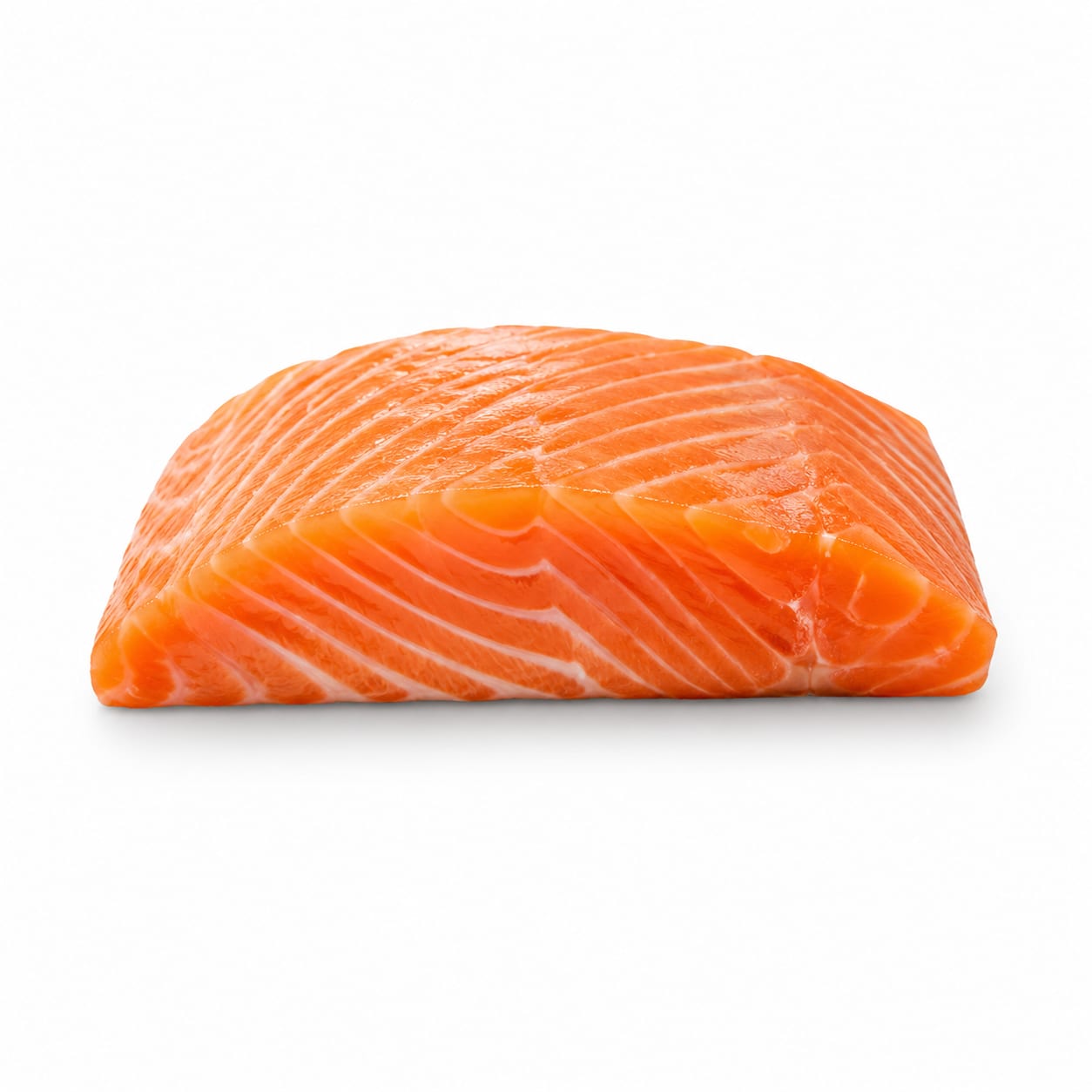
Salmon
Salmon is a nutritional powerhouse for the brain and heart, while chicken is the lean, budget-friendly protein workhorse.
Salmon edges out chicken due to its unmatched omega-3 content and fat-soluble vitamin profile, but chicken remains a top-tier lean protein that is far more accessible for daily use.
Omega-3s and healthy fats versus lower calories and lower cost.
At a glance
Executive summary
Overall
It depends
Healthier
Salmon
More practical
Chicken
Daily use
Chicken
Key comparison lenses
Heart health and omega-3 intake
Salmon is uniquely rich in omega-3s, which is the primary reason people choose it over other proteins.
Lean protein for weight management
Chicken breast is the gold standard for low-calorie, high-protein diets.
Contaminant and safety exposure
Users often worry about mercury in fish versus antibiotics in poultry.
Budget and everyday practicality
Chicken is far more affordable for daily consumption than salmon.
Best choice for
Chicken
- Budget-conscious meal preppers
- People cutting calories while keeping protein high
- Families needing versatile everyday protein
Salmon
- People prioritizing heart and brain health
- Those needing anti-inflammatory omega-3s
- Keto or low-carb dieters wanting healthy fats
Least suitable for
Chicken
- Those needing omega-3s from their protein source
- People strictly limiting saturated fat if eating dark meat with skin
Salmon
- People on tight grocery budgets
- Those concerned about heavy metal exposure from frequent fish consumption
Deep comparison
Dimension by dimension
Each lens scores both foods and breaks down who each option suits.
- Dimension 1 · Priority 95Salmon
Heart & Brain Nutrition
Chicken · 40Salmon · 98Salmon is loaded with omega-3 fatty acids that chicken simply lacks.
Tradeoff
You get brain and heart-boosting fats with salmon, but take in more total calories.
Why it matters
Omega-3s are essential for reducing inflammation and cognitive function, and most people do not get enough.
Real-world impact
Eating salmon twice a week can noticeably improve mood and long-term heart health markers.
Chicken
- Low-fat diet followers
Better for
- Omega-3 intake
Worse for
Salmon
- Cardiovascular health
- Cognitive support
- Anti-inflammatory needs
Better for
- Strict calorie restriction
Worse for
- Dimension 2 · Priority 90Chicken
Lean Protein & Body Composition
Chicken · 95Salmon · 75Chicken breast offers more protein with fewer calories and less fat than salmon.
Tradeoff
Chicken is better for strict macro tracking and cutting, but lacks the healthy fats that support hormones.
Why it matters
High protein with low calories is the gold standard for fat loss and muscle retention.
Real-world impact
A chicken breast keeps you full on fewer calories, making it easier to stick to a weight loss plan.
Chicken
- Fat loss phases
- Lean muscle building
- Macro precision
Better for
- Fat-soluble vitamin absorption
Worse for
Salmon
- Hormonal balance
- Sustained satiety from fats
Better for
- Calorie-dense meals
Worse for
- Dimension 3 · Priority 80It depends
Contaminant & Safety Profile
Chicken · 70Salmon · 70Chicken carries antibiotic and salmonella risks, while farmed salmon has PCB and heavy metal concerns.
Tradeoff
Choosing between poultry bacteria risks and fish heavy metal risks depends heavily on sourcing.
Why it matters
Long-term accumulation of contaminants can undermine the health benefits of these proteins.
Real-world impact
Proper cooking eliminates chicken bacteria, but mercury in salmon builds up over time if eaten daily.
Chicken
- Avoiding mercury exposure
Better for
- Foodborne illness risk if undercooked
Worse for
Salmon
- Avoiding poultry antibiotic exposure
Better for
- Heavy metal accumulation with overconsumption
Worse for
- Dimension 4 · Priority 75Chicken
Budget & Everyday Practicality
Chicken · 95Salmon · 50Chicken is significantly cheaper and easier to find in bulk for meal prep.
Tradeoff
You save money and time with chicken, but miss out on the unique nutritional profile of salmon.
Why it matters
Consistency in healthy eating often comes down to affordability and convenience.
Real-world impact
Grilling chicken for the week is cheap and easy; doing the same with salmon is expensive and can cause omega-3 overconsumption.
Chicken
- Weekly meal prep
- Large families
- Tight budgets
Better for
- Dietary fat variety
Worse for
Salmon
- Special occasion dining
- Twice-weekly health boosts
Better for
- Cost-prohibitive daily eating
Worse for
Timeline
Health impact over time
Short-term
Hours to days
Chicken
- Quick, lean energy
- High satiety without feeling heavy
- Risk of dryness if overcooked
Salmon
- Deep satisfaction from healthy fats
- Steadier energy levels
- Can feel heavy if eaten in large portions
Long-term
Months to years
Chicken
- Excellent muscle maintenance
- Lower risk of calorie surplus
- Possible nutrient gaps if fats are avoided entirely
Salmon
- Stronger cardiovascular protection
- Better cognitive aging
- Risk of heavy metal accumulation if eaten too frequently
Risk profile
Safety & processing
Both are whole foods, but watch out for sodium-plumped chicken breasts and artificial dyes in farmed salmon.
Chicken
Salmonella contamination
mediumRaw chicken requires strict kitchen hygiene to avoid cross-contamination.
Antibiotic residues
mediumConventional farming may use antibiotics, though regulations are tightening.
Salmon
Mercury and heavy metals
mediumLarger salmon can accumulate mercury; wild generally has less than farmed, but both are moderate risk if eaten daily.
PCBs in farmed salmon
mediumFarmed salmon can have higher levels of industrial pollutants compared to wild-caught.
Who wins for whom
Audience fit
Same foods, different winners depending on your goal.
children
It dependsSalmon offers brain-developing omega-3s, but chicken is safer regarding heavy metal exposure for growing kids; rotate both.
daily consumption
ChickenLower cost and lower heavy metal risk make chicken safer and more practical to eat every day.
diabetes
SalmonThe omega-3s in salmon improve insulin sensitivity and reduce inflammation, which is crucial for diabetes management.
elderly
SalmonOmega-3s protect against cognitive decline and joint inflammation, which are common concerns in older age.
muscle gain
ChickenHigher protein density per calorie makes hitting daily protein targets easier and cheaper.
weight loss
ChickenChicken breast provides maximum protein with minimum calories, making it easier to sustain a calorie deficit.
Your move
Decision guide
Choose Chicken
- You meal prep on a budget.
- You are cutting calories and need high protein.
- You eat animal protein almost every day and worry about heavy metals.
Choose Salmon
- You want to boost heart and brain health.
- You don't eat enough omega-3s from other sources.
- You follow a keto or low-carb diet and need healthy fats.
Either works if
- You just need a high-quality protein source after a workout.
- You are building a balanced weekly menu.
Avoid both if
- You follow a strict vegan or plant-based diet.
- You have severe allergies to poultry or fish.
Final recommendation
Eat salmon 1-2 times a week for omega-3s and rely on chicken the rest of the week for lean, budget-friendly protein. It is not about choosing a winner, but using each for its strengths.
Practical
Consumer tips
- 1
Buy wild-caught salmon when possible to avoid PCBs and artificial dyes found in some farmed varieties.
- 2
Check chicken labels for 'no added sodium broth' to avoid hidden salt.
- 3
Freeze fresh salmon if you don't eat it within a day to preserve the delicate omega-3 fats.
- 4
Use a meat thermometer for chicken to ensure it hits 165°F without drying out.