
Nutrition comparison
Chicken vs Pork Tenderloin: Which Lean Protein Is Better for You?
Compare Chicken and Pork Tenderloin nutrition, protein, fat, vitamins, and safety. Find out which lean protein fits your goals for weight loss, muscle gain, or daily meals.
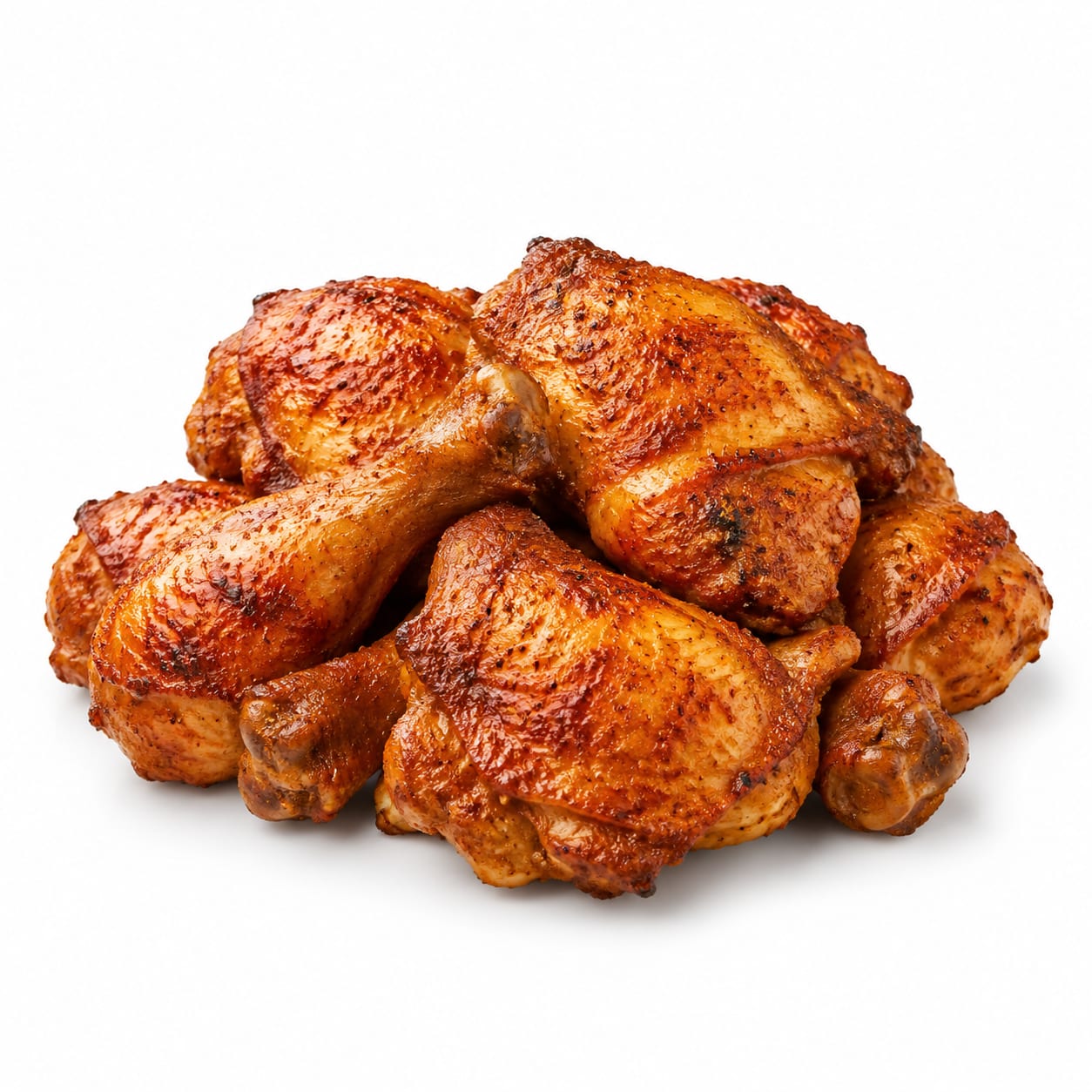
Chicken
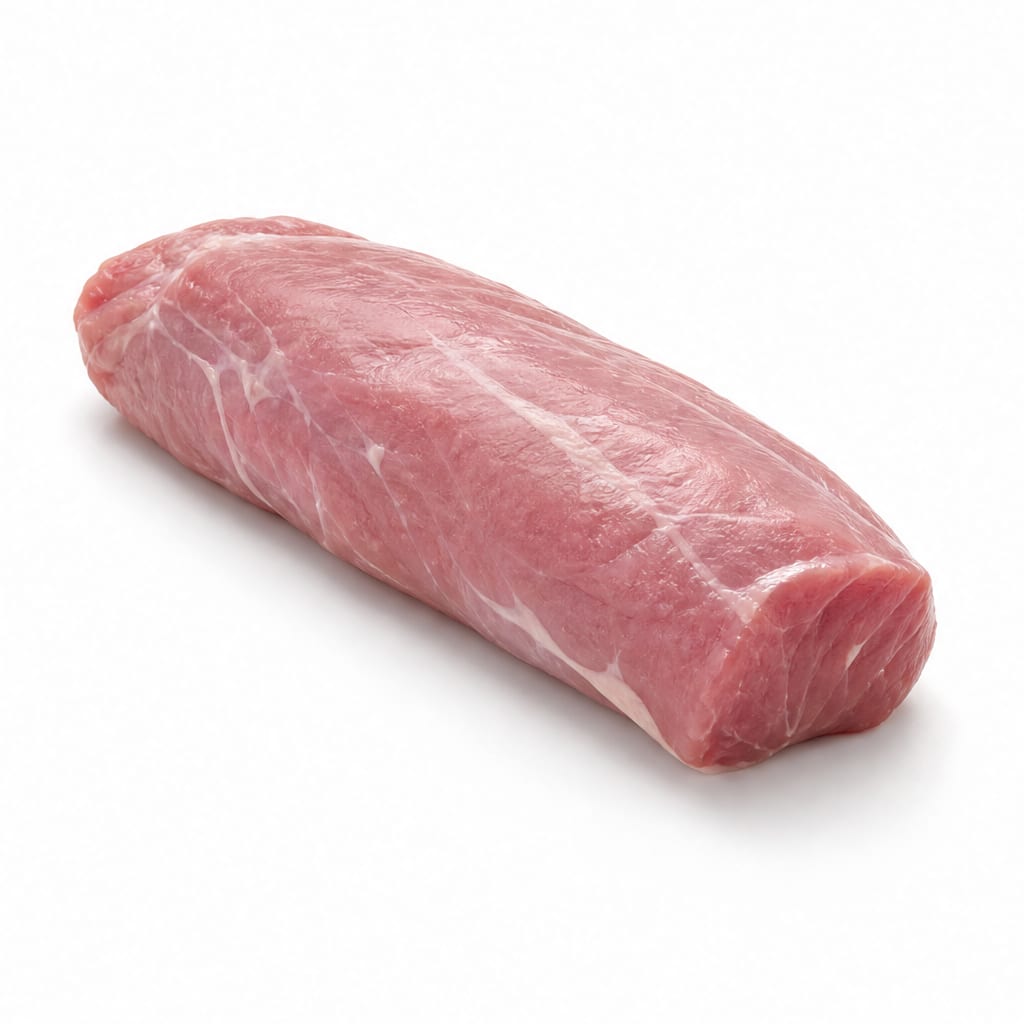
Pork Tenderloin
Chicken and Pork Tenderloin are both excellent lean proteins with surprisingly similar calorie and fat profiles. Chicken wins on versatility and safety, while Pork Tenderloin wins on micronutrients and flavor variety.
Chicken scores slightly higher due to broader practical advantages: safer handling, lower cost, and near-universal recipe compatibility. Pork Tenderloin is nutritionally competitive and even superior in some micronutrients, but its narrower culinary role and higher cooking vigilance needed keep it just behind.
Chicken offers safer handling and broader recipe compatibility, but Pork Tenderloin delivers more B vitamins (especially thiamin), more zinc, and a richer flavor that breaks up chicken fatigue.
At a glance
Executive summary
Overall
It depends
Healthier
It depends
More practical
Chicken
Daily use
Chicken
Key comparison lenses
lean protein source selection
Both are top-tier lean proteins, so users are likely deciding which to prioritize for meal prep or daily eating
nutrient density comparison
Pork tenderloin offers significantly more B vitamins and minerals, while chicken has slightly better fat profile
food safety and cooking confidence
Chicken carries higher salmonella risk and requires stricter handling, which affects everyday cooking decisions
dietary variety and meal fatigue
Many people default to chicken and wonder if pork tenderloin is a valid alternative to avoid meal boredom
budget and accessibility
Chicken is generally more affordable and widely available, affecting weekly grocery planning
Best choice for
Chicken
- People who meal prep in bulk and want maximum recipe flexibility
- Households with young children where food safety is a top priority
- Anyone eating lean protein multiple times daily who needs variety in cooking methods
- Budget-conscious shoppers looking for consistent low prices
Pork Tenderloin
- People tired of eating chicken every day who want a lean alternative
- Anyone needing more B vitamins, zinc, or iron in their diet
- Home cooks wanting richer flavor without adding fat
- Those following nutrient-dense eating approaches like paleo or whole30
Least suitable for
Chicken
- People with chicken allergies or egg-chicken cross-reactivity
- Anyone experiencing palate fatigue from eating chicken too often
- Those seeking higher thiamin intake from dietary sources
Pork Tenderloin
- People who avoid pork for religious or cultural reasons
- Households uncomfortable with safe pork cooking temperatures
- Anyone in areas where pork tenderloin is expensive or hard to find
Deep comparison
Dimension by dimension
Each lens scores both foods and breaks down who each option suits.
- Dimension 1 · Priority 95Chicken
Protein Quality and Quantity
Chicken · 88Pork Tenderloin · 85Chicken provides slightly more protein per calorie, but both deliver excellent complete protein with all essential amino acids.
Tradeoff
Chicken breast edges out Pork Tenderloin by about 2-3g protein per 100g serving, but the difference is small enough that both serve muscle-building goals effectively.
Why it matters
For most people eating adequate protein, this gap is negligible. It only matters at the extremes of bodybuilding or aggressive calorie restriction.
Real-world impact
After a workout, either option will support recovery well. You would not notice the small protein difference in real life.
Chicken
- Maximum protein per calorie during cutting phases
- Bodybuilders tracking macros precisely
Better for
- Can feel dry and unappealing without proper cooking technique
Worse for
Pork Tenderloin
- People who find chicken dry and eat less protein as a result
- Anyone wanting protein with more micronutrient baggage
Better for
- Slightly less protein-dense per calorie
Worse for
- Dimension 2 · Priority 90Pork Tenderloin
Micronutrient Density
Chicken · 65Pork Tenderloin · 88Pork Tenderloin is dramatically richer in thiamin (B1), provides more zinc, selenium, and iron than chicken, making it the clear micronutrient winner.
Tradeoff
You gain significantly more B vitamins and minerals with Pork Tenderloin, especially thiamin which chicken contains very little of. This matters more than most people realize for energy metabolism.
Why it matters
Thiamin deficiency causes fatigue and brain fog even at subclinical levels. Pork is one of the best dietary sources, while chicken is surprisingly poor in this vitamin.
Real-world impact
If you eat chicken as your only lean protein, you may be missing out on thiamin. Swapping in Pork Tenderloin a few times per week fills that gap noticeably, especially for energy levels.
Chicken
- Niacin content, which supports skin and nerve health
Better for
- Very low in thiamin compared to pork
- Less mineral-dense overall
Worse for
Pork Tenderloin
- Thiamin for energy metabolism and mental clarity
- Zinc for immune function and wound healing
- Selenium for thyroid and antioxidant defense
- Iron for oxygen transport and reducing fatigue
Better for
- Not a meaningful disadvantage here
Worse for
- Dimension 3 · Priority 85Chicken
Fat Profile and Heart Health
Chicken · 82Pork Tenderloin · 75Chicken has slightly less total fat and saturated fat than Pork Tenderloin, though both are considered lean. The difference is small but consistent.
Tradeoff
Pork Tenderloin has marginally more saturated fat, which concerns some heart-health-conscious eaters. However, the absolute amounts are low enough that both fit comfortably in heart-healthy diets.
Why it matters
For someone eating lean protein 2-3 times daily, small fat differences accumulate. But for most people, the saturated fat gap here is clinically insignificant.
Real-world impact
If your doctor told you to limit saturated fat, chicken is the safer daily default. But eating Pork Tenderloin a few times weekly will not meaningfully impact heart health markers.
Chicken
- Slightly lower saturated fat for heart-conscious eaters
- Better fat profile for daily consumption at high frequency
Better for
- Not a meaningful disadvantage here
Worse for
Pork Tenderloin
- Still well within lean protein thresholds at under 4g fat per serving
Better for
- Slightly higher saturated fat may concern strict heart-health protocols
- More variable fat content depending on trimming
Worse for
- Dimension 4 · Priority 80Pork Tenderloin
Food Safety and Cooking Confidence
Chicken · 60Pork Tenderloin · 78Chicken carries significantly higher risk of salmonella contamination and requires stricter handling. Pork Tenderloin has lower bacterial risk but demands proper cooking to a safe internal temperature.
Tradeoff
Chicken demands more careful handling: dedicated cutting boards, thorough handwashing, and avoiding cross-contamination. Pork Tenderloin is safer from a bacterial standpoint but must reach 145°F internally.
Why it matters
Salmonella from chicken is one of the most common causes of foodborne illness. This affects how confidently you can meal prep, especially in shared kitchens.
Real-world impact
If you meal prep chicken, you need to be meticulous about contamination. Pork Tenderloin is more forgiving in handling, though you still need a meat thermometer for safety.
Chicken
- More familiar cooking guidelines for most home cooks
Better for
- High salmonella risk requires dedicated cutting boards and careful hygiene
- Cross-contamination risk in shared kitchens
Worse for
Pork Tenderloin
- Lower salmonella risk reduces cross-contamination anxiety
- Less strict handling requirements during prep
Better for
- Many people overcook pork due to outdated safety fears, resulting in dry meat
Worse for
- Dimension 5 · Priority 78Chicken
Culinary Versatility and Meal Satisfaction
Chicken · 92Pork Tenderloin · 70Chicken works in virtually every cuisine, cooking method, and recipe format. Pork Tenderloin is more limited but offers a richer, more satisfying flavor when prepared well.
Tradeoff
Chicken is the blank canvas of lean protein: it absorbs any flavor profile. Pork Tenderloin has a distinct taste that works beautifully in some dishes but feels out of place in others.
Why it matters
If you cook 5+ meals per week with lean protein, versatility determines whether you actually stick with your eating plan or abandon it from boredom or frustration.
Real-world impact
Chicken can become anything: tacos, stir-fry, soup, salad, curry. Pork Tenderloin shines in roasted, grilled, or sliced applications but feels wrong in a chicken salad or light soup.
Chicken
- Works in virtually every world cuisine and cooking method
- Easier to find recipes and meal prep guides
- Absorbs marinades and seasonings readily
Better for
- Can feel boring and repetitive after weeks of daily consumption
- Prone to drying out, which reduces enjoyment
Worse for
Pork Tenderloin
- Richer, more satisfying flavor that feels less like diet food
- Excellent for roasting and slicing for elegant meals
- Naturally pairs well with sweet and savory glazes
Better for
- Limited recipe compatibility compared to chicken
- Does not work well in soups, salads, or delicate dishes
Worse for
- Dimension 6 · Priority 70Chicken
Cost and Accessibility
Chicken · 88Pork Tenderloin · 68Chicken is consistently cheaper and available everywhere. Pork Tenderloin costs more and may require visiting specific stores or requesting cuts from a butcher.
Tradeoff
Chicken offers the best protein-per-dollar ratio in most markets. Pork Tenderloin is affordable compared to beef but noticeably pricier than chicken breast.
Why it matters
For families or individuals on tight grocery budgets, the price difference compounds over weeks and months of regular consumption.
Real-world impact
A family of four eating chicken 4 times per week saves significant money versus the same frequency with Pork Tenderloin. For single households, the difference is smaller but still meaningful over a year.
Chicken
- Lower cost per pound in virtually every market
- Available in every grocery store and warehouse club
- Bulk purchasing options are more common
Better for
- Not a meaningful disadvantage here
Worse for
Pork Tenderloin
- Still more affordable than beef or fish for a premium protein experience
Better for
- Higher cost per pound limits frequency for budget-conscious households
- Less consistently available in smaller or discount stores
Worse for
Timeline
Health impact over time
Short-term
Hours to days
Chicken
- Provides steady, clean energy without digestive heaviness
- Low fat content makes it easy to eat before or after workouts
- Blandness may leave you feeling unsatisfied if not well-seasoned
Pork Tenderloin
- Richer flavor provides more immediate meal satisfaction
- Higher thiamin supports same-day energy metabolism
- Slightly higher fat content makes it more filling per serving
Long-term
Months to years
Chicken
- Consistent lean protein intake supports muscle maintenance and metabolic health
- Low saturated fat intake benefits cardiovascular markers over years
- Potential thiamin gap if chicken is the only protein source consumed
Pork Tenderloin
- Superior B vitamin intake supports nervous system health and energy long-term
- Higher zinc and selenium intake benefits immune resilience over time
- Slightly higher saturated fat is still within safe limits for most people
Risk profile
Safety & processing
Both Chicken and Pork Tenderloin are whole, minimally processed proteins when purchased fresh. The main concern is sodium from injected broth solutions in some packaged chicken, and potential sodium or flavor solutions in pre-packaged pork tenderloin. Always check labels for added solutions.
Chicken
Salmonella contamination
highRaw chicken is a leading carrier of salmonella. Requires dedicated cutting surfaces, thorough handwashing, and cooking to 165°F internal temperature.
Antibiotic residue exposure
mediumConventionally raised chicken may carry antibiotic residues. Choosing organic or antibiotic-free chicken reduces this concern significantly.
Cross-contamination in kitchen
highChicken juices easily spread to surfaces, utensils, and other foods. This is the most practical safety concern for home cooks.
Pork Tenderloin
Trichinella parasite (historical)
lowModern farming practices have virtually eliminated trichinella from commercial pork. Cooking to 145°F is sufficient, unlike the older 165°F guideline.
Overcooking leading to dry, unappealing meat
mediumFear of undercooked pork leads many people to overcook it, which does not create a safety issue but ruins the eating experience and may lead to wasting food.
Antibiotic and hormone concerns
mediumConventional pork production may involve antibiotics. Hormone use is banned in US pork, but antibiotic practices vary by producer.
Who wins for whom
Audience fit
Same foods, different winners depending on your goal.
children
ChickenChicken is safer to handle, more familiar to kids, easier to prepare in child-friendly formats like nuggets or strips, and carries lower food safety anxiety for parents.
daily consumption
ChickenChicken's lower cost, broader recipe compatibility, and slightly leaner profile make it more sustainable as a daily protein staple.
diabetes
It dependsBoth have zero carbohydrates and minimal impact on blood sugar. Pork Tenderloin offers more thiamin, which supports glucose metabolism, but the practical difference is negligible.
elderly
Pork TenderloinPork Tenderloin provides more thiamin, zinc, and iron, which are nutrients older adults often lack. The richer flavor may also stimulate appetite in those with diminished taste perception.
muscle gain
ChickenHigher protein per calorie gives chicken a small edge for muscle building, though both work well. The difference only matters at elite levels of bodybuilding.
weight loss
ChickenChicken has slightly fewer calories and less fat per serving, making it the marginally better choice when every calorie counts during active weight loss.
Your move
Decision guide
Choose Chicken
- You meal prep in bulk and need one protein that works in any recipe
- Food safety is a major concern in your household, especially with kids
- Your grocery budget is tight and you need maximum protein per dollar
- You eat lean protein 2+ times daily and need reliable consistency
Choose Pork Tenderloin
- You are burned out on chicken and need a lean alternative that does not feel like diet food
- You want more B vitamins, zinc, and iron from your protein sources
- You enjoy cooking and want a protein that feels more special at dinner
- You follow a nutrient-dense eating approach and want micronutrient variety
Either works if
- You simply need a lean protein for a specific meal and both are available
- Your primary goal is adequate protein intake and both fit your macros
- You are rotating proteins throughout the week for variety
Avoid both if
- You have gout flares triggered by purine-rich meats
- You are following a strict plant-based diet
- You have kidney disease requiring protein restriction under medical supervision
Final recommendation
Use Chicken as your daily default lean protein for its practicality, safety, and versatility. Rotate in Pork Tenderloin 1-3 times per week to break up monotony and fill the thiamin and mineral gaps that a chicken-only approach leaves. This combination gives you the best of both: everyday reliability with periodic nutritional upgrades.
Practical
Consumer tips
- 1
Check chicken packaging for 'enhanced with broth' labels, which add sodium you may not want
- 2
Use a meat thermometer for Pork Tenderloin and pull it at 145°F, then rest for 3 minutes. This keeps it juicy and safe, unlike the dry overcooked pork most people grew up with
- 3
Buy whole chicken breasts and slice them yourself to save money compared to pre-cut strips
- 4
Pork Tenderloin often comes in two-piece packages. Freeze one and use the other immediately to reduce waste
- 5
Marinate Chicken in yogurt or buttermilk to prevent dryness, which is its biggest texture problem
- 6
Slice leftover Pork Tenderloin cold for sandwiches or salads, it makes excellent next-day protein
- 7
If buying conventional versions of either meat, choose antibiotic-free when budget allows to reduce exposure concerns
- 8
Both meats benefit from brining for 30 minutes before cooking, which improves moisture retention dramatically