
Nutrition comparison
Chicken vs Eggs: Which Protein Source Is Better for You?
Compare Chicken and Eggs on protein, convenience, cost, and health impact. Find out which fits your goals — muscle gain, weight loss, or daily practicality.
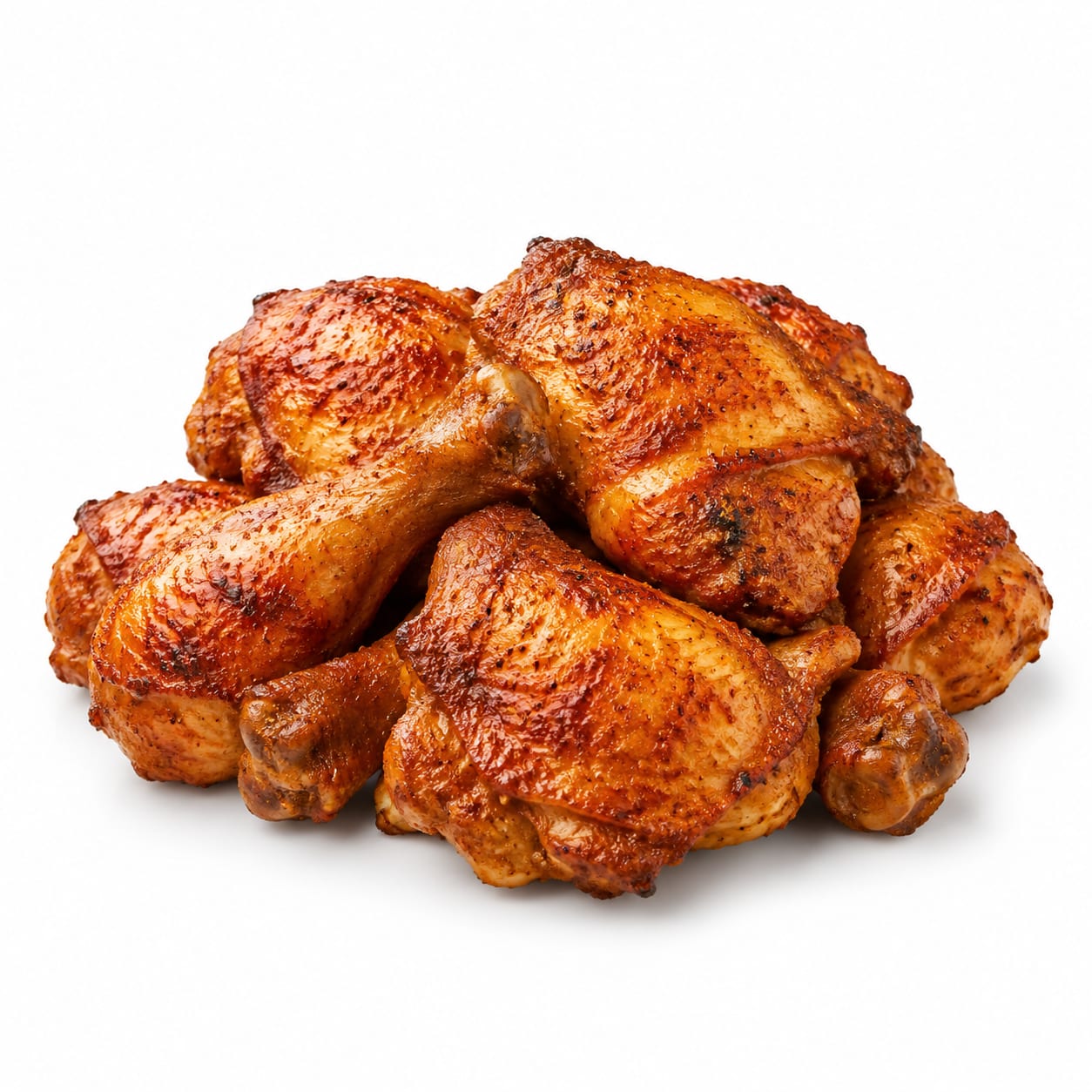
Chicken
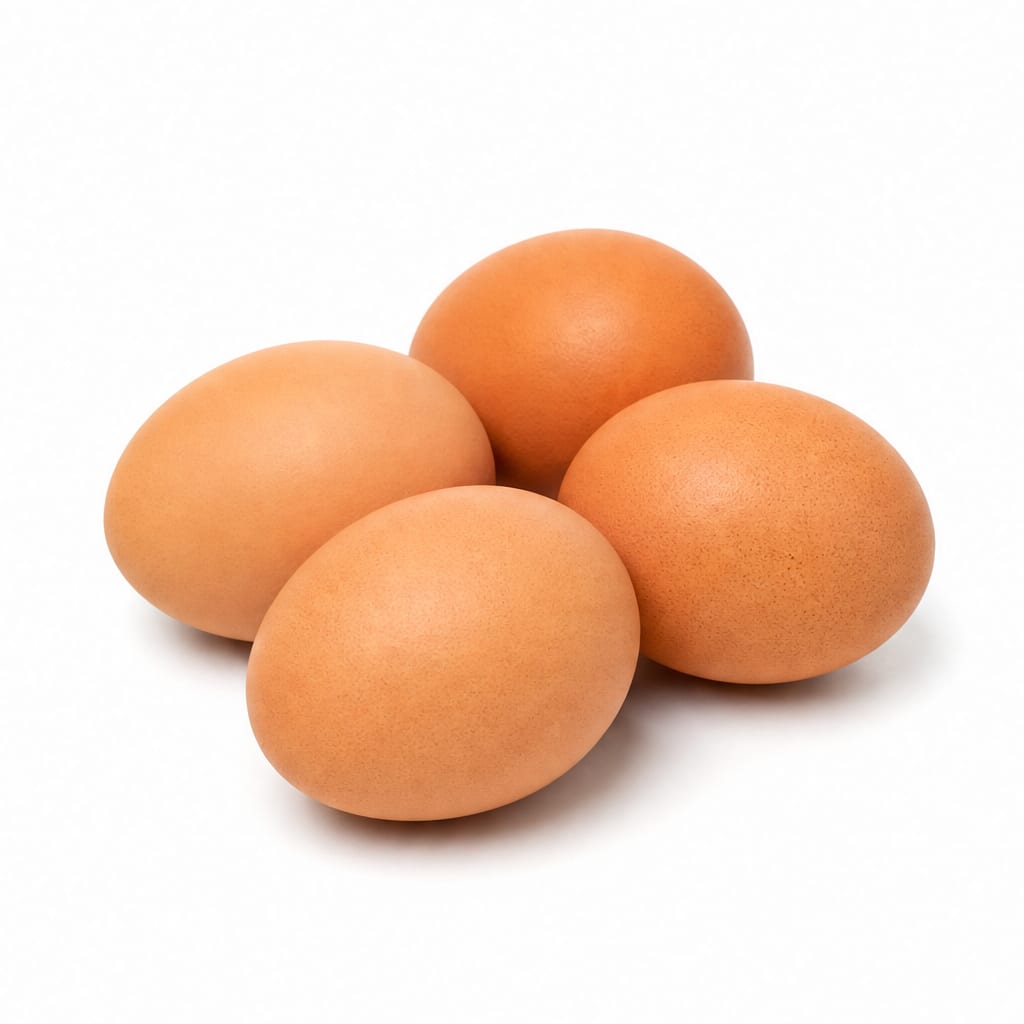
Eggs
Chicken delivers more protein per bite and fills you longer, while Eggs win on convenience, cost, and nutrient density per calorie.
Eggs edge ahead due to superior convenience, lower cost, and richer micronutrient density per calorie. Chicken scores well for protein volume and satiety but loses ground on preparation effort and versatility. The gap is small because both are excellent protein sources with different strengths.
Meal-time effort versus protein volume — Chicken demands cooking time but rewards with heavier satiety; Eggs are ready in minutes but leave you hungry sooner.
At a glance
Executive summary
Overall
It depends
Healthier
It depends
More practical
Eggs
Daily use
Eggs
Key comparison lenses
primary protein source selection
Both are top-tier complete proteins; users are likely deciding which to prioritize for daily protein intake
convenience and meal timing
Eggs cook in minutes while chicken requires more preparation, making this a daily friction point
heart health and cholesterol concerns
Eggs carry cholesterol anxiety for many users, while chicken's saturated fat profile raises different questions
weight management strategy
Different calorie-to-protein ratios make each better for different weight goals
budget and cost efficiency
Eggs are significantly cheaper per gram of protein, a major factor for regular consumers
Best choice for
Chicken
- Athletes needing high protein volume per meal
- People doing one-big-meal approaches like OMAD
- Those prioritizing long-lasting fullness
- Meal preppers who cook in bulk anyway
Eggs
- Busy professionals needing quick protein
- Budget-conscious eaters seeking cheap complete protein
- Breakfast eaters wanting a morning protein hit
- Anyone cooking for one with limited time
Least suitable for
Chicken
- People with limited cooking facilities
- Those needing grab-and-go meals
- Very tight grocery budgets
- Anyone who hates meal prep
Eggs
- People with egg allergies or sensitivities
- Those strictly limiting dietary cholesterol
- Vegans and plant-based eaters
- People needing large protein volumes in few calories
Deep comparison
Dimension by dimension
Each lens scores both foods and breaks down who each option suits.
- Dimension 1 · Priority 95Chicken
Protein Power & Satiety
Chicken · 88Eggs · 72Chicken delivers roughly 31g protein per 100g versus 13g in eggs, making it far more filling per serving.
Tradeoff
You get more protein from Chicken but have to eat a larger, heavier portion to get it.
Why it matters
Higher protein per bite means fewer meals needed to hit daily targets, which simplifies eating.
Real-world impact
A Chicken breast at lunch keeps you full until dinner. Two Eggs at lunch and you are snacking by 3pm.
Chicken
- Hitting high protein targets without supplements
- Staying full between widely spaced meals
- Body recomposition phases needing protein surplus
Better for
- Quick snacks between meetings
- Light breakfasts before morning exercise
Worse for
Eggs
- Lighter meals that do not leave you sluggish
- Smaller appetites that struggle with large portions
- Protein pacing across multiple small meals
Better for
- Post-workout recovery needing 40g+ protein
- Getting full on limited meal frequency
Worse for
- Dimension 2 · Priority 92Eggs
Convenience & Speed
Chicken · 40Eggs · 92Eggs cook in under 5 minutes; Chicken requires 15-30 minutes minimum and often more prep.
Tradeoff
Eggs sacrifice protein density for speed, but that speed makes them realistic for daily use.
Why it matters
The protein source you actually eat always beats the one you skip because cooking feels like too much work.
Real-world impact
Scrambled Eggs are a Tuesday reality. Grilling Chicken breast on a tired Tuesday often becomes ordering pizza instead.
Chicken
- Weekend meal prep sessions
- Cooking large batches for the week ahead
Better for
- Any meal where you have under 15 minutes
- Mornings when you are rushing out the door
Worse for
Eggs
- Weeknight dinners under 10 minutes
- Quick breakfasts before work
- Post-workout meals when you are starving now
- Hotel room cooking with minimal equipment
Better for
- Formal dinners where Eggs feel too casual
- BBQ and grilling social occasions
Worse for
- Dimension 3 · Priority 88Eggs
Nutrient Density Per Calorie
Chicken · 70Eggs · 89Eggs pack choline, vitamin D, B12, selenium, and lutein into very few calories. Chicken offers B vitamins and selenium but less micronutrient diversity.
Tradeoff
Eggs give you more vitamins and minerals per calorie but less total protein per serving.
Why it matters
Nutrient density matters most when you are eating fewer calories or have gaps in your diet.
Real-world impact
Two Eggs give you meaningful choline and vitamin D that Chicken simply cannot match. But you need four Eggs to match one Chicken breast on protein.
Chicken
- Diets where total protein matters more than micronutrients
- Already supplementing vitamins and minerals
Better for
- Low-calorie diets where every calorie must earn its keep
- Choline-deficient diets
Worse for
Eggs
- Calorie-restricted diets needing maximum nutrition per bite
- Pregnant women needing choline and folate
- People not taking a multivitamin
Better for
- High-protein diets where micronutrients are already covered
Worse for
- Dimension 4 · Priority 82It depends
Heart Health Profile
Chicken · 68Eggs · 65Chicken breast is lean with minimal saturated fat. Eggs contain dietary cholesterol but current evidence suggests minimal impact on blood cholesterol for most people.
Tradeoff
Chicken avoids the cholesterol question entirely; Eggs force you to navigate conflicting advice.
Why it matters
Heart health anxiety creates real stress and confusion, especially for people with family history.
Real-world impact
If your doctor flagged your cholesterol, Eggs create decision fatigue. Chicken breast is the simpler choice with less second-guessing.
Chicken
- People with existing high blood cholesterol
- Those following heart-protocol diets like Ornish or DASH
- Anyone who wants zero cholesterol anxiety
Better for
- Fried chicken preparations that add saturated fat
- Dark meat with higher fat content
Worse for
Eggs
- People with normal cholesterol who tolerate Eggs well
- Those prioritizing choline for brain health over cholesterol avoidance
- Mediterranean-style diets where Eggs fit naturally
Better for
- People with familial hypercholesterolemia
- Those eating 3+ Eggs daily without monitoring lipids
Worse for
- Dimension 5 · Priority 78Eggs
Cost Efficiency
Chicken · 55Eggs · 90Eggs cost roughly $0.35 per serving versus $1.50-3.00 for Chicken, making them one of the cheapest complete proteins available.
Tradeoff
Eggs save money but deliver less total protein per dollar spent compared to bulk Chicken.
Why it matters
Protein affordability determines whether people actually sustain high-protein diets long-term.
Real-world impact
A dozen Eggs costs less than two Chicken breasts and feeds you for a week of breakfasts. That math matters on tight budgets.
Chicken
- Buying bulk Chicken when on sale and freezing
- Families cooking large meals where Chicken stretches further
Better for
- Weekly grocery budgets under $50 per person
- Emergency protein needs between paychecks
Worse for
Eggs
- Students and single-income households
- Anyone eating protein on under $5 per day
- Supplementing protein between bigger shopping trips
Better for
- Cost-per-gram-of-protein calculations at bulk scale
Worse for
- Dimension 6 · Priority 80Eggs
Versatility & Meal Timing
Chicken · 62Eggs · 88Eggs work from breakfast to midnight snacks. Chicken is firmly a lunch or dinner food for most people.
Tradeoff
Eggs fit any meal but feel too light for dinner as a standalone. Chicken anchors a dinner but feels wrong at breakfast.
Why it matters
A protein source that works across meals gets eaten more consistently.
Real-world impact
Hard-boiled Eggs work at 7am, 2pm, or 10pm. Chicken at 7am feels weird. Chicken at 10pm feels heavy before bed.
Chicken
- Dinner as the main protein event
- Meal prep containers for weekday lunches
- Grilling and social cooking
Better for
- Breakfast in any culture that does not eat meat in the morning
- Late-night snacking
Worse for
Eggs
- Breakfast protein that actually satisfies
- Late-night eating that will not disrupt sleep
- Snack-time protein between meals
- Any meal where you want something light
Better for
- Dinner parties where Eggs feel insufficient as a main
- Cultures where Eggs are strictly breakfast food
Worse for
Timeline
Health impact over time
Short-term
Hours to days
Chicken
- Strong satiety that reduces between-meal snacking for 4-5 hours
- Heavier digestion that may cause sluggishness if eaten in large portions before activity
- Stable blood sugar with minimal glycemic impact
Eggs
- Moderate satiety lasting 2-3 hours before hunger returns
- Lighter digestion that rarely causes post-meal drowsiness
- Quick energy availability useful before or after exercise
Long-term
Months to years
Chicken
- Consistent high protein intake supports muscle preservation with aging
- Lean Chicken breast as a dietary staple correlates with lower cardiovascular risk in population studies
- Risk of monotony if eaten daily without recipe variety, leading to diet abandonment
Eggs
- Regular Egg consumption provides steady choline intake supporting brain and liver health
- For most people, daily Eggs do not increase cardiovascular risk, but individual responses vary significantly
- Nutrient synergy when Eggs are paired with vegetables enhances absorption of fat-soluble vitamins
Risk profile
Safety & processing
Both Chicken and Eggs are whole foods with minimal processing in their basic forms. Chicken may carry antibiotic residues depending on farming practices. Eggs may have slightly more pesticide exposure from feed but remain one of the cleanest protein sources available. Choosing organic or pasture-raised options reduces concerns for both.
Chicken
Salmonella from undercooked poultry
highChicken must reach 165°F internally. Undercooked Chicken is one of the most common sources of foodborne illness. Cross-contamination with utensils and cutting boards is a real kitchen hazard.
Antibiotic-resistant bacteria
mediumConventionally raised Chicken may carry resistant bacteria. Proper cooking kills bacteria but handling raw Chicken spreads it around your kitchen.
Heterocyclic amines from high-heat cooking
lowCharring or grilling Chicken at very high temperatures creates compounds linked to cancer risk. Marinating and cooking at moderate temperatures reduces this significantly.
Eggs
Salmonella from raw or undercooked Eggs
mediumRisk is lower than Chicken but still present. Pasteurized Eggs eliminate this concern. Runny yolks carry some risk that most healthy adults tolerate fine.
Allergic reactions
mediumEgg allergy is one of the most common food allergies, especially in children. Most outgrow it, but for those who do not, even trace exposure causes reactions.
Spoilage and freshness detection
lowEggs can carry bacteria on shells. Proper refrigeration and the float test for freshness reduce risk. Cracked Eggs should be discarded.
Who wins for whom
Audience fit
Same foods, different winners depending on your goal.
children
EggsEggs are easier for small appetites, provide choline for brain development, and are simpler to prepare in child-friendly ways like scrambled or hard-boiled.
daily consumption
EggsEggs are faster to prepare, cheaper to sustain, and more versatile across meals, making daily consumption realistic long-term.
diabetes
ChickenBoth have minimal impact on blood sugar, but Chicken's stronger satiety helps prevent the overeating that worsens insulin resistance.
elderly
EggsEggs are softer, easier to chew and digest, and their nutrient density helps counter the malnutrition risk common in older adults eating less food overall.
muscle gain
ChickenHigher protein density per serving makes hitting muscle-building protein targets more realistic with Chicken as the primary source.
weight loss
ChickenChicken breast provides more protein per calorie and keeps you full longer, making it easier to stay in a calorie deficit without feeling deprived.
Your move
Decision guide
Choose Chicken
- You need 30g+ protein per meal without supplements
- You are doing meal prep on Sundays and cooking in bulk anyway
- Long-lasting fullness is your top priority
- You are actively building muscle or recovering from training
- Your doctor advised limiting dietary cholesterol
Choose Eggs
- You have under 10 minutes to cook most meals
- Grocery budget is tight and you need cheap protein
- You want a protein source that works at any meal including breakfast
- You are eating lighter meals throughout the day
- You want maximum vitamins and minerals per calorie
Either works if
- You need a complete protein source with all essential amino acids
- You want a whole food instead of protein powder or bars
- Both fit your macros and you just need variety
- You are eating a balanced diet with multiple protein sources
Avoid both if
- You have kidney disease requiring protein restriction
- You are following a strict plant-based or vegan diet
- You have allergies to both poultry and eggs
Final recommendation
Keep both in your rotation. Use Eggs for quick meals and breakfasts, Chicken for dinner and post-workout meals. The real advantage goes to whoever eats protein consistently, and that means choosing the option that fits your schedule and energy level on any given day.
Practical
Consumer tips
- 1
Buy Eggs in bulk when on sale — they last 3-5 weeks refrigerated
- 2
Freeze Chicken breasts individually in ziplock bags for easy single-serving thawing
- 3
Batch-cook Chicken on weekends and refrigerate for 3-4 days of quick lunches
- 4
Hard-boil 6-12 Eggs at once for grab-and-go protein all week
- 5
Pasture-raised Eggs cost more but deliver meaningfully more omega-3s and vitamin D
- 6
Choose Chicken thighs over breast only if you prefer the taste — the extra fat adds calories fast
- 7
Avoid pre-cooked Chicken strips with added sodium and preservatives
- 8
Two Eggs plus one Egg white gives you more protein with less cholesterol if that concerns you