
Nutrition comparison
Chicken vs Cottage Cheese: Which Protein Source Is Better for You?
Compare chicken and cottage cheese on protein quality, sodium, calcium, convenience, and satiety. Find out which fits your health goals and daily routine better.
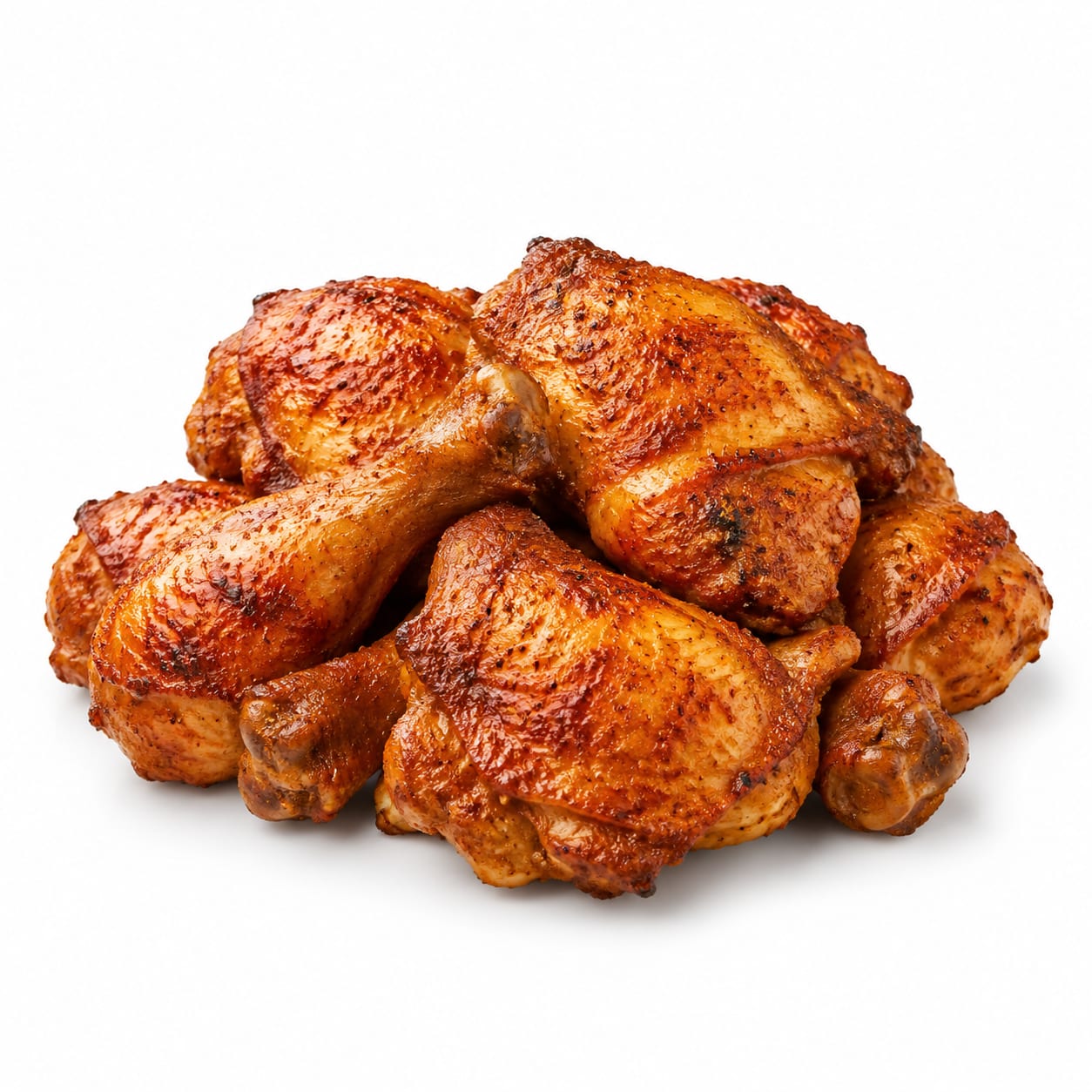
Chicken
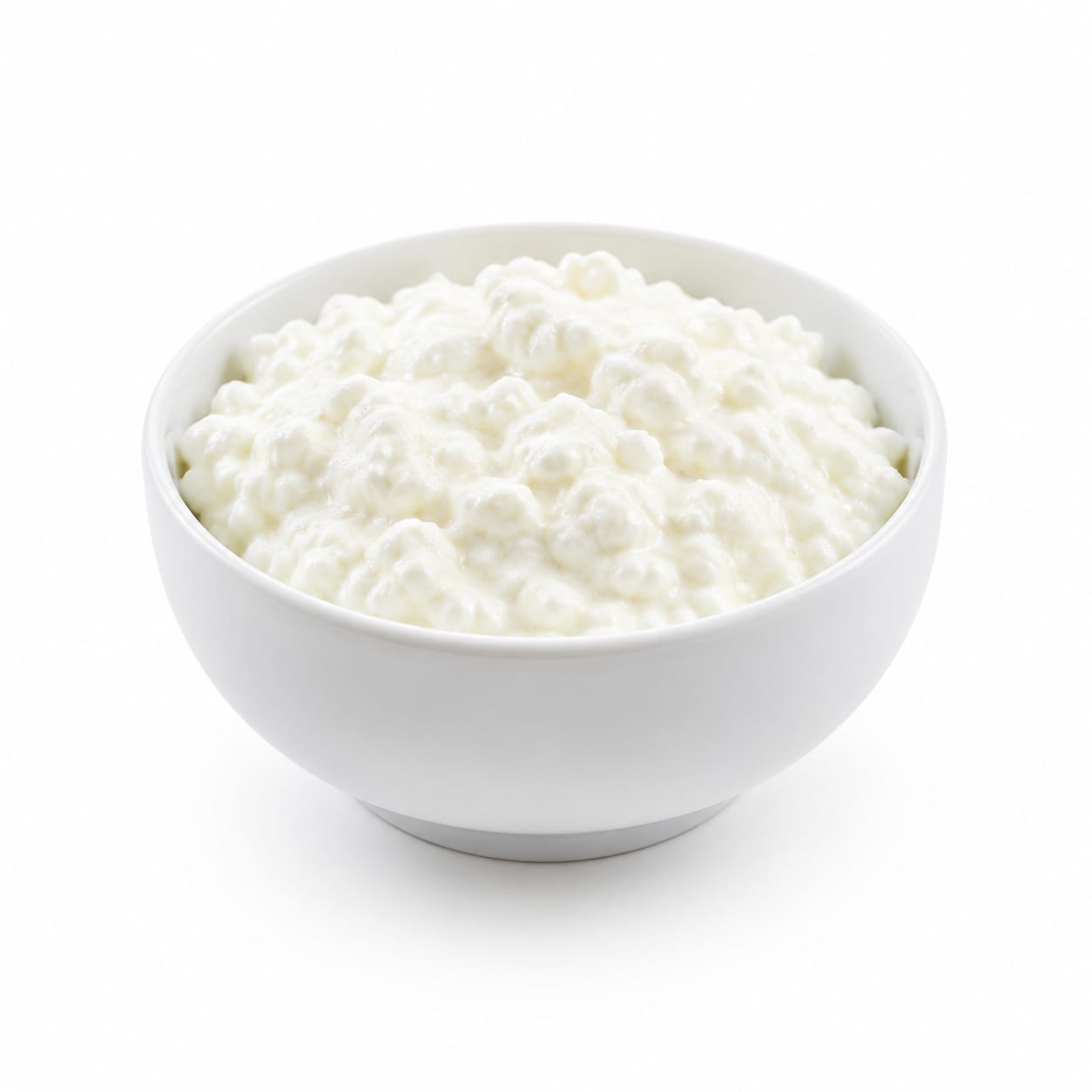
Cottage Cheese
Chicken wins for meal versatility and lower sodium, but cottage cheese wins for convenience and bone-building calcium. Your lifestyle determines the real winner.
Chicken scores slightly higher due to lower sodium, broader meal versatility, and universal digestibility. Cottage cheese stays competitive thanks to convenience and calcium, but its sodium load and dairy limitations narrow its appeal.
You trade ready-to-eat convenience and calcium in cottage cheese for lower sodium and more meal flexibility with chicken.
At a glance
Executive summary
Overall
It depends
Healthier
It depends
More practical
Cottage Cheese
Daily use
Chicken
Key comparison lenses
high-quality protein source selection
Both foods are top-tier protein sources, so the real question is which protein profile fits your routine better
meal timing and convenience
Chicken requires cooking while cottage cheese is ready-to-eat, making timing a major practical differentiator
sodium and mineral tradeoffs
Cottage cheese carries a significant sodium load but offers calcium, while chicken is low-sodium but mineral-poor
weight loss and satiety
Both are popular in fat-loss diets, but they fill you up differently and fit different eating patterns
digestive tolerance and food sensitivities
Dairy intolerance makes cottage cheese a non-starter for some, while chicken is almost universally tolerated
Best choice for
Chicken
- People cooking meals at home who want lean, versatile protein
- Anyone watching sodium intake closely
- Lactose-intolerant individuals or dairy-avoiders
- Those who find solid meals more satisfying than snacks
Cottage Cheese
- Busy people needing zero-prep protein on the go
- Older adults needing extra calcium for bone density
- Late-night snackers wanting slow-digesting casein protein
- Anyone who finds cooking chicken daily unrealistic
Least suitable for
Chicken
- People with no time or facility to cook
- Those who get bored eating the same protein repeatedly
- Anyone seeking a quick no-prep snack between meals
Cottage Cheese
- People with lactose intolerance or dairy sensitivity
- Anyone on a strict low-sodium diet
- Those who find the texture unappealing and struggle to eat it consistently
Deep comparison
Dimension by dimension
Each lens scores both foods and breaks down who each option suits.
- Dimension 1 · Priority 95Chicken
Protein Quality & Muscle Support
Chicken · 88Cottage Cheese · 82Chicken delivers more protein per calorie with a slightly stronger leucine content, but cottage cheese offers slow-digesting casein that feeds muscles for hours.
Tradeoff
Chicken fuels muscles fast post-workout; cottage cheese drips amino acids slowly, making it ideal before bed.
Why it matters
If you train hard, the speed of protein delivery changes recovery. Fast after workouts, slow overnight.
Real-world impact
A chicken breast after the gym kicks recovery into gear. A bowl of cottage cheese before bed keeps your body repairing through the night.
Chicken
- Post-workout recovery meals
- Building lean muscle with fewer calories
- Athletes needing high protein density per meal
Better for
- Anyone who forgets to eat before bed and wants overnight coverage
- People who go 6+ hours between meals without snacking
Worse for
Cottage Cheese
- Overnight muscle recovery while you sleep
- Sustained protein between long gaps between meals
- Older adults fighting muscle loss around the clock
Better for
- Immediate post-workout protein when fast absorption matters
- Getting maximum protein without exceeding calorie targets
Worse for
- Dimension 2 · Priority 85Chicken
Satiety & Fullness
Chicken · 86Cottage Cheese · 76Chicken keeps you fuller for longer per calorie eaten. Solid, chewable protein triggers stronger satiety signals than soft dairy.
Tradeoff
Chicken feels like a real meal that settles your hunger. Cottage cheese takes the edge off but rarely feels like a complete meal on its own.
Why it matters
If you struggle with snacking or overeating, the food that truly fills you up matters more than calorie counts alone.
Real-world impact
After a chicken breast, you are done eating for hours. After cottage cheese, you might be hunting for something crunchy within 90 minutes.
Chicken
- People prone to snacking between meals
- Anyone trying to reduce overall calorie intake without feeling deprived
- Large appetites that need substantial meals to feel satisfied
Better for
- Anyone who finds heavy meals uncomfortable or sluggish
Worse for
Cottage Cheese
- Light snackers who just need a small bridge between meals
- People who prefer grazing over eating large meals
Better for
- Emotional eaters who need a meal to feel psychologically satisfied
- People who find soft textures unsatisfying and end up eating more afterward
Worse for
- Dimension 3 · Priority 88Cottage Cheese
Convenience & Practicality
Chicken · 42Cottage Cheese · 88Cottage cheese is open-and-eat. Chicken requires cooking, seasoning, and cleanup. For busy schedules, this gap is enormous.
Tradeoff
Cottage cheese saves 20-30 minutes of prep per meal but locks you into one flavor and texture. Chicken costs time but opens up endless recipe possibilities.
Why it matters
The healthiest protein only works if you actually eat it. Convenience often determines consistency more than nutrition.
Real-world impact
At 7am before a rushed commute, cottage cheese wins instantly. On a Sunday meal-prep afternoon, chicken becomes the smarter investment.
Chicken
- Weekend meal preppers who cook in batches
- Home cooks who enjoy preparing food
- People who value variety and recipe creativity
Better for
- People with unpredictable schedules who cannot commit to cooking
- Anyone without reliable refrigeration for meal prep storage
Worse for
Cottage Cheese
- Commuters and office workers with no kitchen access
- Students in dorms with limited cooking facilities
- Anyone too exhausted to cook after long days
Better for
- Those who get bored eating the same thing daily and eventually quit
- People who associate meals with cooking and find cold snacks unsatisfying
Worse for
- Dimension 4 · Priority 82Chicken
Sodium Load
Chicken · 90Cottage Cheese · 38Chicken is naturally very low in sodium. Cottage cheese packs roughly 350-400mg per half cup, which adds up fast across the day.
Tradeoff
Cottage cheese gives you calcium but brings a sodium hit that can quietly push you over daily limits if you are not careful.
Why it matters
High sodium drives bloating, blood pressure creep, and thirst. Most people already eat too much sodium without realizing it.
Real-world impact
Two servings of cottage cheese can deliver nearly a third of your daily sodium budget before you add anything else to your day.
Chicken
- People with hypertension or blood pressure concerns
- Anyone already eating processed or restaurant foods regularly
- Those tracking sodium for kidney health
Better for
- Endurance athletes who actually need more sodium during training
Worse for
Cottage Cheese
- Athletes who lose sodium through heavy sweating and need replenishment
- People who cook everything from scratch and have sodium room to spare
Better for
- Anyone eating packaged foods, sauces, or dining out regularly
- People with salt-sensitive blood pressure
- Those trying to reduce morning puffiness and water retention
Worse for
- Dimension 5 · Priority 75Cottage Cheese
Bone Health & Mineral Density
Chicken · 30Cottage Cheese · 88Cottage cheese delivers meaningful calcium and phosphorus per serving. Chicken provides almost no calcium and minimal bone-supporting minerals.
Tradeoff
If bone density is a priority, cottage cheese fills a nutritional gap that chicken simply cannot touch.
Why it matters
Bone weakness develops silently over years. Getting calcium from protein sources is more efficient than relying on supplements alone.
Real-world impact
A serving of cottage cheese covers about 10-15% of daily calcium needs. You would need to eat an entire chicken and still get zero calcium.
Chicken
- No significant bone health advantage over cottage cheese
Better for
- Anyone relying on chicken as their primary protein without other calcium sources
- Older adults with declining bone mineral density
Worse for
Cottage Cheese
- Postmenopausal women concerned about osteoporosis
- Older adults needing to maintain bone density
- People who do not consume other dairy or calcium-fortified foods
Better for
- No meaningful bone health downside
Worse for
- Dimension 6 · Priority 70Chicken
Digestive Tolerance
Chicken · 85Cottage Cheese · 60Chicken is almost universally well-tolerated. Cottage cheese contains lactose and dairy proteins that cause bloating or discomfort for many people.
Tradeoff
Chicken digests cleanly for nearly everyone. Cottage cheese works great until it does not, and dairy intolerance is surprisingly common.
Why it matters
Bloating and digestive discomfort can undermine the benefits of a high-protein diet and make you abandon it entirely.
Real-world impact
That healthy cottage cheese snack is not so healthy if it leaves you gassy and uncomfortable for the next two hours.
Chicken
- People with lactose intolerance or dairy sensitivity
- Anyone with IBS or sensitive digestion
- Those who experience bloating from dairy products
Better for
- No common digestive downside for typical consumers
Worse for
Cottage Cheese
- People with strong dairy tolerance who digest it effortlessly
- Those who find chicken heavy or slow to digest personally
Better for
- Lactose-intolerant individuals experiencing gas and bloating
- People with dairy allergies or sensitivities
- Anyone following an elimination diet that removes dairy
Worse for
- Dimension 7 · Priority 78Chicken
Meal Versatility
Chicken · 92Cottage Cheese · 48Chicken works in dozens of cuisines, cooking methods, and meal types. Cottage cheese is mostly a snack or breakfast item with limited recipe range.
Tradeoff
Chicken keeps your diet interesting. Cottage cheese is a one-trick convenience food that gets old fast.
Why it matters
Dietary boredom is the number one reason people abandon healthy eating. Versatility is a sustainability factor.
Real-world impact
Chicken can be grilled, roasted, stir-fried, shredded into soup, or tossed in a salad. Cottage cheese can be eaten with fruit or on toast. That difference adds up over months.
Chicken
- Home cooks who want variety in weekly meal plans
- Families needing one protein that works in multiple dishes
- Anyone who gets bored eating the same food repeatedly
Better for
- No meaningful versatility downside
Worse for
Cottage Cheese
- People happy eating the same simple snack daily
- Minimalists who prefer not to think about food variety
Better for
- People who crave variety and find repetitive meals demoralizing
- Anyone trying to build a full recipe repertoire around their protein source
Worse for
Timeline
Health impact over time
Short-term
Hours to days
Chicken
- Strong satiety after meals reduces between-meal snacking
- Steady energy without blood sugar spikes or crashes
- Requires cooking time, which can lead to skipping meals on busy days
Cottage Cheese
- Quick protein hit with zero prep time helps maintain eating consistency
- Sodium can cause noticeable water retention and morning puffiness
- Lactose may trigger bloating or gas within 30-60 minutes for sensitive individuals
Long-term
Months to years
Chicken
- Consistent lean protein intake supports muscle maintenance and metabolic health
- Low sodium profile benefits blood pressure over decades
- Without intentional calcium sourcing elsewhere, long-term bone density may suffer
Cottage Cheese
- Regular calcium intake protects bone mineral density as you age
- Casein protein supports overnight muscle preservation, especially valuable after 40
- Chronic high sodium intake from daily consumption may elevate blood pressure risk over time
Risk profile
Safety & processing
Both foods are relatively close to their natural state. Fresh chicken is simply butchered meat. Cottage cheese involves curdling and draining but contains minimal additives in most brands. Watch for flavored cottage cheese varieties with added sugars and gums.
Chicken
Salmonella and Campylobacter contamination
highRaw chicken is a leading carrier of foodborne bacteria. Safe handling and thorough cooking to 165°F are non-negotiable.
Antibiotic residue exposure
mediumConventionally raised chicken may carry antibiotic residues. Choosing organic or antibiotic-free reduces this concern significantly.
Cottage Cheese
Spoilage and bacterial growth after opening
mediumCottage cheese has a short shelf life once opened and can grow Listeria if stored too long. Use within 5-7 days of opening.
Dye and additive exposure in flavored varieties
lowPlain cottage cheese is clean, but flavored versions may contain artificial colors, preservatives, and added sugars. Stick to plain when possible.
Who wins for whom
Audience fit
Same foods, different winners depending on your goal.
children
Cottage CheeseCottage cheese is easier for small children to eat, requires no chewing effort, and provides calcium during critical bone-development years.
daily consumption
ChickenLower sodium, broader recipe variety, and universal digestibility make chicken easier to eat daily without accumulating health tradeoffs or dietary boredom.
diabetes
ChickenBoth have minimal impact on blood sugar, but chicken has zero carbohydrates and lower sodium, reducing cardiovascular risk that often accompanies diabetes.
elderly
Cottage CheeseCalcium for bone density, soft texture for chewing difficulties, and casein protein for preventing age-related muscle loss make cottage cheese especially valuable after 65.
muscle gain
ChickenHigher protein density per calorie and faster absorption post-workout give chicken the edge for building muscle, though combining both covers all timing needs.
weight loss
ChickenChicken provides more satiety per calorie and zero sodium-driven water retention, making it easier to stay in a calorie deficit without feeling deprived or puffy.
Your move
Decision guide
Choose Chicken
- You cook regularly and want a versatile protein that works across meals
- Sodium intake is a concern due to blood pressure or bloating
- You are lactose intolerant or avoiding dairy for any reason
- You find solid meals far more satisfying than snacks
Choose Cottage Cheese
- You have minimal time or kitchen access and need grab-and-go protein
- Bone health and calcium intake are priorities for you
- You want a slow-digesting protein before bed for overnight recovery
- You struggle to eat enough protein because cooking feels like too much effort
Either works if
- You simply need more high-quality protein and both fit your routine
- You rotate proteins throughout the week for variety and nutrient coverage
- Your budget allows both and you want the convenience-satiety balance
Avoid both if
- You have severe kidney disease and must limit protein intake under medical guidance
- You are vegan or avoiding all animal products entirely
Final recommendation
Use both strategically. Chicken as your mealtime protein foundation, cottage cheese as your between-meal or before-bed supplement. This combination gives you fast-absorbing protein when you need it, slow-digesting casein overnight, calcium for bones, and convenience when cooking is not happening. If you must pick only one, choose chicken for daily reliance and add cottage cheese when convenience or calcium becomes the priority.
Practical
Consumer tips
- 1
Choose low-sodium cottage cheese if available — it cuts sodium by 30-50% with minimal taste difference
- 2
Buy antibiotic-free chicken whenever budget allows to reduce exposure concerns
- 3
Meal prep chicken in batches on weekends to close the convenience gap with cottage cheese
- 4
Mix cottage cheese with fruit or a few nuts to improve satiety and make it feel more like a complete snack
- 5
If lactose bothers you, try lactose-free cottage cheese before giving up on it entirely
- 6
Season chicken simply with herbs and spices instead of salty marinades to keep its sodium advantage
- 7
Freeze individual chicken portions so you always have some ready to thaw and cook
- 8
Pair chicken with leafy greens or broccoli to add the calcium that chicken lacks