
Nutrition comparison
Chicken Breast vs Chicken Thigh: Which Is Healthier?
Compare chicken breast and chicken thigh on protein, calories, fat, flavor, and cooking ease. Learn which cut fits your diet goals and when to choose each.

Chicken
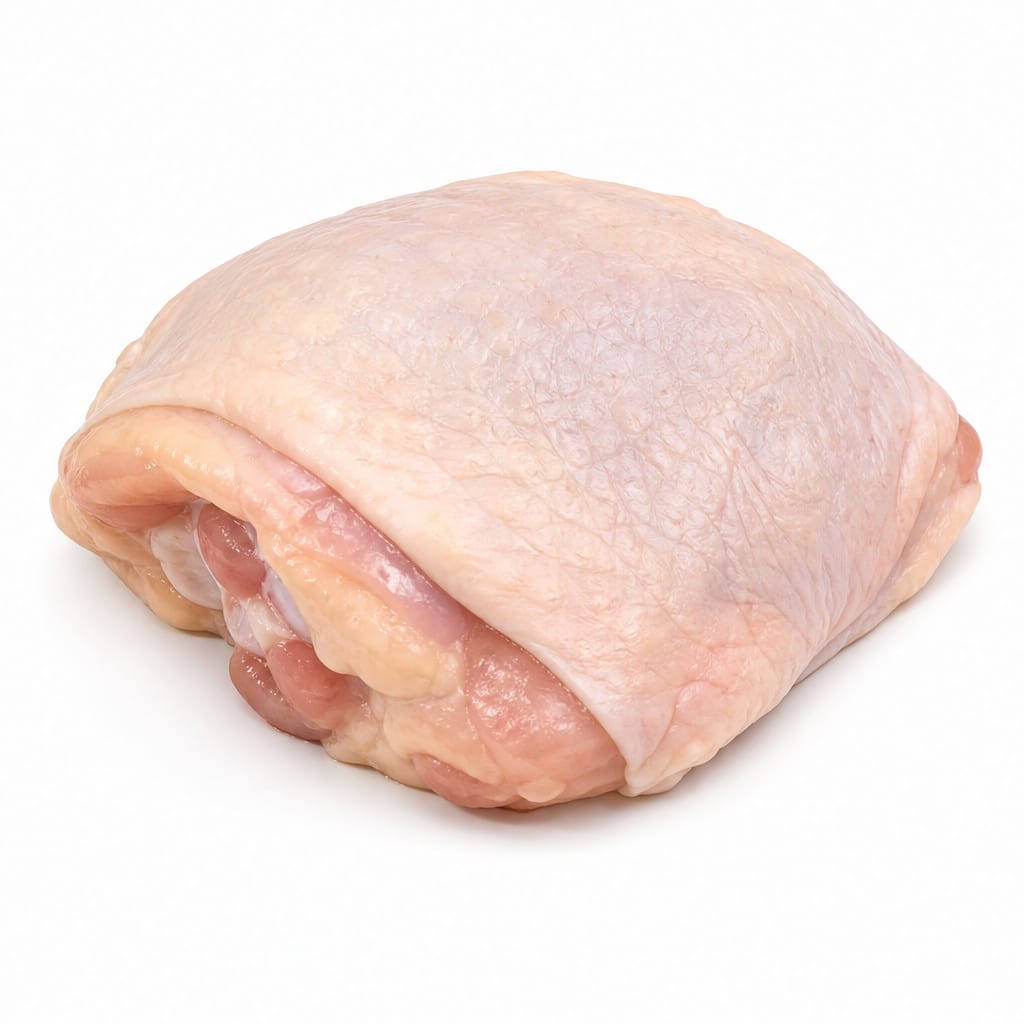
Chicken Thigh
Chicken breast wins for lean protein and calorie control; chicken thighs win for flavor, satisfaction, and cooking ease.
Chicken breast scores slightly higher for health optimization due to superior protein-to-calorie ratio and lower saturated fat. Chicken thighs score nearly as high because their flavor and satisfaction advantages translate to better real-world adherence and less food waste.
You trade calories and leanness for juiciness, flavor, and a more forgiving cooking experience.
At a glance
Executive summary
Overall
It depends
Healthier
Chicken
More practical
Chicken Thigh
Daily use
It depends
Key comparison lenses
lean protein vs flavorful fat tradeoff
The core decision between chicken breast and chicken thigh is almost always about trading leanness for flavor and juiciness
calorie and macronutrient optimization
Users comparing these cuts are usually tracking macros or managing calorie intake
cooking forgiveness and meal satisfaction
Chicken thighs are far more forgiving to cook and deliver more satisfying meals, which matters for adherence
budget and value comparison
Chicken thighs are typically cheaper per pound, making them attractive for budget-conscious meal prep
micronutrient density differences
Thighs offer more iron and zinc, while breast delivers more protein per calorie — both have meaningful nutritional tradeoffs
Best choice for
Chicken
- Weight loss and calorie counting
- Bodybuilding and lean muscle phases
- Post-workout protein without excess fat
- Meal prep where you track macros precisely
- Heart-healthy low-fat eating patterns
Chicken Thigh
- Flavor-first cooking and recipe satisfaction
- Budget-friendly family meals
- Grilling, roasting, and slow cooking
- People who find chicken breast too dry
- Iron-deficient individuals needing more minerals
Least suitable for
Chicken
- Low-skill cooks who struggle with dry meat
- Slow cooker recipes that need fat to stay moist
- People who find lean meat unsatisfying and overeat later
Chicken Thigh
- Strict calorie-restricted diets
- Bodybuilding contest prep requiring minimal fat
- People monitoring saturated fat for heart conditions
Deep comparison
Dimension by dimension
Each lens scores both foods and breaks down who each option suits.
- Dimension 1 · Priority 95Chicken
Protein Density Per Calorie
Chicken · 92Chicken Thigh · 68Chicken breast delivers significantly more protein per calorie, making it the go-to for anyone tracking macros.
Tradeoff
You get more protein per bite with breast, but the eating experience is drier and less satisfying.
Why it matters
If you are trying to hit protein targets within a calorie limit, breast makes the math much easier.
Real-world impact
A 6oz chicken breast gives you roughly 46g protein for 230 calories. The same weight of thigh gives you 36g protein for 300 calories.
Chicken
- Hitting high protein targets on a cut
- Post-workout meals where fat slows digestion
- Precise macro tracking
Better for
- People who find lean meat boring and abandon their diet
Worse for
Chicken Thigh
- Meals where satisfaction matters more than math
Better for
- Anyone needing maximum protein within tight calories
Worse for
- Dimension 2 · Priority 90Chicken Thigh
Flavor and Eating Satisfaction
Chicken · 55Chicken Thigh · 91Chicken thighs are dramatically more flavorful and juicy, which makes meals more enjoyable and reduces the urge to snack later.
Tradeoff
That flavor comes from fat, which adds calories and saturated fat you may not want.
Why it matters
Boring meals are the number one reason people quit healthy eating plans. Thighs keep you coming back.
Real-world impact
Thighs stay juicy even if you overcook them slightly. Breast turns dry and chalky within minutes of perfect doneness.
Chicken
- Recipes where you want a neutral base for bold sauces
Better for
- Anyone who dreads eating their meal prep
Worse for
Chicken Thigh
- Grilling and roasting where dryness is a risk
- Family meals where picky eaters reject dry meat
- Meal prep that reheats well the next day
Better for
- Dishes where richness feels heavy, like light summer salads
Worse for
- Dimension 3 · Priority 88Chicken
Calorie and Fat Content
Chicken · 89Chicken Thigh · 58Chicken breast has roughly half the fat and 25-30% fewer calories per serving than thighs.
Tradeoff
Lower fat means less satiety signal and faster hunger return. Some people compensate by eating more later.
Why it matters
For pure calorie control, breast is clearly superior. But calories alone do not determine how full you feel.
Real-world impact
A thigh dinner might keep you full for 4 hours. A breast dinner might have you reaching for snacks in 2.
Chicken
- Calorie-restricted diets
- Low-fat eating protocols
- Multiple meals per day plans
Better for
- People who feel hungry all day on lean protein
Worse for
Chicken Thigh
- Fewer meals with longer satiety
- Keto and low-carb approaches that welcome fat
Better for
- Anyone cutting hard for weight loss
Worse for
- Dimension 4 · Priority 82Chicken Thigh
Cooking Forgiveness and Versatility
Chicken · 50Chicken Thigh · 90Thighs are nearly impossible to ruin. Breast requires precise timing and temperature to avoid drying out.
Tradeoff
Breast is faster to cook through, but the margin of error is razor-thin.
Why it matters
If you are not a confident cook, thighs will save you from ruined dinners and wasted money.
Real-world impact
Thighs can sit in a slow cooker for hours and stay tender. Breast turns to cardboard after the same treatment.
Chicken
- Quick stovetop cooking when you watch carefully
- Slicing into salads where texture matters less
Better for
- Busy weeknights when you cannot babysit the pan
Worse for
Chicken Thigh
- Slow cooker and Instant Pot recipes
- Grilling where temperature control is imperfect
- Beginner cooks building confidence
Better for
- Recipes requiring a clean, delicate presentation
Worse for
- Dimension 5 · Priority 70Chicken Thigh
Micronutrient Profile
Chicken · 62Chicken Thigh · 78Chicken thighs contain more iron, zinc, and B vitamins due to higher fat and dark muscle fiber content.
Tradeoff
The micronutrient edge is real but modest — not enough to override a calorie concern if you are overweight.
Why it matters
Iron and zinc deficiencies are common, especially in women. Thighs offer a meaningful dietary source.
Real-world impact
If you eat chicken most days, the mineral difference accumulates over months into a real health advantage.
Chicken
- People already supplementing iron and zinc
- Diets where micronutrients come from varied sources
Better for
- People at risk for iron deficiency
Worse for
Chicken Thigh
- Women with low iron levels
- Diets relying heavily on chicken as a primary protein
- Older adults needing zinc for immune function
Better for
- Those avoiding extra saturated fat despite mineral benefits
Worse for
- Dimension 6 · Priority 68Chicken Thigh
Budget and Value
Chicken · 55Chicken Thigh · 85Chicken thighs are consistently cheaper per pound than breast, often by 30-50%.
Tradeoff
Lower cost per pound but slightly higher cost per gram of protein due to the fat content.
Why it matters
For families and bulk meal preppers, the price difference adds up to real money over weeks and months.
Real-world impact
Bone-in thighs can cost under $2/lb while breast runs $3-5/lb. That is a $20-60 monthly difference for a family.
Chicken
- Situations where protein per dollar is the only metric
Better for
- Tight grocery budgets
Worse for
Chicken Thigh
- Families feeding multiple people on a budget
- Bulk meal prep where cost per meal matters
- Students and young adults watching grocery spending
Better for
- Situations where you weigh food and calculate protein cost precisely
Worse for
Timeline
Health impact over time
Short-term
Hours to days
Chicken
- Quick-digesting lean protein that fuels muscles without heaviness
- May leave you hungry sooner if eaten without fat or fiber
- Very light on the stomach, easy to eat before activity
Chicken Thigh
- More satiating due to fat content, keeping hunger away longer
- Richer mouthfeel that signals satisfaction to the brain faster
- Heavier digestion that may feel sluggish before intense exercise
Long-term
Months to years
Chicken
- Lower saturated fat intake supports cardiovascular health over decades
- Easier to maintain calorie deficit long-term for weight management
- Risk of diet fatigue if meals feel repetitive and dry
Chicken Thigh
- Higher iron and zinc intake supports energy and immunity over time
- More sustainable eating pattern because meals stay enjoyable
- Slightly higher saturated fat intake that may concern those with heart risk factors
Risk profile
Safety & processing
Both chicken breast and chicken thighs are whole, minimally processed foods. Neither contains additives in their raw form. The main concern is plumping — some commercial chicken is injected with sodium solution, which applies to both cuts equally. Check labels for anything beyond chicken.
Chicken
Salmonella and Campylobacter contamination
mediumAll raw chicken carries bacterial risk. Breast is no more or less prone than thigh. Proper cooking to 165°F eliminates the danger.
Sodium plumping in commercial brands
lowSome producers inject chicken breast with saline solution to improve moisture. This adds 200-400mg sodium per serving. Read labels carefully.
Chicken Thigh
Salmonella and Campylobacter contamination
mediumSame bacterial risk as breast. Thighs may retain slightly more moisture during cooking, but thorough cooking resolves all concerns.
Heterocyclic amines from high-heat cooking
lowFat dripping during grilling can create more smoke and HCAs. Thighs produce more drippings than breast. Marinating reduces this risk significantly.
Who wins for whom
Audience fit
Same foods, different winners depending on your goal.
children
Chicken ThighKids prefer the juicier texture and richer flavor of thighs. Better acceptance means less food waste and less mealtime stress for parents.
daily consumption
It dependsChoose breast if you track calories closely. Choose thighs if you prioritize meal enjoyment and long-term sustainability. Alternating both is ideal.
diabetes
ChickenBoth have zero carbs and minimal blood sugar impact. Breast edges ahead because lower saturated fat is associated with better insulin sensitivity over time.
elderly
Chicken ThighOlder adults benefit from the extra iron and zinc in thighs. The softer, juicier texture is also easier to chew and swallow.
muscle gain
ChickenMore protein per calorie supports lean muscle growth, especially during bulking phases where you want protein without excessive fat.
weight loss
ChickenLower calories and higher protein per serving make chicken breast easier to fit into a deficit. But thighs may prevent binge eating caused by unsatisfying meals.
Your move
Decision guide
Choose Chicken
- You are counting calories or macros precisely
- You are in a cutting phase for bodybuilding
- You have heart health concerns about saturated fat
- You prefer lighter meals that do not sit heavy
- You eat multiple small meals throughout the day
Choose Chicken Thigh
- You want meals that actually taste good without heavy sauces
- You are feeding a family on a budget
- You struggle with dry chicken and ruined dinners
- You follow a low-carb or keto approach
- You are anemic or concerned about iron intake
Either works if
- You rotate proteins throughout the week anyway
- You are maintaining weight and eating at maintenance calories
- You cook both in different recipes for variety
Avoid both if
- You have a poultry allergy
- You are strictly vegetarian or vegan
- You are concerned about antibiotic use and cannot source organic or antibiotic-free chicken
Final recommendation
Eat both. Use chicken breast when you need lean protein after workouts or during calorie deficits. Use chicken thighs when you want a satisfying dinner that keeps you full and happy. The best diet includes variety, and alternating between these two cuts gives you the nutritional benefits of each without the downsides of either.
Practical
Consumer tips
- 1
Check labels for sodium-plumped chicken — avoid any brand listing more than 70mg sodium per 4oz serving
- 2
Buy bone-in thighs and debone them yourself for even better value
- 3
Marinate breast in yogurt or buttermilk to add moisture and tenderness without much fat
- 4
Cook thighs skin-on for flavor, then remove the skin before eating to save calories while keeping the juiciness
- 5
Use a meat thermometer for breast — pulling it at 160°F and letting carryover heat finish the job prevents dryness
- 6
Thighs excel in curries, stews, and sheet pan meals where breast would dry out
- 7
Freeze chicken in marinade bags so it absorbs flavor as it thaws — works especially well for breast