
Nutrition comparison
Cherry Tomato vs Zucchini: Nutrition, Keto, & Health Comparison
Cherry tomato vs zucchini: which is healthier? Compare calories, carbs, antioxidants, and best uses for weight loss and keto diets.
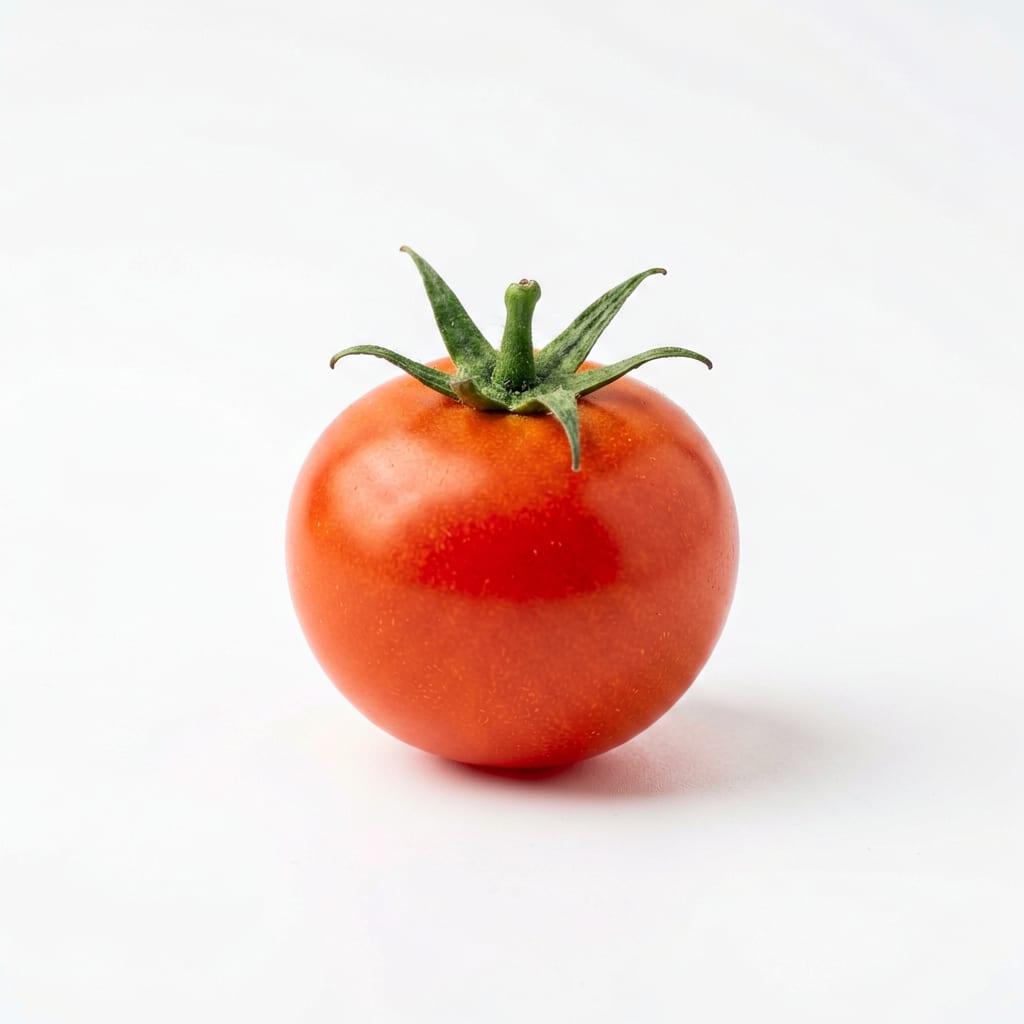
Cherry Tomato
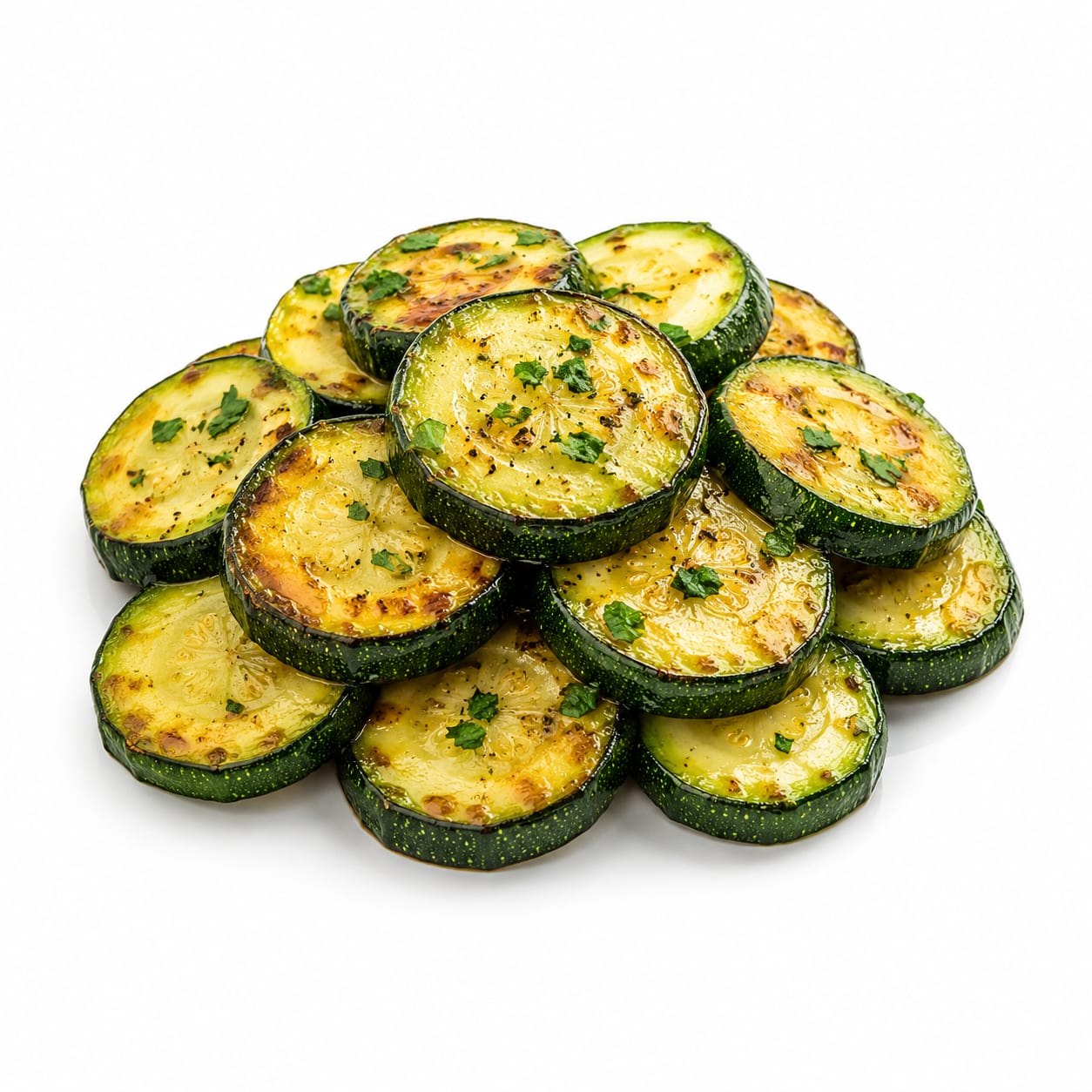
Zucchini
Cherry tomatoes bring bright flavor and antioxidants, while zucchini offers unmatched low-carb bulk and culinary flexibility.
Zucchini edges out slightly for its extreme culinary versatility and lower sugar, but both are exceptional whole foods that serve entirely different daily purposes.
Sweet, antioxidant-rich snacking from cherry tomatoes versus mild, ultra-low-calorie volume from zucchini.
At a glance
Executive summary
Overall
It depends
Healthier
It depends
More practical
Zucchini
Daily use
Zucchini
Key comparison lenses
Low-calorie volume eating
Both are diet staples, but zucchini offers massive portions for nearly zero calories.
Raw snacking vs culinary versatility
Cherry tomatoes shine raw, while zucchini needs preparation but transforms into endless dishes.
Antioxidant and micronutrient density
Cherry tomatoes deliver heavy hits of vitamin C and lycopene, while zucchini is milder nutritionally.
Blood sugar and keto compatibility
Zucchini is a keto favorite for pasta substitution; cherry tomatoes carry slightly more natural sugars.
Best choice for
Cherry Tomato
- Antioxidant boost and lycopene intake
- Quick, no-prep raw snacking
- Adding bright flavor to salads
Zucchini
- Strict keto and very low-carb diets
- Maximizing food volume for minimal calories
- Low-calorie cooking and baking substitutes
Least suitable for
Cherry Tomato
- People with severe nightshade sensitivities
- Those tracking every single gram of carbohydrate
Zucchini
- Those seeking a flavorful standalone raw snack
- People wanting dense vitamin C without supplements
Deep comparison
Dimension by dimension
Each lens scores both foods and breaks down who each option suits.
- Dimension 1 · Priority 95Zucchini
Calorie & Carb Efficiency
Cherry Tomato · 70Zucchini · 98Cherry tomatoes have more flavor and antioxidants, but zucchini provides massive food volume for almost zero calories or carbs.
Tradeoff
You trade the robust flavor and natural sweetness of cherry tomatoes for the pure bulk and keto-friendliness of zucchini.
Why it matters
If you eat large portions to feel full, zucchini keeps calories negligible. If you want a satisfying standalone snack, cherry tomatoes win.
Real-world impact
Choosing zucchini means you can eat a massive bowl of zoodles without guilt. Choosing cherry tomatoes gives you a pop-in-your-mouth snack that actually tastes exciting on its own.
Cherry Tomato
- Getting a flavorful snack without reaching for junk food
Better for
- Those who easily overeat sweet vegetables
Worse for
Zucchini
- Filling up your plate on a strict calorie deficit
- Maintaining deep ketosis
Better for
- Anyone seeking dense caloric energy
Worse for
- Dimension 2 · Priority 85Cherry Tomato
Antioxidant & Micronutrient Profile
Cherry Tomato · 92Zucchini · 60Cherry tomatoes are a powerhouse of lycopene and vitamin C, while zucchini offers mild hydration and basic nutrients.
Tradeoff
You sacrifice the heavy antioxidant punch of cherry tomatoes for the water-rich blandness of zucchini.
Why it matters
Lycopene supports heart health and skin resilience. Zucchini's nutrients are helpful but not remarkable compared to tomatoes.
Real-world impact
Eating cherry tomatoes regularly gives your skin a healthy glow and supports long-term cellular defense. Zucchini mostly just keeps you hydrated and regular.
Cherry Tomato
- Boosting heart and skin health naturally
- Fighting oxidative stress from aging
Better for
- Those with acid reflux triggered by tomatoes
Worse for
Zucchini
- Gentle digestion without acidic irritation
Better for
- Relying on it as a primary vitamin source
Worse for
- Dimension 3 · Priority 90Zucchini
Culinary Versatility
Cherry Tomato · 65Zucchini · 95Zucchini can be spiralized, baked, grilled, or stuffed. Cherry tomatoes are mostly limited to raw eating or roasting.
Tradeoff
Zucchini requires cooking and seasoning to taste good, while cherry tomatoes are delicious raw but harder to transform.
Why it matters
If you meal prep or cook often, zucchini acts as a blank canvas. Cherry tomatoes are more of a finished product.
Real-world impact
You can use zucchini to replace pasta, bulk up muffins, or make fritters. Cherry tomatoes mostly just get tossed in salads or roasted as a side.
Cherry Tomato
- Zero-prep lunchbox additions
Better for
- Cooking recipes requiring a neutral vegetable base
Worse for
Zucchini
- Low-carb pasta cravings
- Sneaking veggies into baked goods
Better for
- Quick snacking without a kitchen
Worse for
- Dimension 4 · Priority 80Zucchini
Blood Sugar Stability
Cherry Tomato · 75Zucchini · 95Zucchini has almost no sugar or digestible carbs, making it a safer bet for strict blood sugar control.
Tradeoff
Cherry tomatoes bring natural sugars that add up in large bowls, while zucchini keeps glucose completely steady.
Why it matters
For diabetics or keto dieters, even natural vegetable sugars require careful accounting.
Real-world impact
You can eat zucchini freely without worrying about an afternoon energy crash. A massive bowl of cherry tomatoes might give a slight sugar bump.
Cherry Tomato
- A quick, light energy lift during the day
Better for
- Those who cannot tolerate any sugar fluctuations
Worse for
Zucchini
- Tight diabetic glucose management
- Avoiding carb cravings entirely
Better for
- Situations where you need immediate energy
Worse for
- Dimension 5 · Priority 75Cherry Tomato
Snacking Convenience
Cherry Tomato · 95Zucchini · 40Cherry tomatoes are the perfect pop-in-your-mouth raw snack. Raw zucchini is bland and unappealing to most.
Tradeoff
You get grab-and-go satisfaction from cherry tomatoes, whereas zucchini requires chopping, cooking, and seasoning.
Why it matters
When hunger hits and you have no time to cook, cherry tomatoes are ready. Zucchini is not a convenience food.
Real-world impact
Keeping a bowl of cherry tomatoes on the counter makes healthy snacking effortless. A raw zucchini will just sit in the fridge until you have time to cook.
Cherry Tomato
- Busy people needing instant healthy snacks
- Office desk grazing
Better for
- Messy eaters on the go (they can squirt)
Worse for
Zucchini
- Planned meal prep sessions
Better for
- Spontaneous hunger attacks
Worse for
Timeline
Health impact over time
Short-term
Hours to days
Cherry Tomato
- Quick hydration and refreshing energy
- Slight blood sugar bump from natural sugars
- Immediate satiety from water and fiber
Zucchini
- Immediate fullness from sheer water and fiber volume
- Steady, crash-free energy with no sugar spike
- Gentle on the stomach with no acidity
Long-term
Months to years
Cherry Tomato
- Improved heart and skin health from lycopene
- Better antioxidant defense against cellular aging
- Potential aggravation of acid reflux if eaten in excess
Zucchini
- Effortless weight management from extremely low calorie density
- Improved digestion and regularity from gentle fiber
- Easier long-term adherence to low-carb lifestyles
Risk profile
Safety & processing
Both cherry tomatoes and zucchini are whole, unprocessed vegetables you can eat straight from the garden. Neither carries additive risks unless purchased canned or pre-sauced.
Cherry Tomato
Pesticide residue
mediumTomatoes often rank on the EWG Dirty Dozen list, so washing thoroughly or buying organic is wise.
Nightshade sensitivity
lowCan trigger inflammation or joint pain in a small subset of people sensitive to nightshades.
Zucchini
Cucurbitacin toxicity
lowRarely, zucchini can taste extremely bitter due to natural toxins; if this happens, discard it immediately to avoid digestive illness.
Who wins for whom
Audience fit
Same foods, different winners depending on your goal.
children
Cherry TomatoCherry tomatoes are sweeter, bite-sized, and fun to eat, making them far more appealing to kids than bland raw zucchini.
daily consumption
ZucchiniZucchini is easier to eat in large daily quantities without accumulating sugar or aggravating nightshade sensitivities.
diabetes
ZucchiniZucchini has almost no sugar or digestible carbs, making it safer for tight blood sugar control compared to the natural sugars in cherry tomatoes.
elderly
Cherry TomatoCherry tomatoes are soft, easy to chew, and provide concentrated nutrients like lycopene that support aging hearts and joints.
muscle gain
It dependsNeither is a significant protein source, but both add valuable volume and micronutrients to muscle-building meals without adding fat.
weight loss
ZucchiniZucchini has a fraction of the calories, allowing for massive portion sizes that physically fill you up without derailing a deficit.
Your move
Decision guide
Choose Cherry Tomato
- You want a flavorful, grab-and-go raw snack
- You are looking to boost your antioxidant and lycopene intake
- You need a bright, acidic pop for salads and bowls
Choose Zucchini
- You are on a keto or very low-carb diet
- You want to eat huge portions while cutting calories
- You need a versatile cooking base like zoodles or fritters
Either works if
- You simply want to eat more vegetables every day
- You are roasting a colorful medley of garden veggies for dinner
Avoid both if
- You have severe oral allergy syndrome triggered by raw produce
Final recommendation
Keep both in your kitchen. Use cherry tomatoes for instant snacking and salad brightness, and rely on zucchini when you need low-calorie cooking bulk or a pasta substitute. They solve entirely different problems.
Practical
Consumer tips
- 1
Buy organic cherry tomatoes when possible, as conventional ones often carry higher pesticide residues.
- 2
Never peel zucchini—most of the fiber and nutrients live in the dark green skin.
- 3
If a zucchini tastes unusually bitter, do not eat it; this indicates dangerous natural toxins called cucurbitacins.
- 4
Store cherry tomatoes at room temperature for the best flavor; refrigerating them dulls their taste.
- 5
Freeze grated zucchini in portioned bags for easy addition to winter soups and smoothies.