
Nutrition comparison
Cherry Tomato vs Strawberry: Which Is Healthier for You?
Compare cherry tomatoes and strawberries on sugar, vitamin C, pesticides, and more. Find out which is better for weight loss, diabetes, and daily snacking.
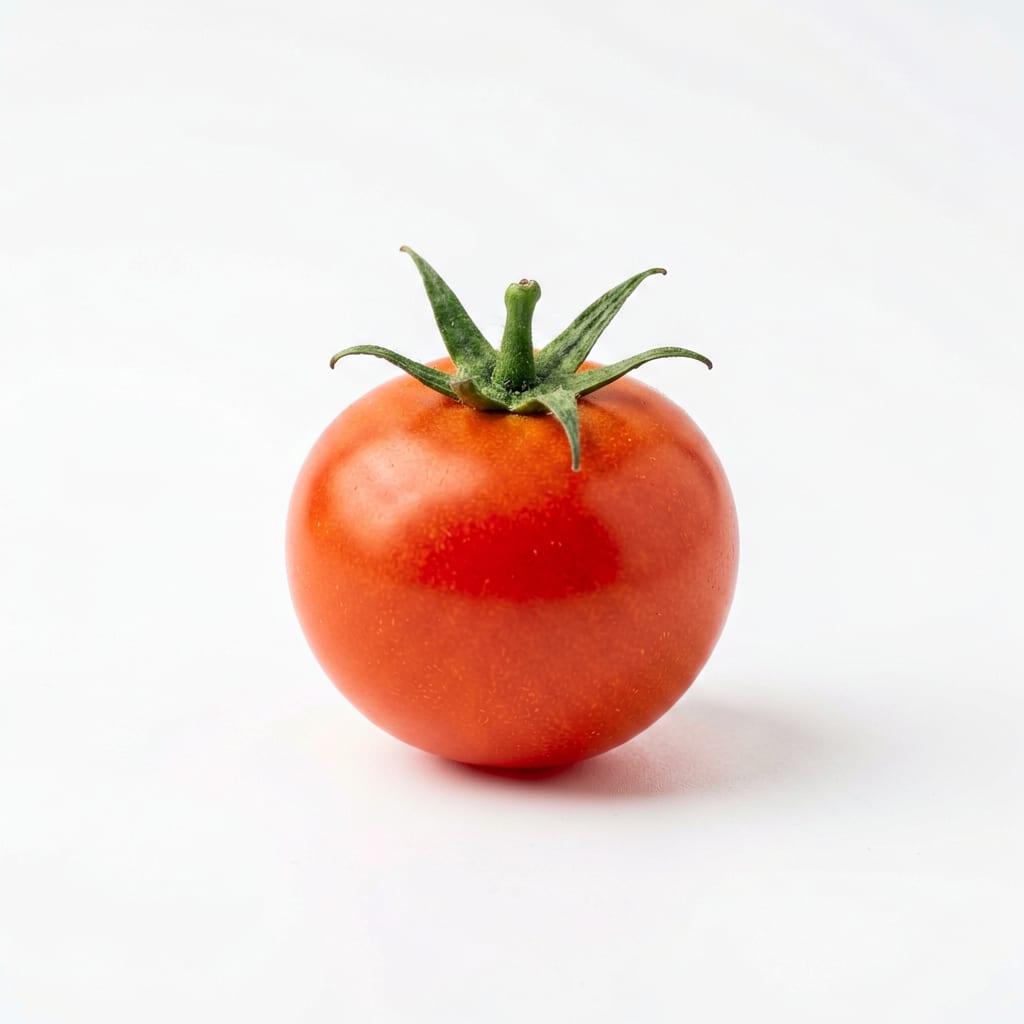
Cherry Tomato
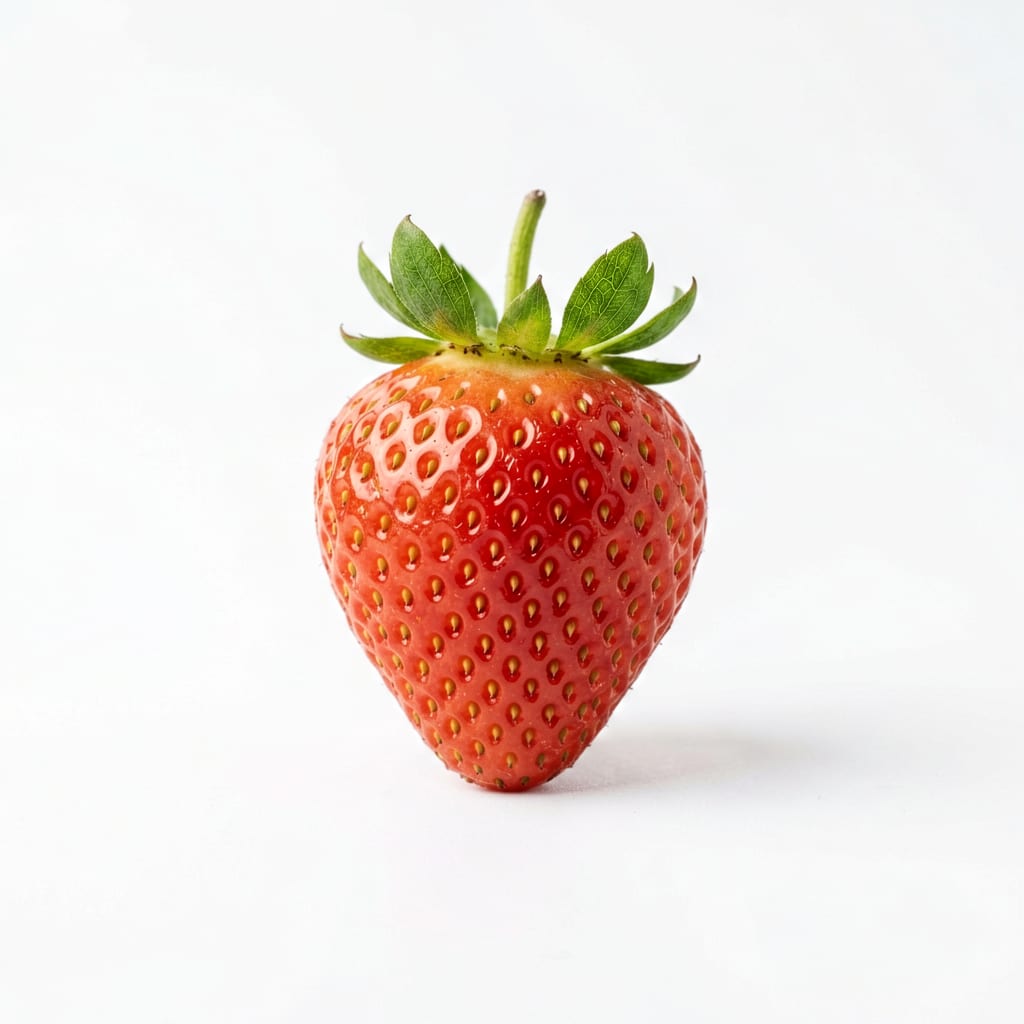
Strawberry
Cherry tomatoes win for blood sugar control and savory snacking; strawberries win for vitamin C and antioxidant variety. Your goals decide the winner.
Cherry tomatoes edge ahead slightly due to lower sugar and stronger safety profile, but strawberries offer superior vitamin C and broader antioxidant benefits. The near-tie reflects how context-dependent this comparison truly is.
Lower sugar and lycopene power in cherry tomatoes versus higher vitamin C and sweeter satisfaction in strawberries
At a glance
Executive summary
Overall
It depends
Healthier
It depends
More practical
Strawberry
Daily use
Cherry Tomato
Key comparison lenses
sugar and glycemic comparison
Cherry tomatoes are savory with minimal sugar while strawberries are sweet fruit with notably more sugar per serving
antioxidant profile diversity
Lycopene in tomatoes versus anthocyanins in strawberries represents two fundamentally different antioxidant pathways
pesticide exposure risk
Strawberries consistently rank on the EWG Dirty Dozen list while cherry tomatoes carry lower residue concerns
weight management snacking
Both are popular low-calorie snacks but differ significantly in sugar content and satiety profile
vitamin c and immune support
Strawberries deliver substantially more vitamin C per serving than cherry tomatoes
Best choice for
Cherry Tomato
- People managing blood sugar or diabetes
- Low-carb and keto dieters
- Those seeking savory snack alternatives
- Anyone watching sugar intake closely
- People wanting lycopene for prostate and heart health
Strawberry
- Children who resist vegetables but enjoy sweet fruit
- Anyone needing a vitamin C boost
- People wanting antioxidant diversity
- Those seeking natural sweet treats without processed sugar
- Post-workout recovery with natural carbs
Least suitable for
Cherry Tomato
- People with nightshade sensitivities or arthritis flares
- Anyone seeking sweet satisfying snacks
- Those with tomato allergies or histamine issues
Strawberry
- Strict low-carb dieters counting every gram of sugar
- People with severe pesticide avoidance preferences unless organic
- Those prone to overeating sweet foods
Deep comparison
Dimension by dimension
Each lens scores both foods and breaks down who each option suits.
- Dimension 1 · Priority 92Cherry Tomato
Sugar and Blood Sugar Impact
Cherry Tomato · 94Strawberry · 68Cherry tomatoes contain roughly half the sugar of strawberries per serving, making them far gentler on blood sugar.
Tradeoff
You gain steadier energy with cherry tomatoes but sacrifice the natural sweetness that makes strawberries more satisfying as a standalone snack.
Why it matters
For anyone monitoring glucose, the difference between 3g and 7g of sugar per cup is significant and measurable in daily energy patterns.
Real-world impact
Cherry tomatoes won't give you that brief sugar spike and subsequent dip that strawberries might, especially if eaten in larger quantities.
Cherry Tomato
- Diabetics and pre-diabetics
- Low-carb adherents
- Intermittent fasters breaking a fast gently
Better for
- Anyone craving sweet satisfaction from snacks
Worse for
Strawberry
- Athletes needing quick natural carbs
- Healthy individuals wanting fruit variety
Better for
- Insulin-resistant individuals
- Those tracking glycemic load carefully
Worse for
- Dimension 2 · Priority 88It depends
Antioxidant Profile
Cherry Tomato · 82Strawberry · 85Cherry tomatoes deliver lycopene for heart and prostate health; strawberries offer anthocyanins for brain and vascular protection.
Tradeoff
Lycopene is fat-soluble and best absorbed with olive oil, while strawberry anthocyanins are water-soluble and absorbed easily on their own.
Why it matters
Different antioxidants protect different systems. Lycopene targets oxidative damage in fatty tissues; anthocyanins target blood vessels and cognitive function.
Real-world impact
Eating both regularly gives you complementary protection. Choosing only one means leaving significant antioxidant coverage on the table.
Cherry Tomato
- Men concerned about prostate health
- People focused on heart disease prevention
- Anyone who pairs vegetables with olive oil regularly
Better for
- People who rarely consume fats with vegetables
Worse for
Strawberry
- Older adults wanting cognitive support
- People seeking vascular protection
- Anyone eating fruit without added fats
Better for
- Those wanting concentrated fat-soluble antioxidant benefits
Worse for
- Dimension 3 · Priority 85Cherry Tomato
Pesticide and Safety Profile
Cherry Tomato · 82Strawberry · 58Strawberries rank consistently on the EWG Dirty Dozen with high pesticide residues; cherry tomatoes carry moderate but lower risk.
Tradeoff
Organic strawberries eliminate most concerns but cost significantly more. Cherry tomatoes are safer even in conventional form.
Why it matters
Strawberries' soft skin and direct soil contact make them pesticide magnets. Cherry tomatoes have smoother surfaces that hold less residue.
Real-world impact
If budget forces conventional produce choices, cherry tomatoes are the safer bet. With organic options available, strawberries become much less concerning.
Cherry Tomato
- Budget-conscious shoppers buying conventional
- Parents feeding young children
- Anyone minimizing cumulative pesticide exposure
Better for
- No significant downside here
Worse for
Strawberry
- Those with reliable access to organic strawberries
Better for
- Families relying on conventional produce
- People highly sensitive to pesticide concerns
Worse for
- Dimension 4 · Priority 78Strawberry
Vitamin C Content
Cherry Tomato · 55Strawberry · 92Strawberries deliver roughly 4 times more vitamin C per serving than cherry tomatoes, making them a superior immune-supporting food.
Tradeoff
Cherry tomatoes compensate with vitamin A and potassium, but cannot match the vitamin C density strawberries offer.
Why it matters
A single cup of strawberries provides nearly your entire daily vitamin C requirement. Cherry tomatoes would require multiple cups to achieve the same.
Real-world impact
During cold season or high-stress periods, strawberries offer noticeably better immune support per calorie consumed.
Cherry Tomato
- People already getting ample vitamin C from other sources
Better for
- Those relying on a single food for vitamin C intake
Worse for
Strawberry
- Anyone fighting off illness
- People with limited vitamin C sources in their diet
- Smokers who deplete vitamin C faster
Better for
- No significant downside for vitamin C
Worse for
- Dimension 5 · Priority 72Strawberry
Versatility and Practicality
Cherry Tomato · 70Strawberry · 78Strawberries work in sweet and savory dishes, smoothies, and as standalone snacks. Cherry tomatoes shine in savory contexts but have narrower use.
Tradeoff
Cherry tomatoes are more filling per calorie due to their savory nature, but strawberries integrate into more meal types effortlessly.
Why it matters
A food you actually enjoy eating in multiple ways delivers more consistent nutritional benefit than one you struggle to incorporate.
Real-world impact
Strawberries disappear into smoothies, top oatmeal, and work in salads. Cherry tomatoes are great but mostly stay in savory territory.
Cherry Tomato
- Salad lovers
- People who snack on savory foods
- Mediterranean diet followers
Better for
- Anyone wanting sweet recipe flexibility
Worse for
Strawberry
- Smoothie drinkers
- Breakfast-focused eaters
- Families with picky children
- Dessert-minded snackers
Better for
- People who dislike sweet flavors in meals
Worse for
- Dimension 6 · Priority 75Cherry Tomato
Satiety and Cravings Management
Cherry Tomato · 80Strawberry · 65Cherry tomatoes satisfy savory cravings without triggering sugar-driven appetite loops. Strawberries' sweetness can sometimes increase desire for more sweet foods.
Tradeoff
Cherry tomatoes stop cravings more reliably but feel less rewarding in the moment. Strawberries feel more indulgent but may not fully close the snack door.
Why it matters
The umami flavor in tomatoes signals satisfaction to the brain differently than sweet flavors, which can activate reward-seeking behavior.
Real-world impact
A bowl of cherry tomatoes tends to end a snacking session. A bowl of strawberries might lead to reaching for something sweeter next.
Cherry Tomato
- Emotional eaters trying to break sugar cycles
- People snacking late at night
- Anyone managing cravings proactively
Better for
- Anyone who finds savory snacks unsatisfying
Worse for
Strawberry
- Those who feel deprived without sweet foods
- People transitioning away from processed sweets
Better for
- Sugar-sensitive individuals who struggle with portion control
Worse for
Timeline
Health impact over time
Short-term
Hours to days
Cherry Tomato
- Steady energy without sugar spikes
- Quick savory satisfaction between meals
- Minimal digestive discomfort for most people
Strawberry
- Mild blood sugar elevation depending on portion size
- Noticeable vitamin C absorption within hours
- Natural energy lift from fructose content
Long-term
Months to years
Cherry Tomato
- Lycopene accumulation supporting heart and prostate health
- Consistent low-sugar intake benefiting metabolic markers
- Potential reduction in oxidative stress in fatty tissues
Strawberry
- Anthocyanin buildup supporting vascular and cognitive health
- Stronger immune resilience from sustained vitamin C intake
- Possible increased pesticide exposure if conventionally grown long-term
Risk profile
Safety & processing
Both cherry tomatoes and strawberries are whole foods typically eaten raw and unprocessed. Neither carries meaningful additive concerns when purchased fresh.
Cherry Tomato
Salmonella contamination
lowTomatoes have occasional salmonella outbreaks but proper washing reduces risk substantially.
Nightshade sensitivity
lowSome individuals with arthritis or autoimmune conditions report symptom flares from nightshade vegetables including tomatoes.
Strawberry
Pesticide residue
highStrawberries consistently rank in the top 3 of the EWG Dirty Dozen with multiple detectable pesticide residues per sample.
Mold and spoilage
mediumStrawberries spoil rapidly and mold growth can introduce mycotoxins. Inspect carefully before eating.
Allergic cross-reactivity
lowStrawberry allergies exist and may cross-react with birch pollen allergies in susceptible individuals.
Who wins for whom
Audience fit
Same foods, different winners depending on your goal.
children
StrawberryMost children accept strawberries eagerly while resisting tomatoes, making strawberries a more practical way to deliver nutrients to picky eaters.
daily consumption
Cherry TomatoLower sugar load and better pesticide safety profile make cherry tomatoes more sustainable as a daily staple without cumulative concerns.
diabetes
Cherry TomatoHalf the sugar content and lower glycemic impact make cherry tomatoes clearly safer for blood glucose management.
elderly
It dependsCherry tomatoes support heart health and blood sugar stability while strawberries support cognitive function and immunity. Both serve different priorities for aging adults.
muscle gain
StrawberrySlightly more natural carbohydrates and significantly more vitamin C support post-workout recovery and collagen synthesis for connective tissue.
weight loss
Cherry TomatoLower sugar and higher satiety per calorie make cherry tomatoes more effective for controlling total intake without triggering cravings.
Your move
Decision guide
Choose Cherry Tomato
- You are managing blood sugar, insulin resistance, or diabetes
- You want a savory snack that stops cravings without triggering sweet loops
- You are concerned about pesticide exposure and buy mostly conventional produce
- You follow a low-carb or keto eating pattern
- You want lycopene benefits for heart or prostate health
Choose Strawberry
- You need more vitamin C in your diet
- You want antioxidant diversity beyond what vegetables offer
- You have access to organic strawberries and want a satisfying sweet whole food
- You are feeding children who resist vegetables
- You want a versatile fruit that works in smoothies, breakfasts, and desserts
Either works if
- You simply want more whole produce variety in your diet
- You are healthy with no specific blood sugar or weight concerns
- You enjoy both and can rotate them seasonally
Avoid both if
- You have known allergies to either food
- You have severe histamine intolerance (tomatoes are high-histamine)
- You are on a very restricted elimination diet
Final recommendation
Eat both when possible. Cherry tomatoes are your daily savory staple with better blood sugar and safety metrics. Strawberries are your vitamin C powerhouse and sweet treat. If forced to choose one for daily use, cherry tomatoes win on consistency and lower risk. If choosing for enjoyment and nutrient diversity, strawberries bring more to the plate. The real win is alternating between them based on what your body craves that day.
Practical
Consumer tips
- 1
Buy organic strawberries whenever budget allows. The pesticide difference is substantial and well-documented.
- 2
Pair cherry tomatoes with olive oil to boost lycopene absorption by up to 4 times.
- 3
Wash strawberries right before eating, not before storing. Pre-washing accelerates mold growth.
- 4
Cherry tomatoes last longer in the fridge; strawberries are best consumed within 2-3 days of purchase.
- 5
Freeze strawberries at peak ripeness for smoothies. Cherry tomatoes freeze poorly and lose texture.
- 6
If buying conventional strawberries, soak them in a baking soda solution for 12-15 minutes to reduce surface pesticide residues.