
Nutrition comparison
Cherry Tomato vs Regular Tomato: Nutrition, Taste & Best Uses
Compare cherry tomatoes vs regular tomatoes for snacking, cooking, and nutrition. Find out which is better for weight loss, kids, and daily use.
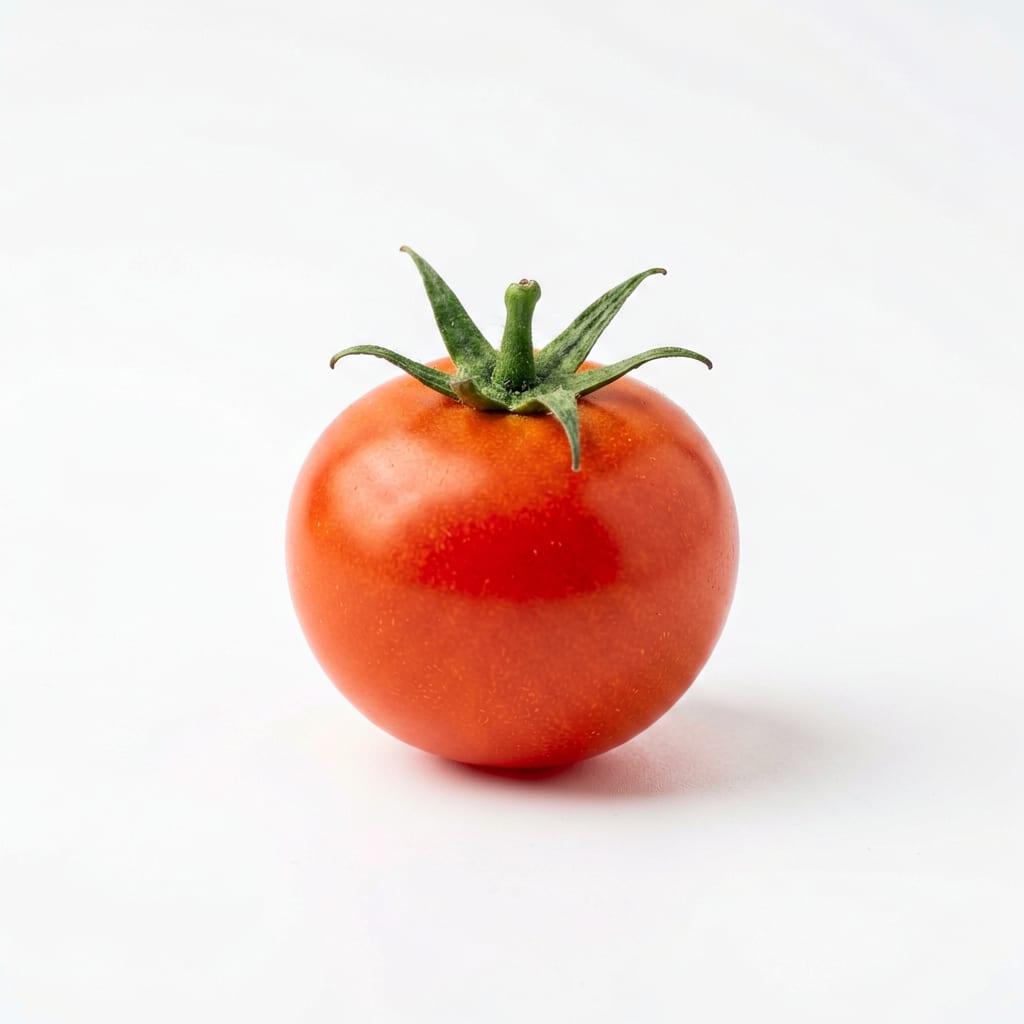
Cherry Tomato
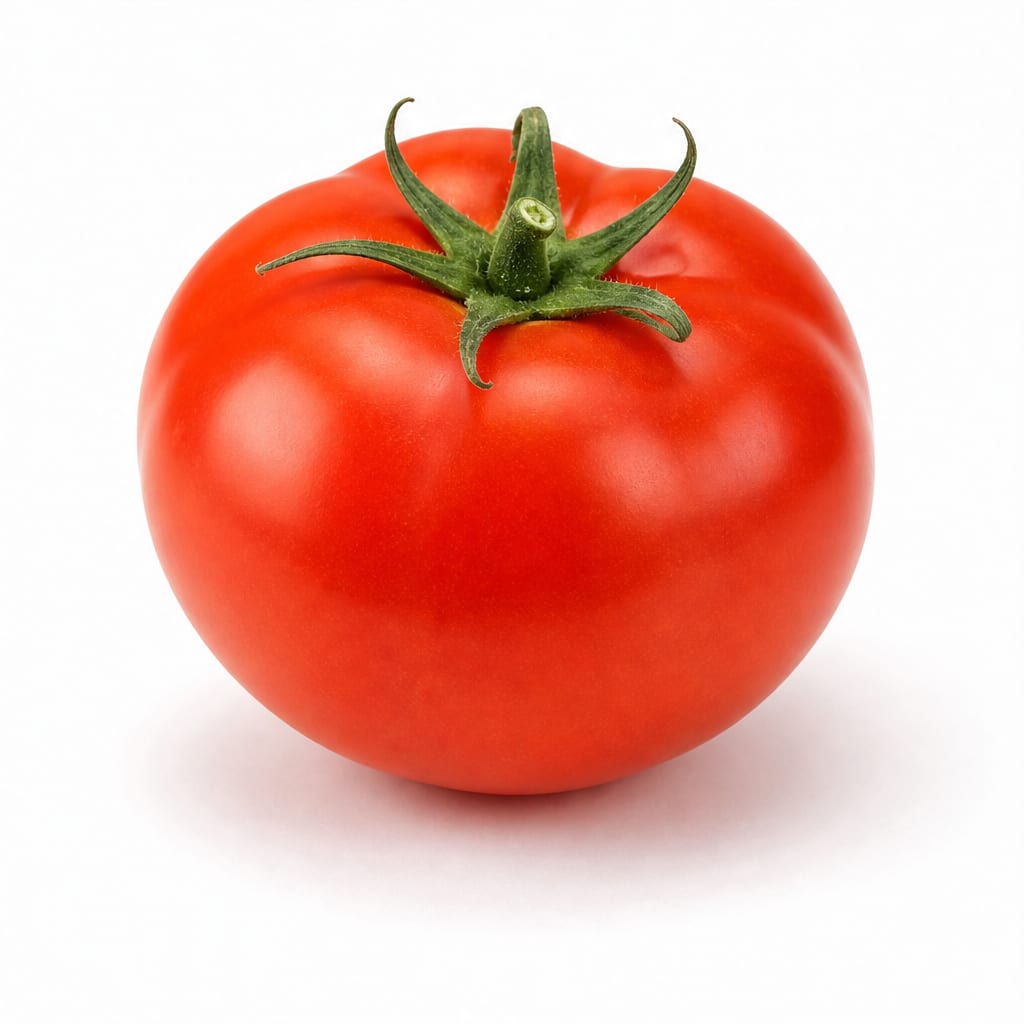
Regular Tomato
Cherry tomatoes win for effortless snacking and raw antioxidant intake, while regular tomatoes are the culinary workhorse better suited for cooking and sauces.
Cherry tomatoes edge ahead slightly for raw nutrient density and snacking convenience, but regular tomatoes are equally valuable for culinary versatility. Scores are very close because both are excellent whole foods.
Convenient, sweeter snacking versus versatile, cookable meal-building.
At a glance
Executive summary
Overall
It depends
Healthier
It depends
More practical
Cherry Tomato
Daily use
It depends
Key comparison lenses
Snacking convenience vs cooking versatility
Cherry tomatoes are grab-and-go snacks, while regular tomatoes require slicing and shine in cooked dishes.
Nutrient density and skin-to-flesh ratio
Cherry tomatoes pack more skin per bite, concentrating antioxidants and fiber compared to larger slicing tomatoes.
Taste profile and sweetness
Cherry tomatoes are noticeably sweeter and less watery, making them more appealing for raw eating.
Lycopene bioavailability
Regular tomatoes are easier to cook down with oil, unlocking more heart-healthy lycopene than raw cherry tomatoes.
Best choice for
Cherry Tomato
- Quick, no-prep snacking
- Kids' lunchboxes
- Salads with a sweet crunch
- Raw antioxidant preservation
Regular Tomato
- Making homemade sauces and soups
- Slicing for sandwiches and burgers
- Meal prepping large batches
- Maximizing cooked lycopene absorption
Least suitable for
Cherry Tomato
- Blending into smooth pasta sauces
- Slicing for deli sandwiches
Regular Tomato
- Grazing while working or driving
- Quick on-the-go snacking
Deep comparison
Dimension by dimension
Each lens scores both foods and breaks down who each option suits.
- Dimension 1 · Priority 95Cherry Tomato
Snackability & Convenience
Cherry Tomato · 95Regular Tomato · 55Cherry tomatoes are the ultimate grab-and-go veggie, requiring no cutting. Regular tomatoes need slicing and are messy to eat raw on their own.
Tradeoff
You trade culinary flexibility for zero-prep snacking ease.
Why it matters
Convenience often dictates whether you actually eat your veggies or let them rot in the fridge.
Real-world impact
Reaching for cherry tomatoes as an afternoon snack is effortless; doing the same with a regular tomato requires a knife and a plate.
Cherry Tomato
- Office desk snacking
- Road trip grazing
- Quick lunchbox packing
Better for
- Dipping into thick hummus (they tend to pop and make a mess)
Worse for
Regular Tomato
- Charcuterie board presentation
- Topping a breakfast bagel
Better for
- Eating one-handed while typing
Worse for
- Dimension 2 · Priority 90Regular Tomato
Cooking Versatility
Cherry Tomato · 50Regular Tomato · 95Regular tomatoes are the backbone of cooked dishes, breaking down beautifully into sauces. Cherry tomatoes can roast well but aren't ideal for smooth purees.
Tradeoff
You sacrifice sauce-making potential for a firmer, poppable texture.
Why it matters
If you cook most of your veggies, regular tomatoes integrate seamlessly into hot meals.
Real-world impact
Making a quick pasta sauce is easy with chopped regular tomatoes; cherry tomatoes leave skins floating in the sauce.
Cherry Tomato
- Quick pan-blistering
- Roasting whole for a side dish
Better for
- Smooth, skin-free purees
- Thick pizza sauces
Worse for
Regular Tomato
- Simmering into marinara
- Blending into creamy soups
- Chopping into chunky salsas
Better for
- Fast side dishes where chopping feels like a chore
Worse for
- Dimension 3 · Priority 85Cherry Tomato
Antioxidant Density & Nutrition
Cherry Tomato · 88Regular Tomato · 82Cherry tomatoes have a higher skin-to-flesh ratio, concentrating antioxidants like lycopene and vitamin C per bite when eaten raw.
Tradeoff
More raw antioxidants per bite versus more bioavailable lycopene when cooked.
Why it matters
The skin is where tomatoes store most of their protective compounds and fiber.
Real-world impact
Eating a cup of cherry tomatoes gives you a slightly bigger antioxidant punch than a cup of chopped regular tomatoes.
Cherry Tomato
- Maximizing raw vitamin C intake
- Getting more fiber per calorie
Better for
- Lycopene is less absorbed when eaten raw without fat
Worse for
Regular Tomato
- Unlocking massive lycopene benefits through cooking with olive oil
Better for
- Lower skin-to-flesh ratio means slightly fewer raw flavonols
Worse for
- Dimension 4 · Priority 80Cherry Tomato
Taste & Sweetness
Cherry Tomato · 88Regular Tomato · 72Cherry tomatoes are typically sweeter and less watery than regular slicing tomatoes, making them far more palatable raw.
Tradeoff
Sweet, bright flavor versus savory, umami depth.
Why it matters
Enjoyment dictates consistency; sweeter veggies are easier for picky eaters to love.
Real-world impact
Kids and salad-avoiders often happily pop cherry tomatoes but turn their noses up at slimy regular tomato slices.
Cherry Tomato
- Pleasing picky eaters
- Adding a sweet pop to salads
Better for
- Can be too sweet for certain savory sauces
Worse for
Regular Tomato
- Adding savory depth to cooked dishes
- Balancing acidic dressings
Better for
- Can be mealy or bland when out of season
Worse for
Timeline
Health impact over time
Short-term
Hours to days
Cherry Tomato
- Quick, light hydration
- Steady energy without a sugar crash
- Very easy on the stomach
Regular Tomato
- Highly hydrating due to water volume
- Filling enough to bridge meals
- Can cause slight acid reflux if eaten on an empty stomach
Long-term
Months to years
Cherry Tomato
- Supports skin health via consistent vitamin C intake
- Daily antioxidant protection from easy snacking
Regular Tomato
- Excellent heart health support from cooked lycopene
- Blood pressure regulation from high potassium intake
Risk profile
Safety & processing
Both are whole, raw vegetables with virtually zero processing concerns when bought fresh. Neither contains added sugars, sodium, or preservatives.
Cherry Tomato
Pesticide residue
mediumCherry tomatoes frequently appear on the EWG's Dirty Dozen list due to pesticide residues on their thin skins. Washing thoroughly is essential.
Regular Tomato
Pesticide residue
mediumRegular tomatoes also carry pesticide risks on their skins, though peeling them after blanching is a more practical avoidance option than with cherry tomatoes.
Who wins for whom
Audience fit
Same foods, different winners depending on your goal.
children
Cherry TomatoThe small size, sweet taste, and fun 'pop' make cherry tomatoes a kid-favorite compared to mushy regular tomato slices.
daily consumption
It dependsIt depends on how you eat them: cherry tomatoes for daily raw snacking, regular tomatoes for daily cooked meals.
diabetes
Cherry TomatoCherry tomatoes have a slightly lower glycemic load per typical serving and are easier to snack on without blood sugar spikes.
elderly
It dependsCherry tomatoes are easy to eat raw, but regular tomatoes cooked down are softer and easier to chew for those with dental issues.
muscle gain
It dependsNeither is a significant protein source, but regular tomatoes offer more volume and potassium to help with post-workout hydration and meal prep.
weight loss
Cherry TomatoCherry tomatoes offer built-in portion control and a satisfying sweet crunch that curbs cravings without overeating.
Your move
Decision guide
Choose Cherry Tomato
- You want a no-prep healthy snack to graze on
- You are packing lunches for yourself or kids
- You eat most of your veggies raw
- You struggle to eat enough vegetables and need something tasty
Choose Regular Tomato
- You cook at home frequently and love making sauces
- You need large slices for sandwiches and burgers
- You want to maximize lycopene absorption through cooking
- You prefer savory, umami flavors over sweet
Either works if
- You are making a fresh salad
- You want to boost your daily vegetable intake
- You are trying to eat more hydrating, low-calorie foods
Avoid both if
- You have a severe nightshade sensitivity
- You are on a strict low-acid diet for severe GERD
Final recommendation
Keep both on hand: cherry tomatoes for effortless snacking and salads, and regular tomatoes for cooking. If you must pick one based on lifestyle, choose cherry tomatoes for raw convenience or regular tomatoes for culinary versatility.
Practical
Consumer tips
- 1
Buy organic for both if possible, as conventional tomatoes often carry significant pesticide residue.
- 2
Store regular tomatoes stem-side down on the counter to keep them fresh longer; never refrigerate them.
- 3
Keep cherry tomatoes in their original container in the fridge if you won't eat them within a few days, but let them come to room temperature for the best flavor.
- 4
Cook regular tomatoes with a healthy fat like olive oil to unlock their full lycopene potential.
- 5
Wash cherry tomatoes right before eating, not before storing, to prevent premature mold growth.