
Nutrition comparison
Cherry Tomato vs Red Onion: Antioxidants, Snackability, and Health Benefits Compared
Cherry tomatoes deliver lycopene and easy snacking. Red onions provide quercetin and stronger anti-inflammatory power. Learn which fits your health goals better.
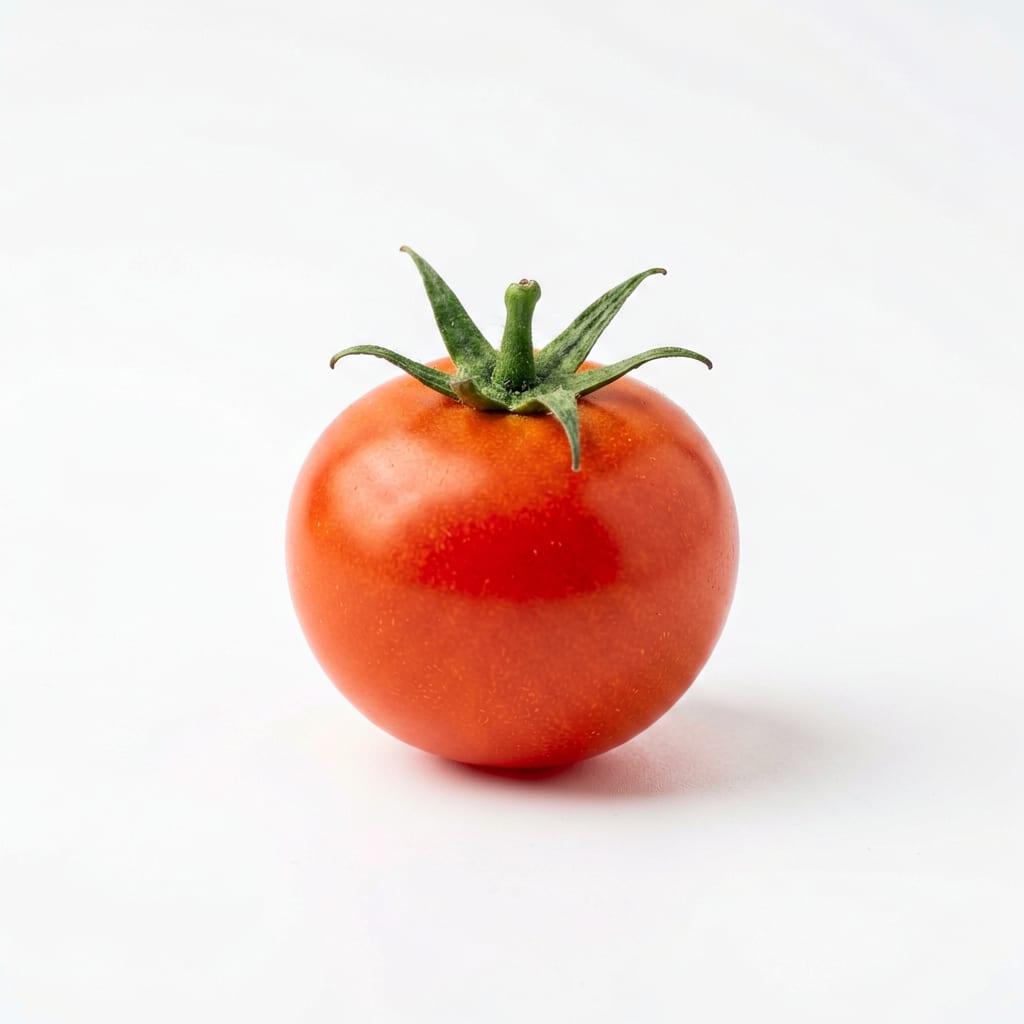
Cherry Tomato
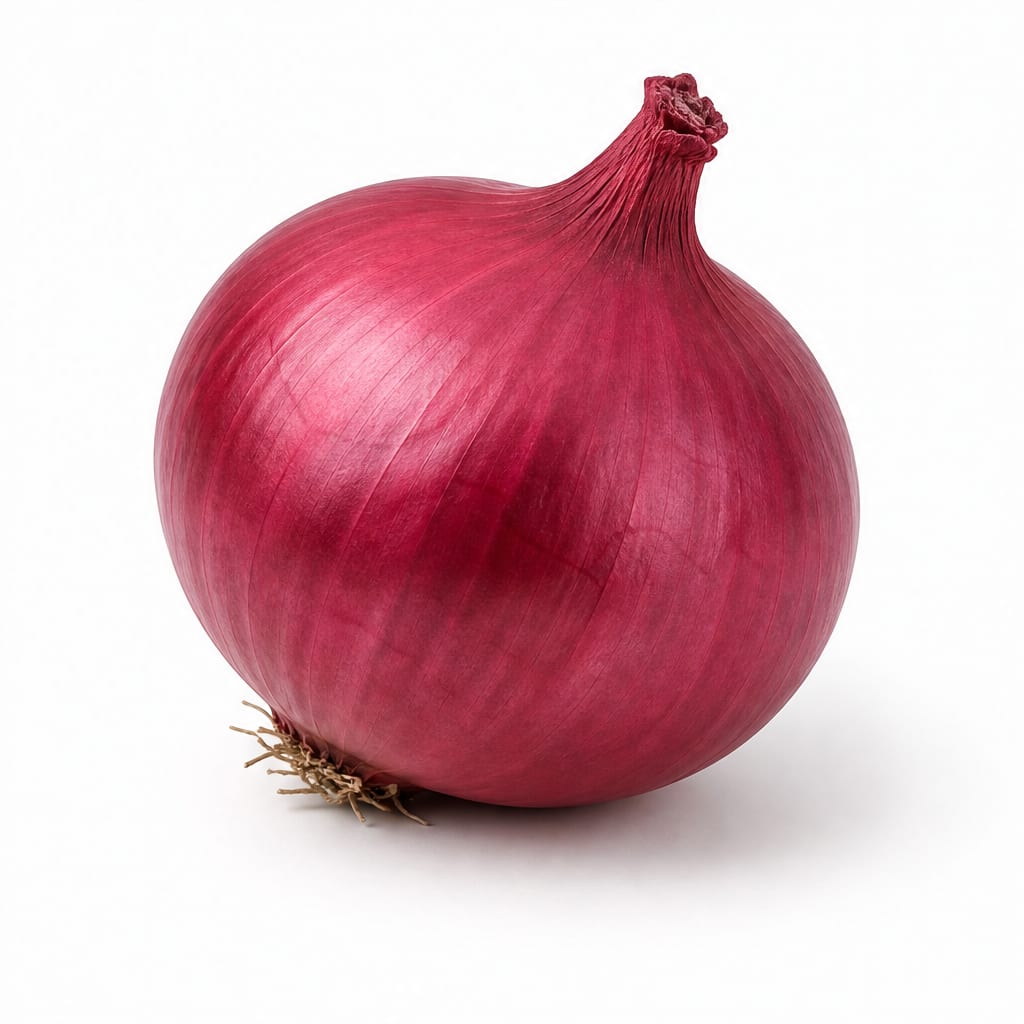
Red Onion
Cherry tomatoes win for snacking and daily ease; red onions win for anti-inflammatory potency and flavor depth. They serve entirely different purposes.
Cherry tomatoes score slightly higher due to superior snackability and broader everyday ease, but red onions are nutritionally potent in ways that matter deeply for specific health goals. The close scores reflect that these foods complement rather than compete.
Convenience and lycopene from cherry tomatoes versus stronger anti-inflammatory compounds and prebiotic fiber from red onions
At a glance
Executive summary
Overall
It depends
Healthier
It depends
More practical
Cherry Tomato
Daily use
Cherry Tomato
Key comparison lenses
antioxidant profile comparison
Cherry tomatoes deliver lycopene while red onions provide quercetin — two distinct, powerful antioxidants with different health benefits
everyday snackability
Cherry tomatoes are a grab-and-go snack; red onions are almost never eaten alone, making practical daily use very different
anti inflammatory benefits
Both foods fight inflammation through different pathways, but users often want to know which does more
digestive tolerance
Red onions are high-FODMAP and cause bloating for many; cherry tomatoes are generally well-tolerated
culinary role and versatility
These foods serve completely different kitchen roles — one is a snack vegetable, the other is a flavoring aromatic
Best choice for
Cherry Tomato
- Easy grab-and-go snacking
- Lycopene and skin health support
- Low-FODMAP diets
- Kids who need appealing vegetables
- Salad bulk with mild sweetness
Red Onion
- Anti-inflammatory protocols
- Heart health and circulation support
- Prebiotic gut fiber intake
- Adding bold flavor without calories
- Quercetin-focused antioxidant needs
Least suitable for
Cherry Tomato
- People with nightshade sensitivities
- Those avoiding acidic foods during reflux flares
- Anyone seeking strong savory flavor impact
Red Onion
- People with IBS or FODMAP intolerance
- Those who find raw onion harsh on the stomach
- Anyone wanting a standalone snack
Deep comparison
Dimension by dimension
Each lens scores both foods and breaks down who each option suits.
- Dimension 1 · Priority 92It depends
antioxidant_power
Cherry Tomato · 82Red Onion · 85Red onions edge ahead with quercetin, a potent anti-inflammatory flavonoid, while cherry tomatoes deliver lycopene which excels at cellular and skin protection.
Tradeoff
Lycopene supports skin and prostate health; quercetin targets inflammation and allergies more directly. You get different antioxidant benefits from each.
Why it matters
Your body benefits from diverse antioxidants. Relying on only one type leaves protective gaps.
Real-world impact
Eating both regularly gives broader disease-fighting coverage than loading up on just one.
Cherry Tomato
- Skin protection from UV damage
- Prostate health maintenance
- Cellular defense against oxidative stress
Better for
- Not a significant quercetin source
- Less targeted anti-inflammatory action
Worse for
Red Onion
- Seasonal allergy symptom reduction
- Joint inflammation relief
- Blood vessel health and circulation
Better for
- No lycopene content
- Less skin-protective benefit
Worse for
- Dimension 2 · Priority 85Cherry Tomato
snackability_and_convenience
Cherry Tomato · 93Red Onion · 25Cherry tomatoes are one of the most convenient fresh snacks available. Red onions are essentially never eaten alone.
Tradeoff
You can pop cherry tomatoes by the handful. Red onions need preparation and are always a supporting ingredient.
Why it matters
The easier a healthy food is to eat, the more likely you are to actually eat it consistently.
Real-world impact
Keeping cherry tomatoes on the counter leads to spontaneous healthy snacking. Red onions require meal prep to contribute meaningfully.
Cherry Tomato
- Quick no-prep snacking
- Packing in lunchboxes
- Eating while working or commuting
Better for
- Can get mealy if stored too long
Worse for
Red Onion
- Flavor-boosting meals without added salt or fat
Better for
- Cannot be eaten as a standalone snack
- Requires cutting and often cooking
- Leftover onion storage is awkward
Worse for
- Dimension 3 · Priority 80Red Onion
anti_inflammatory_impact
Cherry Tomato · 68Red Onion · 86Red onions contain sulfur compounds and quercetin that actively suppress inflammatory markers more powerfully than cherry tomatoes.
Tradeoff
Cherry tomatoes reduce inflammation mildly through lycopene and vitamin C. Red onions hit harder with multiple anti-inflammatory pathways simultaneously.
Why it matters
Chronic inflammation drives most lifestyle diseases. Food choices that actively lower it have outsized long-term value.
Real-world impact
Regular raw red onion consumption correlates with lower inflammatory markers in research, especially for cardiovascular and metabolic health.
Cherry Tomato
- Gentle antioxidant support without digestive irritation
- Anti-inflammatory benefits that tolerate cooking
Better for
- Milder anti-inflammatory effect per serving
- Lycopene absorption requires fat for optimization
Worse for
Red Onion
- Stronger reduction of inflammatory biomarkers
- Sulfur compounds that support detox pathways
- Better for chronic inflammation management
Better for
- Anti-inflammatory compounds degrade significantly with prolonged cooking
Worse for
- Dimension 4 · Priority 75Cherry Tomato
digestive_tolerance
Cherry Tomato · 85Red Onion · 48Cherry tomatoes are gentle on most digestive systems. Red onions are a common IBS trigger due to high fructan content.
Tradeoff
Red onions offer prebiotic fiber that feeds gut bacteria, but that same fiber causes bloating and discomfort for sensitive people.
Why it matters
A food that causes gas, bloating, or pain undermines its own health benefits and reduces quality of life.
Real-world impact
People with IBS or FODMAP sensitivity often need to limit or avoid raw red onion entirely. Cherry tomatoes rarely cause digestive issues.
Cherry Tomato
- Low-FODMAP and gut-friendly
- Easy to digest raw or cooked
- Suitable for sensitive stomachs
Better for
- Slight acidity can bother reflux sufferers in large amounts
Worse for
Red Onion
- Prebiotic fiber feeds beneficial gut bacteria when tolerated
Better for
- High fructans trigger IBS symptoms
- Raw onion commonly causes bloating and gas
- Problematic for anyone on a low-FODMAP protocol
Worse for
- Dimension 5 · Priority 72Red Onion
heart_and_circulation_health
Cherry Tomato · 70Red Onion · 82Both support heart health, but red onions have stronger evidence for blood pressure reduction and blood vessel flexibility.
Tradeoff
Cherry tomatoes help through potassium and lycopene. Red onions add quercetin and sulfur compounds that more directly improve endothelial function.
Why it matters
Cardiovascular disease remains the leading cause of death. Dietary choices that improve vascular function have compounding benefits over decades.
Real-world impact
Regular red onion intake is linked to better blood pressure readings and improved circulation in population studies.
Cherry Tomato
- Potassium supports healthy blood pressure
- Lycopene reduces LDL oxidation
Better for
- Less targeted cardiovascular benefit per serving
Worse for
Red Onion
- Quercetin improves blood vessel flexibility
- Sulfur compounds support healthy blood clotting balance
- More directly linked to blood pressure improvement
Better for
- Benefits strongest when consumed raw, which limits culinary options
Worse for
- Dimension 6 · Priority 68It depends
blood_sugar_stability
Cherry Tomato · 78Red Onion · 76Both are extremely low in calories and carbohydrates, making either a safe choice for blood sugar management.
Tradeoff
Cherry tomatoes have slightly more natural sugar but still negligible impact. Red onions have marginally more fiber per calorie.
Why it matters
Even small blood sugar spikes from snacks add up. Both foods are essentially free passes for glucose control.
Real-world impact
Neither food will cause an energy crash or blood sugar spike regardless of portion size.
Cherry Tomato
- Satisfies sweet cravings without glucose impact
- Easy to eat between meals without insulin concern
Better for
- Trace sugar content slightly higher than red onion
Worse for
Red Onion
- Slightly more fiber per serving slows any glucose absorption
- Chromium content supports insulin sensitivity
Better for
- Rarely eaten in large enough quantities for fiber benefits to accumulate
Worse for
Timeline
Health impact over time
Short-term
Hours to days
Cherry Tomato
- Quick hydration from high water content
- Mild blood sugar stabilization as a between-meal snack
- Slight energy lift from natural sugars and vitamin C
Red Onion
- Potential bloating or gas if sensitive to fructans
- Immediate flavor satisfaction without caloric cost
- Mild sinus clearing effect from sulfur compounds
Long-term
Months to years
Cherry Tomato
- Consistent lycopene intake supports skin and prostate health
- Regular low-calorie snacking helps maintain healthy weight
- Potassium contribution supports sustained blood pressure management
Red Onion
- Ongoing quercetin intake reduces chronic inflammation markers
- Prebiotic fiber gradually improves gut microbiome diversity when tolerated
- Sulfur compounds support long-term cardiovascular and detoxification health
Risk profile
Safety & processing
Both cherry tomatoes and red onions are whole, unprocessed foods you can eat straight from the garden. Neither carries additive concerns in their natural state.
Cherry Tomato
Pesticide residue
mediumTomatoes frequently appear on EWG's Dirty Dozen list. Washing helps but does not remove all residues. Organic options significantly reduce exposure.
Foodborne illness from surface contamination
lowCherry tomatoes are eaten raw with the skin on, so surface pathogens from handling can transfer. Thorough rinsing mitigates this.
Red Onion
Pesticide residue
lowOnions grow underground and have protective papery skins, resulting in lower pesticide residue concerns. They rarely appear on high-risk produce lists.
Bacterial contamination from soil
lowRoot vegetables contact soil but the outer dry layers are removed before eating, making actual risk minimal.
Who wins for whom
Audience fit
Same foods, different winners depending on your goal.
children
Cherry TomatoCherry tomatoes are sweet, bite-sized, and visually appealing. Red onions are too pungent and harsh for most kids' palates.
daily consumption
Cherry TomatoCherry tomatoes are easy to eat every day without palate fatigue or digestive issues. Daily raw red onion is tolerable for some but unpleasant or irritating for many.
diabetes
It dependsBoth have negligible carbohydrate content and will not spike blood sugar. Cherry tomatoes are easier to eat as a glucose-friendly snack between meals.
elderly
Cherry TomatoCherry tomatoes are soft, easy to chew, and gentle on digestion. Raw red onion can irritate aging digestive systems and is harder to tolerate.
muscle gain
It dependsNeither food is relevant for muscle building. Both are essentially calorie-free flavor additions to protein-focused meals.
weight loss
Cherry TomatoCherry tomatoes are a satisfying low-calorie snack you can actually eat between meals. Red onions are too pungent to snack on, so they contribute less to hunger management.
Your move
Decision guide
Choose Cherry Tomato
- You want a convenient healthy snack you can eat without preparation
- Skin health and lycopene intake are priorities
- You have IBS or FODMAP sensitivity and need gentle foods
- You are packing lunches or need portable produce
- You want to increase vegetable intake for a picky eater
Choose Red Onion
- You are focused on reducing inflammation or managing allergies
- Heart health and circulation are top concerns
- You want bold flavor without adding sodium or fat to meals
- Your digestion handles prebiotic fiber well
- You already eat plenty of tomatoes and want antioxidant diversity
Either works if
- You want to maximize overall antioxidant coverage by eating both
- Blood sugar management is your goal — both are essentially neutral
- You are building a nutrient-dense salad and want complementary benefits
Avoid both if
- You have a nightshade sensitivity and allium intolerance simultaneously — though this is rare
- You are on a very restricted elimination diet that temporarily removes both families
Final recommendation
Use both. Cherry tomatoes are your daily snack and salad staple. Red onions are your flavor and inflammation-fighting booster. They fill completely different roles in a healthy kitchen, and the best move is to keep both in regular rotation rather than choosing one.
Practical
Consumer tips
- 1
Pair cherry tomatoes with olive oil to boost lycopene absorption by up to three times
- 2
Let cut red onions sit for 10 minutes before cooking or eating — this activates more quercetin through enzymatic reactions
- 3
Soak raw red onion slices in cold water for 5 minutes to mellow the bite if you find them too harsh
- 4
Store cherry tomatoes at room temperature for best flavor; refrigeration kills their sweetness
- 5
Choose organic cherry tomatoes when possible due to pesticide residue concerns — the extra cost pays off more here than for red onions
- 6
Add red onion to dishes at the end of cooking to preserve more of the heat-sensitive quercetin