
Nutrition comparison
Cherry Tomato vs Grape Tomato: Which Is Better for Snacking, Cooking, and Meal Prep?
Cherry tomatoes are juicier and sweeter; grape tomatoes are sturdier and last longer. Compare nutrition, taste, shelf life, and best uses to pick the right tomato for your needs.
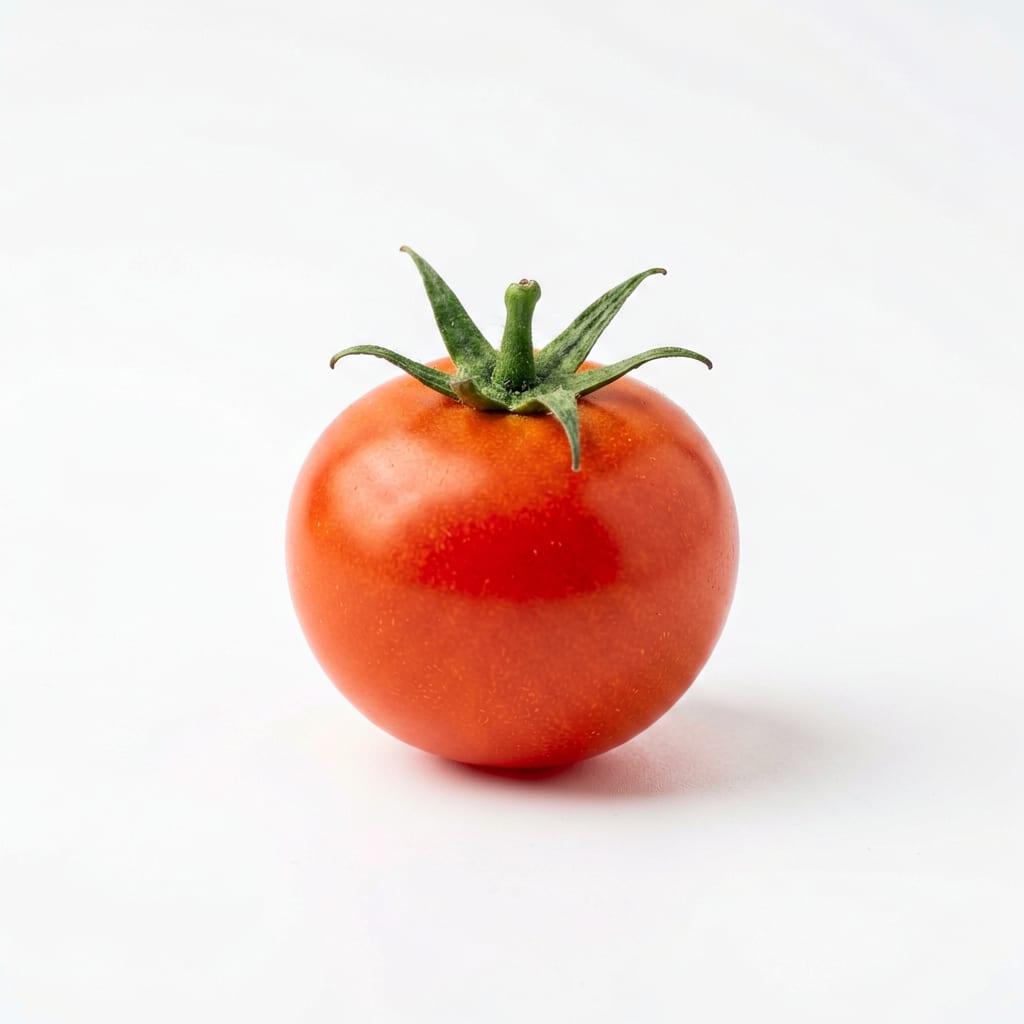
Cherry Tomato
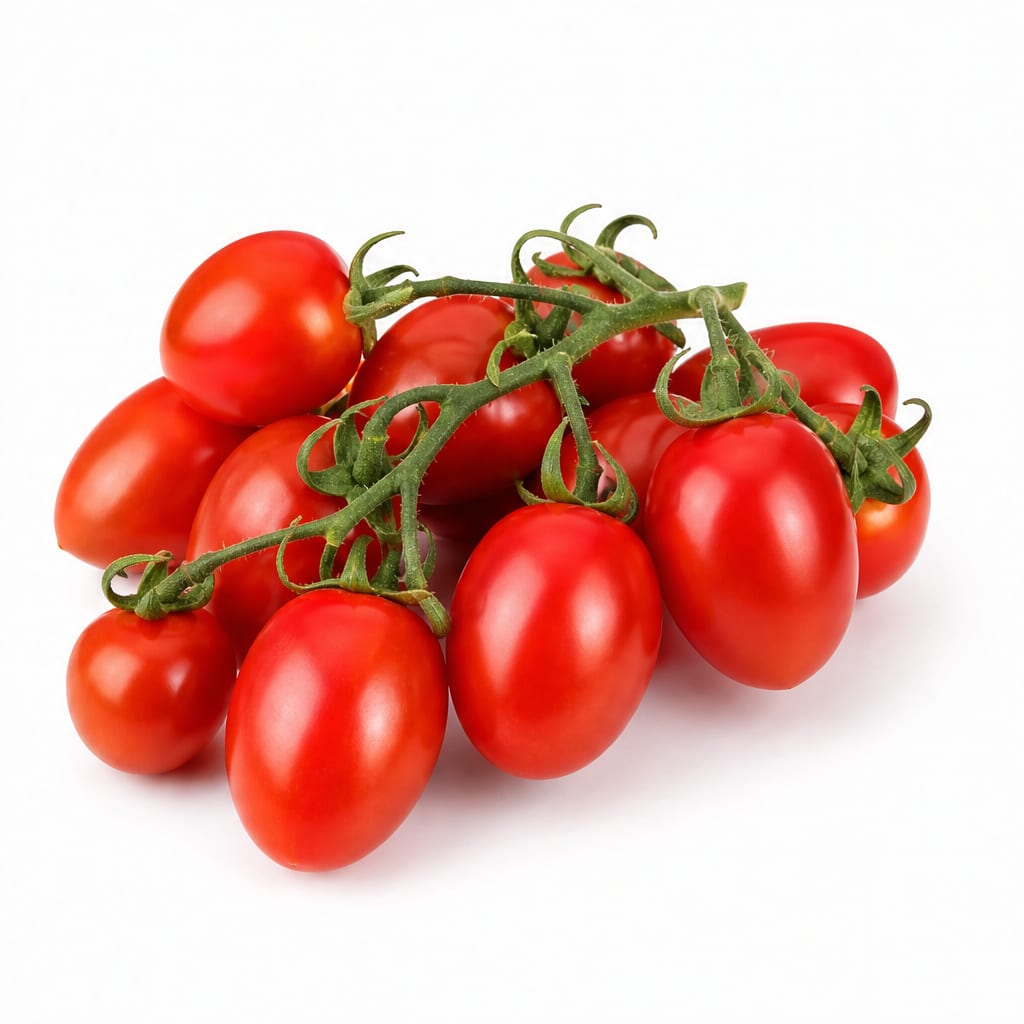
Grape Tomato
Cherry tomatoes win on flavor and juiciness; grape tomatoes win on durability and convenience. Nutritionally, they're nearly identical.
Grape tomatoes edge ahead slightly due to better shelf life and snacking practicality, but cherry tomatoes offer a more flavorful eating experience. The close scores reflect how personal preference dominates this comparison.
Burst-in-your-mouth sweetness versus sturdy, mess-free snacking portability.
At a glance
Executive summary
Overall
It depends
Healthier
It depends
More practical
Grape Tomato
Daily use
Grape Tomato
Key comparison lenses
snacking convenience and portability
These are primarily hand-held snack tomatoes, so how they perform on-the-go matters most
texture and eating experience
The skin thickness and juiciness difference significantly affects enjoyment and mess potential
culinary versatility
How each performs in salads, roasting, and cooking changes their practical value
shelf life and food waste
Grape tomatoes last longer, which affects grocery planning and waste
nutritional density comparison
Both are nutritionally similar, so differences are minor but worth noting
Best choice for
Cherry Tomato
- Salad lovers wanting juicy burst and bright flavor
- Home cooks roasting or making quick sauces
- Anyone prioritizing taste over transport durability
Grape Tomato
- Lunchbox packers and on-the-go snackers
- People tired of tomatoes going bad quickly
- Those who prefer a neater, less messy eating experience
Least suitable for
Cherry Tomato
- Packed lunches where squishing is likely
- People who dislike thin-skinned tomato mess
Grape Tomato
- Dishes where a juicy burst is desired
- Anyone wanting the sweetest, most tender tomato experience
Deep comparison
Dimension by dimension
Each lens scores both foods and breaks down who each option suits.
- Dimension 1 · Priority 90Grape Tomato
Snackability and Portability
Cherry Tomato · 65Grape Tomato · 92Grape tomatoes are the superior snack tomato — thicker skin and oblong shape make them easy to grab, toss in a bag, and eat without dripping.
Tradeoff
You sacrifice some juiciness and tenderness for a tomato that won't make a mess in your lunchbox.
Why it matters
If a food is annoying to transport or eat cleanly, you'll reach for it less often. Convenience drives consistency.
Real-world impact
Grape tomatoes are far less likely to burst in a container or squirt when bitten into during a commute.
Cherry Tomato
- Eating at home where mess doesn't matter
Better for
- Packed meals where squishing is likely
Worse for
Grape Tomato
- Office desk snacking
- Kids' lunchboxes
- Hiking or travel snacks
- Charcuterie boards where neatness counts
Better for
- Situations where a satisfying juicy bite is the whole point
Worse for
- Dimension 2 · Priority 85Cherry Tomato
Flavor and Eating Pleasure
Cherry Tomato · 88Grape Tomato · 72Cherry tomatoes are sweeter, juicier, and deliver a more satisfying burst of tomato flavor when you bite into them.
Tradeoff
That juiciness comes with thinner skin and a higher chance of dripping or squirting.
Why it matters
Enjoyment drives repeat consumption. If it tastes better, you'll eat it more often and actually look forward to it.
Real-world impact
A cherry tomato halved in a salad releases flavor into the dressing. A grape tomato sits more contained and reserved.
Cherry Tomato
- Fresh salads where juice blends with dressing
- Caprese skewers
- Eating out of hand at home
Better for
- Dishes where excess moisture is a problem
Worse for
Grape Tomato
- Situations where you want mild, clean flavor without the mess
Better for
- Anyone seeking that quintessential tomato burst experience
Worse for
- Dimension 3 · Priority 78Grape Tomato
Shelf Life and Food Waste
Cherry Tomato · 60Grape Tomato · 88Grape tomatoes last noticeably longer in the fridge thanks to thicker skin and lower water content. Cherry tomatoes soften and wrinkle faster.
Tradeoff
Longer shelf life comes from a tougher, less delicate tomato — which is exactly what some people don't want.
Why it matters
Food waste is expensive and frustrating. A tomato that lasts 10 days instead of 5 changes your grocery rhythm.
Real-world impact
That container of grape tomatoes sitting in your crisper for a week? Still fine. The cherry tomatoes? Possibly soft and sad by day 5.
Cherry Tomato
- Situations where you'll consume them within 2-3 days
Better for
- Anyone who has thrown away mushy tomatoes too often
Worse for
Grape Tomato
- Weekly grocery shoppers who can't use produce immediately
- Reducing household food waste
- Bulk buying
Better for
- Not applicable — longer shelf life is almost never a downside
Worse for
- Dimension 4 · Priority 72Cherry Tomato
Culinary Versatility
Cherry Tomato · 82Grape Tomato · 70Cherry tomatoes perform better in most cooked dishes — they burst beautifully when roasted, release juices into pan sauces, and integrate into salads more seamlessly.
Tradeoff
Grape tomatoes hold their shape better when cooked, which can be either an advantage or disadvantage depending on the dish.
Why it matters
If you cook with tomatoes regularly, how they behave under heat changes what you can make with them.
Real-world impact
Roasted cherry tomatoes collapse into a jammy, saucy delight. Grape tomatoes stay more intact and firm.
Cherry Tomato
- Roasted tomato pasta dishes
- Blistered tomato pan sauces
- Fresh salads where juice matters
- Bruschetta toppings
Better for
- Dishes where you want tomatoes to hold their shape
Worse for
Grape Tomato
- Skewers and kebabs where shape retention matters
- Slow-cooked dishes where you want distinct tomato pieces
Better for
- Quick pan sauces that benefit from released tomato juice
Worse for
- Dimension 5 · Priority 50It depends
Nutritional Value
Cherry Tomato · 76Grape Tomato · 74Both deliver nearly identical nutrition — vitamin C, potassium, lycopene, and fiber. Cherry tomatoes may have a slight edge in lycopene due to typically deeper red coloration at harvest.
Tradeoff
Any nutritional difference is marginal and should not drive your decision. Taste and practicality matter more here.
Why it matters
Both are excellent sources of antioxidants and vitamins. You're winning either way.
Real-world impact
Eating either tomato daily supports heart health and inflammation reduction. The difference between them is negligible in a real diet.
Cherry Tomato
- Maximizing lycopene intake (slight edge)
Better for
- Not applicable — both are nutritional winners
Worse for
Grape Tomato
- Slightly more concentrated nutrients per piece due to denser flesh
Better for
- Not applicable — both are nutritional winners
Worse for
Timeline
Health impact over time
Short-term
Hours to days
Cherry Tomato
- Quick hydration from high water content
- Vitamin C boost supporting immune function
- Light, low-calorie satisfaction between meals
Grape Tomato
- Similar hydration and vitamin C benefit
- Slightly more filling per piece due to denser texture
- Steady energy with no blood sugar spike
Long-term
Months to years
Cherry Tomato
- Regular lycopene intake supports heart health
- Antioxidant consumption may reduce inflammation over time
- Low calorie density supports healthy weight maintenance
Grape Tomato
- Nearly identical long-term benefits to cherry tomatoes
- Practical durability may lead to more consistent consumption
- Same lycopene and vitamin C advantages with slightly better shelf stability
Risk profile
Safety & processing
Both cherry tomatoes and grape tomatoes are whole, unprocessed foods straight from the vine. Neither contains additives, preservatives, or artificial ingredients. The only processing concern would be pesticide residue on conventionally grown versions — opt for organic if that matters to you.
Cherry Tomato
Pesticide residue
mediumTomatoes consistently appear on EWG's Dirty Dozen list. Cherry tomatoes' thinner skin may allow slightly more residue penetration. Washing helps but doesn't eliminate all residue.
Squish and spoilage
lowThin skin makes cherry tomatoes more prone to cracking and bacterial entry. Inspect containers for moldy or split tomatoes before eating.
Grape Tomato
Pesticide residue
mediumSame concern as cherry tomatoes, though thicker skin may provide marginally more barrier. Organic options reduce this significantly.
Spoilage
lowThicker skin and lower water content make grape tomatoes more resistant to spoilage and bacterial contamination.
Who wins for whom
Audience fit
Same foods, different winners depending on your goal.
children
Grape TomatoGrape tomatoes are easier for small hands to hold, less likely to squirt, and their firmer texture is often more appealing to picky eaters.
daily consumption
Grape TomatoLonger shelf life and better portability make grape tomatoes easier to keep stocked and accessible, supporting daily habits.
diabetes
It dependsBoth have minimal impact on blood sugar — roughly 2-3g carbs per serving with fiber. Either is a safe, smart snack choice.
elderly
Grape TomatoThe neater eating experience and longer shelf life suit smaller households and less frequent shopping trips. Firmer texture is also easier to handle.
muscle gain
It dependsNeither is a protein source. Both serve as low-calorie sides or snacks alongside protein-rich foods. No meaningful difference.
weight loss
It dependsBoth are equally excellent — roughly 3 calories per tomato, high water content, and satisfying crunch. Choose whichever you'll actually eat consistently.
Your move
Decision guide
Choose Cherry Tomato
- You prioritize flavor and juiciness above all else
- You mostly eat tomatoes at home in salads or cooked dishes
- You love that satisfying burst when you bite into a fresh tomato
- You consume tomatoes quickly after buying them
Choose Grape Tomato
- You pack lunches or snacks for work, school, or travel
- You're tired of throwing away tomatoes that went bad too fast
- You prefer a cleaner, less messy snacking experience
- You want tomatoes that hold up on charcuterie boards or skewers
Either works if
- You just want a healthy, low-calorie snack and don't care about the differences
- You're adding tomatoes to a cooked dish where either works fine
- You're buying organic and both options are available at similar prices
Avoid both if
- You have a nightshade sensitivity or tomato allergy
- You're seeking a significant protein or calorie source
Final recommendation
Keep grape tomatoes in your fridge for everyday snacking and lunch-packing practicality. Buy cherry tomatoes when you're cooking a meal where their juiciness and flavor will shine — like a fresh salad, roasted dish, or quick pasta sauce. Many households benefit from keeping both on hand.
Practical
Consumer tips
- 1
Buy organic when possible — tomatoes are a high-pesticide crop, and both varieties absorb residues through their skin
- 2
Store both types stem-side down on the counter if eating within a few days; refrigerate only if you need them to last longer, but let them come to room temperature before eating for best flavor
- 3
Inspect containers before purchasing — one moldy tomato will spread fast, especially with cherry tomatoes' thinner skin
- 4
Grape tomatoes' longer shelf life makes them better for bulk buying at warehouse stores
- 5
If your cherry tomatoes are going soft, roast them immediately — they transform into something delicious rather than going to waste
- 6
Never store tomatoes near bananas or apples — ethylene gas accelerates ripening and spoilage