
Nutrition comparison
Cherry Tomato vs Cucumber: Which Is Healthier for Snacking?
Compare cherry tomatoes and cucumbers on nutrition, hydration, digestion, and weight loss. Find out which low-calorie snack is better for your health goals.
Overall winner · Cherry Tomato
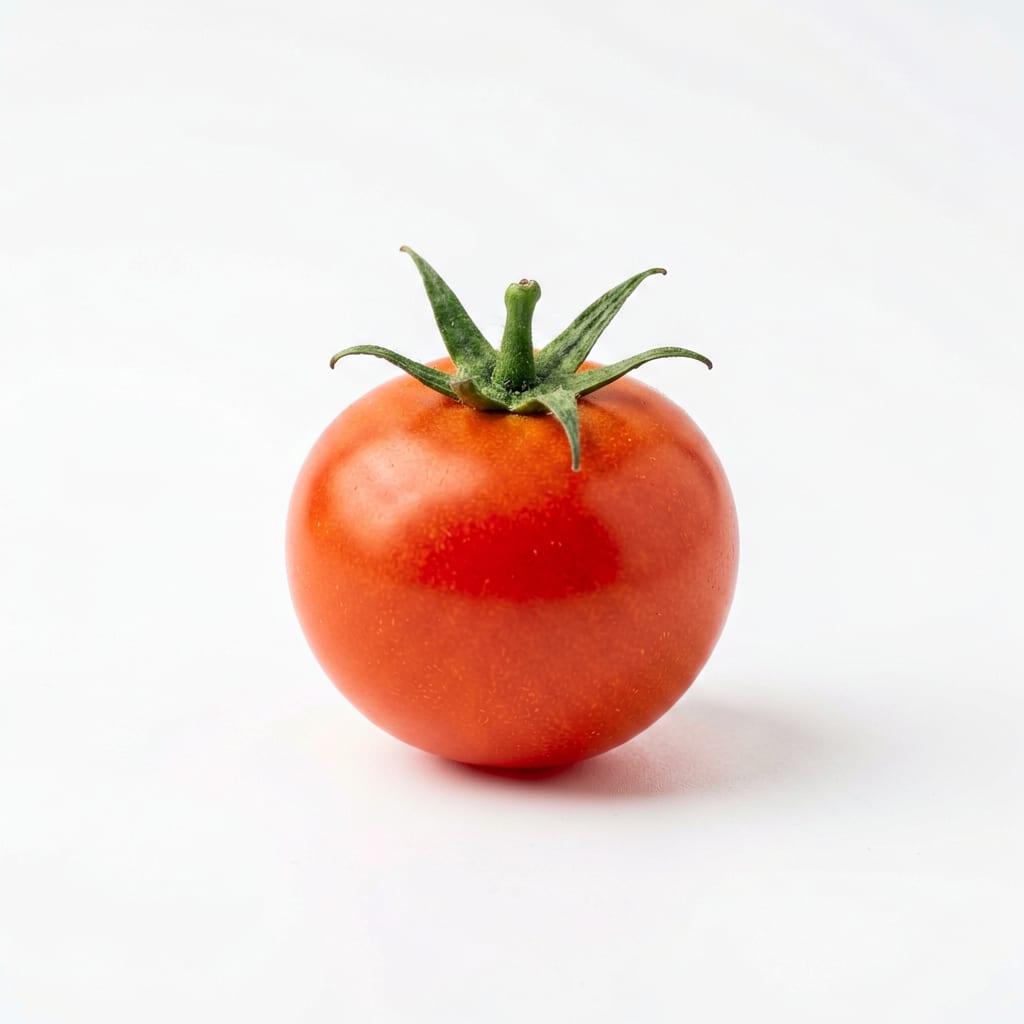
Cherry Tomato
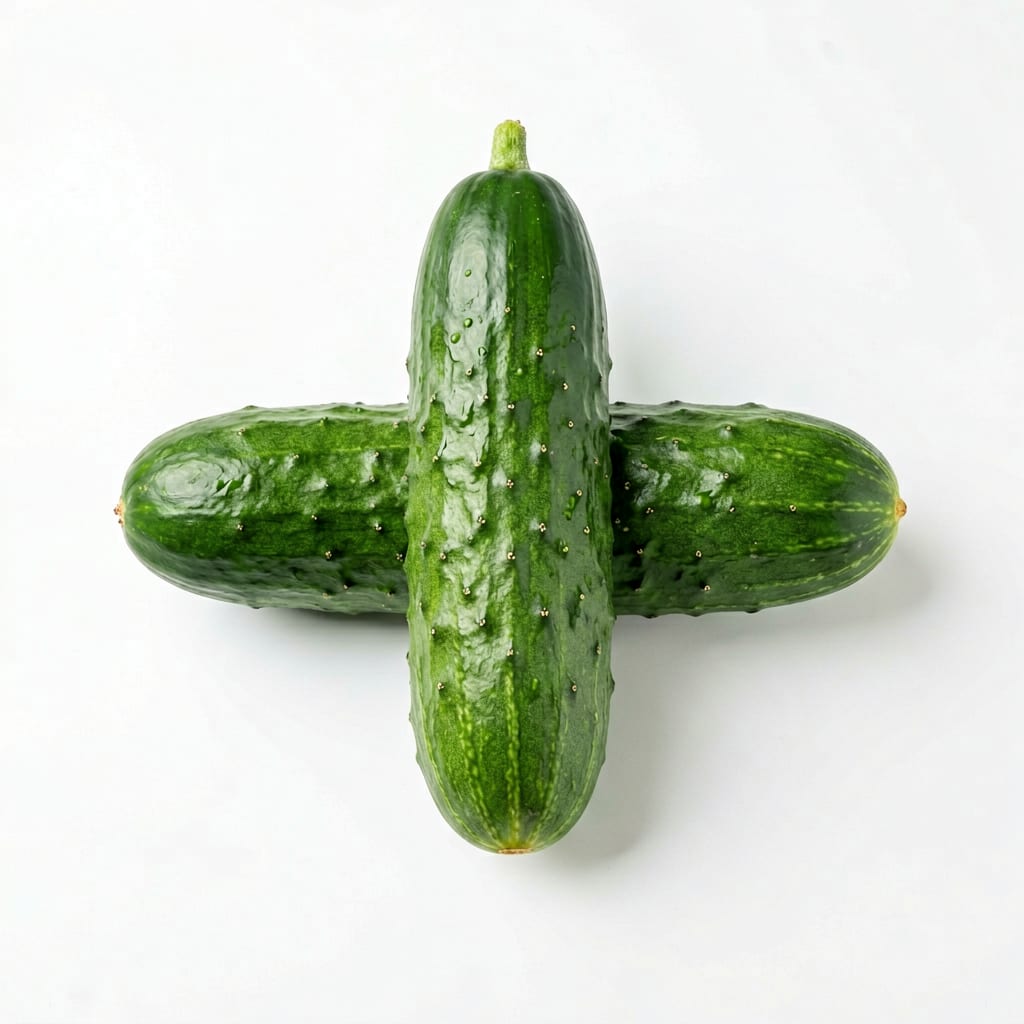
Cucumber
Cherry tomatoes win on nutritional value and antioxidant power, while cucumbers excel at pure hydration and gentle digestion.
Cherry tomatoes score notably higher due to their lycopene, vitamin C, potassium, and overall nutrient density. Cucumbers remain a solid choice but offer fewer bioactive compounds per bite.
Flavor and nutrients versus cool crunch and stomach-friendly lightness.
At a glance
Executive summary
Overall
Cherry Tomato
Healthier
Cherry Tomato
More practical
It depends
Daily use
Cherry Tomato
Key comparison lenses
nutrient density comparison
Cherry tomatoes deliver significantly more vitamins, minerals, and antioxidants per calorie than cucumbers, making this the central tradeoff
hydration and refreshment snacking
Both are popular light snacks, but cucumber is prized for its water content and cooling quality while cherry tomatoes offer more substance
low-calorie diet compatibility
Both are extremely low in calories, so users want to know which gives more nutritional bang for the buck
digestive sensitivity and acid tolerance
Cherry tomatoes are acidic and belong to the nightshade family, which matters for people with reflux or sensitivities
pesticide and contamination exposure
Both are commonly eaten with skin on, raising pesticide residue questions for conventional produce
Best choice for
Cherry Tomato
- People wanting more vitamins and antioxidants from snacks
- Those looking to support heart and skin health
- Anyone needing more flavor satisfaction from low-calorie foods
- Meal preppers wanting versatile cooking ingredients
Cucumber
- People with acid reflux or sensitive stomachs
- Anyone needing maximum hydration from food
- Those who want the lightest possible snack
- Hot weather refreshment seekers
Least suitable for
Cherry Tomato
- People with nightshade sensitivities or arthritis flares
- Those with severe acid reflux or GERD
- Anyone avoiding acidic foods before bedtime
Cucumber
- People seeking nutrient-dense snacks to fill gaps
- Those wanting anti-inflammatory benefits from produce
- Anyone needing sustained energy or satiety from a snack
Deep comparison
Dimension by dimension
Each lens scores both foods and breaks down who each option suits.
- Dimension 1 · Priority 95Cherry Tomato
nutrient density
Cherry Tomato · 88Cucumber · 38Cherry tomatoes deliver far more vitamins, minerals, and antioxidants per calorie than cucumbers.
Tradeoff
You get substantially more nutrition from cherry tomatoes, but cucumbers are gentler if your stomach prefers bland foods.
Why it matters
When calories are nearly equal, nutrient density determines how much your body actually gets from eating the food.
Real-world impact
A handful of cherry tomatoes covers a meaningful chunk of your daily vitamin C and lycopene. A handful of cucumber mostly just hydrates you.
Cherry Tomato
- Boosting antioxidant intake without extra calories
- Supporting heart and prostate health via lycopene
- Filling nutritional gaps in a low-calorie diet
Better for
- Situations requiring zero acid intake
Worse for
Cucumber
- Days when your stomach needs something ultra-mild
- Eating right before intense exercise without digestive load
Better for
- Any scenario where you need real nutritional payoff from your snack
Worse for
- Dimension 2 · Priority 82Cucumber
hydration and refreshment
Cherry Tomato · 62Cucumber · 91Cucumbers are roughly 96% water and provide a uniquely cooling eating experience that cherry tomatoes cannot match.
Tradeoff
Cucumbers hydrate more effectively and feel lighter, but contribute fewer electrolytes and nutrients alongside that water.
Why it matters
For hot days, post-workout refreshment, or people who struggle to drink enough water, food-based hydration matters.
Real-world impact
Eating a whole cucumber feels like drinking a glass of water with a satisfying crunch. Cherry tomatoes feel more like eating a small fruit.
Cherry Tomato
- Getting hydration with meaningful potassium alongside it
Better for
- Situations where maximum water content is the priority
Worse for
Cucumber
- Hot summer days when you want cooling refreshment
- Post-workout rehydration without digestive heaviness
- Replacing water intake through food
Better for
- Needing electrolyte replenishment alongside hydration
Worse for
- Dimension 3 · Priority 78Cucumber
digestive tolerance
Cherry Tomato · 52Cucumber · 87Cucumbers are extremely gentle on the digestive system, while cherry tomatoes can trigger reflux or irritation in sensitive individuals.
Tradeoff
Cherry tomatoes offer more digestive-boosting fiber, but their acidity and nightshade compounds can backfire for some people.
Why it matters
If you have GERD, IBS, or nightshade sensitivity, this difference determines which snack you can actually enjoy comfortably.
Real-world impact
Cucumbers are a safe late-night snack even for reflux sufferers. Cherry tomatoes at midnight might keep you awake with heartburn.
Cherry Tomato
- Supporting regular bowel movements with more fiber
Better for
- Anyone prone to heartburn or acidic stomach upset
Worse for
Cucumber
- People with acid reflux or GERD
- Anyone with nightshade sensitivity
- Late-evening snacking without digestive consequences
- Recovery from stomach illness when reintroducing solids
Better for
- Those needing fiber to support digestion regularity
Worse for
- Dimension 4 · Priority 88Cherry Tomato
antioxidant and anti-inflammatory value
Cherry Tomato · 90Cucumber · 30Cherry tomatoes are rich in lycopene, beta-carotene, and vitamin C. Cucumbers contain minimal antioxidant compounds.
Tradeoff
Cherry tomatoes actively fight inflammation and oxidative stress. Cucumbers are essentially neutral on this front.
Why it matters
Long-term health is heavily influenced by cumulative antioxidant intake from daily food choices.
Real-world impact
Regularly snacking on cherry tomatoes contributes meaningfully to your body's defense against cellular damage. Cucumbers simply do not move the needle here.
Cherry Tomato
- Reducing long-term inflammation
- Supporting cardiovascular health
- Protecting skin from UV damage internally
- Lowering oxidative stress from daily life
Better for
- People who cannot tolerate nightshades despite their antioxidant benefits
Worse for
Cucumber
- Situations where anti-inflammatory foods are not a priority
Better for
- Anyone relying on snacks to contribute to their antioxidant intake
Worse for
- Dimension 5 · Priority 72Cherry Tomato
versatility and culinary use
Cherry Tomato · 82Cucumber · 65Cherry tomatoes work raw, roasted, sauced, and in countless dishes. Cucumbers are mostly limited to raw applications.
Tradeoff
Cooking cherry tomatoes actually boosts lycopene absorption, while cucumbers lose their appeal when heated.
Why it matters
A food you can use in more ways tends to get eaten more often and wasted less.
Real-world impact
Cherry tomatoes can anchor a salad, roast into a pasta sauce, or blend into a soup. Cucumbers are great in salads and tzatziki but rarely beyond that.
Cherry Tomato
- Cooking and meal prep versatility
- Roasting to enhance nutrient absorption
- Adding umami depth to dishes
Better for
- Dishes where you want neutral flavor and pure crunch
Worse for
Cucumber
- Quick no-prep raw snacking
- Adding crunch without changing a dish's flavor profile
Better for
- Any cooked or hot dish application
Worse for
- Dimension 6 · Priority 75Cherry Tomato
satiety and snacking satisfaction
Cherry Tomato · 73Cucumber · 55Cherry tomatoes are more satisfying per handful due to stronger flavor, more fiber, and richer nutrient signals to the brain.
Tradeoff
Cucumbers let you eat a larger volume for fewer calories, but you may feel hungry again sooner.
Why it matters
A snack that actually satisfies prevents overeating later in the day.
Real-world impact
A cup of cherry tomatoes feels like a real snack. A cup of cucumber feels like a palate cleanser that leaves you reaching for something else.
Cherry Tomato
- Bridging meals without getting hungry again quickly
- Satisfying savory and umami cravings
Better for
- Situations where you want to eat a very large volume of food
Worse for
Cucumber
- Volume eating when you want to munch on something large with minimal calories
Better for
- Preventing the post-snack hunger rebound
Worse for
Timeline
Health impact over time
Short-term
Hours to days
Cherry Tomato
- Quick antioxidant boost from vitamin C and lycopene
- Possible heartburn or acid reflux in sensitive individuals
- Moderate satiety from fiber and flavor intensity
Cucumber
- Rapid hydration from extremely high water content
- Soothing effect on the digestive tract
- Minimal satiety contribution, may leave hunger unresolved
Long-term
Months to years
Cherry Tomato
- Consistent lycopene intake supports heart and prostate health
- Vitamin C and A contribute to immune and skin resilience
- Nightshade compounds may aggravate joint pain in susceptible people
Cucumber
- Improved hydration habits if used as a regular water source
- Very low risk of any adverse effects from long-term consumption
- Minimal contribution to long-term nutrient status without dietary variety
Risk profile
Safety & processing
Both cherry tomatoes and cucumbers are whole, unprocessed foods when purchased fresh. The main concern is wax coatings on conventional cucumbers and pesticide residues on both, since they are typically eaten with skin intact.
Cherry Tomato
pesticide residue on skin
mediumTomatoes frequently appear on EWG's Dirty Dozen list. Since cherry tomatoes are eaten whole with skin, washing thoroughly or choosing organic reduces exposure.
foodborne illness from improper handling
lowLike all raw produce, cherry tomatoes can carry surface bacteria. Refrigeration and proper washing minimize risk.
Cucumber
pesticide residue and wax coating on skin
mediumConventional cucumbers are often waxed to retain moisture, trapping pesticides underneath. Peeling removes the wax but also most nutrients. Organic or well-scrubbed is safer.
digestive discomfort from cucurbitacins
lowSome cucumbers contain bitter compounds called cucurbitacins that can cause mild stomach upset, though commercial varieties are bred to minimize this.
Who wins for whom
Audience fit
Same foods, different winners depending on your goal.
children
Cherry TomatoCherry tomatoes are naturally sweet, bite-sized, and fun to eat, making them more appealing to kids. Their vitamin C content also supports immune development.
daily consumption
Cherry TomatoDaily cherry tomato consumption delivers cumulative antioxidant and cardiovascular benefits. Cucumbers are safe daily but contribute less to long-term nutrient status.
diabetes
Cherry TomatoCherry tomatoes have a slightly lower glycemic impact and more fiber, plus their lycopene and antioxidant content supports vascular health, which is critical for diabetes management.
elderly
It dependsCherry tomatoes support heart and bone health with more nutrients, but cucumbers are easier to chew and gentler on aging digestive systems. Choose based on individual health concerns.
muscle gain
It dependsNeither food is relevant for muscle gain. Both are low-protein, low-calorie produce items. Choose based on what complements your actual protein sources.
weight loss
Cherry TomatoBoth are extremely low in calories, but cherry tomatoes provide more nutrients and satiety per calorie, making them a more effective weight loss snack that actually nourishes while cutting.
Your move
Decision guide
Choose Cherry Tomato
- You want maximum nutrition from your low-calorie snacks
- Heart health, antioxidant intake, or lycopene benefits are priorities
- You enjoy bold, savory flavor in your produce
- You cook at home and want a versatile ingredient
- You are trying to make every calorie count nutritionally
Choose Cucumber
- You have acid reflux, GERD, or a sensitive stomach
- You want the most hydrating, cooling snack possible
- You are volume eating and want maximum food for minimal calories
- You need a neutral-flavored crunch that will not compete with other flavors
- You are recovering from stomach illness and need gentle foods
Either works if
- You just want a low-calorie fresh snack and have no specific health concerns
- You are building a salad and want both for variety
- You are trying to eat more vegetables in general
Avoid both if
- You need a protein-rich or calorie-dense snack to fuel activity
- You are looking for something that will keep you full for hours
- You have oral allergy syndrome triggered by raw produce
Final recommendation
Eat both, but lean toward cherry tomatoes as your default snack. They deliver substantially more nutritional value per bite while still being low in calories. Keep cucumbers in rotation for hot days, stomach-sensitive moments, and when you want pure refreshment. If you buy conventional, wash both thoroughly or choose organic to minimize pesticide exposure since you eat the skin on both.
Practical
Consumer tips
- 1
If buying conventional cucumbers, peel them to avoid wax and pesticide residue, though you lose some fiber and nutrients
- 2
Cherry tomatoes absorb more lycopene when eaten with a little olive oil, so pair them with a healthy fat
- 3
Store cherry tomatoes at room temperature for best flavor; refrigeration dulls their taste
- 4
Cucumbers last longer in the crisper drawer but are most refreshing when slightly chilled
- 5
Buy organic for both if possible, since you eat the skin on each and both rank moderate-to-high for pesticide residue
- 6
Mix both in a bowl with a pinch of salt and a drizzle of olive oil for a simple, nutrient-packed snack