
Nutrition comparison
Cherry Tomato vs Celery: Which Snack is Better for You?
Compare cherry tomatoes and celery for weight loss, nutrients, and snacking. Discover the pros and cons of each vegetable to make the best choice for your diet.
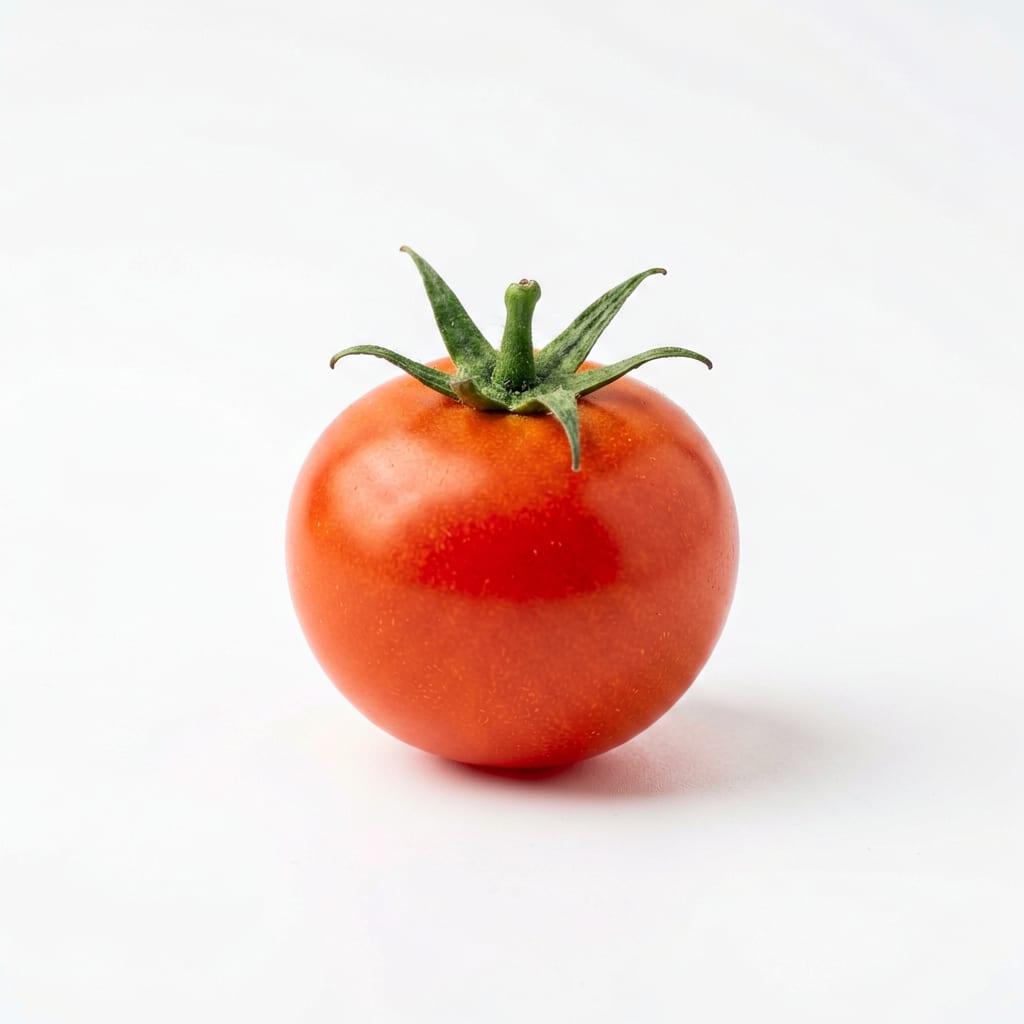
Cherry Tomato
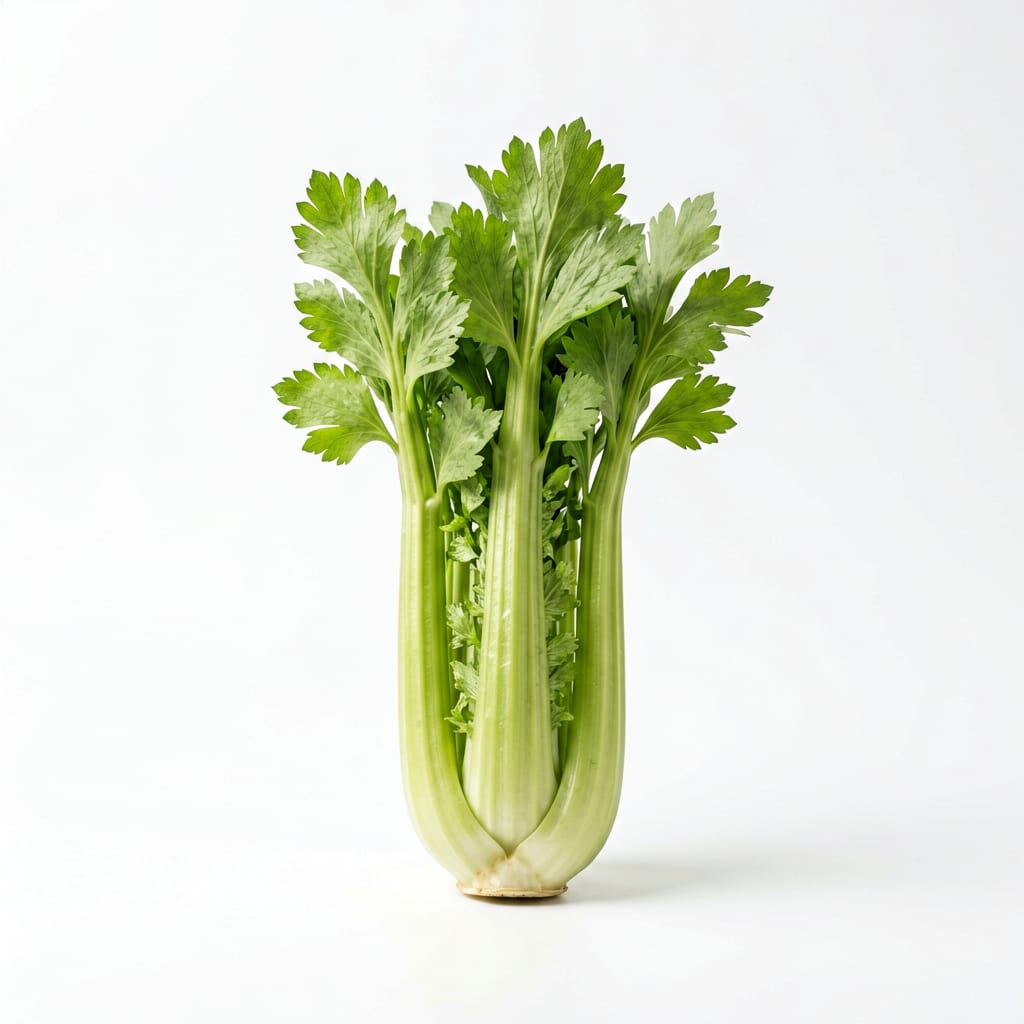
Celery
Cherry tomatoes deliver more flavor and antioxidants, while celery offers maximum crunch and volume for nearly zero calories.
Cherry tomatoes score slightly higher due to a richer micronutrient profile and heart-healthy lycopene, but celery remains an excellent tool for volume eating and weight management.
Rich nutrients and taste versus sheer volume and dipping convenience.
At a glance
Executive summary
Overall
It depends
Healthier
Cherry Tomato
More practical
It depends
Daily use
It depends
Key comparison lenses
Low-calorie snacking and weight management
Both are classic diet snacks, but they satisfy hunger in completely different ways
Nutrient density and antioxidant intake
Cherry tomatoes offer potent antioxidants like lycopene, while celery offers different phytonutrients but fewer vitamins
Hydration and digestion
Both are water-rich and fibrous, but celery is the ultimate hydration crunch
Best choice for
Cherry Tomato
- Heart health and antioxidant support
- Adding flavor without heavy dressings
- Those needing more potassium in their diet
Celery
- Strict calorie counting and volume eating
- Stress eating and crunch cravings
- Using as a vehicle for healthy dips like hummus
Least suitable for
Cherry Tomato
- People with severe acid reflux or GERD
- Those with nightshade sensitivities
Celery
- People on strict low-sodium diets
- Those who find raw veggies hard to digest
Deep comparison
Dimension by dimension
Each lens scores both foods and breaks down who each option suits.
- Dimension 1 · Priority 90Cherry Tomato
Nutrient Density & Antioxidants
Cherry Tomato · 88Celery · 55Cherry tomatoes are a powerhouse of lycopene, vitamin C, and potassium, while celery is comparatively mild in vitamins.
Tradeoff
You get significantly more immune-boosting and heart-protective nutrients in cherry tomatoes, but celery still offers unique phytonutrients like apigenin.
Why it matters
Lycopene is heavily linked to reduced cancer risk and heart health, making cherry tomatoes a high-impact daily food.
Real-world impact
Eating cherry tomatoes regularly can visibly improve skin health and provide steadier energy compared to the subtle effects of celery.
Cherry Tomato
- Reducing oxidative stress
- Supporting heart health
- Boosting skin vitality
Better for
- Those avoiding nightshades
Worse for
Celery
- Providing calming phytonutrients like apigenin
Better for
- Correcting vitamin deficiencies
Worse for
- Dimension 2 · Priority 92Celery
Weight Loss & Volume Eating
Cherry Tomato · 75Celery · 95Celery is the ultimate volume food, letting you eat a massive amount for almost no calories, whereas cherry tomatoes carry slightly more natural sugars.
Tradeoff
Celery gives you more physical bulk per calorie, but cherry tomatoes offer more satiety due to richer flavor and a touch of natural sugar.
Why it matters
When cutting calories, the physical act of chewing and stomach stretch matters. Celery excels at filling you up mechanically.
Real-world impact
If you are stress-snacking at your desk, an entire bunch of celery will cost you the same as a small handful of cherry tomatoes.
Cherry Tomato
- Satisfying flavor cravings without junk food
- A sweet snack alternative
Better for
- Strict calorie restriction where every calorie counts
Worse for
Celery
- Mechanical fullness from volume
- Mindless crunching without calorie overload
Better for
- Emotional eaters needing flavor satisfaction
Worse for
- Dimension 3 · Priority 70Cherry Tomato
Sodium & Blood Pressure
Cherry Tomato · 85Celery · 60Cherry tomatoes are high in potassium and low in sodium, whereas celery is surprisingly high in natural sodium for a vegetable.
Tradeoff
Celery's sodium content helps with hydration and electrolyte balance, but cherry tomatoes are better for actively lowering blood pressure.
Why it matters
The potassium-to-sodium ratio in cherry tomatoes is ideal for relaxing blood vessels, while celery's sodium can be a hidden trap for hypertensive individuals.
Real-world impact
If you have high blood pressure, cherry tomatoes are the safer daily snack. If you are sweating heavily after a workout, celery can help replenish sodium.
Cherry Tomato
- Lowering blood pressure
- Improving potassium intake
Better for
- Those needing sodium replenishment
Worse for
Celery
- Replenishing electrolytes after heavy sweating
- Supporting adrenal function
Better for
- Strict low-sodium diets for hypertension
Worse for
- Dimension 4 · Priority 75It depends
Digestion & Gut Health
Cherry Tomato · 78Celery · 80Both are high in water and fiber, but celery offers more insoluble fiber for bowel regularity, while cherry tomatoes provide soluble fiber and acids that can trigger reflux in sensitive individuals.
Tradeoff
Celery is gentler on the lower digestive tract and great for constipation, but cherry tomatoes can irritate the upper digestive tract if you have GERD.
Why it matters
Choosing the right fiber type matters depending on whether you struggle with reflux or irregularity.
Real-world impact
Celery acts like a natural scrub brush for your intestines, while cherry tomatoes are easier to overeat if you have a sensitive stomach.
Cherry Tomato
- Feeding beneficial gut bacteria with soluble fiber
Better for
- Acid reflux and GERD sufferers
Worse for
Celery
- Promoting regular bowel movements
- Soothing hydration for the gut
Better for
- Those with severe IBS who react to insoluble fiber
Worse for
Timeline
Health impact over time
Short-term
Hours to days
Cherry Tomato
- Provides a quick burst of natural energy from simple carbs
- Offers immediate hydration with a satisfying sweet-tart flavor
Celery
- Delivers a satisfying crunch that reduces stress eating urges
- Replenishes natural sodium and water for quick hydration
Long-term
Months to years
Cherry Tomato
- Lycopene significantly reduces the risk of heart disease and certain cancers
- Potassium helps maintain healthy blood pressure over time
Celery
- Consistent insoluble fiber intake prevents chronic constipation
- Apigenin may offer neuroprotective benefits and reduce inflammation
Risk profile
Safety & processing
Both cherry tomatoes and celery are whole, raw vegetables with no artificial additives when purchased fresh, making them equally clean choices.
Cherry Tomato
Pesticide residue
highConventional cherry tomatoes frequently retain high pesticide residues on their skins, making organic a smart choice.
Acid reflux aggravation
mediumThe natural acidity can trigger heartburn in susceptible individuals, especially when eaten on an empty stomach.
Celery
Pesticide residue
highCelery consistently ranks on the Dirty Dozen list due to its porous structure trapping chemicals; washing thoroughly or buying organic is crucial.
Choking hazard
lowThe tough, stringy fibers can be a choking risk for young children or elderly individuals if not chewed properly.
Who wins for whom
Audience fit
Same foods, different winners depending on your goal.
children
Cherry TomatoCherry tomatoes are sweeter, easier to chew, and lack the tough strings that make celery tricky for kids, though celery with peanut butter is a classic combo.
daily consumption
Cherry TomatoThe broader spectrum of vitamins and heart-protective lycopene makes cherry tomatoes a more impactful daily habit, provided you do not have acid reflux.
diabetes
CeleryCelery has almost zero impact on blood sugar, while cherry tomatoes contain a small amount of natural sugar that requires slight insulin consideration.
elderly
Cherry TomatoCherry tomatoes are softer to chew, and their high potassium content supports heart and bone health in aging adults.
muscle gain
It dependsNeither is a primary muscle-building food, but cherry tomatoes offer slightly more natural carbs for workout energy and potassium for cramp prevention.
weight loss
CeleryCelery provides unmatched volume per calorie, allowing for massive portions that physically fill the stomach without breaking the calorie bank.
Your move
Decision guide
Choose Cherry Tomato
- You want a flavorful, nutrient-dense snack that protects your heart
- You are looking for natural sweetness to curb sugar cravings
- You need more potassium to balance out high-sodium meals
Choose Celery
- You are strictly counting calories and want the most volume per bite
- You need a sturdy, low-carb vehicle for healthy dips like hummus or guacamole
- You are sweating heavily and need to replenish natural sodium and water
Either works if
- You simply want a hydrating, crunchy, whole-food snack instead of processed junk
- You are trying to increase your daily vegetable intake without cooking
Avoid both if
- You have severe digestive issues that require a low-fiber or low-residue diet
Final recommendation
Keep both in your fridge. Use cherry tomatoes when you want flavor, nutrients, and a satisfying pop of sweetness. Use celery when you need mindless crunch, a dip delivery system, or maximum fullness for minimal calories. Pairing them together in a salad gives you the best of both worlds.
Practical
Consumer tips
- 1
Buy organic for both cherry tomatoes and celery, as they frequently rank high for pesticide residue.
- 2
Pair cherry tomatoes with a healthy fat like olive oil or avocado to dramatically boost lycopene absorption.
- 3
Peel the tough outer strings off celery stalks to make them easier to chew and digest, especially for kids.
- 4
Store cherry tomatoes at room temperature for the best flavor; refrigerating them dulls their taste.
- 5
Pre-cut celery sticks and store them in water in the fridge to keep them crisp and ready for snacking.