
Nutrition comparison
Cherry Tomato vs Carrot: Which Is Healthier for Snacking?
Compare cherry tomatoes and carrots on sugar, vitamins, satiety, and blood sugar impact. Find out which vegetable is better for weight loss, diabetes, and daily snacking.
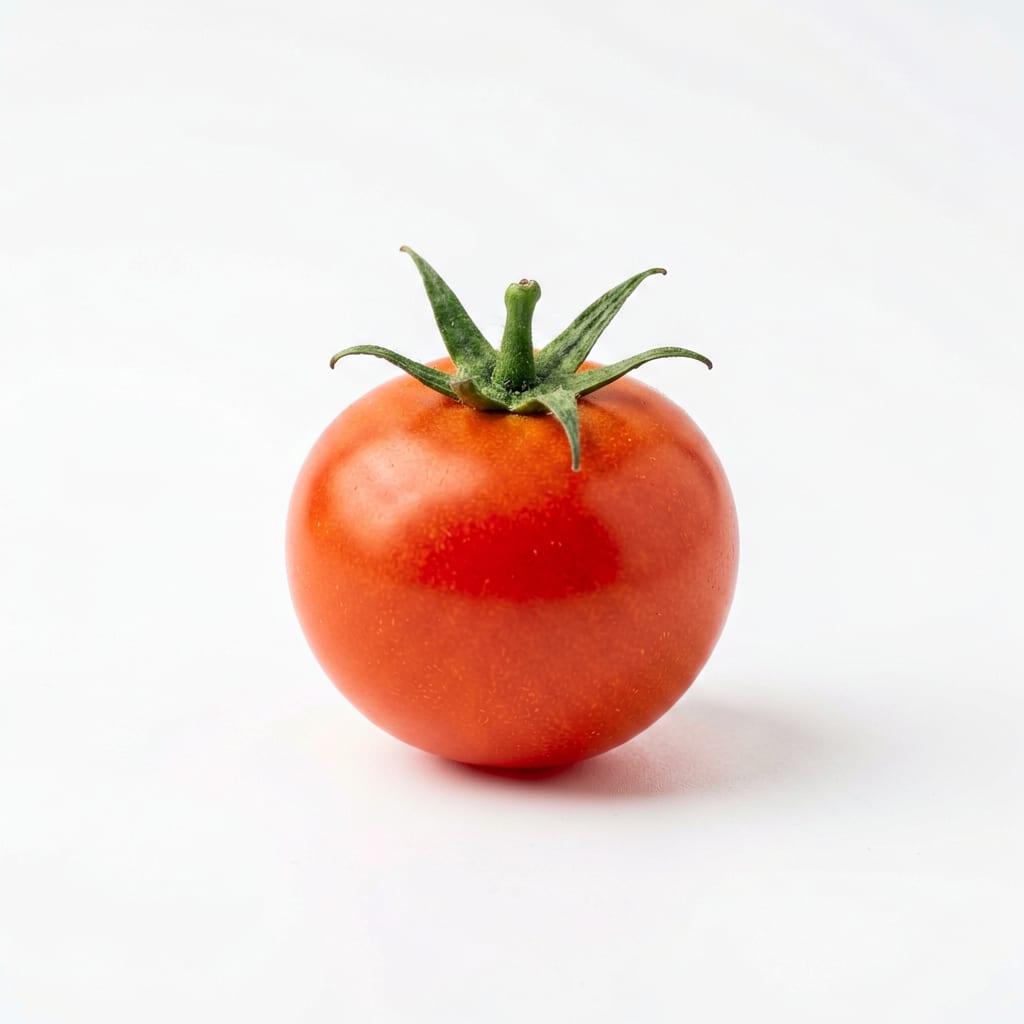
Cherry Tomato
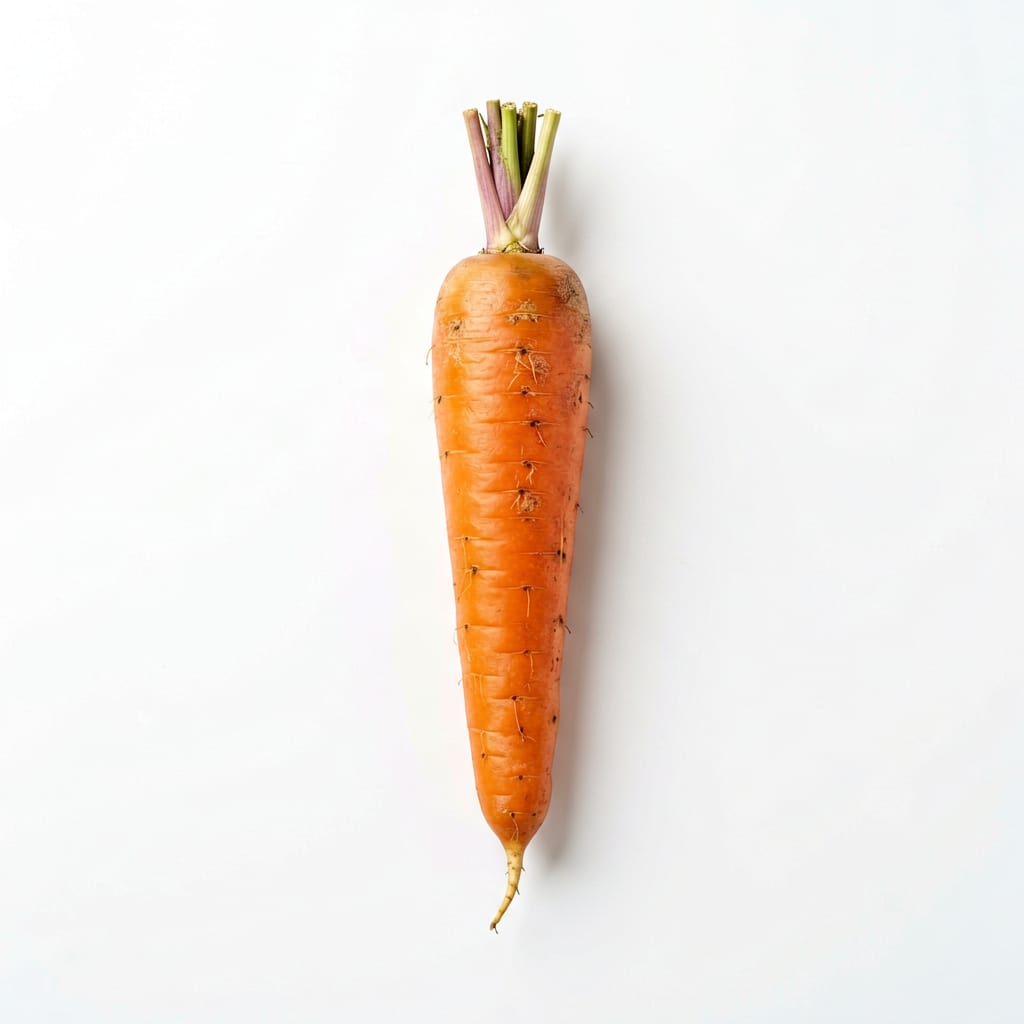
Carrot
Cherry tomatoes win for lower sugar and lycopene benefits; carrots win for vitamin A and crunch satisfaction. Both are excellent choices with different strengths.
Cherry tomatoes edge ahead slightly due to lower sugar and broader antioxidant benefits, but carrots offer superior satiety and vitamin A. The close scores reflect how well-matched these two vegetables are for different needs.
Lycopene and lower carbs from cherry tomatoes versus beta-carotene and more filling fiber from carrots
At a glance
Executive summary
Overall
It depends
Healthier
It depends
More practical
Carrot
Daily use
It depends
Key comparison lenses
snack choice for weight management
Both are popular low-calorie snack vegetables, so users are likely deciding which to grab between meals
antioxidant and vitamin priorities
Cherry tomatoes deliver lycopene while carrots deliver beta-carotene, creating a meaningful nutrient tradeoff
blood sugar and diabetes-friendly eating
Carb and sugar content differs enough to matter for glucose-sensitive users
eye health and skin health optimization
Each food targets different aspects of visual and skin wellness through distinct antioxidants
practical everyday snacking convenience
Texture, portability, and shelf life differ significantly between these two vegetables
Best choice for
Cherry Tomato
- People watching blood sugar closely
- Those seeking heart-protective lycopene
- Anyone wanting a hydrating, light snack
- Salad lovers wanting burst-in-your-mouth freshness
- People prioritizing skin protection from UV damage
Carrot
- People wanting stronger vision support
- Those who need a more filling, crunchy snack
- Anyone meal-prepping on a budget
- Kids who enjoy sweeter vegetable flavors
- People cooking hearty stews and soups
Least suitable for
Cherry Tomato
- People with nightshade sensitivities
- Those who dislike acidic flavors
- Anyone needing a substantial hunger-killing snack
Carrot
- People strictly limiting carbohydrate intake
- Those with beta-carotene absorption issues requiring fat pairing
- Anyone who finds raw carrots difficult to digest
Deep comparison
Dimension by dimension
Each lens scores both foods and breaks down who each option suits.
- Dimension 1 · Priority 90Cherry Tomato
Blood Sugar Impact
Cherry Tomato · 88Carrot · 72Cherry tomatoes have significantly less sugar and fewer carbs per serving, making them gentler on blood glucose.
Tradeoff
Carrots provide more sustained energy from complex carbs but at the cost of higher sugar content per serving.
Why it matters
For anyone monitoring glucose or managing insulin resistance, the difference between 3g and 6g of sugar per cup matters in real daily eating patterns.
Real-world impact
Cherry tomatoes are less likely to trigger an afternoon energy crash, while carrots might leave you slightly hungrier sooner if eaten alone without a fat or protein source.
Cherry Tomato
- Diabetics managing post-meal glucose
- Keto and low-carb dieters
- Intermittent fasters breaking a fast gently
Better for
- Situations requiring quick carbohydrate fuel
Worse for
Carrot
- Athletes needing pre-workout carbs
- Active people requiring sustained energy
Better for
- Strict low-carb protocols
- Blood sugar-sensitive snacking without pairing
Worse for
- Dimension 2 · Priority 88It depends
Antioxidant Profile
Cherry Tomato · 85Carrot · 83Cherry tomatoes deliver lycopene for heart and prostate health; carrots deliver beta-carotene for vision and immune function. Different antioxidants serve different body systems.
Tradeoff
You choose between cardiovascular-protective lycopene and vision-supportive beta-carotene. Neither is objectively superior since they protect different systems.
Why it matters
Lycopene is one of the most studied heart-protective compounds, while beta-carotene is essential for night vision and immune resilience. Both are hard to get in high amounts from other common foods.
Real-world impact
Eating cherry tomatoes regularly may lower long-term heart disease risk, while daily carrots may reduce night blindness and support immune defenses during cold season.
Cherry Tomato
- Men concerned about prostate health
- People with family history of heart disease
- Those seeking UV skin protection from within
Better for
- Those primarily seeking vision improvement
Worse for
Carrot
- People with declining night vision
- Children needing immune support during school season
- Anyone recovering from vitamin A deficiency
Better for
- Those prioritizing cardiovascular antioxidant protection
Worse for
- Dimension 3 · Priority 82Carrot
Satiety and Snack Satisfaction
Cherry Tomato · 68Carrot · 84Carrots are more filling due to their dense crunch and higher fiber content per serving, while cherry tomatoes are lighter and more hydrating.
Tradeoff
Carrots kill hunger better but feel heavier; cherry tomatoes feel refreshing but leave you hungry sooner.
Why it matters
When reaching for a snack between meals, how long it keeps you full determines whether you stay satisfied or return to the kitchen in 30 minutes.
Real-world impact
A handful of carrots with hummus can bridge you from lunch to dinner. Cherry tomatoes vanish quickly and may leave you hunting for something else to eat.
Cherry Tomato
- Hot summer days when you want something light
- Post-meal palate cleansing
Better for
- Genuine hunger that needs real satisfaction
Worse for
Carrot
- Mid-afternoon hunger emergencies
- Late-night snacking where you need to feel full on few calories
- Busy workdays with long gaps between meals
Better for
- Moments when you want something light and refreshing
Worse for
- Dimension 4 · Priority 80Carrot
Vitamin and Mineral Density
Cherry Tomato · 74Carrot · 82Carrots deliver dramatically more vitamin A, while cherry tomatoes provide more vitamin C and potassium. Carrots win on overall micronutrient volume per calorie.
Tradeoff
Carrots dominate vitamin A intake but lack the vitamin C punch of cherry tomatoes. You get different micronutrient profiles that complement each other well.
Why it matters
Vitamin A deficiency is surprisingly common and affects vision, skin, and immunity. Vitamin C deficiency is rarer but critical for collagen and iron absorption.
Real-world impact
One cup of carrots provides over 400% of daily vitamin A needs, which is hard to match. Cherry tomatoes give a solid vitamin C boost that carrots simply cannot provide.
Cherry Tomato
- People needing immune-boosting vitamin C
- Those who fall short on potassium intake
- Anyone recovering from illness needing antioxidant vitamin C
Better for
- Those relying on one vegetable for broad micronutrient coverage
Worse for
Carrot
- People with inadequate vitamin A intake
- Those who rarely eat orange or dark green vegetables
- Budget-conscious shoppers getting maximum nutrition per dollar
Better for
- Anyone specifically targeting vitamin C goals
Worse for
- Dimension 5 · Priority 75Carrot
Practicality and Versatility
Cherry Tomato · 70Carrot · 80Carrots last longer in the fridge, work in more cooked dishes, and cost less per serving. Cherry tomatoes are more delicate and spoil faster.
Tradeoff
Carrots offer better shelf life and cooking versatility, while cherry tomatoes provide instant ready-to-eat convenience and brighter raw flavor.
Why it matters
The vegetable you actually eat consistently beats the one that rots in your crisper drawer. Practicality drives long-term dietary habits more than nutrition profiles.
Real-world impact
A bag of carrots can sit in your fridge for two weeks and still be usable. Cherry tomatoes might turn mealy or moldy within five days, leading to food waste.
Cherry Tomato
- Quick no-prep snacking straight from the container
- Salad topping that needs zero chopping
Better for
- Anyone who shops infrequently and needs produce to last
- Hot meal cooking where tomatoes would turn to mush
Worse for
Carrot
- Meal prepping for the full week
- Cooking into soups, stews, and stir-fries
- Budget grocery trips maximizing value
- Packing lunches several days in advance
Better for
- Raw salad applications wanting juicy pops of flavor
Worse for
- Dimension 6 · Priority 72Cherry Tomato
Digestive Tolerance
Cherry Tomato · 80Carrot · 70Cherry tomatoes are gentler on digestion for most people, while raw carrots can cause bloating in sensitive individuals due to their tough fiber structure.
Tradeoff
Carrots provide more fiber for gut health but can be harder to break down raw. Cherry tomatoes are easier on the stomach but offer less digestive bulk.
Why it matters
The healthiest food only works if your body can actually process it without discomfort. Digestive complaints are one of the top reasons people abandon vegetable-heavy diets.
Real-world impact
Some people feel gassy or bloated after eating raw carrots, especially in large amounts. Cherry tomatoes rarely cause digestive distress unless you have a nightshade sensitivity.
Cherry Tomato
- People with sensitive digestion
- Those with IBS who tolerate nightshades well
- Anyone easing into eating more vegetables
Better for
- Nightshade-sensitive individuals with joint pain or inflammation
Worse for
Carrot
- People needing more dietary fiber to relieve constipation
- Those with healthy digestion wanting gut microbiome support
Better for
- IBS sufferers triggered by raw tough fiber
- People who experience bloating from cruciferous-adjacent vegetables
Worse for
Timeline
Health impact over time
Short-term
Hours to days
Cherry Tomato
- Quick hydration from high water content
- Light refreshing feeling without heaviness
- Minimal blood sugar disruption after eating
Carrot
- Immediate satiety from dense crunch and fiber
- Mild blood sugar rise that provides short-term energy
- Stomach fullness that delays next eating episode
Long-term
Months to years
Cherry Tomato
- Reduced cardiovascular risk from consistent lycopene intake
- Better skin resilience against sun damage over time
- Lower cumulative sugar exposure supporting metabolic health
Carrot
- Stronger night vision and reduced age-related eye decline
- Improved bowel regularity from sustained high fiber intake
- Enhanced immune resilience during winter months from vitamin A stores
Risk profile
Safety & processing
Both cherry tomatoes and carrots are whole foods typically eaten in their natural state. Neither raises processing concerns when purchased fresh. The only consideration is that cherry tomatoes are more likely to be grown in heated greenhouses, while carrots are typically field-grown.
Cherry Tomato
Pesticide residue
mediumTomatoes consistently appear on EWG's Dirty Dozen list with detectable pesticide residues. Washing helps but does not eliminate all residues. Organic options significantly reduce exposure.
Nightshade sensitivity
lowA minority of people experience joint pain or inflammation from nightshade vegetables. This is not a safety issue for the general population but matters for susceptible individuals.
Carrot
Pesticide residue
lowCarrots typically rank lower on pesticide concern lists. The thick skin that is usually peeled away provides additional protection against surface residues.
Choking hazard for young children
mediumWhole raw carrots are a documented choking risk for children under 4. Always cut into thin strips or cook until soft for young kids.
Who wins for whom
Audience fit
Same foods, different winners depending on your goal.
children
CarrotCarrots are naturally sweeter, which appeals to kids, and their crunch is fun to eat. Just ensure they are cut appropriately for young children to prevent choking.
daily consumption
It dependsBoth are excellent daily vegetables. Cherry tomatoes suit low-carb lifestyles better, while carrots provide more satiety and vitamin A. Rotating between both gives the broadest nutrient coverage.
diabetes
Cherry TomatoLower sugar and carbohydrate content per serving makes cherry tomatoes the safer choice for blood glucose management. Carrots are still acceptable but require more portion awareness.
elderly
CarrotOlder adults benefit most from carrots due to high vitamin A for aging eyes and softer texture when cooked. Cherry tomatoes can be harder to chew for those with dental issues.
muscle gain
It dependsNeither food is a muscle-building staple. Carrots provide slightly more carbs for training fuel, but both should be paired with protein sources for any muscle-building goal.
weight loss
Cherry TomatoCherry tomatoes have fewer calories and less sugar per cup, making them easier to eat in volume without overshooting daily intake. Their high water content also helps with fullness per calorie.
Your move
Decision guide
Choose Cherry Tomato
- You are monitoring blood sugar or following a low-carb eating pattern
- Heart health and lycopene intake are top priorities for you
- You want a light, hydrating snack that will not weigh you down
- You eat salads frequently and want a no-prep flavor boost
- You are prone to afternoon energy crashes from carbohydrate-heavy snacks
Choose Carrot
- You want a filling snack that actually keeps hunger away for hours
- Eye health and vitamin A intake matter most to you
- You meal-prep weekly and need vegetables that last in the fridge
- You are feeding children who prefer sweeter, crunchier vegetables
- You cook hot meals regularly and want a versatile ingredient
Either works if
- You simply want to eat more vegetables and both sound appealing
- You are building a crudité platter and want color variety
- You are trying to increase your daily produce intake from zero to something
- Your main goal is replacing processed snacks with whole foods
Avoid both if
- You have a specific medical condition that restricts all raw vegetables
- You are on a very strict elimination diet that temporarily removes nightshades and high-fiber foods
- You are seeking a protein-rich food to serve as a meal replacement
Final recommendation
Eat both. Cherry tomatoes and carrots complement each other almost perfectly in terms of nutrients. Cherry tomatoes cover lycopene, vitamin C, and potassium, while carrots cover beta-carotene, fiber, and sustained energy. If you must choose one, pick cherry tomatoes for blood sugar control and heart health, or carrots for satiety and vision support. The best real-world strategy is keeping both in your kitchen and alternating based on what your body needs that day.
Practical
Consumer tips
- 1
Buy organic cherry tomatoes when possible since conventional tomatoes carry more pesticide residue than carrots
- 2
Pair carrots with a fat source like hummus or olive oil to dramatically improve beta-carotene absorption
- 3
Store cherry tomatoes at room temperature for better flavor, but refrigerate if you cannot eat them within four days
- 4
Cut carrots into sticks at the start of the week for grab-and-go snacking that actually gets eaten
- 5
If cherry tomatoes spoil too fast, try buying them on the vine as they tend to last longer
- 6
Roasting both vegetables together with olive oil creates a side dish that delivers lycopene and beta-carotene with maximum absorption