
Nutrition comparison
Cherry Tomato vs Bell Pepper: Nutrition, Lycopene, Vitamin C, and Snack Comparison
Cherry tomatoes deliver more lycopene and snack convenience. Bell peppers win on vitamin C and cooking versatility. Compare nutrition, pesticides, and best uses for each.
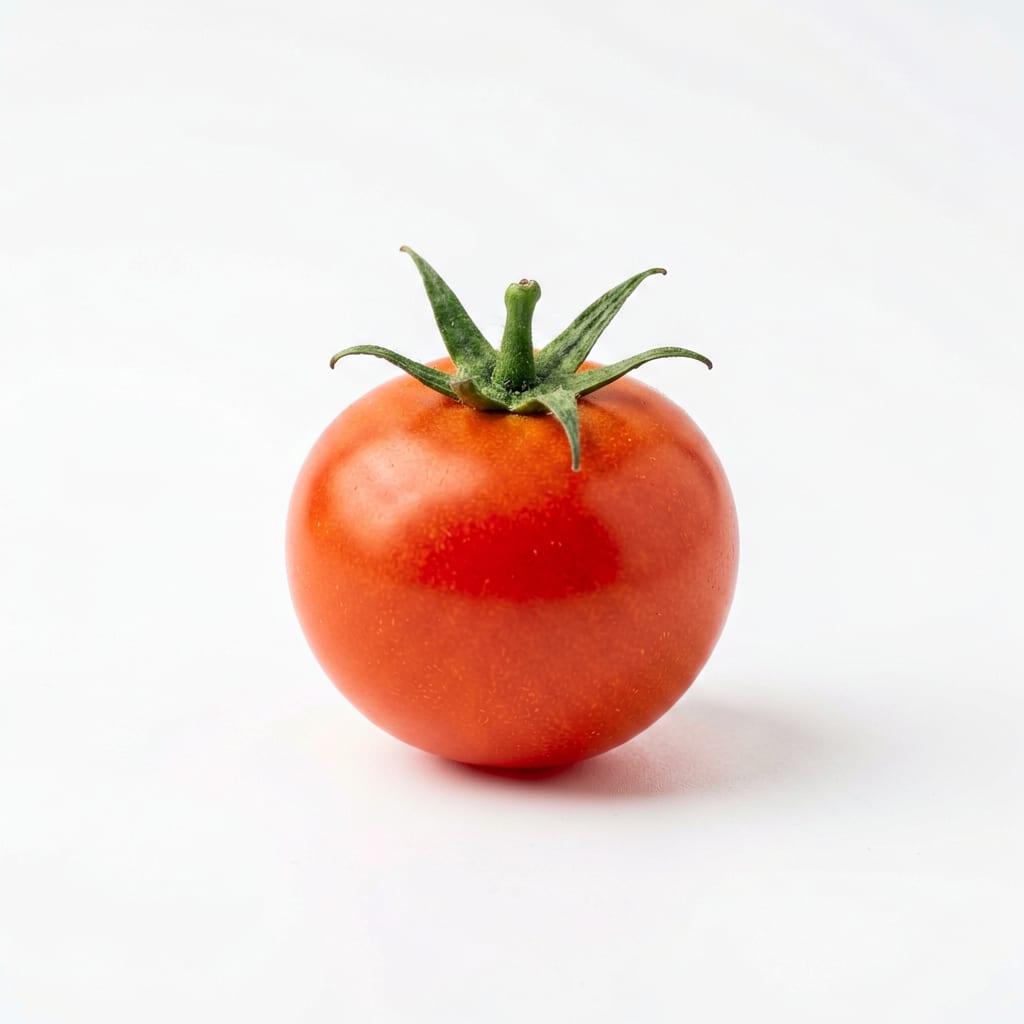
Cherry Tomato
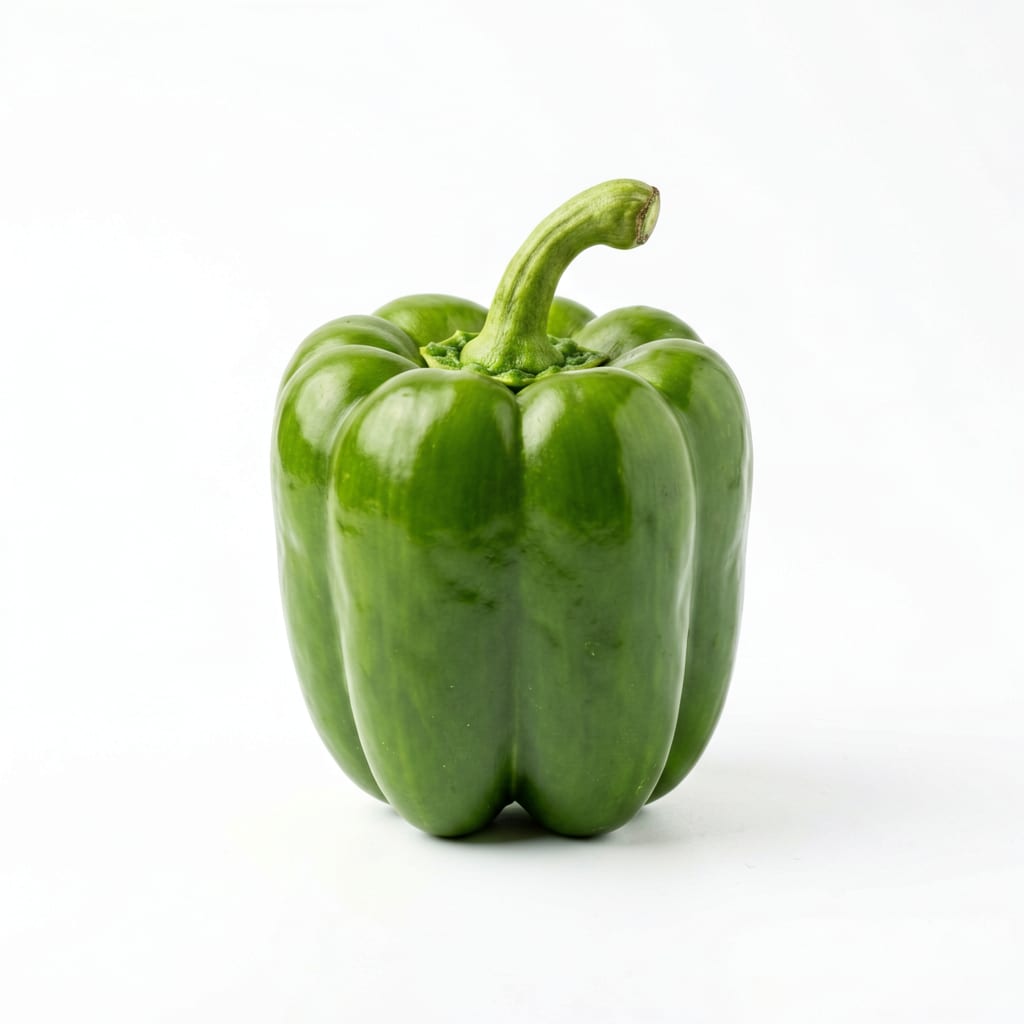
Bell Pepper
Bell peppers deliver dramatically more vitamin C and vitamin A per bite, while cherry tomatoes offer unmatched lycopene and grab-and-go convenience.
Bell peppers edge ahead with superior vitamin C, vitamin A, and cooking versatility, but cherry tomatoes remain excellent for lycopene and convenience. The gap is small because both are nutrient-dense whole foods.
You choose between the antioxidant powerhouse of lycopene in cherry tomatoes versus the vitamin C dominance and culinary flexibility of bell peppers.
At a glance
Executive summary
Overall
It depends
Healthier
It depends
More practical
Cherry Tomato
Daily use
Bell Pepper
Key comparison lenses
snack convenience and portability
Cherry tomatoes are bite-sized and ready to eat; bell peppers require cutting and are less snack-friendly raw
vitamin C and antioxidant comparison
Bell peppers are among the richest vitamin C sources; cherry tomatoes excel in lycopene — users often compare these for immune and skin benefits
cooking versatility
Bell peppers are staples in stir-fries, stuffing, and roasting; cherry tomatoes shine in salads and quick pasta dishes
pesticide and contamination exposure
Both appear on the EWG Dirty Dozen list, making organic sourcing a relevant concern for frequent consumers
weight management and satiety
Both are low-calorie volume foods, but crunch and water content differ enough to affect how satisfying they feel
Best choice for
Cherry Tomato
- Quick snacking without prep
- Lycopene and prostate health support
- Salad toppers and pasta dishes
- Portable lunchbox additions
Bell Pepper
- Vitamin C and immune support
- Stir-fry and cooked meal versatility
- Stuffing and recipe centerpiece
- Low-sugar crunch cravings
Least suitable for
Cherry Tomato
- People avoiding nightshades due to inflammation concerns
- Those wanting a high-vitamin-C food source
- Recipes needing structural integrity when cooked
Bell Pepper
- Grab-and-go snacking without a knife
- Small children who struggle with large raw pieces
- Lycopene-focused antioxidant goals
Deep comparison
Dimension by dimension
Each lens scores both foods and breaks down who each option suits.
- Dimension 1 · Priority 90Bell Pepper
Vitamin C Content
Cherry Tomato · 45Bell Pepper · 97Bell peppers demolish cherry tomatoes in vitamin C, especially red bell peppers which pack over 150mg per cup versus roughly 18mg in cherry tomatoes.
Tradeoff
If immune support or collagen production is your priority, bell peppers are the clear winner. Cherry tomatoes cannot compete here.
Why it matters
Vitamin C supports wound healing, iron absorption, and immune function. A single red bell pepper exceeds your daily needs.
Real-world impact
Eating one red bell pepper covers more than double your daily vitamin C. You would need roughly eight cups of cherry tomatoes to match that.
Cherry Tomato
- Relying on cherry tomatoes as a primary vitamin C source
Worse for
Bell Pepper
- Immune support during cold season
- Skin health and collagen production
- Iron absorption when paired with plant foods
Better for
- Dimension 2 · Priority 85Cherry Tomato
Lycopene and Antioxidant Profile
Cherry Tomato · 92Bell Pepper · 35Cherry tomatoes are a top-tier lycopene source, especially when cooked with a little oil. Bell peppers contain minimal lycopene.
Tradeoff
Cherry tomatoes give you a unique antioxidant that bell peppers simply do not provide in meaningful amounts.
Why it matters
Lycopene is linked to prostate health, cardiovascular protection, and UV skin defense. It is one of the most studied carotenoids.
Real-world impact
Regular tomato consumption is associated with reduced heart disease risk. Cooking cherry tomatoes with olive oil amplifies absorption significantly.
Cherry Tomato
- Prostate health concerns
- Cardiovascular antioxidant support
- Cooked dishes where lycopene bioavailability increases
Better for
Bell Pepper
- Lycopene-specific health goals
Worse for
- Dimension 3 · Priority 88Cherry Tomato
Snack Convenience and Portability
Cherry Tomato · 94Bell Pepper · 55Cherry tomatoes are nature's perfect snack — wash and eat. Bell peppers need slicing and are awkward to eat whole.
Tradeoff
If you want something you can grab from the fridge without prep, cherry tomatoes win easily. Bell peppers require a cutting board.
Why it matters
Convenience drives real-world eating habits. The easier a healthy food is to eat, the more likely you will actually eat it.
Real-world impact
Toss a handful of cherry tomatoes in a lunchbox and you are done. Bell peppers need slicing, storing, and are messier to eat at a desk.
Cherry Tomato
- Office snacking
- Kids lunchboxes
- On-the-go produce
Better for
Bell Pepper
- Structured meals and recipes
Better for
- Spontaneous snacking without prep
Worse for
- Dimension 4 · Priority 82Bell Pepper
Cooking Versatility
Cherry Tomato · 65Bell Pepper · 90Bell peppers are culinary workhorses — they stuff, roast, stir-fry, and grill beautifully. Cherry tomatoes are more limited in cooked applications.
Tradeoff
Bell peppers hold their structure and sweetness when cooked. Cherry tomatoes burst and soften, which works in some dishes but not all.
Why it matters
A vegetable that adapts to many cooking methods gets used more often and reduces food waste.
Real-world impact
Bell peppers work in fajitas, stuffed pepper recipes, ratatouille, and sheet pan dinners. Cherry tomatoes excel in pasta and salads but collapse in stir-fries.
Cherry Tomato
- Quick pasta sauces
- Salad additions
Better for
- Dishes requiring structural integrity when heated
Worse for
Bell Pepper
- Stir-fries
- Stuffed pepper recipes
- Grilling and roasting
- Fajitas and sautés
Better for
- Dimension 5 · Priority 78Bell Pepper
Vitamin A and Eye Health
Cherry Tomato · 50Bell Pepper · 88Red bell peppers provide substantial beta-carotene and vitamin A precursors. Cherry tomatoes offer modest amounts by comparison.
Tradeoff
For eye health and vision support, red bell peppers are the stronger choice per serving.
Why it matters
Vitamin A supports night vision, immune defense, and skin integrity. Red and orange bell peppers are particularly rich sources.
Real-world impact
A cup of chopped red bell pepper provides roughly 25% of your daily vitamin A needs. Cherry tomatoes deliver about 5%.
Cherry Tomato
- Vitamin A as a primary nutritional goal
Worse for
Bell Pepper
- Eye health and night vision
- Vitamin A dietary targets
Better for
- Dimension 6 · Priority 72Bell Pepper
Sugar and Blood Sugar Impact
Cherry Tomato · 60Bell Pepper · 80Both are low-glycemic, but cherry tomatoes contain noticeably more natural sugar per serving than bell peppers.
Tradeoff
The sweetness of cherry tomatoes makes them more appealing as a standalone snack but adds slightly more sugar to your day.
Why it matters
For strict blood sugar management, every gram of sugar matters. Bell peppers offer crunch and satisfaction with less sugar.
Real-world impact
A cup of cherry tomatoes has roughly 4g of sugar versus 2g in a cup of bell pepper. Neither is concerning, but the difference adds up in large portions.
Cherry Tomato
- Those wanting a sweeter snack without junk food
Better for
Bell Pepper
- Strict low-sugar diets
- Diabetes management with tight glucose targets
Better for
Timeline
Health impact over time
Short-term
Hours to days
Cherry Tomato
- Quick hydrating snack with natural sweetness
- Mild blood sugar bump from natural sugars — negligible for most people
- Immediate satisfaction from burst-in-mouth texture
Bell Pepper
- Crunchy satisfaction that slows eating pace
- Virtually no blood sugar impact due to low sugar content
- High vitamin C boosts iron absorption if eaten with iron-rich meals
Long-term
Months to years
Cherry Tomato
- Consistent lycopene intake supports cardiovascular and prostate health
- Regular tomato consumption linked to reduced oxidative stress markers
- Potential nightshade sensitivity flare-ups in susceptible individuals
Bell Pepper
- Sustained vitamin C intake strengthens immune resilience and skin quality
- Beta-carotene accumulation supports long-term eye health
- Very low calorie density aids weight maintenance over years
Risk profile
Safety & processing
Both cherry tomatoes and bell peppers are whole, unprocessed vegetables when purchased fresh. Neither typically contains added ingredients. The main concern is pesticide residue rather than processing.
Cherry Tomato
Pesticide residue
mediumConventional cherry tomatoes frequently test positive for multiple pesticide residues. Washing helps but does not eliminate all exposure. Organic is preferable if you eat them daily.
Salmonella and foodborne illness
mediumCherry tomatoes have been linked to Salmonella outbreaks. Their wrinkled skin and vine crevices can trap bacteria. Thorough washing is essential.
Bell Pepper
Pesticide residue
highBell peppers consistently rank on the EWG Dirty Dozen list. Their thin skin and growing methods lead to high pesticide retention. Organic matters more here than for many other vegetables.
Cross-contamination in prep
lowBecause bell peppers require cutting, knife and cutting board hygiene matters more. Less of a food-specific risk and more of a handling concern.
Who wins for whom
Audience fit
Same foods, different winners depending on your goal.
children
Cherry TomatoCherry tomatoes are bite-sized, sweeter, and easier for small hands to manage. Bell peppers need cutting and their flavor can be too sharp for picky eaters.
daily consumption
Bell PepperBroader nutrient coverage including exceptional vitamin C and vitamin A makes bell peppers the more well-rounded daily choice. Varying both is ideal.
diabetes
Bell PepperLower sugar content and equally low glycemic index make bell peppers the marginally safer choice for tight glucose control.
elderly
Bell PepperHigher vitamin C supports collagen and joint health, and the crunch encourages chewing. Softer cherry tomatoes are also fine but offer less nutritional variety per bite.
muscle gain
It dependsNeither is a protein source. Bell peppers edge ahead slightly because their vitamin C content improves iron absorption, which supports oxygen delivery to muscles.
weight loss
Bell PepperBell peppers offer more volume and crunch per calorie with less sugar, making them slightly more effective for filling up without overeating.
Your move
Decision guide
Choose Cherry Tomato
- You want a no-prep snack you can eat by the handful
- Lycopene and prostate or cardiovascular health are priorities
- You make a lot of pasta, salads, or Mediterranean dishes
- You are packing lunchboxes for kids or yourself
Choose Bell Pepper
- Vitamin C and immune support are your main goals
- You cook frequently and need a versatile vegetable
- You want lower sugar content in your produce
- You are meal-prepping stir-fries, stuffed peppers, or sheet pan dinners
Either works if
- You simply want more colorful vegetables in your diet
- You are building a crudité platter or roasted vegetable medley
- Both fit your calorie and macro targets without concern
Avoid both if
- You have a diagnosed nightshade sensitivity or arthritis flare linked to solanine
- You cannot source organic and are concerned about heavy pesticide exposure
Final recommendation
Keep both in your kitchen. Cherry tomatoes are your grab-and-go snack and pasta hero. Bell peppers are your vitamin C powerhouse and cooking staple. If budget forces a choice, bell peppers deliver more nutritional breadth per dollar, but cherry tomatoes win on convenience. The healthiest approach is rotating both throughout your week.
Practical
Consumer tips
- 1
Buy organic for both if possible — bell peppers especially retain pesticides heavily
- 2
Roast cherry tomatoes with olive oil to dramatically boost lycopene absorption
- 3
Red bell peppers contain nearly twice the vitamin C of green ones — choose red or orange for maximum nutrition
- 4
Store cherry tomatoes at room temperature for best flavor; refrigeration dulls them
- 5
Freeze excess bell peppers by slicing and bagging — they lose crunch but work perfectly in cooked dishes
- 6
Wash cherry tomatoes thoroughly even if organic — their skin texture traps residue and bacteria