
Nutrition comparison
Cherry Tomato vs Avocado: Which Is Healthier for Your Goals?
Cherry tomatoes offer low-calorie volume snacking while avocados deliver lasting fullness and healthy fats. Compare nutrition, satiety, weight loss impact, and best uses for each.
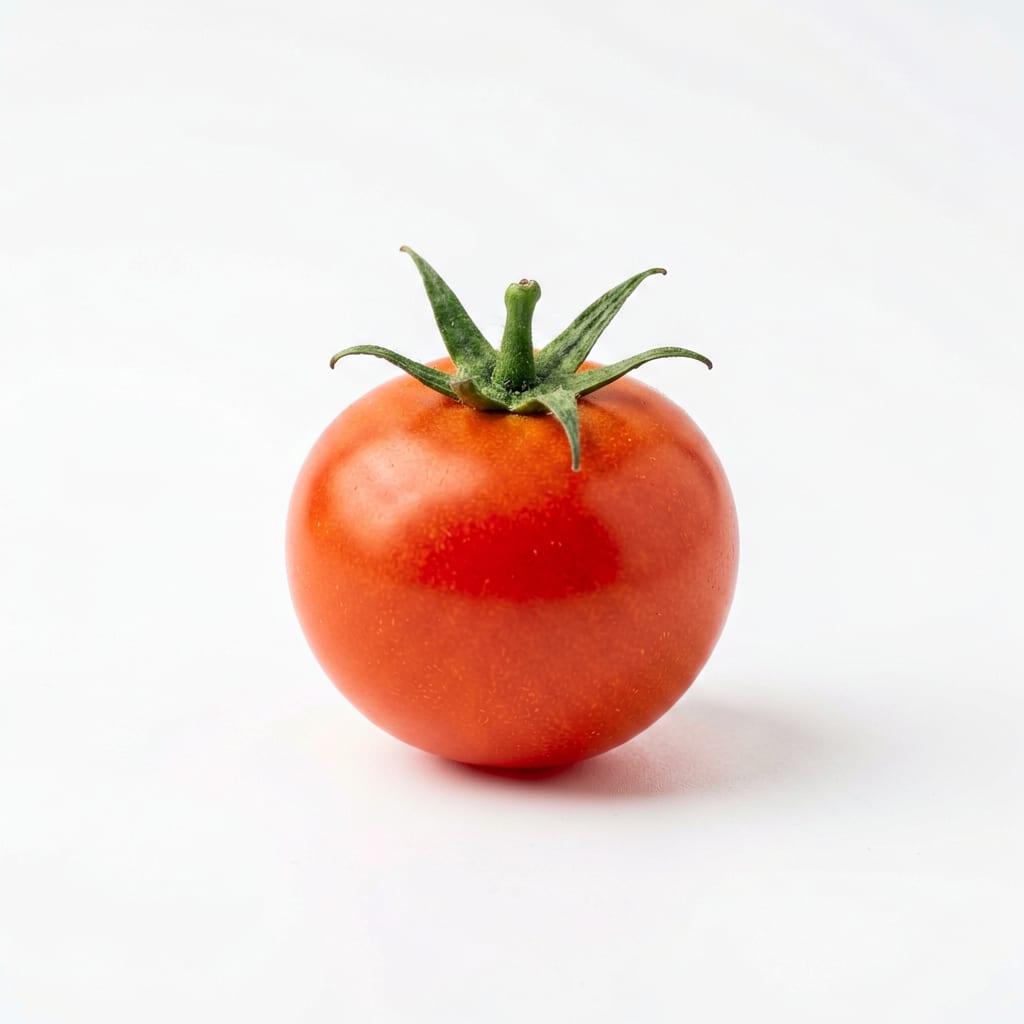
Cherry Tomato
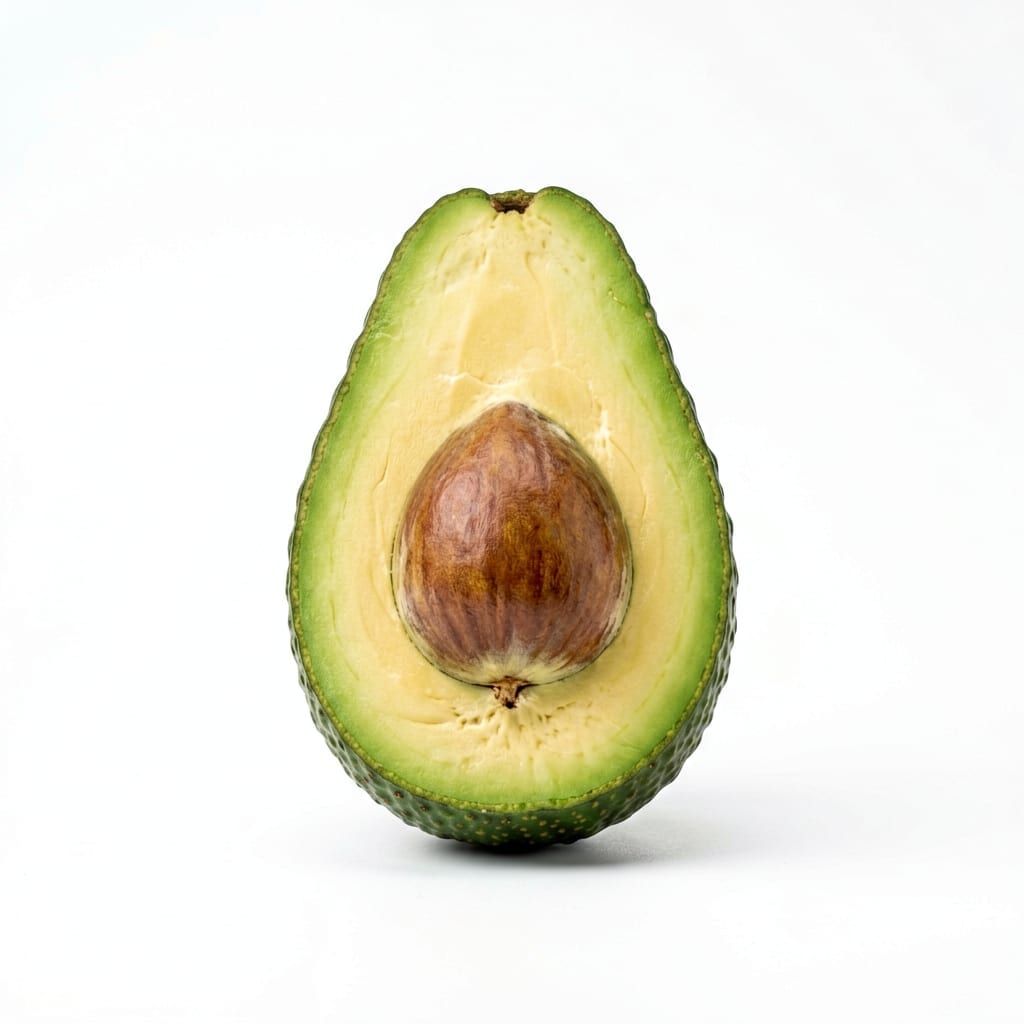
Avocado
Cherry tomatoes win for volume and low-calorie snacking; avocados win for lasting fullness and healthy fat intake. They complement each other perfectly.
Avocado edges ahead due to its unique healthy fat profile and superior satiety, but cherry tomatoes offer unmatched calorie-to-volume ratio. The close scores reflect that both are genuinely healthy choices serving different needs.
Calorie-free crunch and hydration versus calorie-dense creaminess and sustained energy
At a glance
Executive summary
Overall
It depends
Healthier
It depends
More practical
Cherry Tomato
Daily use
Cherry Tomato
Key comparison lenses
low-calorie snacking vs satisfying healthy fat source
These foods represent fundamentally different eating philosophies: volume eating versus fat-based satiety
weight management strategy choice
Calorie density differs dramatically, making this the most practical decision point
heart health and lipid profile optimization
Avocado's monounsaturated fats compete with cherry tomato's lycopene for cardiovascular benefits
meal building and satiety role
Each food plays a completely different role in constructing satisfying meals
blood sugar management
Both are blood sugar friendly but through different mechanisms
Best choice for
Cherry Tomato
- Grazing and mindless snacking without calorie consequences
- Adding color and freshness to every meal
- Staying hydrated through food
- Budget-conscious healthy eating
Avocado
- Staying full for hours on a small portion
- Getting healthy monounsaturated fats daily
- Supporting heart and brain health long-term
- Balancing blood sugar alongside carb-containing meals
Least suitable for
Cherry Tomato
- Anyone needing calorie density for weight gain or recovery
- Sustained energy without frequent refueling
- People seeking creamy, rich textures in meals
Avocado
- Strict calorie-controlled diets requiring large food volumes
- People who struggle with portion control around rich foods
- Budget-limited households needing affordable daily produce
Deep comparison
Dimension by dimension
Each lens scores both foods and breaks down who each option suits.
- Dimension 1 · Priority 95Cherry Tomato
Calorie Density and Weight Management
Cherry Tomato · 92Avocado · 45Cherry tomatoes deliver massive volume for almost no calories, while avocados pack 160+ calories per half.
Tradeoff
You can eat cups of cherry tomatoes guilt-free, but one avocado accounts for a significant portion of daily calories.
Why it matters
For anyone managing weight, calorie density determines whether a food helps or hinders progress.
Real-world impact
A bowl of cherry tomatoes costs you roughly 30 calories. Half an avocado costs you 160. That difference shapes your entire daily budget.
Cherry Tomato
- Volume eaters who need to feel full on fewer calories
- Between-meal grazers
- Anyone tracking calories closely
Better for
- Anyone needing caloric efficiency in small meals
Worse for
Avocado
- People who need concentrated energy in small portions
- Those trying to gain healthy weight
- Athletes needing calorie-dense fuel
Better for
- Dieters who find it hard to stop at half an avocado
Worse for
- Dimension 2 · Priority 88Avocado
Heart Health and Lipid Profile
Cherry Tomato · 65Avocado · 90Avocado's monounsaturated fats actively improve cholesterol, while cherry tomato's lycopene offers complementary but milder cardiovascular protection.
Tradeoff
Avocado directly improves blood lipid markers; cherry tomatoes provide antioxidant protection but less direct lipid impact.
Why it matters
Heart disease remains the leading cause of death, and daily food choices compound over decades.
Real-world impact
Eating avocado regularly can lower LDL cholesterol within weeks. Cherry tomatoes support heart health through lycopene, but the effect is slower and more subtle.
Cherry Tomato
- People already consuming adequate healthy fats from other sources
- Those needing antioxidant variety
Better for
- People relying on this as their primary heart-healthy food
Worse for
Avocado
- Anyone with elevated LDL cholesterol
- People following Mediterranean-style eating patterns
- Those who get most fats from less healthy sources
Better for
- Anyone on a very low-fat diet for medical reasons
Worse for
- Dimension 3 · Priority 85Avocado
Satiety and Fullness
Cherry Tomato · 50Avocado · 88Avocado keeps you full for hours thanks to its fat and fiber combo. Cherry tomatoes satisfy in the moment but hunger returns quickly.
Tradeoff
Immediate volume satisfaction versus lasting hunger suppression.
Why it matters
Foods that keep you full reduce overall daily calorie intake more reliably than foods that are simply low in calories.
Real-world impact
A handful of cherry tomatoes vanishes from your stomach fast. Half an avocado with lunch can prevent the 3pm snack attack entirely.
Cherry Tomato
- People who prefer eating small amounts throughout the day
- Those who want a light pre-meal snack
Better for
- Anyone prone to hunger returning within an hour
Worse for
Avocado
- Anyone trying to reduce between-meal snacking
- People who skip meals and need lasting energy
- Breakfast eaters needing morning staying power
Better for
- People who feel uncomfortably heavy after fatty foods
Worse for
- Dimension 4 · Priority 82Cherry Tomato
Nutrient Density Per Calorie
Cherry Tomato · 88Avocado · 70Cherry tomatoes deliver impressive micronutrients for minimal calories. Avocado is nutrient-rich but comes with a higher caloric price tag.
Tradeoff
More nutrients per calorie versus more total nutrients per serving.
Why it matters
When calories are limited, getting the most nutrition per bite becomes critical.
Real-world impact
You get vitamin C, potassium, and lycopene for roughly 3 calories per cherry tomato. Avocado gives you folate, potassium, and vitamin K but at 160 calories per half.
Cherry Tomato
- Anyone eating in a calorie deficit
- People prioritizing micronutrient efficiency
Better for
- Situations where total nutrient delivery matters more than efficiency
Worse for
Avocado
- Those with ample calorie budgets who want total nutrient intake
- People needing folate and vitamin K specifically
Better for
- Strict calorie-restricted diets
Worse for
- Dimension 5 · Priority 78Avocado
Blood Sugar Stability
Cherry Tomato · 72Avocado · 85Both are blood sugar friendly, but avocado's fat content actively slows glucose absorption from other foods eaten alongside it.
Tradeoff
Cherry tomatoes won't spike blood sugar but won't protect other carbs either. Avocado acts as a blood sugar buffer for your entire meal.
Why it matters
Post-meal blood sugar crashes drive cravings, fatigue, and long-term metabolic damage.
Real-world impact
Adding avocado to a rice bowl slows the glucose spike. Cherry tomatoes on the same bowl add nutrients but minimal glucose-buffering effect.
Cherry Tomato
- Low-carb eaters who do not need glucose buffering
- Standalone snacking between meals
Better for
- Situations where slowing carb absorption matters
Worse for
Avocado
- Anyone eating carb-containing meals who wants steadier energy
- People with insulin resistance or prediabetes
- Those prone to afternoon energy crashes
Better for
- Very low-carb meals where glucose buffering is irrelevant
Worse for
- Dimension 6 · Priority 75It depends
Antioxidant and Anti-inflammatory Profile
Cherry Tomato · 82Avocado · 78Cherry tomatoes excel in lycopene, a potent carotenoid. Avocado offers vitamin E and glutathione. Different antioxidants, different benefits.
Tradeoff
Lycopene is best absorbed with fat, meaning these two foods actually work better together than alone.
Why it matters
Chronic inflammation drives aging and disease. Daily antioxidant choices compound over years.
Real-world impact
Cherry tomatoes give you lycopene that supports prostate and skin health. Avocado provides vitamin E for cell membrane protection. Pairing them unlocks more lycopene absorption than either alone.
Cherry Tomato
- Men concerned about prostate health
- People seeking skin-protective nutrients
- Anyone already consuming adequate dietary fat
Better for
- Eaten without any fat source, lycopene absorption drops significantly
Worse for
Avocado
- People needing vitamin E and glutathione
- Those who eat lycopene-rich foods and need fat to absorb them
Better for
- People expecting broad-spectrum antioxidant coverage from one food
Worse for
- Dimension 7 · Priority 72Cherry Tomato
Convenience and Practicality
Cherry Tomato · 90Avocado · 55Cherry tomatoes are grab-and-go with no prep, no browning, and long fridge life. Avocados have a narrow ripeness window and oxidize quickly.
Tradeoff
Always-ready convenience versus perishable delicacy that demands timing.
Why it matters
The healthiest food is the one you actually eat consistently. Practicality drives consistency.
Real-world impact
Cherry tomatoes sit in your fridge ready for a week. Avocados have roughly a 2-day perfect window, then turn brown and unappealing. This friction matters for daily habits.
Cherry Tomato
- Meal preppers who want ready-to-eat produce
- Busy people who grab food between tasks
- Anyone tired of throwing away overripe produce
Better for
- Situations where creamy texture is needed for a recipe
Worse for
Avocado
- People who shop frequently and enjoy produce at peak ripeness
- Home cooks who plan meals around ingredient readiness
Better for
- Anyone who finds wasted produce frustrating and expensive
Worse for
- Dimension 8 · Priority 68Cherry Tomato
Budget and Accessibility
Cherry Tomato · 85Avocado · 40Cherry tomatoes are affordable year-round. Avocados remain a premium produce item with volatile pricing.
Tradeoff
Everyday affordability versus luxury health food pricing.
Why it matters
Sustainable healthy eating must fit your budget long-term.
Real-world impact
A pint of cherry tomatoes costs $3-4 and lasts a week. A few avocados cost the same and may not even be ripe when you need them.
Cherry Tomato
- Families feeding multiple people on a budget
- Students and young adults with limited grocery money
- Anyone who needs daily produce without premium pricing
Better for
- Situations where the unique nutritional benefits of avocado justify the cost
Worse for
Avocado
- People with flexible grocery budgets
- Those who treat avocado as a targeted health investment
Better for
- Budget-constrained households needing affordable daily vegetables
Worse for
Timeline
Health impact over time
Short-term
Hours to days
Cherry Tomato
- Quick hydration from high water content
- Light, non-bloated feeling after eating
- Immediate freshness and palate cleansing
- Minimal blood sugar impact
Avocado
- Noticeable fullness within 20-30 minutes
- Sustained energy without crashes for 3-4 hours
- Potential heaviness if overeaten
- Slower digestion that delays hunger return
Long-term
Months to years
Cherry Tomato
- Consistent low-calorie intake supports weight maintenance
- Lycopene accumulation may reduce certain cancer risks over years
- Potassium supports healthy blood pressure trends
- Vitamin C contributes to immune resilience
Avocado
- Monounsaturated fat intake improves cholesterol over months
- Potassium and fiber support cardiovascular health long-term
- Folate intake benefits cellular repair and DNA maintenance
- Consistent healthy fat intake supports hormone production and brain health
Risk profile
Safety & processing
Both foods are whole, unprocessed produce. Cherry tomatoes are occasionally grown with more pesticide use, so organic matters more for them. Avocados have thick skins that shield the flesh from most spray residue, making conventional a safer bet when budget is limited.
Cherry Tomato
Pesticide residue
mediumTomatoes frequently appear on EWG's Dirty Dozen list. Washing helps but does not eliminate all residue. Organic significantly reduces exposure.
Foodborne illness from improper handling
lowAs a raw produce item, cherry tomatoes can carry surface bacteria. Thorough rinsing before eating minimizes risk.
Avocado
Listeria from contaminated skin
lowAvocado skins have been linked to listeria contamination in rare outbreaks. Washing before cutting prevents knife transfer from skin to flesh.
Oxidation and spoilage
lowOnce cut, avocado flesh browns quickly. While not dangerous, spoiled texture may lead to overconsumption of the good half and waste of the rest.
Who wins for whom
Audience fit
Same foods, different winners depending on your goal.
children
Cherry TomatoCherry tomatoes are fun to eat, easy for small hands, and parents never worry about portion size. Avocado is healthy but calorie-dense for small bodies.
daily consumption
Cherry TomatoCherry tomatoes have no realistic downside to daily eating. Avocado's calorie load requires portion awareness that adds friction to daily habits.
diabetes
AvocadoAvocado's fat content actively slows glucose absorption from meals, providing better post-meal blood sugar control than cherry tomatoes alone.
elderly
AvocadoOlder adults often struggle with appetite and need calorie-dense, nutrient-rich foods. Avocado delivers concentrated nutrition in an easy-to-eat form.
muscle gain
AvocadoAvocado provides calorie-dense fuel and healthy fats that support hormone production needed for muscle growth and recovery.
weight loss
Cherry TomatoCherry tomatoes let you eat large volumes with minimal calories, making them ideal for creating a calorie deficit without feeling deprived.
Your move
Decision guide
Choose Cherry Tomato
- You want to snack freely without tracking calories
- You need affordable, always-ready produce in your fridge
- You are eating in a calorie deficit and need volume
- You already get healthy fats from olive oil, nuts, or fish
- You want something light that will not slow you down before activity
Choose Avocado
- You struggle with between-meal hunger and cravings
- You want to improve your cholesterol profile naturally
- You eat carb-heavy meals and need steadier energy
- You have trouble getting enough calories or healthy fats
- You follow a Mediterranean or plant-forward eating style
Either works if
- You want more produce variety in your diet
- You are building a salad and need both crunch and creaminess
- You have no specific health goal beyond eating well
- You enjoy both and can rotate based on what meals you are making
Avoid both if
- You have a nightshade sensitivity affecting tomatoes and have a latex-fruit allergy affecting avocado
- You are exclusively focused on protein intake and neglecting neither would displace protein sources
Final recommendation
Eat both, but let cherry tomatoes be your daily default and avocado your strategic addition. Toss cherry tomatoes into salads, snacks, and meals freely. Add avocado deliberately when you need staying power, healthy fats, or blood sugar balance. The best move nutritionally is combining them: the fat in avocado dramatically boosts lycopene absorption from cherry tomatoes. Together they are worth more than either alone.
Practical
Consumer tips
- 1
Buy cherry tomatoes organic when possible due to pesticide concerns, but conventional avocado is fine since the thick skin blocks most residue
- 2
Store cherry tomatoes at room temperature for best flavor; refrigeration kills their taste
- 3
Buy avocados at different ripeness stages so you always have one ready without waste
- 4
Squeeze lemon juice on cut avocado and press plastic wrap directly on the flesh to slow browning
- 5
Pair cherry tomatoes with a fat source like olive oil or avocado to unlock up to 4x more lycopene absorption
- 6
Freeze overripe avocado portions for smoothies instead of throwing them away
- 7
Wash avocado skins before cutting to prevent knife transfer of surface bacteria into the flesh